
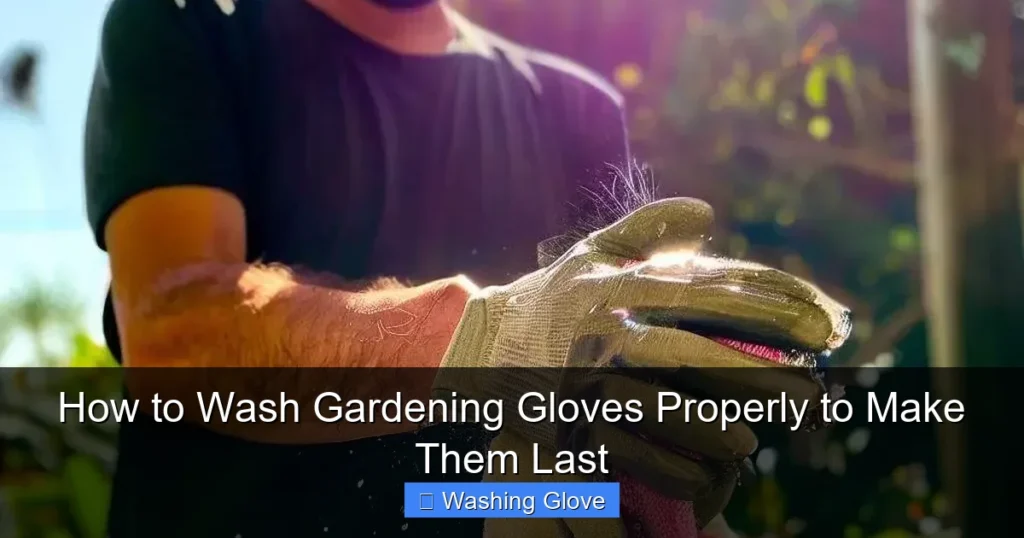
Properly cleaning your gear is the best way to extend the life of your tools and protect your hands. This guide covers step-by-step methods for washing every type of gardening glove, from rugged leather to breathable cotton. By following these simple maintenance tips, you can prevent bacteria buildup and keep your gloves flexible for years to come.
Gardening is a joyful hobby. It brings you closer to nature. It helps you grow beautiful flowers and fresh food. But gardening is also messy. Your hands are your most important tools. To protect them, you wear gardening gloves. These gloves take a lot of abuse. they face mud, thorns, chemicals, and sweat. Over time, they get stiff, smelly, and dirty.
Many gardeners make a mistake. They throw away dirty gloves and buy new ones. This wastes money. It also creates trash. If you know how to wash gardening gloves properly, they can last for many seasons. Cleaning them keeps them soft. It also keeps them hygienic. Soil can carry bacteria and fungi. You do not want those sitting against your skin.
In this guide, you will learn everything about glove care. We will look at different materials. We will give you easy steps for washing. We will also show you how to dry them safely. By the end, your gloves will look and feel almost new.
Key Takeaways
- Point 1: Always identify the material of your gloves before you start washing to avoid damaging the fibers.
- Point 2: Air drying is the safest method for all glove types, as high heat from dryers can cause shrinking or cracking.
- Point 3: Leather gloves require special care, including the use of saddle soap and occasional conditioning to stay soft.
- Point 4: Washing gloves regularly prevents the spread of soil-borne diseases and harmful bacteria to your skin.
- Point 5: Use mild detergents and lukewarm water to maintain the structural integrity of synthetic and coated gloves.
- Point 6: Rinsing off heavy mud immediately after gardening makes the deep-cleaning process much easier later on.
- Point 7: Proper storage in a cool, dry place is just as important as washing for preventing mold and mildew.
Why You Should Wash Your Gardening Gloves Regularly
You might think gardening gloves are meant to be dirty. While that is true during work, leaving them dirty is a bad idea. First, let’s talk about durability. Dirt is abrasive. Small particles of sand and grit act like sandpaper. When you move your hands, these particles rub against the fabric or leather. This creates tiny tears. Eventually, the gloves develop holes. Washing removes this grit.
Second, consider your health. Garden soil is alive. It contains microbes. If your gloves stay damp and dirty, mold can grow. This can cause skin irritation or rashes. Sweat from your hands also builds up inside. This leads to bad odors. A clean glove is a healthy glove. It provides a better barrier for your skin.
Third, think about comfort. We have all felt gloves that turned stiff after drying. This happens because salt from sweat and minerals from the soil harden the material. Proper washing and conditioning keep the material supple. Flexible gloves give you a better grip. They make your garden chores much easier and safer.
Identifying Your Glove Material
Before you grab the soap, look at your gloves. Not all gloves are the same. Each material needs a different touch. If you wash leather the same way you wash cotton, you will ruin the leather. Here are the common types you will find in your shed:
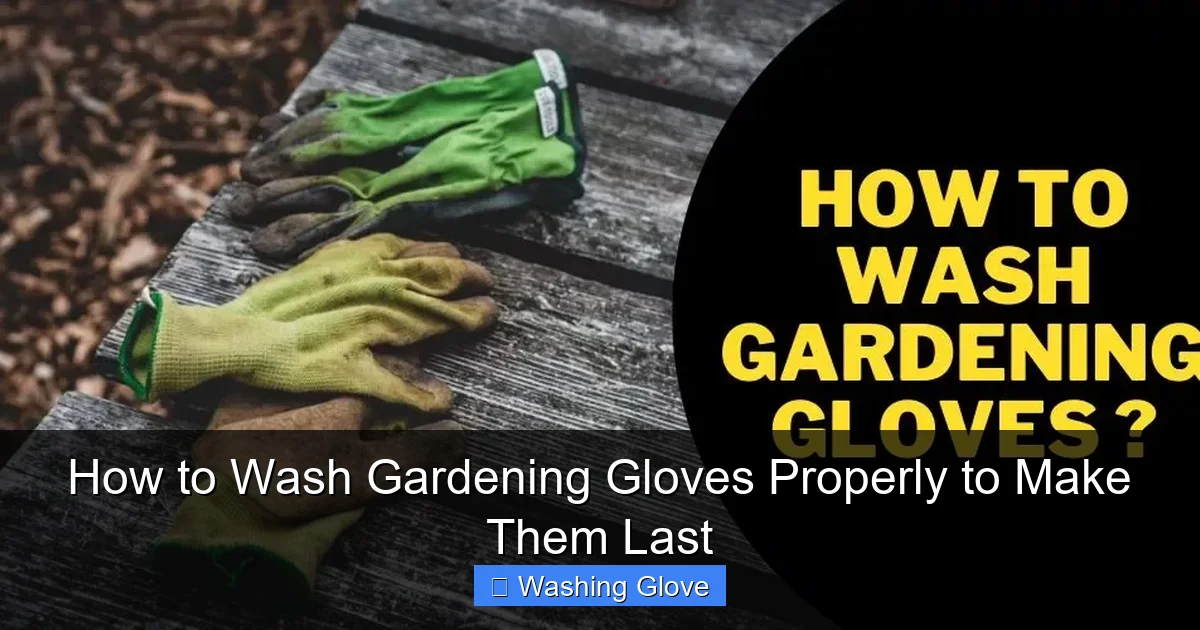
Visual guide about How to Wash Gardening Gloves Properly to Make Them Last
Image source: theacegardener.com
Cotton and Fabric Gloves
These are usually lightweight. They are great for light weeding or planting. They are breathable and easy to move in. Most of these are very easy to clean. They can often go into the washing machine.
Synthetic and Coated Gloves
These often have a knit back and a rubber or nitrile palm. The coating protects you from moisture and thorns. These are very popular today. They need gentle cleaning to keep the coating from peeling.
Leather and Suede Gloves
These are the heavy-duty champions. They protect against big thorns and heavy brush. Leather is skin. It can dry out and crack if it gets too wet or too hot. These require the most care.
Rubber and Latex Gloves
These are waterproof. They are perfect for wet tasks or handling liquid fertilizers. They are easy to wipe down but can become brittle if exposed to harsh chemicals or sun.
How to Wash Cotton or Fabric Gardening Gloves
Cotton gloves are the easiest to handle. Think of them like a pair of heavy socks. However, they hold onto dirt very tightly. Follow these steps for the best results.
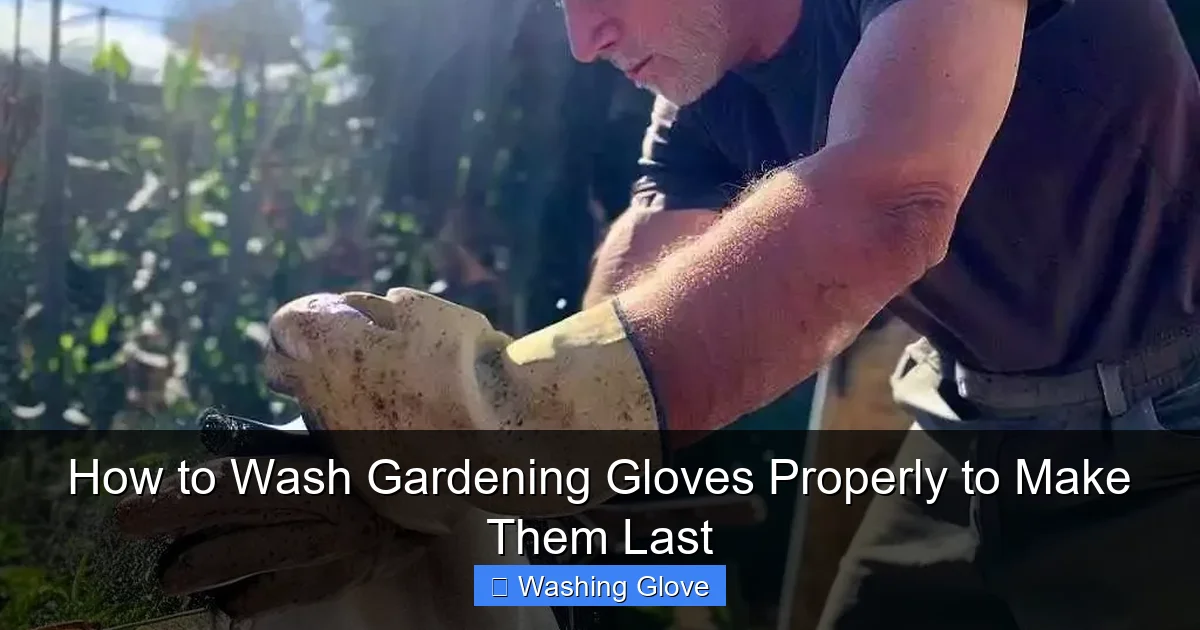
Visual guide about How to Wash Gardening Gloves Properly to Make Them Last
Image source: theacegardener.com
Step 1: Shake and Brush
Take your gloves outside. Clap them together to knock off loose dirt. Use a soft brush to scrub away dried mud. This prevents the mud from turning into a thick paste when it hits the water.
Step 2: Pre-Treat Stains
If you have grass stains or deep dirt, use a little spot cleaner. You can also rub a bit of liquid laundry detergent directly onto the stain. Let it sit for ten minutes.
Step 3: Machine Wash
Place the gloves in the washing machine. Use a cold or lukewarm setting. Hot water can shrink cotton. Use a mild detergent. Avoid bleach, as it weakens the fibers. You can wash them with your gardening clothes or old towels.
Step 4: The Rinse Cycle
Ensure the machine does a full rinse. Soap trapped in the fabric can irritate your hands later. If the gloves were very muddy, you might want to run an extra rinse cycle.
How to Wash Synthetic and Coated Gardening Gloves
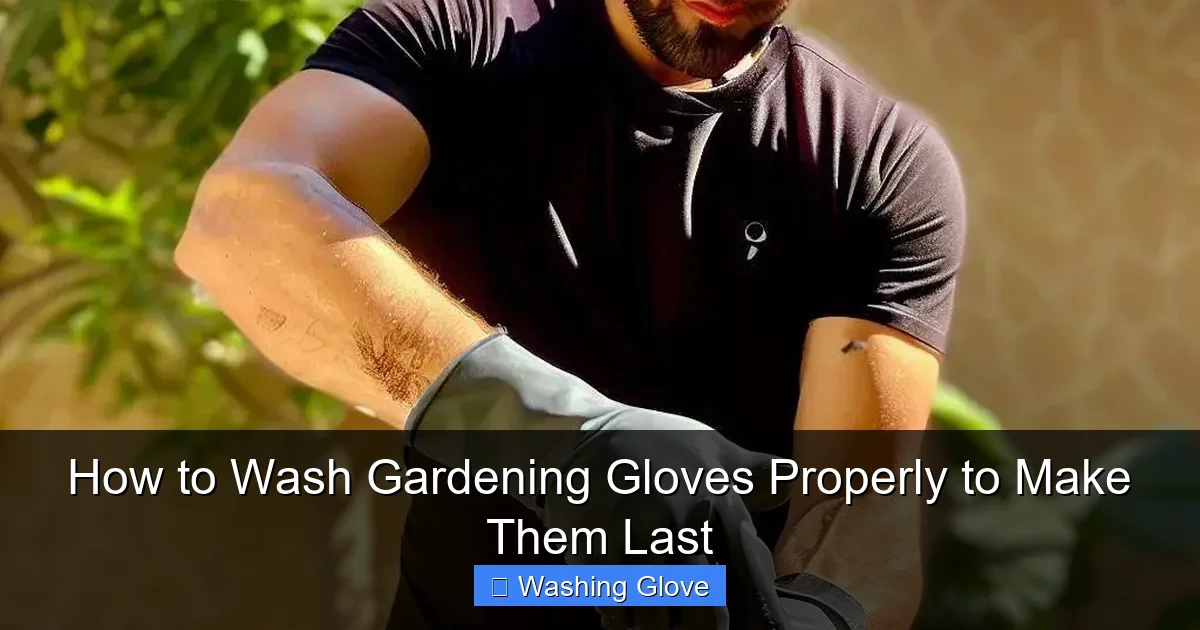
Nitrile or latex-coated gloves are favorites for many. They offer a great grip. Because they have two different materials, you should be a bit more careful than with plain cotton.
Visual guide about How to Wash Gardening Gloves Properly to Make Them Last
Image source: theacegardener.com
Step 1: Rinse While Wearing
The easiest way to clean these is while they are still on your hands. Go to the garden hose or a sink. Rinse them with cool water. Rub your hands together as if you are washing your bare hands. This removes surface dirt quickly.
Step 2: Use Mild Soap
Apply a drop of dish soap to the palms. Rub the coated areas together. Use a soft cloth to wipe the fabric on the back of the hand. This gets rid of oils and sweat.
Step 3: Inside-Out Cleaning
Take the gloves off. Turn them inside out if possible. The inside is where the sweat is. Rinse the inside with cool water and a tiny bit of soap. Rinse thoroughly until no bubbles remain.
Step 4: Avoid the Machine if Possible
While some synthetic gloves say they are machine-safe, hand washing is better. The agitation of a machine can sometimes cause the nitrile coating to separate from the fabric. Hand washing makes them last much longer.
How to Wash Leather Gardening Gloves Properly
Leather is the most difficult material to clean. It does not like being soaked. If you soak leather, it loses its natural oils. When it dries, it becomes hard and brittle. You must use a “dryer” cleaning method.
Step 1: Dry Brushing
Wait for the mud on your leather gloves to dry completely. Use a stiff-bristled brush to flick the dirt off. Do not use water yet. You want to get as much off as possible while the glove is dry.
Step 2: Using Saddle Soap
Saddle soap is designed for leather. It cleans and moisturizes at the same time. Dampen a clean cloth. Rub it on the saddle soap to create a light lather. Wipe the leather in a circular motion. Do not soak the leather. Just use the foam to lift the dirt.
Step 3: Remove the Soap
Take a second, slightly damp cloth. Wipe away the soap suds. Make sure no soap residue remains. Again, keep the water to a minimum.
Step 4: Conditioning
While the leather is still slightly damp (but not wet), apply a leather conditioner. This is the secret to making them last. Rub a small amount of mink oil or leather cream into the material. This replaces the oils lost during use and cleaning. It keeps the leather soft and water-resistant.
Drying Your Gloves the Right Way
How you dry your gloves is just as important as how you wash them. This is where most people go wrong. They think the clothes dryer is a time-saver. For gardening gloves, the dryer is often an enemy.
The Golden Rule: No High Heat
Never put leather, rubber, or coated gloves in the dryer. High heat causes rubber to melt or peel. It causes leather to shrink and crack. Even cotton gloves can shrink so much they no longer fit.
The Best Method: Air Drying
The best way to dry any glove is to let it air dry naturally. Hang them up by the fingertips using a clothespin. This allows water to drip out of the wrist. Alternatively, lay them flat on a clean towel.
Maintaining Shape
For leather gloves, put them on your hands a few times while they are air-drying. This helps them hold the shape of your hand. If they feel a little stiff when they are almost dry, massage the leather with your fingers to loosen the fibers.
Avoid Direct Sunlight
Do not leave your gloves to dry in the direct sun. UV rays can damage the materials. A shady, breezy spot is perfect. Inside the house near a gentle air vent is also good. Just keep them away from heaters or radiators.
Maintenance Tips to Make Gloves Last Longer
Washing is part of a bigger care plan. If you do small things every day, you won’t have to deep-clean as often. Here are some pro tips for glove maintenance.
- Don’t leave them outside: Sunlight and moisture are the biggest enemies of gardening gear. When you finish your work, bring your gloves inside.
- Rinse immediately: If you’ve been working in mud, rinse the gloves with a hose before you take them off. It takes ten seconds but saves an hour of scrubbing later.
- Store them flat: Don’t ball your gloves up and throw them in a bucket. This traps moisture inside. Lay them flat or hang them up so air can circulate.
- Use the right glove for the job: Don’t use your thin cotton gloves for moving heavy rocks or pulling thorny bushes. They will rip. Use leather for tough jobs and cotton for light ones.
- Keep your fingernails short: Long or sharp fingernails are a common cause of holes in the fingertips of gloves. Keep your nails trimmed to protect your gear.
Troubleshooting Common Glove Issues
Sometimes, even with washing, things go wrong. Here is how to fix common problems.
My gloves smell like mildew.
This happens if they stay damp too long. Wash them again with a cup of white vinegar added to the water. Vinegar kills the fungus that causes the smell. Ensure they dry completely in a well-ventilated area.
My leather gloves are stiff as a board.
You likely got them too wet or dried them with heat. To fix this, apply a generous amount of leather conditioner. Work the conditioner into the leather with your hands. Flex the fingers back and forth. You may need to repeat this over two or three days.
The rubber coating is getting sticky.
This is often caused by exposure to oils or chemicals. Try washing them with a strong grease-cutting dish soap. If they remain sticky, the rubber is likely breaking down, and it might be time for a new pair.
When to Replace Your Gardening Gloves
Cleaning can do a lot, but nothing lasts forever. You should replace your gloves if you notice any of the following:
If there is a hole in the fingertip, your skin is no longer protected. If the leather has cracked all the way through, it can no longer be saved. If the inner lining has completely worn away, the glove will be uncomfortable and could cause blisters. Finally, if you see mold spots that won’t come out with vinegar, it is safer to buy a new pair than to risk a skin infection.
Conclusion
Learning how to wash gardening gloves properly is a valuable skill for any gardener. It is an act of respect for your tools. It saves you money and keeps your hands healthy and comfortable. Whether you use simple cotton or heavy-duty leather, the steps are easy to follow.
Remember to identify your material first. Use gentle soaps and lukewarm water. Most importantly, always air dry your gloves away from direct heat. If you take care of your gloves, they will take care of you. You will be able to head into the garden with confidence, knowing your hands are well-protected by clean, soft, and durable gear. Happy gardening!
🎥 Related Video: Your gardening gloves are downright filthy! #gardening #gardeningtips #cleaning
📺 Lucent Globe