

Cleaning your toilet brush after every use is essential for bathroom hygiene. This guide provides a simple, effective routine using common household items like bleach, vinegar, or disinfectant to kill germs and prevent foul odors. Proper drying and storage are just as important as the cleaning itself to stop bacteria and mold from growing.
Key Takeaways
- Clean Immediately: Don’t let the brush sit dirty; rinse and disinfect right after use to prevent bacteria from multiplying.
- Disinfect, Don’t Just Rinse: A quick water rinse isn’t enough. You must use a proper disinfectant like bleach, vinegar, or hydrogen peroxide to kill pathogens.
- Dry Thoroughly: A wet brush in a dark holder is a breeding ground for mold. Let it air-dry completely before storing.
- Clean the Holder Too: The brush caddy or holder gets just as dirty. Scrub and disinfect it every time you clean the brush.
- Replace Regularly: No amount of cleaning lasts forever. Replace your toilet brush every 3-6 months, or as soon as bristles look worn.
- Choose Your Method: Have options for a quick daily clean (disinfectant spray) and a deep weekly clean (soaking solution).
Clean Your Toilet Brush After Use the Right Way: The Complete Guide
You use it to clean one of the dirtiest spots in your home. Then, you put it away, damp and dirty. Sound familiar? Most of us are guilty of neglecting our toilet brush. But a dirty brush spreads germs, causes bad smells, and makes your cleaning efforts pointless.
This guide will show you a simple routine. You will learn how to clean your toilet brush properly after every use. We will cover quick methods and deep cleans. You will also learn how to dry and store your brush. This stops mold and bacteria for good. Let’s turn this overlooked tool into a champion of hygiene.
Why You Must Clean Your Toilet Brush
Think about what your brush touches. Then, it sits in a dark, damp holder. This is a perfect home for bacteria like E. coli and Salmonella. It also welcomes mold and mildew. A dirty brush does two bad things. First, it makes your toilet dirtier every time you use it. Second, it causes a nasty smell in your bathroom.

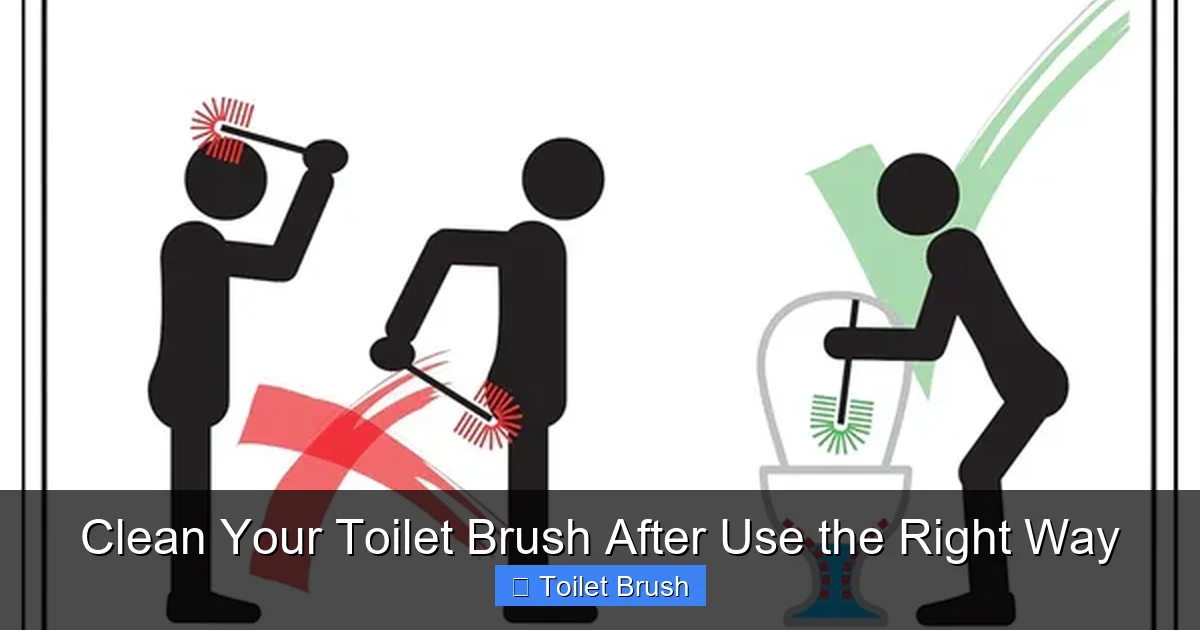
Visual guide about Clean Your Toilet Brush After Use the Right Way
Image source: as1.ftcdn.net
Cleaning your brush breaks this cycle. It keeps your bathroom fresh. It also makes the brush last longer. Most of all, it protects your family’s health. The whole process takes just a few extra minutes. The payoff is huge.
What You’ll Need
You don’t need fancy tools. You likely have everything already.
Visual guide about Clean Your Toilet Brush After Use the Right Way
Image source: cdn.shopify.com
- Your dirty toilet brush and its holder/caddy.
- Disinfectant: Choose one: Chlorine bleach, White vinegar, Hydrogen peroxide, or a commercial bathroom disinfectant spray.
- Hot water.
- A toilet bowl or a large bucket. (Never use a sink you wash dishes in!).
- Rubber gloves to protect your hands.
- Old towels or paper towels for drying.
Step-by-Step: How to Clean Your Toilet Brush After Every Use
Follow this routine right after you scrub the toilet. It’s the best habit for a fresh brush.

Visual guide about Clean Your Toilet Brush After Use the Right Way
Image source: i.pinimg.com
Step 1: The Initial Rinse
Flush the toilet. While the water is swirling, swish your toilet brush vigorously in the clean water. Do this for 15-20 seconds. This removes the worst of the visible debris and toilet bowl cleaner from the bristles.
Step 2: Apply Disinfectant (Choose Your Method)
Here is where you kill the germs. Pick the method that suits you best.
Option A: The Disinfectant Spray (Quickest)
Shake a bathroom disinfectant spray. Spray the brush head thoroughly, covering all bristles and the base. Let it sit for the time recommended on the label, usually 30 seconds to 1 minute.
Option B: The Bleach Dip (Most Powerful)
In the toilet bowl or a bucket, mix 1 cup of household bleach with 1 gallon of cool water. Swish the brush head in this solution for 60 seconds. Warning: Never mix bleach with vinegar, ammonia, or other cleaners. It makes dangerous fumes.
Option C: The Vinegar Soak (Natural Alternative)
Use white distilled vinegar. You can spray it on full-strength or create a soak with equal parts vinegar and hot water in a bucket. Let the brush sit for 5-10 minutes. Vinegar kills most bacteria and dissolves mineral deposits.
Step 3: The Final Rinse
Hold the brush over the toilet bowl. Rinse it thoroughly with very hot water from a jug or cup. Rinse until you see no more suds or disinfectant running off. This step is key to remove any leftover cleaning chemicals.
Step 4: Dry It Completely
This is the most missed step! Do not put a wet brush away. Shake off the excess water over the toilet. Then, place the brush head on a thick layer of old paper towels or an old rag. Let it air-dry for at least one hour, or until completely dry to the touch. You can also stand it up in an empty, clean bucket in a well-ventilated area.
Step 5: Clean the Holder
Your brush holder is a germ pit. Never put a clean brush into a dirty caddy. Empty any standing water. Wash it with hot, soapy water. Then, spray or wipe the inside with your chosen disinfectant. Rinse and dry it completely with a paper towel.
Step 6: Store Properly
Only when both the brush and holder are bone-dry should you reunite them. Place the brush back in its holder. Leave the lid off if it has one, to allow for continuous airflow.
How to Do a Deep Monthly Clean
Even with daily care, a deep clean is smart once a month.
1. Prepare a Soaking Solution. In a bucket only used for cleaning, make a strong solution. Use 1 part bleach to 10 parts water, or use straight 5% white vinegar.
2. Soak the Brush & Holder. Submerge the entire brush head and the holder in the solution. Let them soak for 30-60 minutes.
3. Scrub. After soaking, use an old toothbrush or dish brush to scrub between the bristles and the bottom of the holder.
4. Rinse and Dry. Rinse everything with hot water. Then, let it all air-dry completely, as described above.
Troubleshooting Common Problems
Problem: The brush or holder has a persistent foul smell.
Solution: Soak in a bleach solution overnight. If the smell remains, the plastic may have absorbed odors. It’s time to replace both brush and holder.
Problem: Pink or black mold on the brush bristles or holder.
Solution: This is common. Soak in a bleach solution for one hour. The bleach will kill and lift the mold. Scrub gently afterwards. Increase your drying time to prevent its return.
Problem: The bristles are frayed, matted, or falling out.
Solution: Stop cleaning and start shopping. Worn bristles are less effective and trap more bacteria. Replace your brush immediately.
Conclusion: Make It a Habit
Cleaning your toilet brush isn’t a glamorous chore. But it is a vital one for a clean, healthy, and odor-free bathroom. By adding these few simple steps to your routine, you break the cycle of spreading germs. You extend the life of your tools. And you gain the peace of mind that comes with true cleanliness.
Remember the core rule: Disinfect, Dry Thoroughly, and Store Dry. Turn this guide into a quick weekly habit. Your nose, your guests, and your bathroom will thank you.
🎥 Related Video: The Proper Way to Clean a Toilet Brush #procleaningtip #shorts
📺 Angela Brown Cleaning
The proper way to clean a toilet brush is to flush the toilet while the toilet brush is in the toilet. The clean water washes the brush.