In this guide, you will learn about the wattage of desk lamps and how to choose the right one for your needs. We’ll cover bulb types, energy efficiency, and practical tips to ensure your workspace is well-lit without excessive energy costs.
Key Takeaways
- Wattage Basics: Desk lamps typically use between 5 to 100 watts, depending on the bulb type and lamp design.
- Types of Bulbs: Incandescent, LED, and CFL bulbs have different wattages and energy efficiencies, impacting your overall electricity usage.
- Energy Efficiency: LED bulbs are the most energy-efficient option, providing the same light output as incandescent bulbs while using fewer watts.
- Choosing the Right Lamp: Consider the brightness you need and the space in which the lamp will be used to select the appropriate wattage.
- Cost Implications: Understanding wattage helps you estimate energy costs, leading to more sustainable choices.
- Lighting Needs: Different tasks require different lighting levels; match your desk lamp’s wattage to your specific needs for optimum performance.
- Safety Considerations: Always check the maximum wattage rating of your lamp to prevent overheating and fire hazards.
Discover How Many Watts a Desk Lamp Uses for Your Needs
When setting up your workspace, understanding the wattage of your desk lamp is crucial for both functionality and energy efficiency. This guide walks you through how many watts a desk lamp typically uses and how to choose the right one for your needs.
1. Understanding Wattage
Wattage measures how much electricity a device uses. For desk lamps, knowing the wattage can help you gauge how much light you’ll receive and how much energy you’ll consume.

Visual guide about Discover How Many Watts a Desk Lamp Uses for Your Needs
Image source: navigz.com
1.1 What is Wattage?
Wattage is a unit of power that indicates the rate of energy consumption. For example, a 60-watt bulb uses 60 watts of electricity. The higher the wattage, the brighter the light typically is, but that’s not always the case, especially with modern LED bulbs.
1.2 How Wattage Affects Brightness
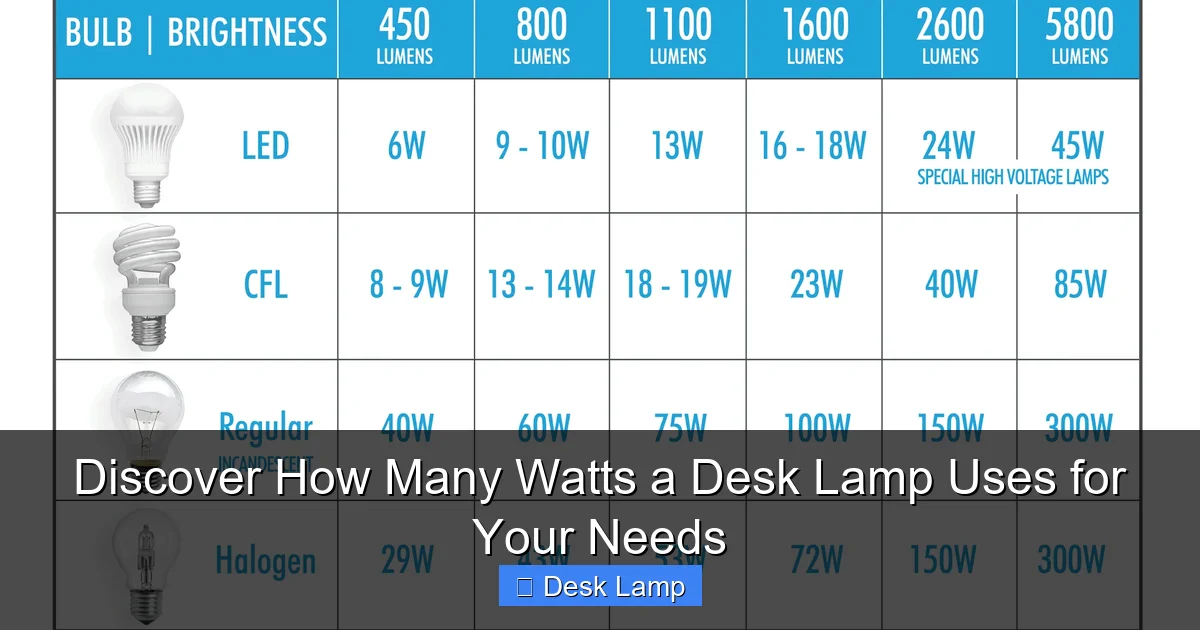
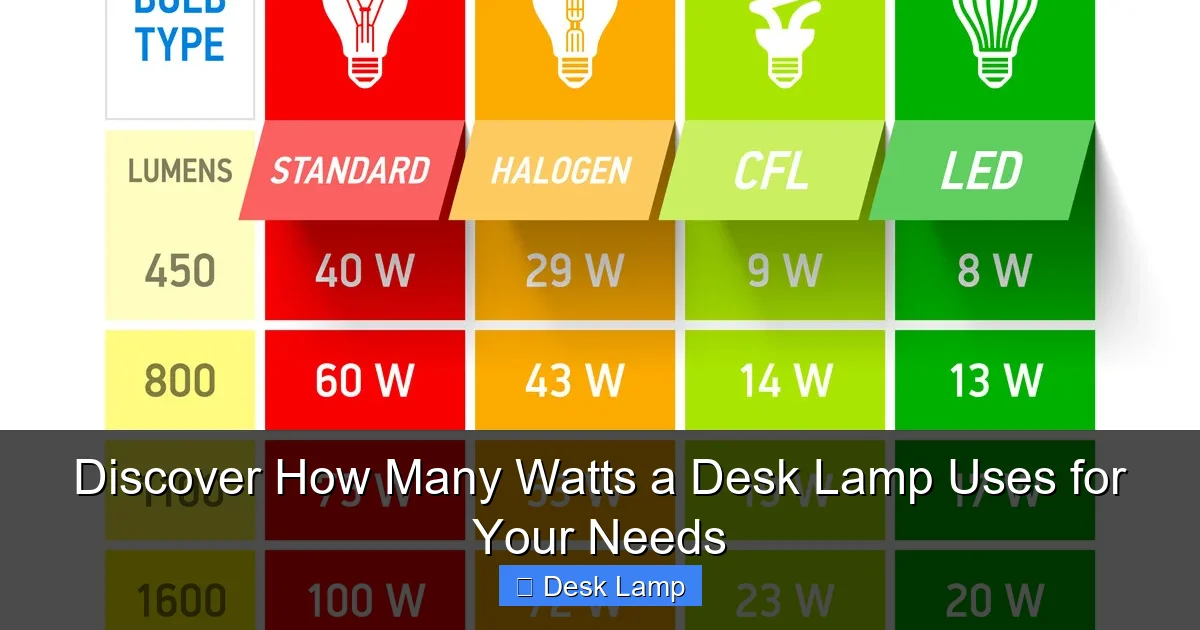
Brightness in lamps is measured in lumens. While traditional incandescent bulbs require higher wattage to produce more lumens, LED bulbs can achieve the same brightness with significantly lower wattage. Understanding this can save you money on energy bills.
2. Types of Light Bulbs
Desk lamps come with various types of bulbs, each with different wattages and efficiencies. Let’s break them down:
Visual guide about Discover How Many Watts a Desk Lamp Uses for Your Needs
Image source: 1.bp.blogspot.com
2.1 Incandescent Bulbs
Incandescent bulbs are the traditional choice, usually ranging from 40 to 100 watts. They provide warm light but are not energy efficient and have a shorter lifespan.
2.2 CFL Bulbs
Compact fluorescent lamps (CFLs) are more energy-efficient than incandescent bulbs. They use about 13 to 15 watts to produce the same light as a 60-watt incandescent bulb.
2.3 LED Bulbs
LEDs are the most energy-efficient option available, using only 8 to 12 watts to produce similar brightness to a 60-watt incandescent. They last much longer and can save you money in the long run.
3. Choosing the Right Wattage for Your Needs
Now that you understand wattage and bulb types, how do you choose the right lamp for your needs?
Visual guide about Discover How Many Watts a Desk Lamp Uses for Your Needs
Image source: dallasbuilders.com
3.1 Assessing Your Lighting Needs
Consider what you’ll be doing under the lamp. For reading or detailed work, you may want a brighter light, while for ambient lighting, a lower wattage may suffice.
3.2 Room Size and Height
The size of your room and the height of the lamp also play a role in determining the wattage. Larger spaces may require higher wattage lamps, while smaller, cozy areas may need less.
3.3 Energy Efficiency Ratings
Look for energy-efficient options to reduce your electricity bill. An LED bulb has a higher upfront cost but will save you more money over time through lower energy consumption.
4. Practical Tips for Desk Lamp Usage
Here are some practical tips to help you maximize the effectiveness of your desk lamp:
4.1 Use Dimmers
Install a dimmer switch to adjust brightness according to your needs. This can help save energy and create a more comfortable atmosphere.
4.2 Positioning the Lamp
Place your lamp strategically to minimize shadows and glare. A well-placed lamp enhances productivity and reduces eye strain.
4.3 Regular Maintenance
Keep your lamp and bulbs clean. Dust and grime can reduce light output, meaning you may need higher wattage bulbs than necessary.
5. Troubleshooting Common Desk Lamp Issues
If you’re experiencing issues with your desk lamp, here are common problems and solutions:
5.1 Flickering Light
If your lamp flickers, it could indicate a loose bulb or wiring issue. Check the connections and replace the bulb if necessary.
5.2 Dim Light
If the light seems dim despite a high wattage, consider switching to a different bulb type. An LED bulb may provide better brightness and efficiency.
5.3 No Light
If your lamp doesn’t turn on, check the power source, the switch, and the bulb. Replacing the bulb is often the simplest solution.
6. Conclusion
Choosing the right wattage for your desk lamp can significantly impact your productivity and energy costs. By understanding the different types of bulbs, assessing your lighting needs, and considering energy efficiency, you can make an informed decision. Always prioritize safety by adhering to the lamp’s wattage guidelines. With the right lamp, you can create a well-lit and inviting workspace that meets your needs!
🎥 Related Video: what is the best type of lighting for the study or the office for working?
📺 Dear Modern