
When choosing a desk lamp, understanding lumens is crucial for creating the right lighting. This guide will help you determine how many lumens your desk lamp should have for your specific needs, ensuring a comfortable and productive workspace.
Key Takeaways
- Understanding Lumens: Lumens measure brightness; higher lumens mean brighter light.
- Workspace Requirements: Different tasks require different lumen levels for optimal lighting.
- General Guidelines: Aim for 300 to 500 lumens for reading and detailed work.
- Light Color Matters: Warm or cool light affects perceived brightness; consider this when choosing a lamp.
- Adjustability is Key: Look for lamps with adjustable brightness for versatility.
- Personal Preference: Ultimately, your comfort with the light level should guide your choice.
How Many Lumens Should a Desk Lamp Have for Perfect Lighting
When it comes to creating the perfect workspace, lighting plays a vital role. A well-lit desk can enhance productivity, reduce eye strain, and create an inviting atmosphere. One of the most important aspects of lighting is understanding lumens. In this guide, we’ll explore how many lumens your desk lamp should have, the factors to consider, and tips for achieving the best lighting for your needs.
Understanding Lumens
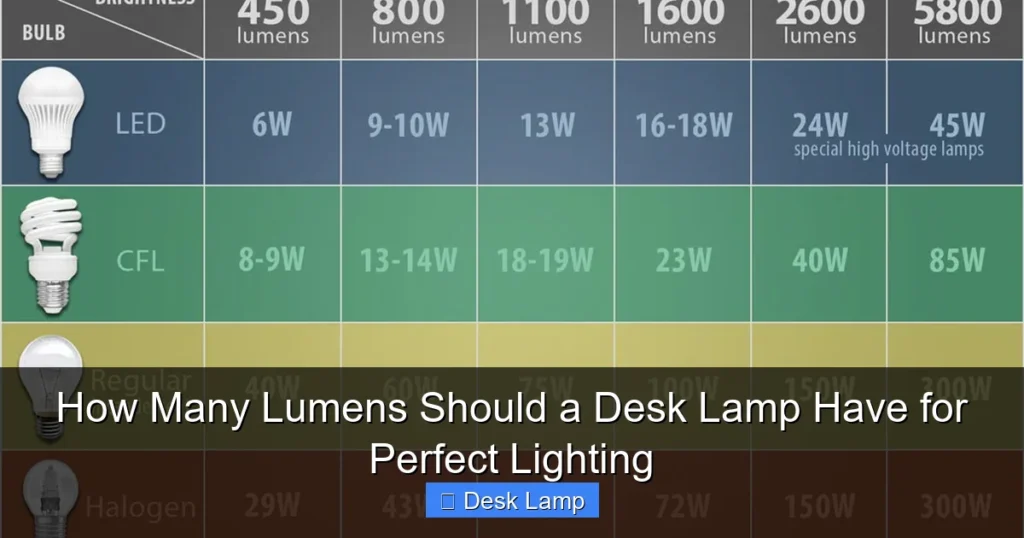
Lumens measure the amount of light emitted by a lamp or bulb. The higher the lumens, the brighter the light. This is crucial because different activities require different levels of brightness. For example, reading or detailed work typically needs more light than general ambient lighting.
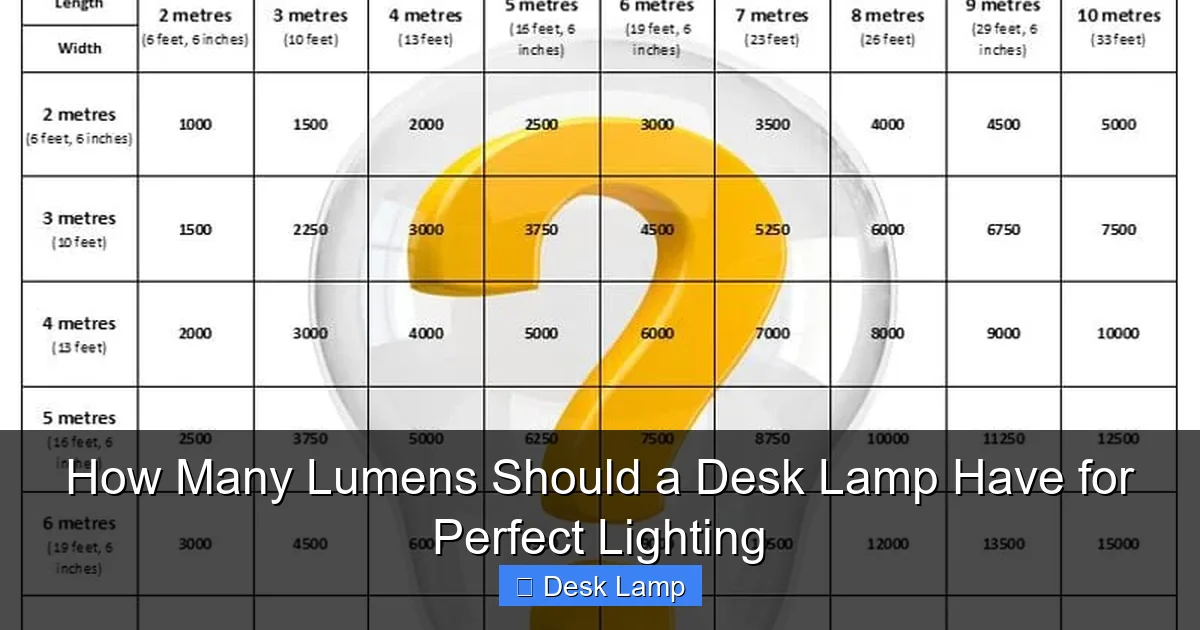
Visual guide about How Many Lumens Should a Desk Lamp Have for Perfect Lighting
Image source: lightingandlights.co.uk
Determine Your Workspace Needs
Before choosing a desk lamp, consider the following factors:
Visual guide about How Many Lumens Should a Desk Lamp Have for Perfect Lighting
Image source: table-lamp.com
1. Type of Work
- Reading: If you spend a lot of time reading or studying, aim for a desk lamp with at least 300 to 500 lumens.
- Writing or Drawing: For tasks like writing or drawing that require detail, consider lamps with 500 to 800 lumens.
- General Use: If your desk lamp is for general use, such as browsing the internet or casual tasks, 200 to 300 lumens may suffice.
2. Room Size
The size of your workspace can impact how many lumens you need. A larger room may require a brighter lamp to ensure adequate lighting throughout the area.
3. Light Color
The color temperature of the light can also affect how bright it feels. Warm white light (2700K-3000K) feels cozy but may require more lumens to feel bright, while cool white light (4000K-5000K) often feels brighter and more energizing.
General Guidelines for Lumens
Here are some general recommendations for lumen levels based on the type of task:

Visual guide about How Many Lumens Should a Desk Lamp Have for Perfect Lighting
Image source: i.pinimg.com
1. Reading and Detailed Work
Aim for 300 to 500 lumens for reading, writing, or detailed work. This level of brightness helps minimize eye strain and enhances visibility.
2. Crafting or Art Projects
If you’re working on crafts or artistic projects, consider lamps that provide 500 to 800 lumens for better clarity of colors and details.
3. Computer Work
When working at a computer, 200 to 400 lumens are usually sufficient, but ensure that there’s no glare from the screen, which can cause discomfort.
Practical Tips for Choosing the Right Desk Lamp
- Test Before You Buy: If possible, test the lamp in-store or read reviews that mention brightness. This will help you gauge if it suits your needs.
- Adjustability: Look for lamps with adjustable brightness settings. This allows you to customize the lighting based on different tasks.
- Consider Placement: Where you place your lamp can affect how much light you receive. Position it in a way that minimizes shadows on your work surface.
- Opt for LED: LED bulbs are energy-efficient and provide excellent brightness. They also last longer than traditional bulbs.
Common Mistakes to Avoid
When selecting a desk lamp, avoid these common pitfalls:
1. Overlooking Lumens
Don’t just focus on wattage; remember that lumens determine brightness. A higher wattage doesn’t always mean more light.
2. Ignoring Color Temperature
Choosing a lamp based solely on style can lead to poor lighting. Ensure the color temperature matches your workspace needs.
3. Not Considering the Environment
Your desk lamp should complement your overall room lighting. If your room is dark, you may need a brighter lamp.
Troubleshooting Lighting Issues
If you find that your desk lamp isn’t providing the right amount of light, consider these troubleshooting tips:
1. Adjust the Height
Sometimes simply adjusting the height of the lamp can help distribute light more evenly across your workspace.
2. Change the Bulb
If you’re using a lower-lumen bulb, switch to one with a higher lumen output. This can significantly improve brightness.
3. Add Supplementary Lighting
If your desk lamp alone isn’t enough, consider adding ambient lighting, such as overhead lights or floor lamps, to brighten the room.
Conclusion
Choosing the right desk lamp is crucial for creating an effective workspace. By understanding lumens and considering your specific needs, you can select a lamp that enhances productivity and comfort. Remember, the ideal lumens will vary based on the tasks you perform and your personal preferences. Whether you need 200 lumens for casual use or 800 lumens for detailed work, a well-chosen desk lamp can make all the difference in your daily tasks.
🎥 Related Video: perfect desk lamp for my new study space #shorts #asmr #deskorganization #studywithme #jaystudies
📺 Jay Studies
Desk Lamp – https://amzn.to/3V516ed Disclaimers *SOME links above are affiliate links from which I get a small commission, …