
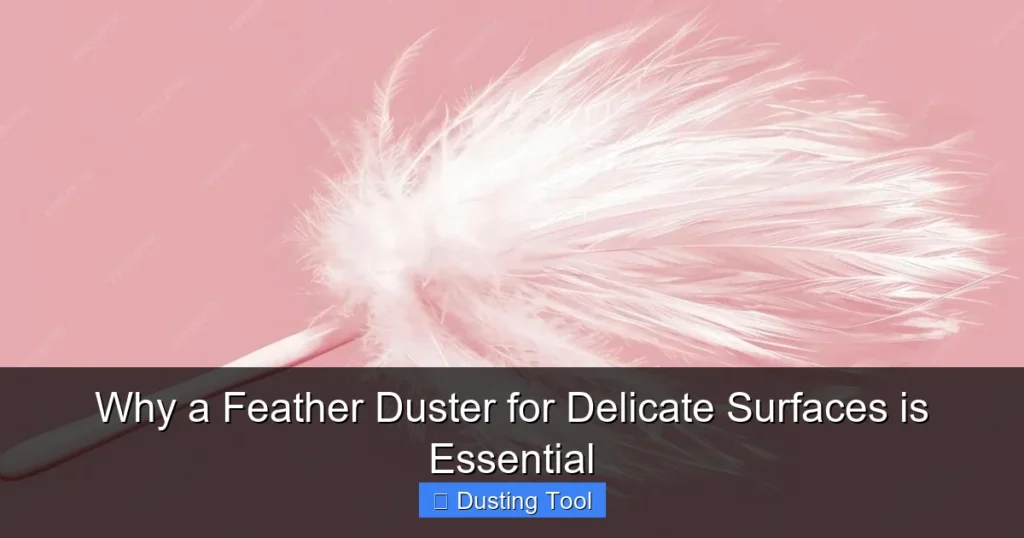
A feather duster for delicate surfaces is an essential, gentle tool designed to lift dust without scratching or causing static damage. This guide explains how to select the right one, master the proper dusting technique, and care for your duster to protect your most precious items. You’ll learn why it’s superior to synthetic cloths and how it preserves the integrity of sensitive materials.
Key Takeaways
- Superior Gentle Cleaning: The ultra-soft, flexible feathers lift and trap dust particles without the abrasive pressure or static cling that can damage sensitive finishes and electronics.
- Ostrich is the Gold Standard: Ostrich feather dusters are widely considered the best for delicate work due to their fine, wispy tips and exceptional dust-trapping barbs.
- Technique is Everything: Proper use involves light, sweeping strokes that let the feathers do the work, never scrubbing or applying pressure to the surface.
- Ideal for High-Risk Items: This tool is essential for dusting picture frames, lampshades, collectibles, wooden blinds, books, and the exterior of electronic screens safely.
- Easy Maintenance Extends Life: Regular shaking and occasional gentle washing keep your duster effective and hygienic for years.
- Not a Deep Cleaner: A feather duster is for light, daily or weekly maintenance; it does not replace damp-cloth cleaning for sticky or grimy surfaces.
Why a Feather Duster for Delicate Surfaces is Essential
Let’s talk about dust. It’s the silent enemy of a beautiful home. It settles on everything. But when it settles on your grandmother’s vase, your expensive stereo speaker, or the detailed carving on a picture frame, cleaning it becomes scary. A rough cloth can scratch. A synthetic duster can zap your electronics with static. This is where a specialized feather duster for delicate surfaces becomes not just handy, but essential. It’s the gentle giant of the cleaning world. This guide will show you why you need one, how to pick the perfect one, and the right way to use it to keep your precious items pristine.
What Makes a Delicate Surface Delicate?
Before we dive into the tool, let’s define the problem. A delicate surface is any finish or material that can be easily marked, scratched, or damaged by standard cleaning methods.
Visual guide about Why a Feather Duster for Delicate Surfaces is Essential
Image source: img.freepik.com
- Antiques & Heirlooms: Old wood, fragile gilt, and aged lacquers.
- Electronics: TV and monitor screens, speaker fabrics, and glossy casings.
- Decorative Items: Porcelain figurines, crystal, intricate lamp bases, and framed art.
- Natural Materials: Woven lampshades, untreated wood, and certain stones.
- Dust-Prone Details: Blinds, bookshelves, and decorative molding.
Using the wrong tool on these items doesn’t just move dust around. It can cause micro-scratches, create static that attracts more dust, or even lead to costly damage.
The Anatomy of the Perfect Feather Duster
Not all feather dusters are created equal. The one you use on a ceiling fan isn’t right for your collectibles. Here’s what to look for in a true delicate surface duster.

Visual guide about Why a Feather Duster for Delicate Surfaces is Essential
Image source: img.freepik.com
1. Feather Type: Ostrich Reigns Supreme
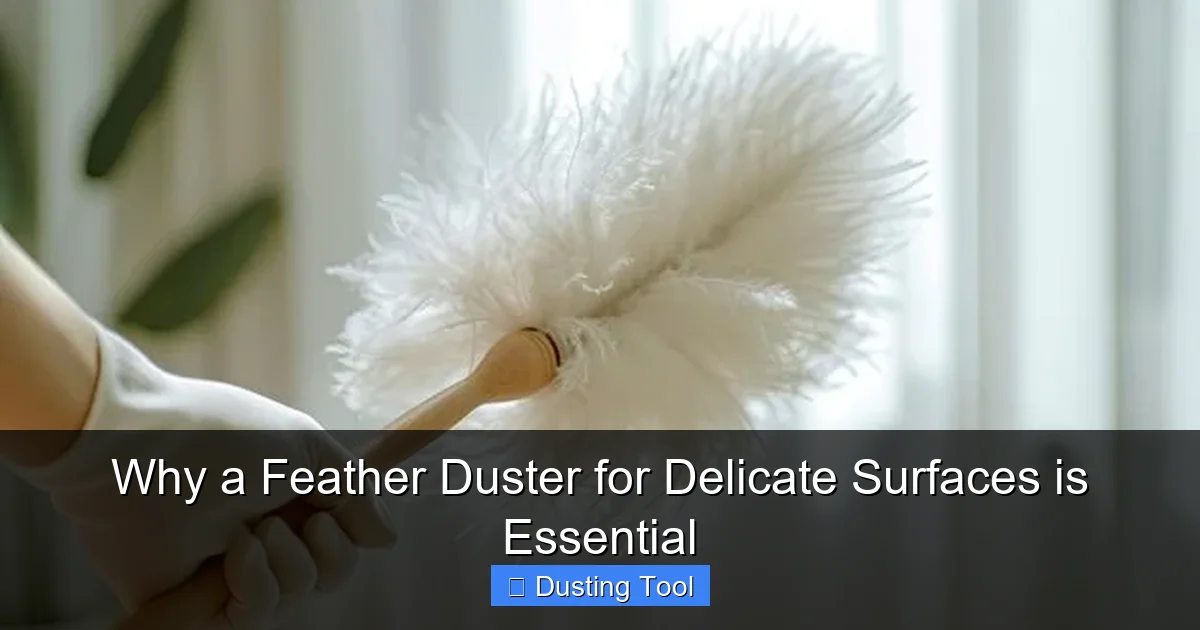
The best feather duster for delicate surfaces is typically made from ostrich feathers. Why? Ostrich feathers have thousands of fine, wispy filaments (called barbs) that branch off the main stem. These barbs create a massive surface area that gently traps and holds dust like a magnet. They are incredibly soft and flexible, bending around curves and into crevices without force.
2. Handle Length and Grip
A longer handle (around 24-36 inches) is versatile. It lets you reach high shelves or the back of a cabinet without climbing. Look for a comfortable, non-slip grip. A wooden or ergonomically shaped handle provides better control for the gentle touch you need.
3. Construction Quality
The feathers should be securely and densely packed into a sturdy base. Give it a gentle shake in the store. If a cloud of feathers or fluff comes loose, it’s poor quality. The connection between the handle and feather head should feel solid.
How to Use Your Feather Duster: A Step-by-Step Guide
Using a feather duster is an art of lightness. Forget elbow grease. Think ballet.
Visual guide about Why a Feather Duster for Delicate Surfaces is Essential
Image source: img.freepik.com
Step 1: Prepare Your Space and Duster
Start by giving your duster a few firm flicks or shakes outside or over a trash can. This removes any loose debris or dust from previous uses. Ensure the area you’re about to dust is free of large objects that could get knocked over.
Step 2: Master the Stroke
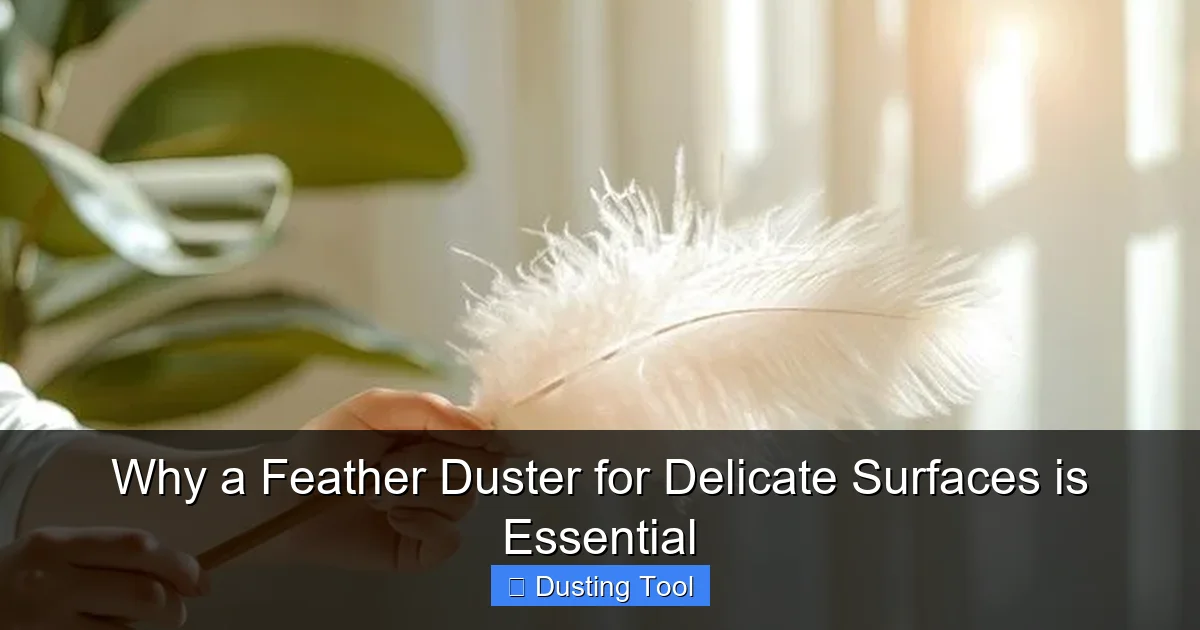
Hold the handle like a pen, not a hammer. Your grip should be light. Use your wrist to guide long, flowing, and feather-light strokes across the surface. Let the very tips of the feathers kiss the item. You are lifting dust, not pushing it. Always dust in one direction where possible, pulling the dust off the item and into the air to be captured by the duster.
Step 3: Work Top to Bottom, Back to Front
Always start dusting from the highest point in the room (like the top of a shelf) and work your way down. On an individual item, dust from the back or top downwards. This ensures any dislodged dust falls onto an area you haven’t cleaned yet, or onto the floor to be vacuumed later.
Step 4: Utilize the Feather Tips for Details
For intricate carvings, between slats of blinds, or around knick-knacks, use the very ends of the feathers. You can gently twirl the duster or use a dabbing motion to coax dust out of tight spots. The flexibility of the feathers is your best tool here.
Step 5: Shake it Out Frequently
After dusting a few items, take your duster to a trash can or outside and give it a good shake. This releases the trapped dust from the feathers and refreshes its cleaning power. A clogged duster just redeposits dirt.
Special Tips for Specific Delicate Surfaces
For Electronics and Screens
Always ensure the device is powered off and unplugged if possible. Use extra-light, sweeping strokes. The feather duster is perfect for removing the dry, loose dust from screens, vents, and casings without the risk of static damage from synthetic materials. Never use it on a sticky or greasy screen.
For Books and Bookshelves
Dust the top of the book spines by sweeping the duster horizontally across them. To dust the pages of a book you can’t remove, gently fan the pages and use the very tips of the feathers to brush the edges.
For Framed Art and Pictures
Pay special attention to the lip of the frame and the glass/plexiglass. Use light strokes away from the center of the picture to direct dust to the outer edges. Be careful around old, flaking gilt or fragile frame corners.
For Lampshades (Fabric & Paper)
For delicate fabric or paper shades, a feather duster is ideal. Use a very light touch, starting at the top seam and swirling downward. Hold the shade by its wire frame from the inside for stability as you dust.
Troubleshooting Common Issues
Even with the right tool, you might hit a snag. Here’s how to solve common problems.
Problem: The Duster is Just Moving Dust Around
Solution: You are likely pressing too hard or not shaking the duster out often enough. Remember, light strokes and frequent shakes. Also, ensure you’re not trying to dust a surface that is too dirty or has sticky residue—this requires a different cleaning method first.
Problem: Feathers are Shedding Excessively
Solution: Some initial shedding is normal with a new duster. Excessive shedding indicates low quality. For a good duster that starts shedding later, you can carefully trim any broken feather stems with sharp scissors. Avoid pulling on loose feathers.
Problem: It Doesn’t Reach or Fit Into Tight Spaces
Solution: Consider adding a smaller, hand-held feather duster or a detailing brush to your toolkit. A large duster is for broad, accessible surfaces. For extreme detail, a soft makeup brush can be an excellent supplement.
Cleaning and Caring for Your Feather Duster
To keep your feather duster for delicate surfaces working effectively, it needs occasional cleaning.
- Monthly Maintenance: Fill a sink with lukewarm water and a small amount of mild dish soap or a dedicated feather cleaner.
- Gentle Wash: Swirl the feather head gently in the soapy water. Do not twist, wring, or scrub. Rinse thoroughly under cool, running water until it runs clear.
- Proper Drying: Shake off excess water. Use a clip to hang it upside down by the handle in a well-ventilated area, away from direct heat. Let it dry completely for 24-48 hours. This preserves the feather shape.
Conclusion: The Essential Touch of Gentleness
A feather duster for delicate surfaces is more than a cleaning tool. It’s an instrument of preservation. It respects the history of an antique, the precision of your electronics, and the beauty of your decor. By choosing a high-quality ostrich feather duster, mastering the light touch, and caring for it properly, you invest in the long-term beauty and integrity of your home’s most sensitive items. Ditch the harsh cloths and static-inducing synthetics. Embrace the gentle, effective, and essential power of the feather.
🎥 Related Video: 🪶 Microfiber Feather Duster: Extend, Bend & Clean! 🏠 #Shorts
📺 NavigateGadget
Clickable link is available in the suggested video! Amazon Link : https://amzn.to/4jr7Vmp Amazon India Link …