
This guide teaches you how to effectively clean window blinds using the best duster tools. Discover step-by-step methods for dusting, deep cleaning, and maintaining your blinds. Save time and effort with our proven tips and recommendations for a sparkling home.
Key Takeaways
- Choose the Right Duster: Select a duster with extendable handles and microfiber pads for reaching all blind slats easily.
- Regular Dusting is Key: Frequent light dusting prevents buildup and makes deep cleaning less necessary.
- Use Proper Technique: Dust from top to bottom in one direction to avoid spreading dust around.
- Consider Blind Material: Adjust your cleaning method based on whether blinds are wood, vinyl, or fabric.
- Invest in Quality Tools: A good duster can last years and improve cleaning efficiency.
- Safety First: Ensure stability when using ladders or extendable dusters to prevent accidents.
- Maintain Your Duster: Clean your duster regularly to keep it effective and hygienic.
Introduction to Cleaning Window Blinds with a Duster
Window blinds are a common feature in homes. They offer privacy and light control. But they also attract dust. Cleaning them can feel like a chore. That is where a duster for window blinds comes in. With the right duster, this task becomes simple. In this guide, you will learn all about using a duster for window blinds. We will cover how to pick the best duster. We will walk through step-by-step cleaning methods. And we will share practical tips. By the end, you will know how to keep your blinds spotless. Let us get started.
Why Use a Duster for Window Blinds?
Dusting window blinds with a duster is smart. It is efficient and effective. A good duster for window blinds traps dust. It does not just push it around. This means less dust in your air. That is better for allergies. Regular dusting with a duster for window blinds also saves time. You can do it quickly. No need for heavy cleaning often. Plus, it extends the life of your blinds. Dust can damage materials over time. So, using a duster for window blinds protects your investment. It is a simple habit for a healthier home.

Visual guide about Discover the Best Duster for Window Blinds Cleaning Tips
Image source: images.nexusapp.co
Types of Dusters for Window Blinds
There are many dusters for window blinds on the market. Each type has its pros. Knowing them helps you choose. Here are the main types of duster for window blinds tools.
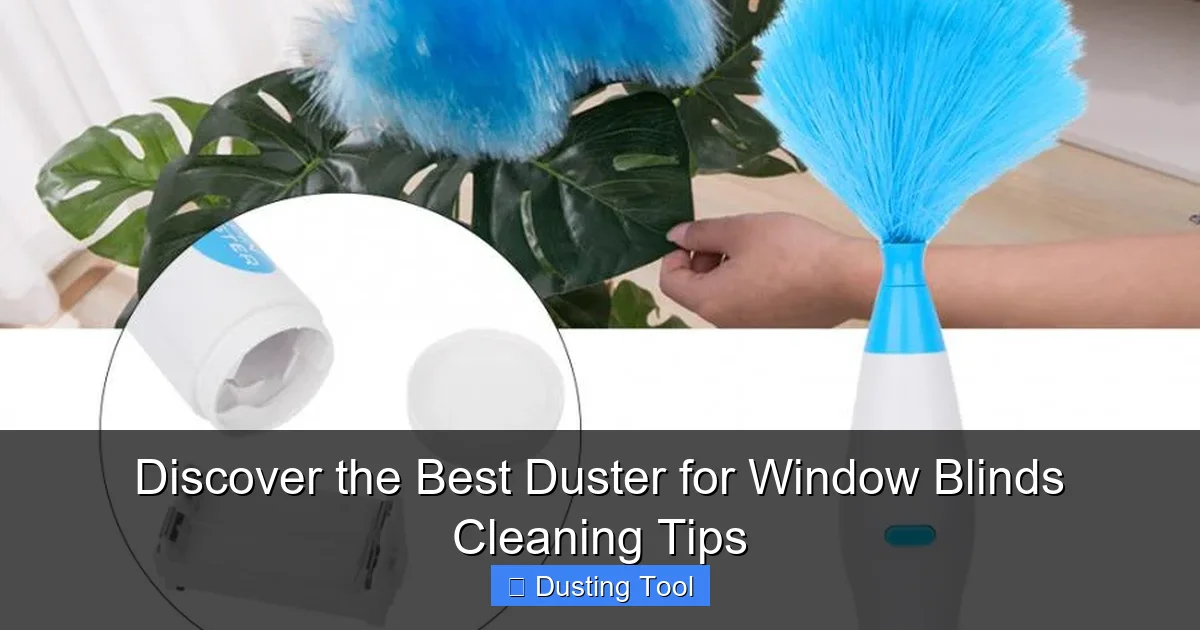
Visual guide about Discover the Best Duster for Window Blinds Cleaning Tips
Image source: images.nexusapp.co
Microfiber Dusters
Microfiber dusters are a top choice. They have tiny fibers that grab dust. These dusters for window blinds are soft. They work on all blind types. You can wash them and reuse them. They are affordable and durable. A microfiber duster for window blinds is great for daily use.
Lamb’s Wool Dusters
Lamb’s wool dusters are classic. They use natural static to attract dust. They are fluffy and gentle. They work well on delicate blinds like wood. But they can shed fibers. So, they might not last as long. Still, a lamb’s wool duster for window blinds is good for light dusting.
Extendable Dusters
Extendable dusters have long poles. They let you reach high blinds without a ladder. These dusters for window blinds often have angled heads. That helps clean between slats. They are perfect for tall windows. An extendable duster for window blinds is a must for multi-story homes.
Electrostatic Dusters
Electrostatic dusters use static charge. They cling to dust like a magnet. They come in various shapes. Some have flexible heads for blind slats. These dusters for window blinds are very effective. They pick up fine dust particles. They are often disposable but can be reused a few times.
Vacuum Attachments
Some vacuums have blind cleaning tools. These are attachments with soft brushes. They suck up dust as you brush. They are powerful but can be noisy. Use them gently to avoid bending slats. A vacuum attachment can be a duster for window blinds in a pinch. But for regular use, a hand duster is easier.
How to Choose the Best Duster for Your Blinds
Picking the right duster for window blinds matters. It makes cleaning faster and better. Think about your blinds. What material are they? Wood blinds need a soft duster. Vinyl or aluminum blinds can handle firmer dusters. Also, consider your windows. Are they high up? Then an extendable duster for window blinds is key. How often do you dust? For weekly dusting, a microfiber duster works well. For monthly deep cleans, a combo tool might help. Look for dusters with washable heads. They stay hygienic. Read reviews to find quality dusters. Investing in a good duster for window blinds pays off. It makes maintenance a breeze.

Visual guide about Discover the Best Duster for Window Blinds Cleaning Tips
Image source: thumbs.dreamstime.com
Step-by-Step Guide to Cleaning Window Blinds with a Duster
Now, let us dive into the cleaning process. Follow these steps for the best results. You will need your duster for window blinds and maybe a cloth. Always start with dry dusting. Then move to damp wiping if needed.
Preparation and Safety
First, get your tools ready. Grab your duster for window blinds. Have a step ladder if your windows are high. Wear gloves if you have allergies. Clear the area below the blinds. You do not want dust on furniture. Close the blinds fully. This exposes all slats. For horizontal blinds, tilt them down. For vertical blinds, close them tight. Safety tip: always secure your ladder. Do not overreach. Take your time.
Dusting Horizontal Blinds
Horizontal blinds are common. They have many slats. Start at the top slat. Use your duster for window blinds. Wipe along the slat from left to right. Do both the top and bottom of the slat. Then move to the next slat down. Always go top to bottom. This stops dust from falling on clean slats. Use a gentle touch. Do not press hard. For the cords and ladder strings, use a smaller duster head. A good duster for window blinds will have a slim design. It gets into tight spaces. Repeat until all slats are dusted.
Dusting Vertical Blinds
Vertical blinds have vanes that hang down. They can be trickier. Start from one end. Use your duster for window blinds with a long handle. Hold each vane steady. Dust from the top to the bottom. Do both sides of the vane. You may need to rotate them. Work your way across all vanes. For best results, use a duster with a flexible head. It bends to fit the vane shape. Take care not to tangle the vanes. A steady hand helps.
Deep Cleaning Tips
Sometimes dusting is not enough. Grease or stains may need more. After dry dusting with your duster for window blinds, use a damp cloth. Mix water with a bit of mild soap. Wipe each slat or vane. Rinse with a clean cloth. Dry immediately to prevent water spots. For wood blinds, avoid excess water. Use a barely damp cloth. For fabric blinds, spot clean only. Always test on a hidden area first. A duster for window blinds is for maintenance. Deep cleaning is for occasional needs.
Practical Tips and Examples
Here are extra tips to master blind cleaning. Dust your blinds weekly. This keeps dust levels low. Use a duster for window blinds with a removable head. Wash it every few uses. For example, if you have kids, dust more often. Pet hair? Use a duster with sticky surfaces. Another tip: dust on a sunny day. Light shows dust clearly. Always store your duster in a dry place. Hang it up to keep its shape. Share these tips with family. Make dusting a team effort. With the right duster for window blinds, it is easy.
Troubleshooting Common Issues
What if things go wrong? Do not worry. Here are fixes. If your duster for window blinds is not picking up dust, it might be dirty. Wash it or replace it. If dust keeps falling, try a slightly damp duster. But wring it out well. For sticky blinds, use a vinegar solution. Mix equal parts water and vinegar. Wipe gently. Then dry with a cloth. If your duster smells, wash with baking soda. Let it air dry completely. For broken slats, repair them first. Then dust as usual. A good duster for window blinds should make cleaning smooth. If not, adjust your technique.
Conclusion
Cleaning window blinds with a duster is simple. With the right duster for window blinds, you can keep your home fresh. Remember to choose a duster that fits your needs. Dust regularly with proper steps. Use our tips for best results. Your blinds will look great and last longer. A clean home starts with small habits. So, grab your duster for window blinds today. Happy cleaning!
🎥 Related Video: 3 Tips And Hacks For Cleaning Your Window Blinds To Make Life Easier
📺 Home Reimagined
3 blind cleaning tips & tricks that will make life easier! ✨ Instead of flinging dust around and smacking the window with the duster …
