

Cleaning light fixtures is essential for both home safety and aesthetic appeal, but it can be a tricky, messy chore. This ultimate guide walks you through everything from selecting the right specialized duster—be it extendable, electrostatic, or microfiber—to executing a safe, step-by-step cleaning process. You’ll learn pro tips to prevent dust clouds, protect delicate finishes, and maintain crystal-clear brightness in every room.
Key Takeaways
- Tool Choice is Critical: The best duster for light fixtures is often an extendable, telescoping model with a pivoting head and electrostatic or microfiber material to capture dust, not redistribute it.
- Safety First, Always: Always turn off the power and let bulbs cool completely before cleaning to prevent electrical shock or burns.
- Technique Prevents Mess: Work from the top of the fixture down and use a gentle, wiping motion to avoid creating a dust storm that simply settles back onto your floors.
- Different Fixtures Need Different Care: Delicate materials like glass crystals require a soft touch, while fabric shades often need vacuum attachment instead of a duster.
- Regular Maintenance is Easier: Dusting light fixtures every 1-2 months prevents heavy buildup, making each cleaning session faster and more effective.
- The Right Head Matters: A duster with a flexible, angled head can navigate complex chandelier arms and recessed lighting cans far more effectively than a straight one.
Ultimate Guide to Finding the Best Duster for Light Fixtures
Let’s be honest. Cleaning light fixtures is a chore most of us put off. You look up, see the layer of dust dulling your beautiful chandelier or ceiling fan, and think, “I’ll get to it later.” Why? Because it seems like a hassle. You need a ladder, you worry about breaking something, and you know it’s going to rain dust bunnies down on your freshly cleaned surfaces.
But it doesn’t have to be that way. With the right duster for light fixtures and a solid technique, you can restore sparkle and safety to your lighting in minutes. This guide will be your roadmap. We’ll explore the different types of dusters, break down the selection process into simple steps, and give you a foolproof cleaning method. Say goodbye to guesswork and hello to brighter, cleaner lights.
Why You Need a Specialized Duster for Light Fixtures
You might wonder if you can just use a regular rag or a feather duster. For a quick swipe on a table lamp, sure. But for overhead fixtures, a specialized tool is a game-changer. A good duster for light fixtures is designed to capture and hold dust, not just flick it into the air. It has the reach to get to high places safely and the flexibility to bend around delicate arms and crystals. Using the wrong tool can lead to a bigger mess, damaged fixtures, or even a trip to the hardware store for a new bulb.
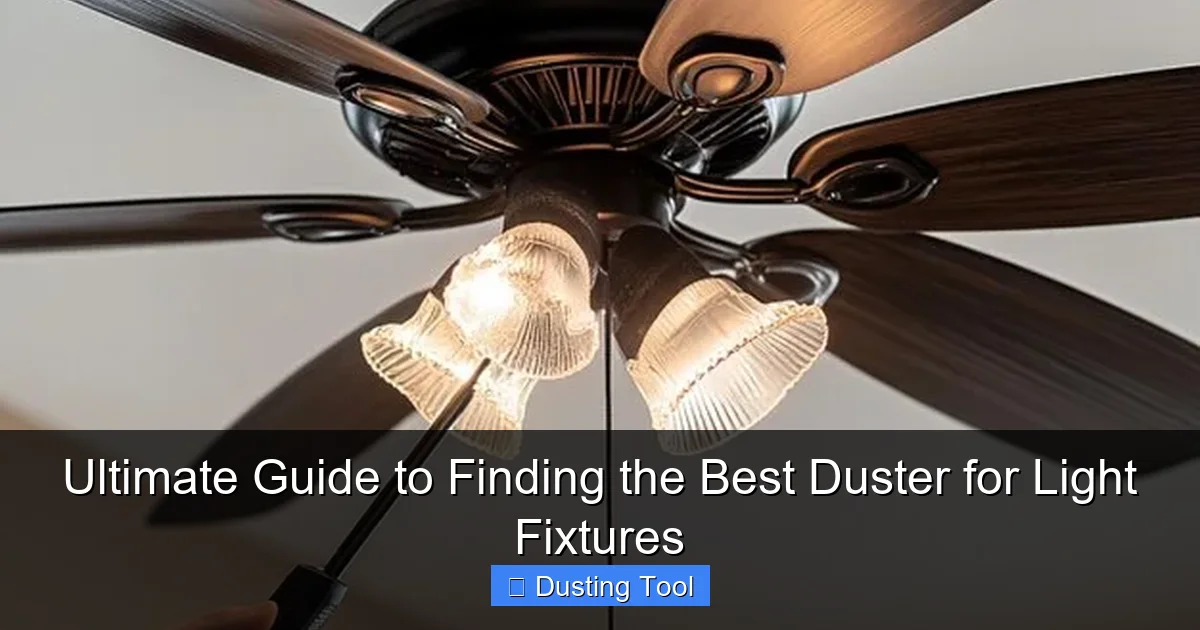
Visual guide about Ultimate Guide to Finding the Best Duster for Light Fixtures
Image source: img.freepik.com
Step 1: Understanding Your Light Fixture Types
Before you buy any duster, look up! Identify what you’re cleaning. The best tool depends on the fixture.

Visual guide about Ultimate Guide to Finding the Best Duster for Light Fixtures
Image source: deedeedoes.com
Chandeliers & Pendant Lights
These often have multiple arms, crystals, or glass shades. They need a duster that is gentle, flexible, and can navigate tight spaces. Dust clings to every surface.
Ceiling Fans
Fan blades collect thick dust layers. You need a duster with a wide head or one that can grip the blade to remove the dirt efficiently from both the top and bottom surfaces.
Recessed Can Lights & Track Lighting
The challenge here is depth and angle. You need a long, slender duster that can reach into the can housing and wipe the trim and bulb without disassembling anything.
Flush Mount & Semi-Flush Mount Ceiling Lights
These are closer to the ceiling. A duster with a soft, broad head is perfect for covering the large surface area of the glass or acrylic dome without scratching it.
Glass Globe & Bowl Fixtures
Often used in kitchens and bathrooms, these can get grimy. A duster that can wrap around the curved interior is key before you take it down for a rare deep wash.
Step 2: Choosing the Best Duster for the Job
Now that you know your enemy (the dusty fixture), let’s arm you with the right weapon. Here are the main types of dusters for light fixtures and their best uses.

Visual guide about Ultimate Guide to Finding the Best Duster for Light Fixtures
Image source: whatyourbossthinks.com
Extendable Telescoping Dusters
This is the MVP for most homes. These poles extend from 2 to over 12 feet, eliminating the need for a ladder for standard ceilings. Look for these features:
- Pivoting Head: A head that locks at multiple angles is essential for cleaning fan blades or the underside of a chandelier.
- Soft, Electrostatic Material: The best heads use electrostatic fibers that attract and trap dust like a magnet. Microfiber is also excellent for capture.
- Lightweight but Sturdy: The pole shouldn’t wobble when fully extended.
Best for: Almost everything—ceiling fans, chandeliers, recessed lights, and flush mounts.
Microfiber Wands and Mitts
These are essentially soft cloths on a stick or a glove-like format. They are fantastic for wiping down flat surfaces and smooth globes. They can be washed and reused hundreds of times.
Best for: Glass dome fixtures, flat fan blades, and simple pendant lights.
Lamb’s Wool & Feather Dusters
The classic choice. Natural lamb’s wool generates static to grab dust. They are very gentle but can shed fibers. They are less effective for caked-on grime.
Best for: Delicate, dry dust on crystal chandeliers and other fragile decorative elements.
Disposable Static-Cling Dusters
These have a handle and a disposable, fluffy head charged with static. You use it and toss it. They are incredibly effective at grabbing dust but create waste.
Best for: One-time deep cleans of extremely dusty fixtures or for those who want zero cleanup of the duster itself.
Vacuum Cleaner Attachments
Don’t overlook your vacuum! The soft brush attachment is perfect for fabric lamp shades or for sucking up dust dislodged from a fixture directly into the vacuum canister.
Best for: Fabric shades, removing heavy dust layers from fan blades (hold the duster near the vacuum nozzle), and final cleanup.
Step 3: The Safe & Effective Cleaning Process
You have your perfect duster for light fixtures. Now, let’s clean safely and effectively.
Preparation is Key
First, turn off the light switch and the circuit breaker for absolute safety. Let the bulbs cool completely if they were recently on. Clear the area below the fixture—move furniture or cover it with a sheet. Have a step ladder ready if needed for close work, but use your extendable duster first to minimize ladder use.
The Dusting Technique: Top to Bottom
This is the golden rule. Always start at the highest point of the fixture and work your way down. This way, any dislodged dust falls onto areas you haven’t cleaned yet. Use gentle, wiping or rolling motions. Don’t just flick the duster. For a chandelier, carefully dust each arm and crystal individually. For a fan, clean the top of the blades first, then the bottoms.
Dealing with Stubborn Grime
If dust has turned to a sticky film (common in kitchens), your duster might not be enough. For glass or metal parts, you may need to take the fixture down. Spray a mild cleaner (like vinegar and water) onto a microfiber cloth, not directly onto the fixture, and wipe carefully. Ensure everything is bone dry before reinstalling and restoring power.
Step 4: Pro Tips and Troubleshooting
Let’s solve common problems and add some expert flair to your cleaning.
Preventing the Dust Storm
To stop dust from falling everywhere, try this: lightly mist your duster head with water or a dusting spray. This slightly dampens the fibers, helping them grip dust particles instantly. For a homemade solution, a few drops of fabric softener in water works wonders.
Cleaning Delicate Crystals and Glass
Use the softest duster you have—a clean, dry lamb’s wool duster is ideal. Support each crystal or drop with your other hand as you dust to prevent swinging and potential damage.
What If My Fixture is Too High?
This is where a high-quality extendable duster is non-negotiable. Measure your ceiling height and ensure the duster you buy extends past it. A stable, non-wobbling pole is crucial for control when you can’t see the head up close.
How Often Should I Dust?
For general maintenance, aim for every 1-2 months. In dusty environments or rooms like the kitchen, you might need to do it monthly. Regular light dusting prevents heavy buildup that requires more intensive cleaning.
Conclusion: Light Up Your Space with Confidence
Finding and using the best duster for light fixtures transforms a dreaded task into a quick, satisfying win. It’s not just about cleanliness; it’s about safety, efficiency, and preserving the beauty of your home’s lighting. Remember to match the tool to your specific fixture, prioritize safety by cutting the power, and use a top-down technique. With the right duster in hand—likely a versatile, extendable model with a soft, electrostatic head—you can banish dust from even the most intricate chandelier or the highest ceiling fan. So, look up, grab your duster, and let your lights shine at their absolute brightest.
🎥 Related Video: A Duster That's On My Cleaning Favorites List #cleaningtips #dusting
📺 Angela Brown Cleaning
Angela Brown reveals one of her cleaning favorites in this quick video! It’s a versatile microfiber duster that’s become her go-to tool …