
Dusting ceiling fan blades is crucial for maintaining air quality and fan efficiency. This guide will help you discover the perfect duster for ceiling fan blades and master simple, effective techniques for a quick and thorough clean.
Key Takeaways
- Tool Selection is Key: The right duster for ceiling fan blades, like an extendable microfiber option, makes cleaning safe and efficient.
- Safety Always Comes First: Always turn off and cool the fan before dusting to prevent accidents and dust dispersion.
- Proper Technique Prevents Mess: Use a top-down wiping motion and contain dust with a pillowcase or damp cloth to avoid fallout.
- Regular Cleaning Maintains Performance: Dust fan blades every 1-2 weeks to improve air quality and extend the fan’s lifespan.
- Duster Maintenance Matters: Clean your duster regularly according to its material (e.g., washing microfiber) to ensure effectiveness.
- Adapt to Your Environment: Choose a duster based on ceiling height, blade material, and allergy concerns for optimal results.
- Troubleshooting Solves Issues: For stubborn dust, lightly dampen your duster or use a vinegar solution for grease buildup.
Discover the Perfect Duster for Ceiling Fan Blades Today
Hello there! Are you tired of seeing dust bunnies swirling on your ceiling fan blades? You are not alone. Dust on fans can affect your air quality and fan performance. But do not worry. This guide will show you how to find and use the best duster for ceiling fan blades. You will learn simple steps, handy tips, and smart choices. Let us make dusting easy and effective.
Why Dusting Ceiling Fan Blades Matters
Ceiling fans gather dust quickly. When the fan runs, that dust can fly into your room. This can trigger allergies and spread germs. Dust also makes the fan work harder. It can reduce airflow and increase energy use. Regular dusting keeps your air clean and your fan in good shape. Using a proper duster for ceiling fan blades is the first step to a healthier home.
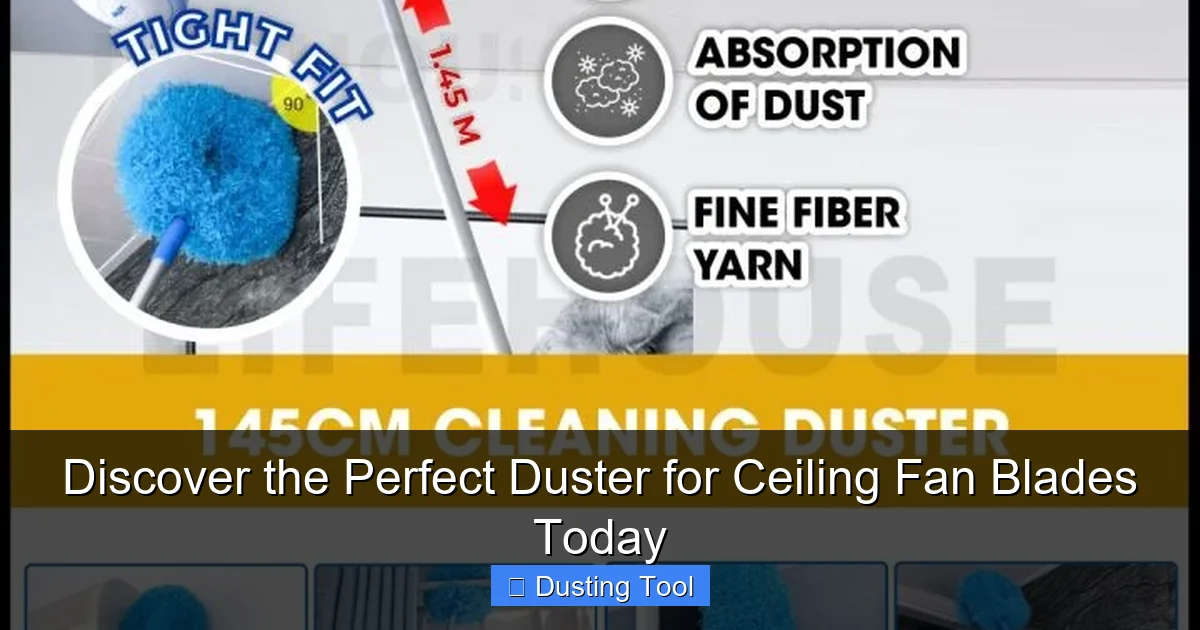
Visual guide about Discover the Perfect Duster for Ceiling Fan Blades Today
Image source: img.lazcdn.com
Types of Dusters for Ceiling Fan Blades
Not all dusters are the same. Picking the right one saves time and effort. Here are common types:

Visual guide about Discover the Perfect Duster for Ceiling Fan Blades Today
Image source: telescoping-pole.com
- Extendable Dusting Wands: These have long handles. They are great for high ceilings. Look for ones with angled heads. They reach blade tops easily.
- Microfiber Dusters: These have soft, fluffy heads. They attract and hold dust well. They are gentle on fan blades. Many are machine washable.
- Lambswool Dusters: These are natural and very effective. They grab dust without scratching. They are often used for delicate surfaces.
- Disposable Dusting Cloths: These are pre-moistened or dry sheets. They are handy for quick cleans. But they may not be eco-friendly.
- Vacuum Attachments: Some vacuums have brush tools. They suck dust away as you clean. This is good for allergy sufferers.
Each type has pros and cons. Your choice depends on your needs. A good duster for ceiling fan blades should be long, soft, and dust-trapping.
How to Choose the Perfect Duster
Selecting the best duster for ceiling fan blades involves a few factors. Think about these points:

Visual guide about Discover the Perfect Duster for Ceiling Fan Blades Today
Image source: telescoping-pole.com
- Ceiling Height: For high ceilings, an extendable duster is a must. It keeps you safe on the ground.
- Blade Material: Wood or plastic blades need a soft duster. Avoid abrasive materials that can scratch.
- Allergy Concerns: If you have allergies, choose a duster that traps dust. Microfiber or vacuum tools are ideal.
- Ease of Cleaning: Washable dusters like microfiber save money. They are reusable and effective.
- Storage Space: Foldable or compact dusters are good for small homes. They tuck away neatly.
Read product reviews before buying. A reliable duster for ceiling fan blades makes cleaning a breeze.
Step-by-Step Guide to Dusting Ceiling Fan Blades
Now, let us dive into the cleaning process. Follow these simple steps for best results.
Step 1: Prepare Your Space and Tools
First, gather your supplies. You will need your chosen duster for ceiling fan blades. Also, have a ladder if needed. A pillowcase or damp cloth can help contain dust. Do not forget safety glasses and a mask if you are allergic.
Turn off the fan at the switch. Let it cool down completely. This prevents accidents. Cover furniture below with a sheet. This catches falling dust.
Step 2: Dust the Blades Thoroughly
Start with the top of the blades. Dust accumulates there most. Use your duster in a smooth, wiping motion. Go from the inner edge to the outer edge. This pushes dust toward you. Be gentle to avoid bending blades.
If using an extendable duster, adjust the length. Hold it firmly. Slide it along each blade. For stubborn dust, lightly dampen the duster head. But avoid wetting electric parts.
Work on one blade at a time. Move around the fan systematically. This ensures no spot is missed.
Step 3: Clean the Duster and Finish Up
After dusting, check your duster. If it is reusable, clean it as per instructions. For microfiber, shake it outside. Then wash it in warm water. Let it air dry.
Remove the sheet from furniture. Vacuum or wipe any fallen dust. Turn the fan back on only when everything is dry.
Practical Tips for Effective Dusting
Here are some extra tips to enhance your dusting:
- Dust Regularly: Aim to dust fan blades every 1-2 weeks. This prevents heavy buildup.
- Use a Pillowcase Trick: Slide a pillowcase over each blade. Then wipe. The case traps dust inside.
- Go Top-Down: Always dust from the top down in a room. Start with ceiling fans, then furniture, then floors.
- Label Your Duster: Keep a dedicated duster for ceiling fan blades. This avoids cross-contamination.
- Check for Balance: After dusting, ensure the fan is balanced. Uneven dust can cause wobbling.
These tips make using a duster for ceiling fan blades more efficient. You will save time and effort.
Troubleshooting Common Issues
Sometimes, dusting can be tricky. Here are solutions to common problems:
- Stubborn Dust: If dust is caked on, use a slightly damp microfiber cloth. Wipe gently. Avoid water dripping.
- Grease Buildup: In kitchens, dust mixes with grease. Use a vinegar-water solution on your duster. Test on a small area first.
- High Ceilings: If your duster does not reach, consider a telescopic model. Or use a secure ladder with someone spotting you.
- Dust Falling Everywhere: Contain dust with a damp cloth wrapped around the blade. Or dust on a windless day to reduce spread.
- Allergic Reactions: Wear a mask and clean the duster after use. Consider a HEPA vacuum attachment for dust removal.
With these fixes, your duster for ceiling fan blades will handle any challenge.
Conclusion: Enjoy a Dust-Free Home
Dusting ceiling fan blades does not have to be a chore. With the right duster for ceiling fan blades and proper technique, it is quick and easy. Remember to choose a duster that fits your needs. Dust regularly to maintain air quality. Follow the steps and tips in this guide. You will have clean fans and a healthier home. Happy dusting!
🎥 Related Video: How To Clean a Ceiling Fan
📺 Lowe’s Home Improvement
It’s important to keep your ceiling fan clean and dust free. Learn how to clean a ceiling fan to ensure that your fan continues to …
