
Using standard floor cleaner can kill adult fleas on contact through suffocation or chemical disruption, but it is not a complete solution. Most household cleaners do not eliminate flea eggs, larvae, or pupae, allowing the infestation to rebound. This guide explains how to use floor cleaner as part of a broader, safer integrated pest management plan.
Key Takeaways
- Floor cleaner can kill adult fleas, but not all life stages: Most cleaners work by drowning or dissolving the waxy coating on adult fleas, but they are ineffective against resilient eggs, larvae, and pupae.
- It is not a standalone solution for an infestation: Relying solely on mopping will not break the flea life cycle. It must be combined with vacuuming, pet treatments, and sometimes insecticides.
- Certain ingredients are more effective than others: Cleaners with surfactants (soaps) and solvents (pine oil, citrus) are better at disrupting fleas than plain water or vinegar solutions.
- Safety for pets and family is paramount: You must rinse floors thoroughly, choose pet-safe products, and keep animals away until surfaces are completely dry to avoid chemical exposure.
- Proper technique maximizes effectiveness: The key is to let the cleaning solution sit on the floor for 10-15 minutes to drown fleas before mopping it up, and to clean in conjunction with vigorous vacuuming.
- Natural does not always mean safe or effective: While DIY solutions like vinegar or essential oils are popular, their flea-killing power is limited and they can pose risks to pets if used incorrectly.
Does Floor Cleaner Kill Fleas? Discover the Surprising Facts
You see a flea skitter across your kitchen tile. Your first thought might be to grab the mop and your trusted bottle of floor cleaner. But does that actually work? Can you clean your way out of a flea problem? The answer is more complex than a simple yes or no. This guide will dive deep into the surprising science, the effective methods, and the critical limitations of using floor cleaner against fleas. You will learn not just if it kills them, but how, when, and most importantly, how to do it safely alongside other crucial steps to reclaim your home from these pesky pests.
The Science Behind Floor Cleaner and Fleas
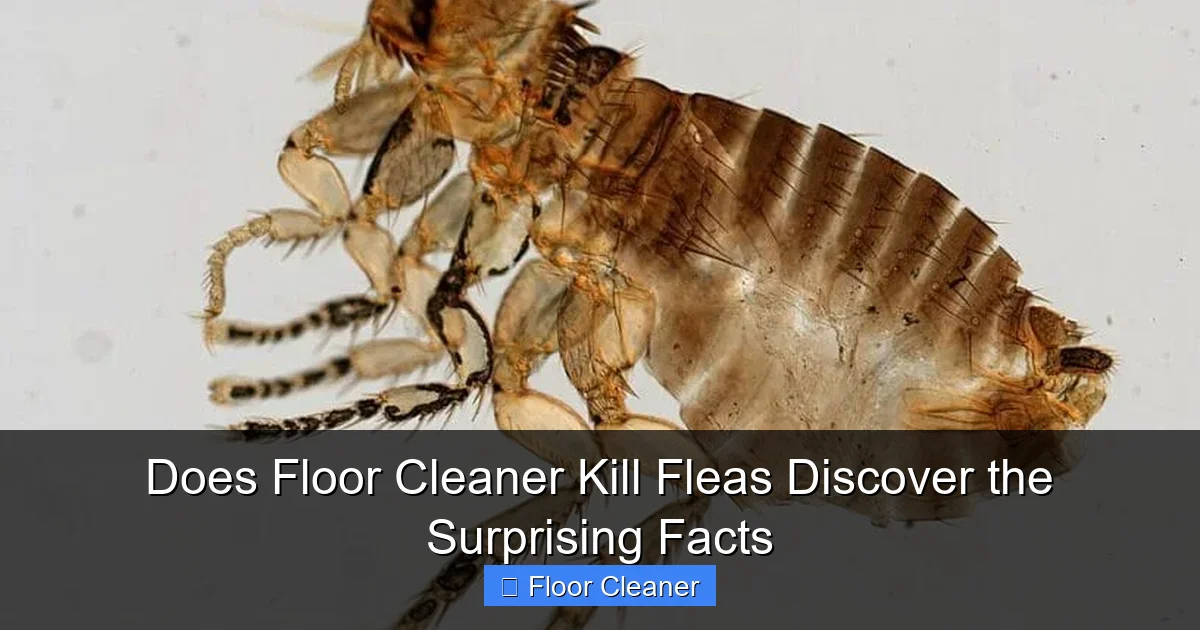
To understand if floor cleaner kills fleas, we need to know how fleas live and how cleaners work. Fleas are hardy insects. Adult fleas live on your pets, but the eggs, larvae, and pupae live in your environment—primarily in carpets, rugs, bedding, and, yes, on your floors.

Visual guide about Does Floor Cleaner Kill Fleas Discover the Surprising Facts
Image source: discoverwalks.com
Most household floor cleaners are not designed as insecticides. They are made to dissolve dirt, grease, and grime. However, their mechanism of action can still be fatal to an adult flea in a few key ways:
1. Suffocation and Drowning
Fleas, like most insects, breathe through tiny openings in their exoskeleton called spiracles. A pool of soapy water or cleaner can block these spiracles, essentially drowning the flea. This is why a flea bath with dish soap works—the same principle applies on your floor.
2. Disruption of the Exoskeleton
Many cleaners contain surfactants (detergents) and solvents. These chemicals can break down the protective waxy layer on a flea’s exoskeleton. This layer is vital for retaining moisture. Once compromised, the flea rapidly dehydrates and dies.
3. Chemical Toxicity
Some floor cleaner ingredients, like certain alcohols, pine oils, or synthetic chemicals, can be directly toxic to insects, disrupting their nervous system or cellular functions on contact.
The crucial limitation: While an adult flea on a wet, soapy floor may die, the other life stages are largely immune. Flea eggs have a hard shell. Larvae might be affected but often hide deep in cracks. Pupae are encased in a nearly indestructible cocoon. Mopping alone leaves this next generation untouched.
Step-by-Step Guide to Using Floor Cleaner Against Fleas
If you decide to use floor cleaner as a tactical weapon in your flea fight, doing it correctly is essential for safety and effectiveness.
Visual guide about Does Floor Cleaner Kill Fleas Discover the Surprising Facts
Image source: discoverwalks.com
Step 1: Choose the Right Cleaner
Not all floor cleaners are created equal. Check the label for key ingredients.
- Best Choices: Soap-based cleaners (dish soap solutions), cleaners with plant-based solvents (citrus, pine oil), and those labeled as “degreasers.” The surfactants in these are effective at breaking down the flea’s exoskeleton.
- Use with Caution: Bleach-based cleaners. While they can kill on contact, fumes are dangerous for pets and humans, and they can damage floors.
- Limited Effectiveness: Plain vinegar/water solutions or basic all-purpose cleaners with weak surfactants. They may clean but are poor flea killers.
- Critical Rule: Always opt for a pet-safe formula if possible, and avoid anything containing phenols (common in some pine-scented cleaners) which are highly toxic to cats.
Step 2: Prepare the Area
Thorough preparation makes your cleaning attack far more potent.
- Vacuum First: This is non-negotiable. Vigorously vacuum all floors, carpets, rugs, and upholstery. This physically removes adult fleas, eggs, larvae, and flea dirt (which is food for larvae). Immediately seal and dispose of the vacuum bag or empty the canister outside.
- Move Furniture: Clear the floor space as much as possible. Fleas and larvae love the dark, protected areas under couches and tables.
- Remove Pets and Children: Keep them out of the area until the process is complete and floors are completely dry to prevent accidental ingestion of chemicals.
Step 3: Mix and Apply the Solution
For hard floors (tile, vinyl, laminate, sealed wood):
- Mix your floor cleaner with hot water in a bucket according to the product’s directions for normal cleaning. Hot water is more effective than cold.
- Using a mop, apply the solution generously to the floor. Do not just do a light damp-mopping. You want to create a thin, consistent layer of soapy water.
- The Pro Tip: After mopping, do not immediately wipe it dry. Let the cleaning solution sit on the floor for 10 to 15 minutes. This dwell time is critical for drowning and killing adult fleas.
Step 4: The Final Rinse and Dry
This step is vital for safety, especially with pets.
- After the solution has sat, go over the floor with a clean mop and fresh water to rinse away the cleaner, dead fleas, and any residue.
- Allow the floor to air dry completely, or dry it with a clean towel. Only when the floor is bone-dry should you allow pets and children back into the room.
Why Floor Cleaner Is Only Part of the Battle
Think of mopping with floor cleaner as a supportive frontline tactic, not the overall war strategy. Here’s why you need a multi-pronged approach.
Visual guide about Does Floor Cleaner Kill Fleas Discover the Surprising Facts
Image source: cleanthefloor.com
The Flea Life Cycle Problem
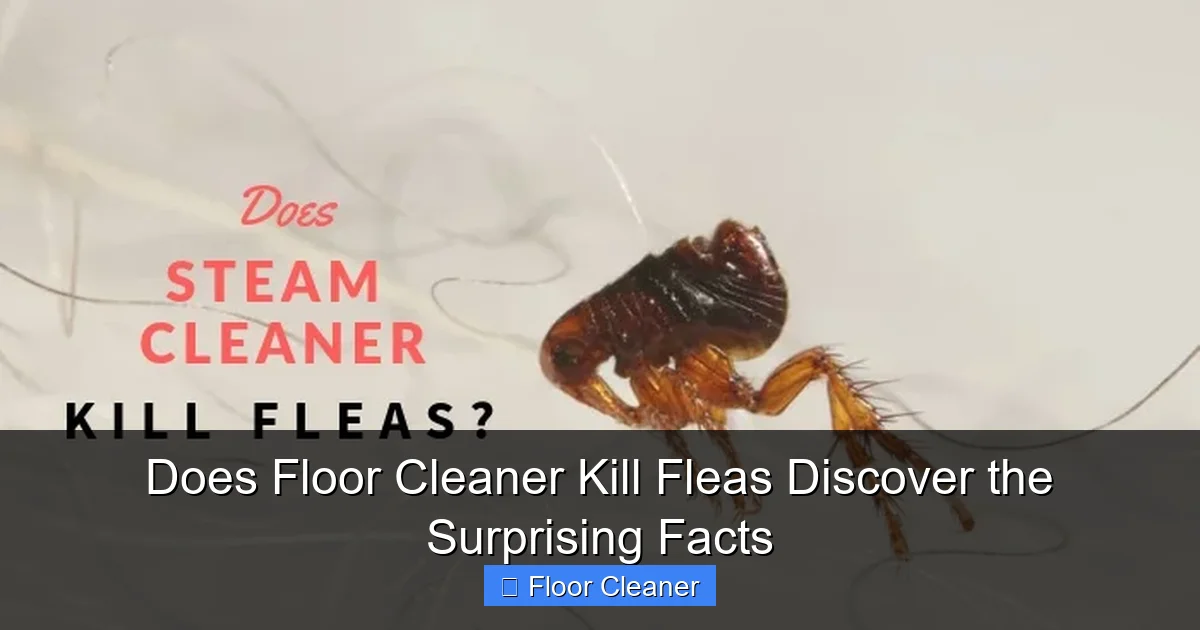
A female flea can lay 40-50 eggs per day. These eggs fall off your pet and into the environment. They hatch into larvae, which spin cocoons and become pupae. The pupal stage can survive for months, resistant to almost everything except professional-grade insecticides. Your mop cannot penetrate this cocoon. Killing the adults you see today does nothing to the pupae that will hatch into adults next week.
The Complementary Arsenal
To win the war, combine your cleaning with these proven methods:
- Regular and Aggressive Vacuuming: Do this daily during an infestation. It stimulates pupae to hatch (making them vulnerable) and removes all life stages.
- Treat Your Pets: This is the cornerstone. Consult your veterinarian for a effective, long-lasting topical, oral, or collar-based flea treatment for every pet in the house. This kills fleas on the host and stops egg production.
- Wash All Fabrics: Wash pet bedding, human bedding, and throw rugs in hot water weekly.
- Consider Insect Growth Regulators (IGRs): These are hormones that break the flea life cycle by preventing eggs from hatching and larvae from maturing. They come in sprays, foggers, and are often included in professional treatments.
Troubleshooting: What to Do If Fleas Persist
If you’ve cleaned repeatedly but still see fleas, don’t despair. Here are the next steps.
- Symptom: Fleas return within days of mopping and vacuuming.
Solution: You are likely seeing new adults emerging from the protected pupal stage. Consistency is key. Maintain your vacuuming and cleaning schedule for at least 4-8 weeks to outlast the pupal window. Ensure your pet is on a vet-recommended preventative. - Symptom: Fleas seem concentrated in one carpeted room.
Solution: The carpet and pad are a major harbor. Increase vacuuming there. Seriously consider using a carpet spray containing both an adulticide and an IGR, following label instructions carefully. - Symptom: The infestation is severe (you see many fleas daily).
Solution: It may be time to call a professional pest control service. They have access to more powerful, residual insecticides and IGRs that can provide a comprehensive knockdown and long-term protection.
Safety First: Protecting Your Family and Pets
Your goal is a flea-free home, not a chemically hazardous one. Never compromise on safety.
- Read Labels Meticulously: Look for warnings about pets. Avoid cleaners with permethrins (toxic to cats) or strong phenols.
- Rinse Thoroughly: Never leave cleaner residue on floors where pets may lick their paws.
- Ensure Complete Drying: Wet paws can track chemicals, and pets lying on damp floors can absorb them through their skin.
- Ventilate: Open windows and use fans to clear fumes during and after cleaning.
- Store All Products Safely: Keep floor cleaners and insecticides locked away from pets and children.
Conclusion: The Verdict on Floor Cleaner and Fleas
So, does floor cleaner kill fleas? Yes, it can be a useful tool for eliminating adult fleas on hard surfaces through drowning and chemical action. The surprising fact is that its power is both real and severely limited. It is an environmental tactic for immediate knockdown, not a cure.
The most effective flea control is a persistent, integrated plan. Attack the problem from every angle: treat every pet with veterinarian-approved products, vacuum with relentless frequency, wash all fabrics, and use targeted environmental treatments like IGRs. Within this strategy, using a pet-safe floor cleaner with proper technique becomes a valuable supporting move—helping you wipe out the current generation of pests as you work to ensure the next one never arrives. Start with a deep vacuum, arm yourself with the right cleaner, and remember that consistency and pet safety are your ultimate keys to success.
🎥 Related Video: How to Get Rid of Fleas #howto #diy #doityourself #diyhacks #diyhack #knowledge #salt #salthacks
📺 Tools with SoAlz