
Roomba robot vacuums are effective cleaning tools that genuinely work for daily maintenance, but they are not a complete replacement for traditional vacuuming. They excel at picking up surface-level dust, hair, and debris on hard floors and low-pile carpets. Their true value lies in convenience and consistency, keeping your floors cleaner between your deeper, manual cleanings.
Key Takeaways
- They Work for Maintenance: Roombas are excellent for daily or scheduled upkeep, tackling dust, dirt, and pet hair before it builds up.
- Not a Full Replacement: They cannot deep clean carpets, reach corners perfectly, or handle large debris, so manual vacuuming is still needed.
- Navigation is Key: Newer models with smart mapping (like i7 or j7) clean more efficiently than older, random-path models.
- Great for Pet Hair: Specific models (like the Roomba j7+ or i4) are exceptionally good at managing daily pet hair shedding.
- Convenience is the Main Benefit: The ability to schedule cleans or start them via an app is a huge time-saver for busy households.
- Require Home Setup: For best results, you need to pick up clutter, secure cables, and sometimes use virtual wall barriers.
- Self-Emptying is a Game-Changer: Models with a Clean Base™ automatically empty the bin, allowing for weeks of hands-off cleaning.
Do Roomba Vacuums Really Work? Here Is the Truth
You see the ads. A cute little disc zooms around your living room. Your floors look spotless. You wonder: do Roomba vacuums really work, or is it just smart marketing?
The short answer is yes, they genuinely work. But the full truth is more interesting. A Roomba won’t replace your upright vacuum completely. Think of it as a brilliant helper, not a sole solution.
This guide will cut through the hype. You will learn exactly what a Roomba can and cannot do. We will explore the different types of Roombas and which homes they suit best. By the end, you will know if a robotic helper is right for you.
How a Roomba Actually Works: The Tech Behind the Clean
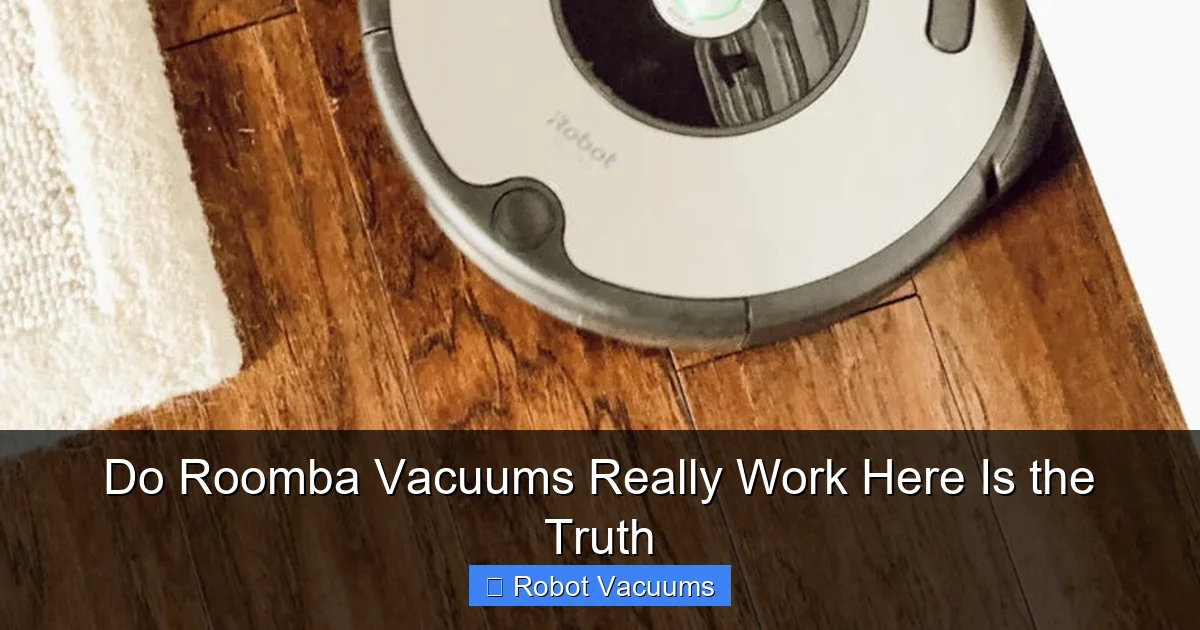
Understanding the technology helps explain its performance. At its heart, a Roomba has a suction fan, a rolling brush, and side brushes. It uses sensors to navigate and avoid falls.
Visual guide about Do Roomba Vacuums Really Work Here Is the Truth
Image source: marlydice.com
But not all Roombas are the same. The biggest difference is in navigation intelligence.
Random Navigation (Older/Budget Models)
Models like the Roomba 600 series use a “bump and go” method. They drive in a random pattern until they hit an obstacle. Then they turn and go another way.
Pros: Lower cost. Surprisingly effective over time.
Cons: Inefficient. Can miss spots. Takes longer to clean a room.
Smart Mapping & Navigation (Newer Models)
Models like the Roomba j7+, i7+, and s9+ use cameras and/or lasers (vSLAM or LiDAR). They build a map of your home. You can even label rooms like “Kitchen” or “Living Room” in the iRobot app.
Pros: Cleans in neat, efficient rows. You can send it to clean specific rooms. It learns the best path.
Cons: Higher upfront cost.
This smart mapping is a major factor in how “well” a Roomba works. A mapped Roomba is far more thorough and reliable.
The Honest Pros: What Roomba Vacuums Excel At
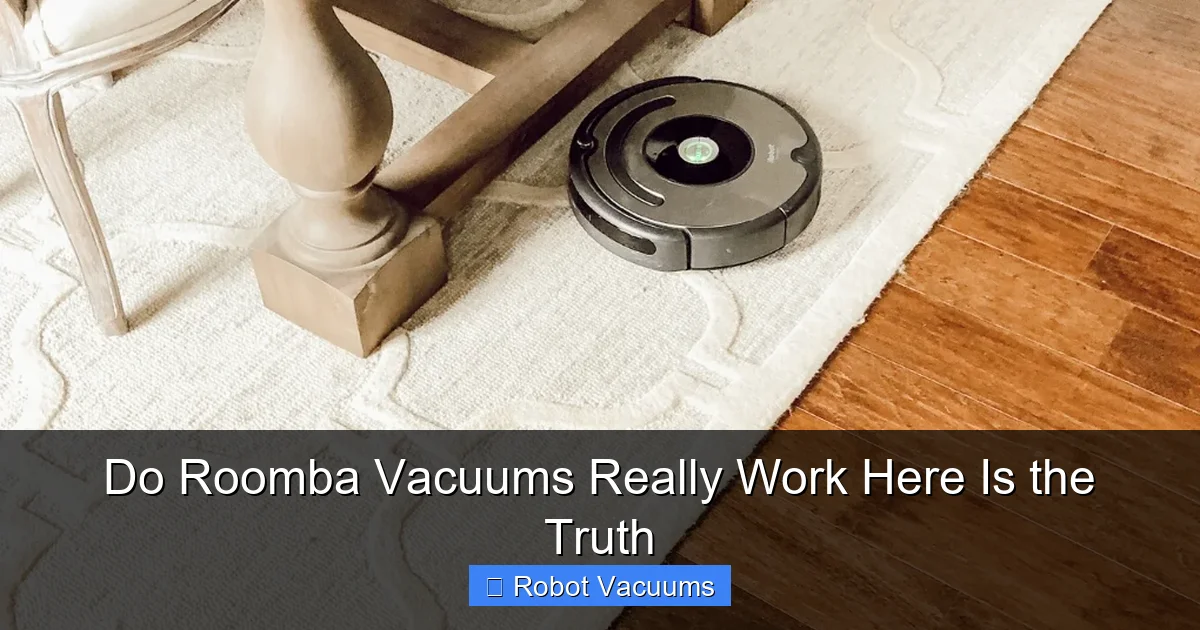
When used as intended, Roombas shine in several key areas.
Visual guide about Do Roomba Vacuums Really Work Here Is the Truth
Image source: marlydice.com
1. Daily Maintenance and Consistency
This is their superpower. You can schedule a Roomba to run every day while you’re at work. This constant pickup of dust, pollen, and crumbs prevents dirt from building up. Your floors simply feel cleaner all the time.
2. Pet Hair Pickup
Many Roombas are pet-hair champions. Models with a dual rubber brushroll (instead of bristles) are fantastic. They don’t get tangled as easily. The Roomba j7+ even promises to avoid pet waste. For pet owners, this is a huge daily relief.
3. Hard Floor Performance
Roombas work beautifully on hardwood, tile, and laminate. The side brushes kick debris out from edges. The suction easily pulls up fine dust and crumbs. For hard floors, they are incredibly effective.
4. Unmatched Convenience
The “set it and forget it” aspect is real. With a self-emptying model (like the + series), you can go weeks without touching the vacuum. Control it from your phone or with voice commands via Alexa or Google Assistant.
The Realistic Cons: Where Roomba Vacuums Fall Short
To get the truth, we must look at the limitations. Knowing these helps set the right expectations.
1. Not a Deep Carpet Cleaner
While good on low-pile carpets, a Roomba cannot replace a powerful upright or canister vacuum for deep carpet cleaning. It won’t lift deeply embedded dirt or perfectly fluff high-pile carpets.
2. Struggles with Obstacles and Clutter
A Roomba needs a clear path. Shoes, kids’ toys, and loose cables can stop it. A successful Roomba home is often a tidier home because you pick things up before it runs.
3. Misses Tight Corners and Edges
Despite side brushes, it cannot get into perfectly tight corners. A 90-degree wall edge will have a tiny line of dust. You will need to do a quick manual corner clean every so often.
4. Requires Regular Maintenance
You must empty the bin (unless you have a Clean Base™). You need to clean the filter weekly. You have to cut hair off the brushroll monthly. It’s not zero work—it’s different, less intensive work.
How to Make Your Roomba Work Its Best: A Step-by-Step Guide
Follow these steps to ensure your Roomba lives up to its potential.
Step 1: Prepare Your Home
Think of this as “robot-proofing.”
- Pick up clothes, toys, and loose items from the floor.
- Secure loose power cords and blind tassels. Use cord ties or tape.
- For problem areas (like a pet bowl), use Virtual Wall Barriers (sold separately).
Step 2: Do an Initial Manual Clean
Run your regular vacuum first. A Roomba is for maintenance, not for tackling a week’s worth of heavy dirt. Start it on a relatively clean floor for best results.
Step 3: Let It Map (For Smart Models)
If you have a mapping Roomba, let it complete several “clean everywhere” runs without interruption. This allows it to learn your home’s layout and create an accurate map in the app.
Step 4: Set a Schedule
Use the iRobot HOME app. Set it to run when you are out or in a different part of the house. Daily or every-other-day runs on high-traffic areas are ideal.
Step 5: Perform Weekly Maintenance
- Empty the bin after every run (for non-self-emptying models).
- Tap out the filter weekly.
- Check and clean the front caster wheel and sensors with a dry cloth.
Step 6: Do Monthly Deep Cleaning
- Remove the brushroll and cut away any wound hair or strings.
- Wash the bin and filter (if washable—check your manual). Let them dry completely.
- Wipe down the charging contacts on the robot and dock.
Troubleshooting Common “It’s Not Working” Issues
If your Roomba seems less effective, try these fixes.
Problem: It’s Not Picking Up Debris Well
Solution: Check the bin, filter, and brushroll. A clogged filter is the most common cause of lost suction. Replace the filter every 2-3 months.
Problem: It’s Getting Stuck Often
Solution: Re-robot-proof your home. Look for new obstacles like low-hanging furniture, thick rugs with tassels, or a new phone charger cable on the floor.
Problem: It’s Missing Large Areas
Solution (for smart models): Update your smart map. The app has a feature to update the map if you’ve moved furniture. For random nav models, ensure it has enough time to cover the space—it may need multiple runs.
Problem: It’s Making Strange Noises
Solution: Immediately stop the robot. A grinding noise usually means something is stuck in the brushroll (a hair tie, a large chunk of debris). A high-pitched whine could indicate a problem with the suction motor.
Final Verdict: So, Is a Roomba Worth It?
Do Roomba vacuums really work? The evidence says yes. They are effective cleaning appliances.
They are worth it if: You value daily convenience. You have mostly hard floors or low-pile rugs. You have pets that shed. You want to maintain clean floors between your regular vacuuming sessions. You are willing to do minor setup and maintenance.
They may not be worth it if: You expect a hands-off, perfect deep clean on thick carpets. Your home is constantly cluttered with floor-level obstacles. You are on a very tight budget (the best models are an investment).
The truth is, a Roomba changes your relationship with floor cleaning. It shifts the chore from a big, weekly effort to a small, daily automated task. For millions of users, that convenience is not just a gimmick—it’s a genuine lifestyle improvement that really works.
🎥 Related Video: Is Robot Vacuums Worth the Money?
📺 İncelemedeyim
Avideo showing cleaning performance of the robot vacuum cleaner #asmr Roomba and Roborock, Dreame robot vacuum cleaner …
