
Yes, modern robot vacuum cleaners can work effectively on carpet, but their performance depends on key features like suction power, brush design, and navigation. This guide explains how robot vacuums tackle different carpet types, what to look for when buying one, and how to optimize your robot for the best results on both low-pile and high-pile rugs.
Key Takeaways
- Suction Power is Critical: Strong suction, measured in Pascals (Pa), is essential for pulling dirt from deep within carpet fibers.
- Brushroll Design Matters: A combination of bristle brushes and rubber extractors is best for agitating and lifting debris from carpets.
- Navigation is Key to Coverage: Models with laser mapping (LiDAR) create efficient cleaning paths, ensuring no carpeted area is missed.
- Carpet Detection Boosts Power: Auto-boost technology automatically increases suction when the robot senses a carpet, saving battery on hard floors.
- Height Matters for High-Pile: Check the robot’s clearance height to ensure it can move freely on thicker rugs without getting stuck.
- Regular Maintenance is Non-Negotiable: Emptying the bin and cleaning brushes and sensors weekly is crucial for maintaining carpet cleaning performance.
Do Robot Vacuum Cleaners Work on Carpet? Your Complete Guide
You love the idea of a robot vacuum. The thought of clean floors without lifting a finger is a dream. But you have carpets and rugs. So, you ask the big question: do robot vacuum cleaners actually work on carpet?
The short answer is a resounding yes. But it’s not a simple yes. Modern robot vacuums are incredibly smart. They are designed to handle a variety of floor types. However, their performance on your specific carpet depends on several factors. These include the robot’s features and your carpet’s style.
This guide will walk you through everything. You will learn how robot vacuums tackle carpets. We will cover the must-have features for carpet cleaning. You will get tips to make your robot work better. And we will help you choose the right model. Let’s dive in and get your carpets cleaner, automatically.
How Robot Vacuums Clean Carpets: The Basic Mechanics
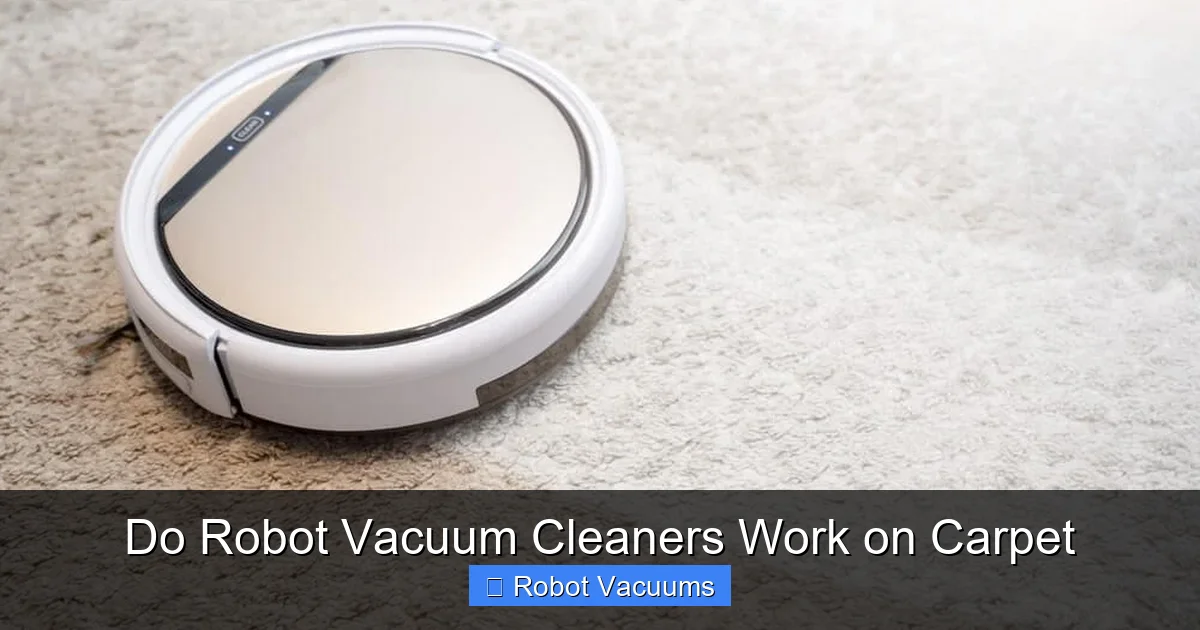
Understanding how these little robots work is the first step. It helps you know what to look for. A robot vacuum cleans carpet using a combination of physics and smart tech.
Visual guide about Do Robot Vacuum Cleaners Work on Carpet
Image source: cleanerstalk.com
First, it uses suction power. A motor creates a vacuum that pulls air and dirt into the machine. On carpet, this suction needs to be strong. It must pull dirt from deep down in the fibers.
Second, it uses agitation. Most robots have a spinning brushroll under the middle. This brush agitates the carpet fibers. It loosens the dirt, pet hair, and debris stuck inside. Think of it like using a broom to sweep a rug before vacuuming.
Third, navigation systems drive the robot across the carpet in a pattern. This ensures it covers the whole area. Better navigation means better coverage and less chance of missing spots.
The Role of Suction Power
Suction is the engine of carpet cleaning. It’s often measured in Pascals (Pa). For effective carpet cleaning, look for a robot with strong suction, typically over 2000 Pa. Many models now offer 2500 Pa or more. This power pulls up the dirt the brushroll loosens.
The Importance of the Brush System
Not all brushes are equal. The best systems for carpets are combination brushrolls. These often have bristles to dig into fibers and rubber fins to flick debris upward. Some high-end models even have two brushrolls that spin toward each other. This is great for grabbing pet hair.
Key Features to Look for in a Carpet-Cleaning Robot
If carpets are your main concern, focus on these features when shopping. They make the biggest difference in performance.
Visual guide about Do Robot Vacuum Cleaners Work on Carpet
Image source: aircraftvacuums.com
1. Strong and Adjustable Suction
Look for high maximum suction power (Pa). Also, look for auto-boost suction or carpet detection. This smart feature lets the robot sense when it moves onto a carpet. It then automatically increases suction power. On hard floors, it reduces power to save battery. It’s a game-changer for homes with mixed flooring.
2. Effective Brushroll Design
Avoid robots with only a single, simple brush. Seek out those with a full-width, multi-surface brushroll. Rubber extractors are excellent for preventing hair wrap. If you have mostly high-pile carpets, check that the brushroll is designed to engage with thicker fibers.
3. Advanced Navigation and Mapping
Random bounce robots often miss spots on carpets. For thorough cleaning, choose a model with smart mapping. Systems using LiDAR (laser) or advanced cameras create a map of your home. They then clean in efficient, back-and-forth rows. You can even label rooms and set “No-Go Zones” for delicate rugs.
4. Adequate Ground Clearance
This is crucial for plush or high-pile carpets. Check the robot’s physical specifications for its clearance height. If the carpet pile is taller than the space under the robot, it will get stuck. Most robots need at least 0.6 inches (15mm) of clearance. For shag rugs, you may need more.
5. Large Dustbin and Good Battery Life
Carpets hold more dirt than hard floors. Your robot will fill its bin faster. A larger bin (0.5L or more) means fewer interruptions. Similarly, strong suction uses more battery. Look for long battery life (90+ minutes) and auto-recharge/resume features. This ensures it can finish the whole job.
A Step-by-Step Guide to Optimizing Your Robot for Carpets
You have your robot. Now, let’s set it up for success on your carpets. Follow these steps for the best results.
Visual guide about Do Robot Vacuum Cleaners Work on Carpet
Image source: bestvacuumexpert.com
Step 1: Prepare Your Space
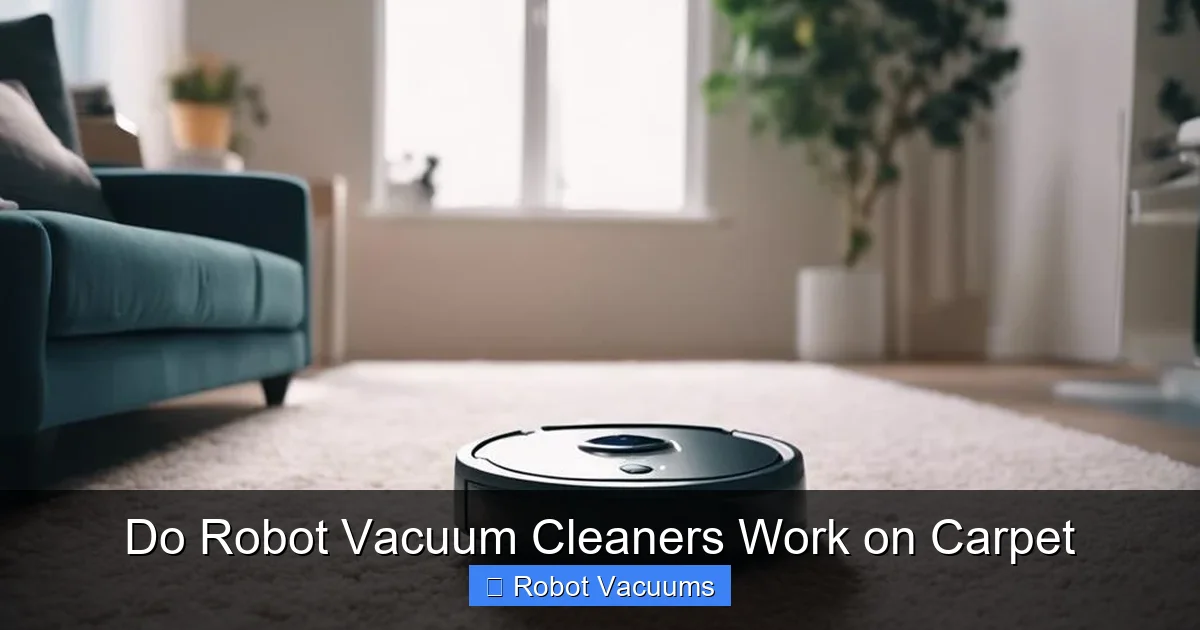
Before the first clean, do a quick walk-through. Pick up cords, loose clothing, and small toys. For tasseled or very thick rugs, consider using boundary tape (if your robot supports it) to block off edges where it might get stuck.
Step 2: Start with a Full Charge
Always begin cleaning with a fully charged battery. This is especially important for whole-house cleans that include carpets. It ensures the robot has enough power for the stronger suction mode.
Step 3: Set a Cleaning Schedule
Consistency is key with carpets. Dirt gets ground in over time. Set your robot to clean high-traffic carpeted areas daily or every other day. This prevents deep buildup and keeps your carpets looking fresh with less effort.
Step 4: Use the Right Mode
If your robot has a “Carpet Mode” or “Max Mode,” use it for deep cleans. For daily maintenance, the auto or eco mode might be enough. If you have auto-boost, trust the robot to adjust on its own.
Troubleshooting Common Carpet Problems
Even the best robots can have issues. Here’s how to solve common carpet-related problems.
Problem: The Robot Gets Stuck on the Carpet
Solution: This is usually a clearance issue. Check if the carpet pile is too high. You can try flattening the rug’s edges or using boundary tape. Some robots have “anti-stuck” sensors, but physical limitations are the main cause.
Problem: It Misses Spots or Seems Random
Solution: This points to a navigation issue. Ensure all sensors (especially the cliff sensors on the bottom) are clean and unobstructed. If your robot has mapping, let it complete a full mapping run without interruption. For random robots, try placing the dock in a more central location.
Problem: Hair Wraps Around the Brushroll
Solution: This is common in homes with pets or long hair. Choose a robot with an anti-tangle brush design. Regardless, you must perform weekly maintenance. Remove the brushroll and cut away any wrapped hair with scissors. This keeps the brush spinning effectively.
Problem: The Bin Fills Too Quickly on Carpets
Solution: This is normal, as carpets hold more debris. Empty the bin after every cleaning cycle when using it on carpets. Consider a model with a self-emptying dock. It automatically sucks the dirt from the robot’s bin into a larger bag you empty monthly.
Choosing the Right Robot for Your Carpet Type
Not all carpets are the same. Match the robot’s strengths to your floor.
For Low-Pile and Medium-Pile Carpets
Most mid-range and all high-end robots will work well here. Focus on features like auto-boost suction and good navigation. You have a wide range of choices.
For High-Pile, Plush, or Shag Carpets
You need to be more selective. Ground clearance is your top priority. Look for models specifically noted to handle high-pile rugs. Strong suction is also vital to pull dirt from the deep fibers. Read user reviews to see real-world performance on thick carpets.
For Homes with Mostly Carpets
Prioritize battery life and bin capacity. Consider a self-emptying model to minimize daily interaction. Strong, always-on suction is better than auto-boost if you have few hard floors.
Conclusion: Embrace Automated Carpet Cleaning
So, do robot vacuum cleaners work on carpet? Absolutely. The technology has evolved tremendously. Today’s best models are powerful, smart, and capable of keeping your carpets clean with minimal help from you.
The secret is knowing what features matter. Strong suction, smart brushrolls, and good navigation are the holy trinity. Pair that with proper setup and regular maintenance. You will have a clean home and more free time.
Start by assessing your carpet type and home layout. Then, choose a robot with the features we discussed. Set a schedule, let it run, and enjoy the results. Your carpets will thank you.
🎥 Related Video: Which Robot Vacuum Wins the Carpet Test? Roborock or Dreame
📺 Just A Dad Approved
My Amazon STOREFRONT: https://www.amazon.com/shop/justadadvideos Disclaimer: As an Amazon Affiliate, I use affiliate links …