
Yes, modern robot vacuum cleaners work very well for daily maintenance cleaning. They excel at picking up surface debris like dust, pet hair, and crumbs on hard floors and low-pile carpets. While not a complete replacement for a deep clean with an upright vacuum, they are fantastic tools for keeping your home consistently tidier with minimal effort.
Key Takeaways
- They Excel at Maintenance: Robot vacuums are designed for frequent, automated cleaning to keep floors free of daily dust, dirt, and debris.
- Navigation is Key: Models with LiDAR or camera-based mapping create efficient routes, clean more thoroughly, and offer smart features via apps.
- Performance Varies by Surface: They work best on hard floors and low-pile rugs. High-pile carpets, thick rugs, and significant clutter can pose challenges.
- They Require Some Upkeep: For optimal performance, you must regularly empty the dustbin, clean brushes and sensors, and replace filters.
- Not a Full Replacement: A robot vacuum complements, but doesn’t replace, a traditional vacuum for deep cleaning carpets, stairs, and detailed edges.
- Setup is Crucial: Preparing your home by picking up cords, socks, and tasseled rugs prevents the robot from getting stuck and ensures a successful clean.
Do Robot Vacuum Cleaners Actually Work Well? A Complete How-To Guide
You have seen the ads. A cute little disc glides silently around a pristine home. It dodges furniture. It sucks up dust. It promises you freedom. But does it deliver? The short answer is a resounding yes, robot vacuum cleaners do work well. But the full answer is more nuanced. They are incredible tools for specific jobs. This guide will show you exactly how they work, what they do best, and how to use one to get a genuinely cleaner home with less work from you.
We will walk through how robot vacuums operate, how to set up your home for success, and what to expect during a cleaning cycle. You will learn how to choose the right model and how to maintain it. By the end, you will know if a robot vacuum is the right helper for your household.
How Robot Vacuums Work: The Tech Behind the Clean
Understanding the technology helps you see their strengths and limits. A robot vacuum is a marvel of miniaturization. It packs sensors, motors, a computer, and a vacuum system into a compact body.
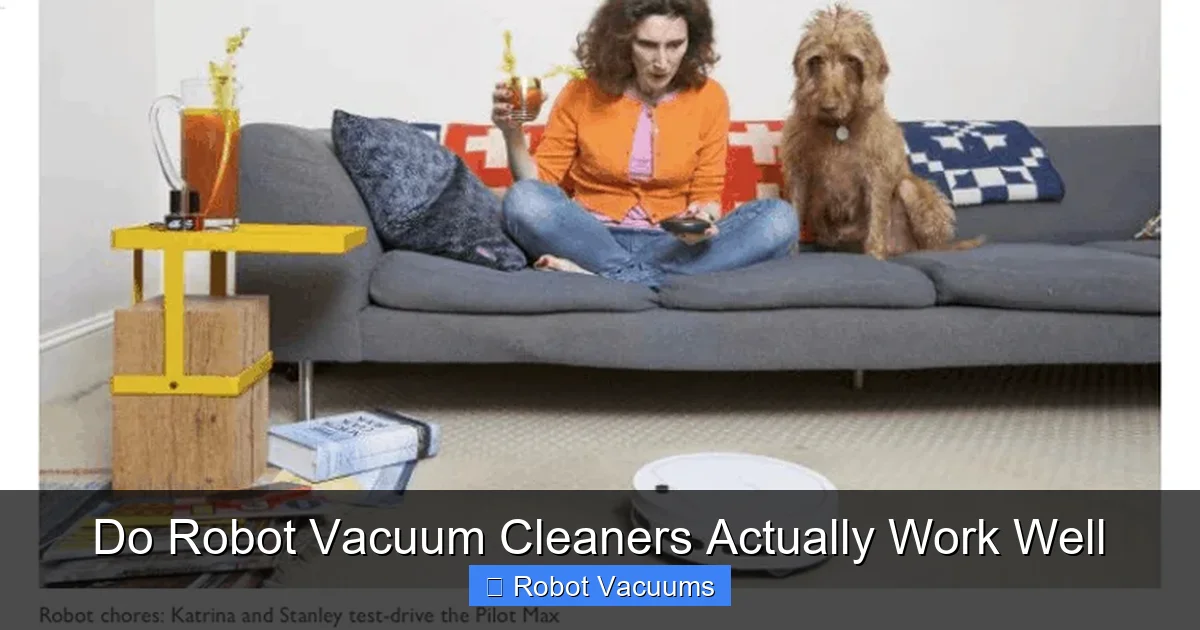
Visual guide about Do Robot Vacuum Cleaners Actually Work Well
Image source: aircraftvacuums.com
The Cleaning System
Most models use a combination of brushes and suction. A main brushroll agitates debris. Side brushes sweep dirt from edges into the cleaning path. A suction motor then pulls the debris into a dustbin. The power of this suction varies greatly between budget and premium models.
The “Brain” and Navigation
This is the biggest difference between models. How a robot vacuum navigates determines how efficiently and completely it cleans your home.
- Random Bounce: Basic models drive in straight lines until they bump into something, then turn and go another way. They eventually cover the area but can miss spots and are inefficient.
- Systematic Navigation: Mid-range and premium bots use sensors to methodically clean in straight lines, often in a grid pattern, ensuring more complete coverage.
- Smart Mapping (LiDAR or VSLAM): The most advanced robots use LiDAR (laser) or camera-based (VSLAM) mapping. They create a detailed map of your home. This allows for efficient routes, room-specific cleaning, no-go zones, and cleaning history in an app.
Sensors and Safety
A suite of sensors keeps the robot from falling down stairs (cliff sensors), bumping too hard into furniture (bump sensors), and detecting particularly dirty areas (acoustic or optical dirt sensors).
Setting Up Your Home for Robotic Cleaning Success
Your robot vacuum is a helper, not a magician. A little preparation makes a huge difference in how well it works.
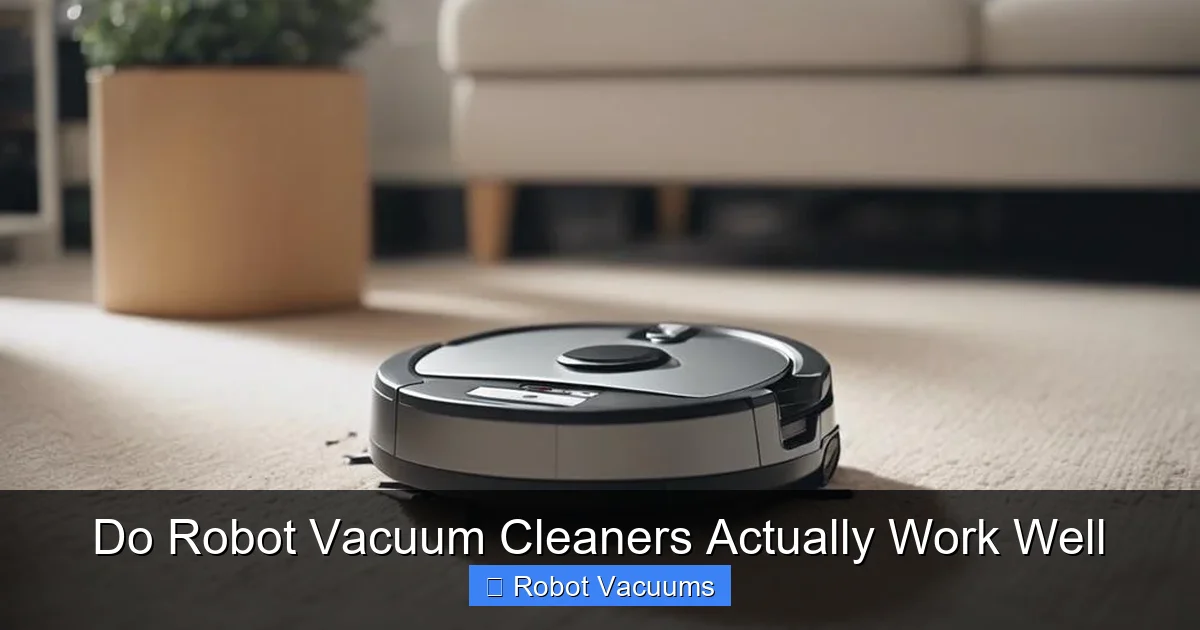
Visual guide about Do Robot Vacuum Cleaners Actually Work Well
Image source: bestvacuumexpert.com
Step 1: The Pre-Clean Tidy
Before its first or scheduled run, do a quick walk-through.
- Pick up socks, charging cables, and toys from the floor.
- Secure loose rug tassels and curtain hems that could get tangled.
- Move lightweight chairs or stools that might be knocked around.
Step 2: Set Physical Boundaries
Use the included magnetic boundary strips or virtual barriers in your app (if your model supports it) to block off areas you don’t want the robot to enter. This could be a pet water bowl area, a room with delicate decor, or a carpet with a high pile.
Step 3: Ensure Clear Access
Make sure the robot can get to its docking station easily. Leave a clear path of about 3 feet in front and 2 feet to each side of the dock. Also, check that it can pass under your furniture. Most robots are about 3.5 inches tall.
What to Expect During a Cleaning Cycle
Hit the clean button on the robot or in the app. What happens next?
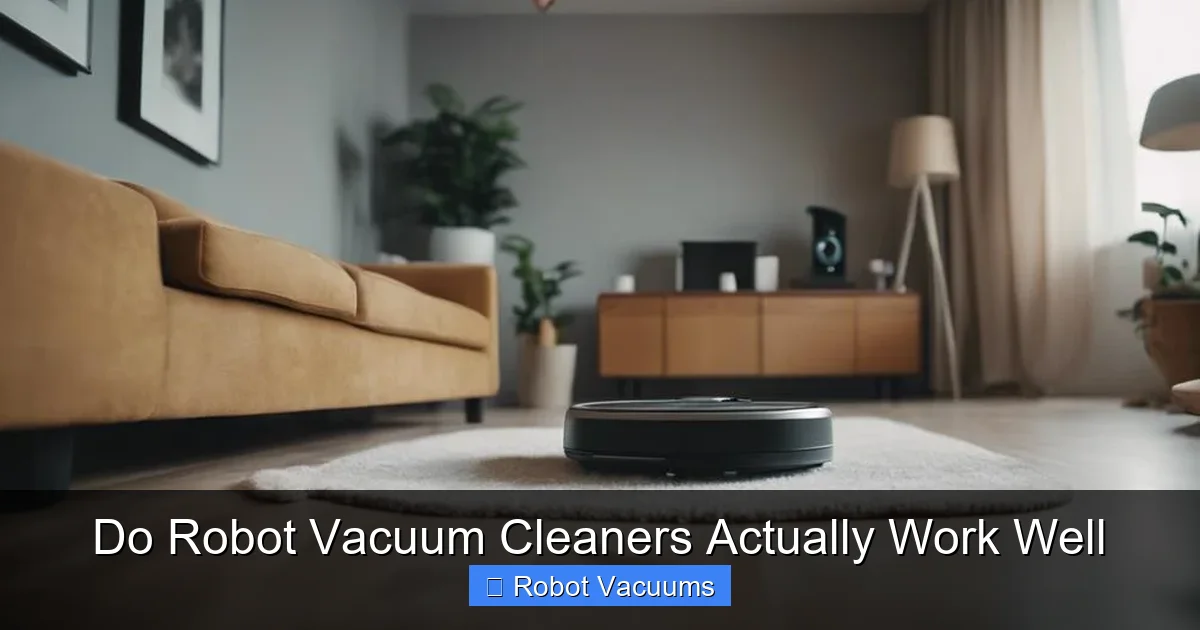
Visual guide about Do Robot Vacuum Cleaners Actually Work Well
Image source: bestvacuumexpert.com
The Initial Exploration
If it’s a mapping robot, its first run might be a “mapping run” where it explores without cleaning to learn the layout. For random bots, it will just start cleaning immediately.
The Cleaning Pattern
You will see it follow its navigation logic. Mapping robots will move in efficient, back-and-forth lines. Random bots will have a more chaotic, bump-and-turn path. Don’t be alarmed if it seems to miss a spot; it will likely get it on a later pass.
Recharging and Resuming
Most robots will return to their dock if their battery gets low. Advanced models will then resume cleaning exactly where they left off once recharged, ensuring the whole job gets done.
What Surfaces Do Robot Vacuums Work Best On?
Their performance is not equal on all floors.
- Hard Floors (Tile, Hardwood, Laminate): This is their ideal environment. They excel at picking up dust, crumbs, and pet hair from smooth surfaces.
- Low-Pile and Flat-Weave Rugs/Carpets: Most handle these well. The brushes can agitate the surface, and suction can pull dirt from the short fibers.
- Medium-Pile Carpets: Performance varies. You will need a model with stronger suction and a brushroll designed for carpets.
- High-Pile Carpets & Thick Rugs: This is a major challenge. Many robots will struggle to climb onto them, may get stuck, or simply won’t clean them deeply. Always check the manufacturer’s specifications.
Common Troubleshooting: When Your Helper Gets Stuck
Even the best robots can have a bad day. Here are quick fixes for common issues.
Robot is Stuck on an Obstacle
Problem: It’s beeping or stopped against a cord, tassel, or under furniture.
Solution: Free it, remove the obstacle, and place it back on the floor. Use the app to mark that spot as a no-go zone if it’s a recurring issue with a mapping model.
Robot Can’t Find Its Dock
Problem: It’s wandering around, unable to recharge.
Solution: Ensure the dock is in an open area, free of reflective surfaces or direct sunlight that could interfere with its sensors. Clean the charging contacts on both the dock and the robot.
Poor Pickup Performance
Problem: It’s moving but leaving debris behind.
Solution: Stop the robot and check for clogs. Empty the dustbin. Remove hair wrapped around the brushroll. Clean the filter (tap it out, don’t wash unless instructed). A full bin or dirty filter drastically reduces suction.
Erratic Behavior
Problem: It’s spinning in circles or driving randomly.
Solution: Clean all sensors (cliff, bump, LIDAR window) with a dry, soft cloth. Sensors blocked by dust can confuse the robot.
Choosing the Right Robot Vacuum for Your Home
Not all robot vacuum cleaners are the same. Ask these questions before you buy.
- Flooring Type: Mostly hard floors? A model with strong side brushes for edges is great. Lots of carpet? Prioritize strong suction and a carpet-boost feature.
- Pet Owners: You need a model with excellent tangle-free brushrolls, strong suction for hair, and a large dustbin. Look for “pet” models.
- Smart Home Integration: Want to schedule cleans or start cleaning with your voice? Ensure it works with your preferred app (like iRobot HOME, Roborock, Ecovacs) and voice assistant (Alexa, Google Assistant).
- Self-Emptying: For ultimate hands-off cleaning, consider a model with an Auto-Empty Dock. It sucks the debris from the robot’s bin into a larger bag in the dock, which you only empty every month or two.
Conclusion: A Worthy Investment for Daily Cleanliness
So, do robot vacuum cleaners actually work well? Absolutely, when used for their intended purpose. They are not powerful deep-cleaning machines for grimy carpets. They are brilliant maintenance tools. They work tirelessly to keep your floors free of the daily layer of dust, dirt, and pet hair that accumulates. This means your home feels cleaner every day, and you can go longer between manual vacuuming sessions.
The key to happiness with a robot vacuum is setting realistic expectations. See it as a helpful member of your household that takes care of the daily grind. Do a quick pre-clean tidy, perform its simple maintenance, and let it handle the rest. For most people, the time and effort it saves make it a genuinely effective and worthwhile appliance.
🎥 Related Video: Robot Vacuum vs. Gross Surprise!
📺 eufy Tutorials
Can the robot handle the challenge? Watch as the robot vacuum encounters a fake messy obstacle and tests its smart navigation …
