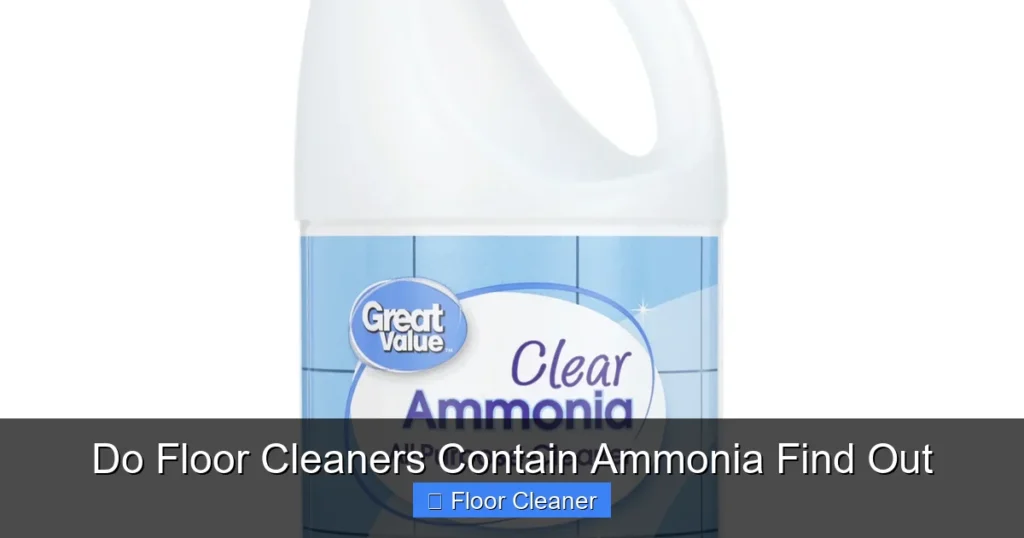
Many floor cleaners, especially those for tile, vinyl, and grout, contain ammonia as a powerful degreaser and disinfectant. However, it’s crucial to identify these products due to the serious health and safety risks of mixing ammonia with bleach or using it in poorly ventilated areas. This guide teaches you how to check labels, use ammonia-based cleaners safely, and explore potent non-ammonia alternatives.
Key Takeaways
- Ammonia is Common in Specific Cleaners: It’s a frequent ingredient in formulas for stripping wax, cleaning grimy vinyl/tile, and providing streak-free shine on glass and porcelain surfaces.
- Label Reading is Non-Negotiable: The terms “ammonia,” “ammonium hydroxide,” or warnings against mixing with bleach are clear indicators the product contains ammonia.
- Mixing with Bleach is Extremely Dangerous: Combining ammonia and bleach creates toxic chloramine gas, which can cause severe respiratory distress and is a medical emergency.
- Ventilation is Critical for Safety: Always use ammonia-based products in well-ventilated areas to avoid fume buildup that can irritate lungs, eyes, and skin.
- Effective Alternatives Exist: Plant-based surfactants, citric acid, hydrogen peroxide, and baking soda can provide powerful cleaning without the associated risks of ammonia.
- Know Your Surface Compatibility: Ammonia can damage waxed, wooden, laminate, and certain stone floors. Always test in an inconspicuous area first.
- Proper Dilution is Key to Effectiveness: Using ammonia at the correct concentration, as directed, ensures it cleans effectively without leaving excessive residue or overpowering fumes.
Do Floor Cleaners Contain Ammonia? Your Complete How-To Guide
You’re staring at a bottle of floor cleaner. It promises a sparkling shine. But you’re wondering, what’s really inside? Is it safe for your kids and pets? Does it contain ammonia? You’re not alone. Many people want to know what chemicals they’re bringing into their homes. The short answer is: yes, some floor cleaners absolutely contain ammonia. But not all of them. The key is knowing how to tell the difference, when ammonia is useful, and when you should avoid it. This guide will walk you through everything. You’ll learn how to read labels like a pro. You’ll understand the risks and benefits. And you’ll discover how to clean your floors safely and effectively, whether you choose an ammonia product or a gentler alternative.
Step 1: Learn What Ammonia Is and Why It’s Used
First, let’s understand our subject. Ammonia is a colorless gas made of nitrogen and hydrogen. When dissolved in water, it becomes ammonium hydroxide. This is the liquid form you find in cleaning products. It’s a powerful alkali, which means it’s great at cutting through grease, grime, and dirt.
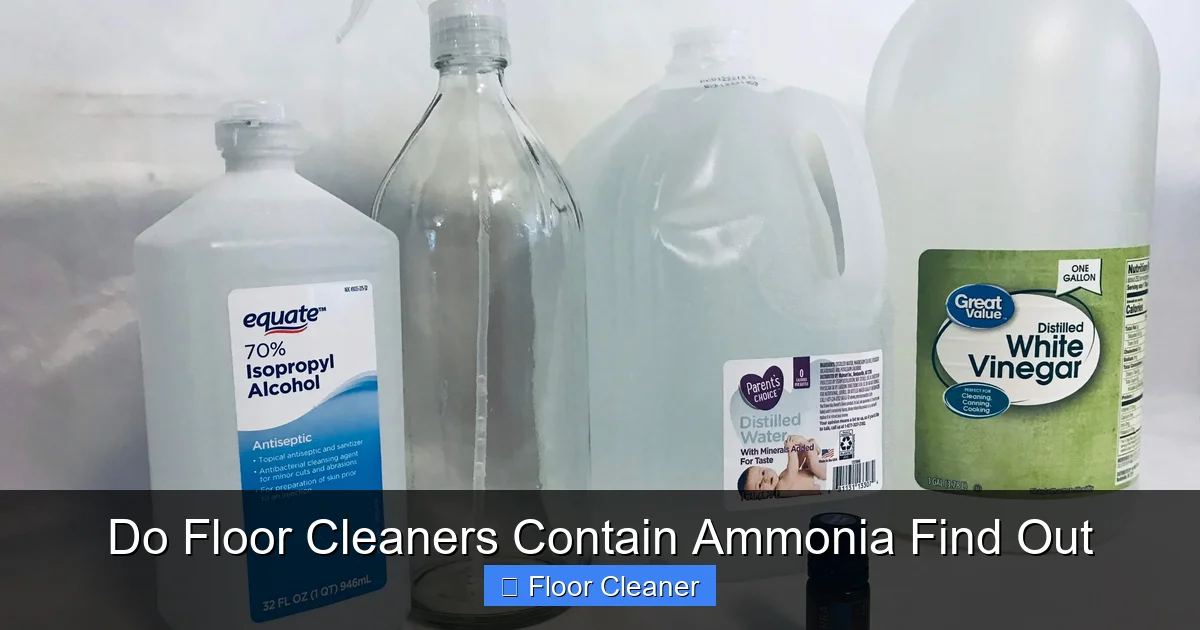
Visual guide about Do Floor Cleaners Contain Ammonia Find Out
Image source: truemoneysaver.com
Why do manufacturers use it? Ammonia is a champion degreaser. It breaks down sticky messes on kitchen floors. It evaporates quickly without leaving streaks. This makes it perfect for glass and porcelain surfaces. It’s also a decent disinfectant. For heavily soiled vinyl, tile, or grout, ammonia can be very effective. It can even help strip away old, yellowed wax from floors.
The Two Sides of Ammonia
Ammonia has a strong, pungent smell. That smell is a warning sign. In a well-ventilated area, it’s manageable. In a closed space, it’s a problem. The fumes can irritate your eyes, nose, throat, and lungs. For people with asthma or breathing issues, it can trigger attacks.
Step 2: How to Identify Ammonia in Floor Cleaners
You can’t always trust the front label. A product might say “Powerful Shine” or “Tough on Grease.” You need to become a detective. Turn the bottle around and read the “Ingredients” or “Directions” panel carefully.
Visual guide about Do Floor Cleaners Contain Ammonia Find Out
Image source: floorcarekits.com
Look for These Key Words
- “Ammonia” or “Ammonium Hydroxide”: This is the most direct listing.
- Chemical Formulas: Sometimes it’s listed as NH3 or NH4OH.
- Warning Statements: The most common clue is the warning: “Do not mix with bleach or products containing bleach. May produce hazardous gases.” This is a near-guarantee the product contains ammonia.
- Common Product Types: Be extra vigilant with: All-purpose cleaners, glass cleaners, floor wax strippers, oven cleaners, and bathroom tile/grout cleaners.
Check the Product’s Intended Use
Ammonia is rarely used in products for delicate surfaces. You are very unlikely to find it in cleaners specifically for:
- Hardwood floors
- Laminate flooring
- Natural stone (like marble or granite)
- Waxed floors (unless it’s a wax stripper)
Step 3: Using Ammonia-Based Cleaners Safely (A Step-by-Step Protocol)
If you choose to use a cleaner with ammonia, safety must be your top priority. Follow this protocol every single time.
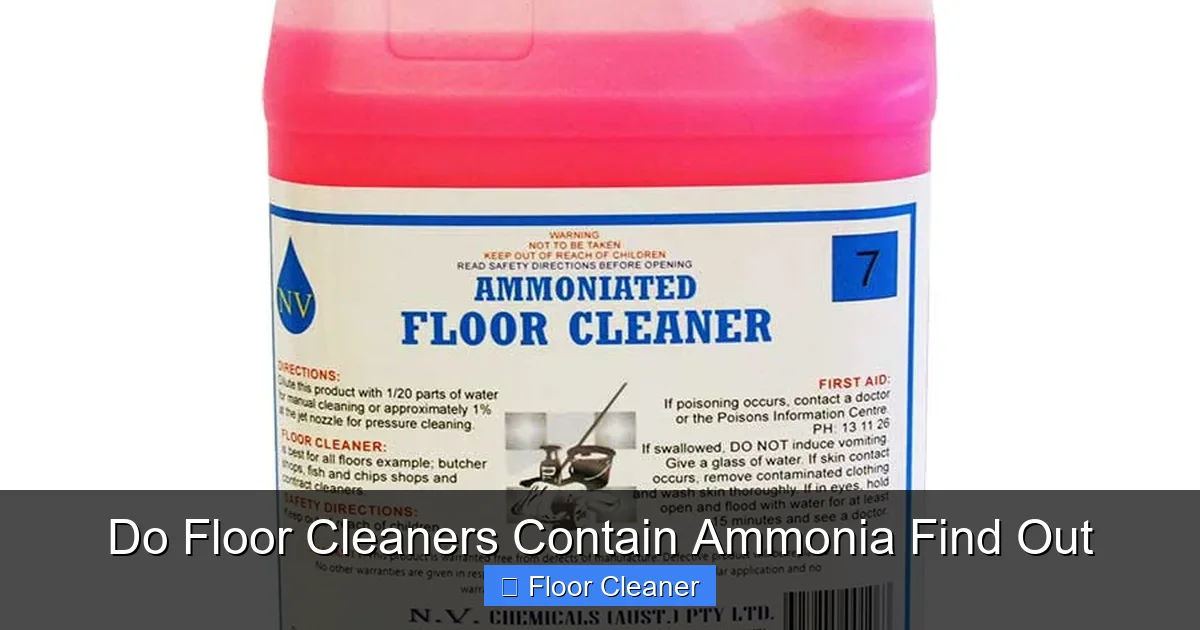
Visual guide about Do Floor Cleaners Contain Ammonia Find Out
Image source: starpackagingcairns.com.au
1. Gear Up and Prepare the Area
Open windows and doors. Turn on exhaust fans. Create a cross-breeze if possible. Wear rubber gloves to protect your skin. Consider safety glasses if you’re sensitive or working close to the surface.
2. Dilute According to Directions
Never use full-strength ammonia from a cleaning product on floors. It’s too potent. It can damage surfaces and create overwhelming fumes. Always follow the dilution ratio on the label. Usually, a quarter to a half cup in a gallon of warm water is sufficient.
3. Apply, Clean, and Rinse
Apply the solution to a small section of the floor. Mop or scrub as needed. For tough grime, let it sit for a few minutes, but don’t let it dry. Then, rinse thoroughly with clean water. Ammonia residue can attract dirt and be slippery.
4. Store Safely
Store the product in its original container. Keep it tightly closed in a cool, dry place, away from children and pets. Never, ever transfer it to an unmarked bottle or a bottle that once contained food or drink.
Step 4: The Critical Dangers: What NOT to Do
This step is so important it gets its own section. Ignoring these rules can have serious consequences.
NEVER Mix Ammonia and Bleach
This is the golden rule of cleaning safety. When ammonia and bleach (sodium hypochlorite) mix, they react to form toxic gases called chloramines. Inhaling these gases can cause:
- Coughing, shortness of breath, and chest pain
- Watery, burning eyes and throat
- Nausea and dizziness
- In severe cases, chemical pneumonia or death
If you accidentally mix them, leave the area immediately, get to fresh air, and call for emergency help if you have difficulty breathing.
Avoid Using on Certain Surfaces
Ammonia can dull, damage, or strip finishes. Do not use it on:
- Waxed Floors: It will dissolve the wax.
- Hardwood: It can damage the sealant and dry out the wood.
- Natural Stone: Its high pH can etch and stain marble, limestone, and travertine.
- Painted Surfaces: It can strip paint.
Always test in a hidden corner first.
Step 5: Exploring Powerful Non-Ammonia Alternatives
Thankfully, you don’t need ammonia for a clean floor. Modern chemistry and old-fashioned ingredients offer excellent options.
Commercial Non-Ammonia Cleaners
Look for products labeled “Ammonia-Free,” “Green,” “Plant-Based,” or “Safe for Pets & Kids.” Key effective ingredients to look for include:
- Hydrogen Peroxide: A great disinfectant and mild bleach alternative.
- Citric Acid: Excellent for dissolving hard water stains and mineral deposits.
- Plant-Based Surfactants: Derived from coconut or corn, they lift dirt effectively.
- Essential Oils (like tea tree or thyme): Some have natural antimicrobial properties.
Highly Effective DIY Solutions
You can make fantastic floor cleaners with pantry staples.
- For Vinyl & Tile: Mix 1/2 cup white vinegar with 1 gallon warm water. Add a few drops of dish soap for grease.
- For Grease Cutting: Mix 1/4 cup baking soda, a squirt of dish soap, and 1 gallon hot water.
- For Disinfecting: Use a solution of 70% isopropyl alcohol and water (1:1 ratio) or a diluted hydrogen peroxide spray (3% solution is fine).
- For General Cleaning: A few drops of castile soap in a bucket of warm water works wonders.
Note: Avoid vinegar and acidic cleaners on natural stone or unsealed grout.
Troubleshooting Common Issues
Ran into a problem? Here’s how to fix it.
Problem: The floor is sticky after cleaning with an ammonia product.
Solution: You likely didn’t rinse well enough. Ammonia residue attracts dirt. Mop the floor again with clean, cool water.
Problem: The fumes are overwhelming, even with windows open.
Solution: You may have used too high a concentration. Leave the room, let it air out completely, and return to rinse the floor. Next time, use less product.
Problem: The cleaner didn’t cut through heavy grease.
Solution: For ammonia-based cleaners, ensure you let it sit on the grease for 5-10 minutes before scrubbing. For alternatives, use a baking soda paste (baking soda + a little water) to scrub the area first.
Conclusion: Making an Informed Choice for Your Home
So, do floor cleaners contain ammonia? Many do, but you now have the power to identify them. You understand why ammonia is used—its power against grease and grime is undeniable. But you also respect its dangers: the toxic gas created with bleach, the irritating fumes, and the potential to damage surfaces. Armed with your label-reading skills and safety protocol, you can use these products cautiously if you wish.
However, the world of cleaning has evolved. You have access to a wide array of effective, safer commercial products and simple DIY solutions that can leave your floors gleaming without the worry. The cleanest home is a safe home. By choosing your cleaning products with knowledge and intention, you protect your floors, your health, and your loved ones. Start by checking the labels under your sink today. Your journey to a smarter, safer clean begins now.
🎥 Related Video: Which Household Cleaners Contain Ammonia? | Bond Cleaning in Townsville
📺 Bond Cleaning
Ever wondered what’s really hiding in your everyday cleaning products? You might be surprised to find that many household …