
Disinfecting wipes can kill many viruses, but only when you use them the right way. This guide explains how disinfecting wipes work, what viruses they can kill, and the exact steps to use them safely and effectively at home, work, and on the go. You’ll learn how to read labels, follow contact time, avoid common mistakes, and choose the best wipes for your needs.
Key Takeaways
- Point 1: Most disinfecting wipes do kill viruses, but only specific types that are listed on the product label.
- Point 2: Disinfecting wipes must stay visibly wet on the surface for the full “contact time” to effectively kill viruses.
- Point 3: Cleaning and disinfecting are not the same; you often need to remove dirt first so the disinfectant can reach viruses.
- Point 4: Not all wipes are disinfecting wipes; baby wipes and general cleaning wipes usually do not kill viruses.
- Point 5: Using disinfecting wipes correctly on high-touch surfaces can reduce the spread of colds, flu, and other viral infections.
- Point 6: Overuse or misuse of disinfecting wipes can damage some surfaces and may irritate skin or breathing.
- Point 7: Reading the label and following instructions is the best way to make sure your disinfecting wipes kill viruses effectively.
Do Disinfecting Wipes Kill Viruses? Facts You Must Know
When someone in your home is sick, it is natural to reach for a tub of disinfecting wipes. You wipe down counters, door handles, and light switches and hope you are killing germs. But do disinfecting wipes kill viruses the way you think they do? The answer is yes in many cases, but only if you use them the right way.
This guide explains how disinfecting wipes work, what viruses they can kill, and how to use them step by step. You will learn how to read the label, how long to keep surfaces wet, and how to avoid common mistakes that make wipes less effective. By the end, you will know how to use disinfecting wipes to kill viruses more safely and more confidently in your home, office, or car.
Understanding How Disinfecting Wipes Kill Viruses
What Are Disinfecting Wipes?
Disinfecting wipes are pre-moistened, disposable cloths soaked in a chemical solution. This solution is designed to kill germs, including many bacteria and viruses, on hard, non-porous surfaces. When people ask “do disinfecting wipes kill viruses,” they are really asking if the ingredients in that solution are strong enough and used correctly.
Visual guide about Do disinfecting wipes kill viruses facts you must know
Image source: getbiom.co
Common active ingredients in disinfecting wipes include:
- Quaternary ammonium compounds (quats): These are found in many household disinfectants and are effective against a wide range of germs.
- Alcohols (like ethanol or isopropyl alcohol): These can kill many viruses quickly when used at the right concentration.
- Bleach (sodium hypochlorite): Found in some specialized wipes, very effective but harsher on surfaces.
Each brand uses its own formula. That is why you must always read the label to know which viruses your specific disinfecting wipes can kill.
Viruses vs. Bacteria: Why It Matters
Not all germs are the same. Bacteria are single-celled organisms, while viruses are smaller particles that need a host cell to multiply. When you ask, “do disinfecting wipes kill viruses,” you are asking about a tougher target in some cases.
Viruses come in two main types:
- Enveloped viruses: These have a fatty outer layer. They are usually easier to kill. Examples include flu viruses and coronaviruses.
- Non-enveloped viruses: These lack that outer layer and can be harder to kill. Examples include norovirus and some cold viruses.
Many disinfecting wipes are tested to kill enveloped viruses. Some are also tested against harder, non-enveloped viruses. The label will tell you which ones.
What Does “Kills 99.9% of Viruses” Really Mean?
Many packages claim to kill “99.9% of viruses and bacteria.” This sounds like a promise against all germs, but it is not. It means the wipes can kill 99.9% of specific germs listed on the label when used exactly as directed.
So, do disinfecting wipes kill viruses? Yes, but only the viruses they are tested against, and only if you:
- Use them on the right type of surface
- Use enough wipes and solution
- Keep the surface wet for the full contact time
- Allow the surface to air dry
Step 1: Check If Your Wipes Actually Disinfect
Do Not Assume All Wipes Kill Viruses
Many people think any wet wipe can disinfect. This is not true. If you want to know “do disinfecting wipes kill viruses,” you must first confirm that your wipes are actually disinfecting wipes.
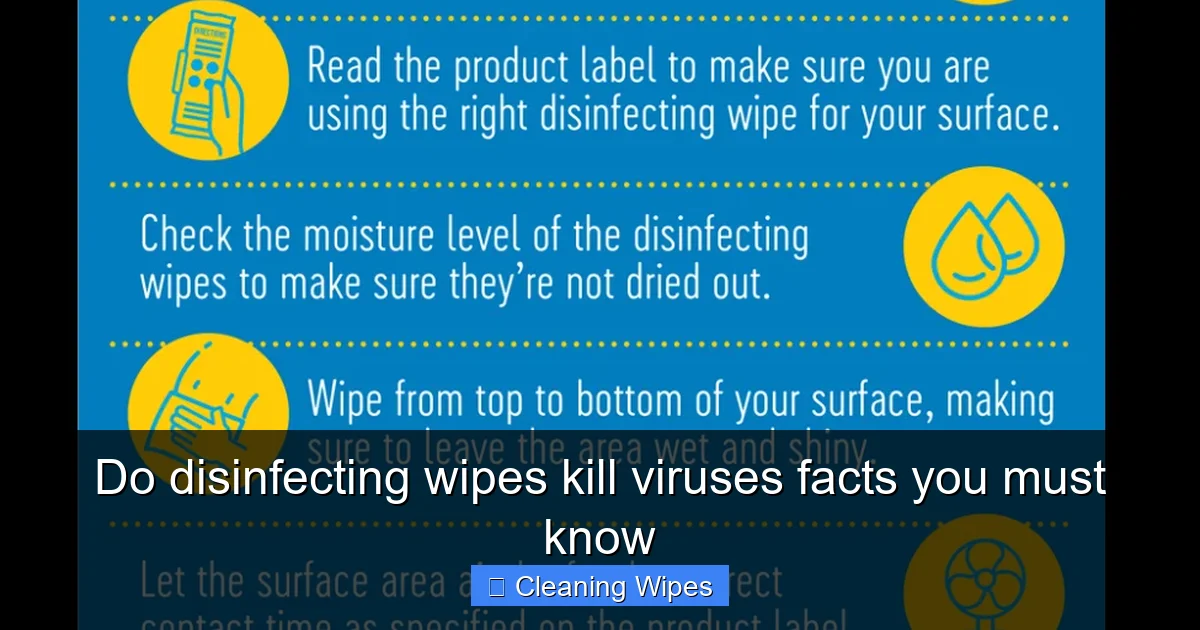
Visual guide about Do disinfecting wipes kill viruses facts you must know
Image source: dropinblog.com
Common types of wipes include:
- Baby wipes: Gentle, made for skin, usually contain no disinfectant. They do not kill viruses.
- Makeup wipes or facial wipes: For cleaning skin, not for killing germs.
- Cleaning wipes: May remove dirt and grease but may not disinfect.
- Disinfecting wipes: Specifically designed and tested to kill certain germs, including viruses.
Only the last type is meant to kill viruses on surfaces.
How to Read the Label
To see if your wipes can kill viruses, look for these clues on the label:
- Words like “disinfecting” or “antibacterial”: These show the product is meant to kill germs, not just clean.
- EPA registration number (in the U.S.): This means the product is registered as a disinfectant.
- List of organisms: Look for a list of viruses and bacteria the product kills, such as influenza, RSV, or coronavirus.
- Contact time: This tells you how long the surface must stay wet for the wipes to kill viruses.
If the label does not mention disinfecting or killing germs, the answer to “do these wipes kill viruses” is almost always no.
Step 2: Prepare the Surface Before Disinfecting
Why Cleaning Comes Before Disinfecting
Many people skip straight to wiping and hope for the best. But if the surface is covered in crumbs, grease, or visible dirt, your disinfecting wipes may not work well. Dirt can block the disinfectant from reaching viruses.
To make sure disinfecting wipes kill viruses effectively, follow this simple rule: clean first, then disinfect.
How to Clean the Surface
Before you use disinfecting wipes to kill viruses, do this:
- Remove clutter: Move items like dishes, papers, or toys off the surface.
- Wipe away debris: Use a paper towel, cloth, or a regular cleaning wipe to remove crumbs, spills, and dust.
- Dry if very wet: If there is a lot of liquid, blot it up first so the disinfectant does not get diluted.
Now your surface is ready. When you apply disinfecting wipes, the solution can directly contact the viruses on the surface.
Step 3: Use Disinfecting Wipes the Right Way
Step-by-Step Instructions
To help answer “do disinfecting wipes kill viruses in real life,” you must follow each step carefully.
- Wash or sanitize your hands first.
- If your hands are visibly dirty, wash with soap and water.
- Clean hands reduce the risk of spreading germs while you clean.
- Put on gloves if needed.
- Use disposable gloves if you have sensitive skin or are using strong disinfecting wipes.
- This also adds a layer of protection if someone in your home is sick.
- Open the container and pull out one wipe at a time.
- Make sure the lid closes tightly after each use so wipes do not dry out.
- Wipe in one direction across the surface.
- Start at one end and move to the other without going back and forth.
- This helps move germs off the surface instead of spreading them around.
- Use enough wipes to keep the surface visibly wet.
- If the surface dries before the contact time is up, use another wipe.
- Do not try to stretch one wipe over a large area if it is already drying out.
- Respect the contact time.
- Check the label for the exact time, often 2–10 minutes.
- During this time, the surface must stay wet for the disinfecting wipes to kill viruses effectively.
- Let the surface air dry.
- Do not immediately wipe it dry with a towel unless the label says you can.
- Air drying ensures the full contact time is met.
Do Not Reuse the Same Wipe Everywhere
It is tempting to use one wipe on many surfaces. But when you do this, you may move germs from one area to another. If you want disinfecting wipes to kill viruses instead of spread them, follow these tips:
- Use a fresh wipe for each small area, like one counter section or one door handle cluster.
- If the wipe looks dirty, throw it away and get a new one.
- Never rinse and reuse disinfecting wipes.
Step 4: Focus on High-Touch Surfaces
Where Disinfecting Wipes Matter Most
To use disinfecting wipes wisely, focus on surfaces that many hands touch every day. This is where viruses are most likely to spread.
Common high-touch surfaces include:
- Door handles and knobs
- Light switches
- Faucet handles
- Toilet flush handles
- Remote controls and game controllers
- Phones and tablets (check if your device can handle disinfecting wipes)
- Fridge and microwave handles
- Desk surfaces and keyboards (use carefully)
Using disinfecting wipes on these spots can help reduce the spread of colds, flu, and other viruses in your home.
How Often Should You Disinfect?
How often you need to use disinfecting wipes to kill viruses depends on your situation:
- During cold and flu season: Wipe high-touch surfaces at least once a day, more often if someone is sick.
- After visitors: Disinfect shared surfaces, especially in kitchens and bathrooms.
- In homes with young children or older adults: Consider more frequent disinfection, as these groups may be more vulnerable.
You do not need to disinfect every surface all the time. Focus on where hands go most often.
Step 5: Use Disinfecting Wipes Safely
Protect Your Skin and Lungs
Do disinfecting wipes kill viruses? Yes, but they also contain chemicals that can irritate skin or breathing for some people. To use them safely:
- Wear gloves if you have sensitive skin or are cleaning for a long time.
- Open windows or turn on a fan if you are using many wipes in a small space.
- Avoid touching your eyes, nose, or mouth while using wipes.
- Wash your hands after you finish, even if you wore gloves.
Surfaces You Should Not Use Wipes On
Some surfaces can be damaged by disinfecting wipes. Always check the label, but in general, be cautious with:
- Unfinished or unsealed wood: Wipes can strip natural oils and cause drying or discoloration.
- Natural stone like marble or granite: Some chemicals can dull or etch the surface.
- Leather furniture: Wipes can dry and crack the leather over time.
- Delicate screens: Some electronic screens can be damaged; check device manufacturer guidelines.
If you are unsure, test a small hidden area first or use a cleaner recommended for that material.
Never Mix with Other Chemicals
Do not combine disinfecting wipes with other cleaning products. Mixing chemicals, especially bleach-based products, can create dangerous fumes. Use one product at a time, and follow label directions closely.
Step 6: Dispose of Disinfecting Wipes Correctly
Trash, Not Toilet
Once you have used disinfecting wipes to kill viruses, you must throw them away properly. Used wipes belong in the trash, not in the toilet. Even if the package says “flushable,” it is safer for your plumbing and local sewer system to toss them in the bin.
To dispose of wipes safely:
- Place used wipes directly into a lined trash can.
- If cleaning up after someone who is sick, tie the trash bag closed when full.
- Wash your hands after handling the trash.
Common Mistakes That Reduce Effectiveness
Not Following Contact Time
One of the biggest reasons people ask “do disinfecting wipes kill viruses or not” is that they do not see results. Often, the problem is contact time. If you wipe a surface and then dry it right away, the disinfectant does not have enough time to work.
Always:
- Check the label for the required contact time.
- Use enough wipes to keep the surface wet for that full time.
- Let the surface air dry unless the label says otherwise.
Using on the Wrong Surfaces
Disinfecting wipes are designed for hard, non-porous surfaces. These include metal, plastic, glass, glazed tile, and sealed counters. They are not meant for fabric, carpets, or unfinished wood.
On porous surfaces, the liquid can soak in, and the disinfectant may not stay on the surface long enough to kill viruses.
Relying Only on Wipes During Illness
Do disinfecting wipes kill viruses on surfaces? Yes, but they are only one part of a bigger picture. To reduce the spread of illness, you also need:
- Frequent handwashing with soap and water
- Covering coughs and sneezes
- Staying home when sick if possible
- Ventilating rooms with fresh air
Disinfecting wipes help, but they cannot replace good hygiene and healthy habits.
How to Choose the Right Disinfecting Wipes
Match the Wipes to the Viruses You Care About
If you want to be sure your disinfecting wipes kill viruses that worry you, read the list of organisms on the label. Look for mentions of:
- Influenza (flu)
- Human coronavirus (or specific strains)
- Respiratory syncytial virus (RSV)
- Norovirus or other stomach viruses
Some wipes are broad-spectrum and cover many viruses and bacteria. Others are more limited. Choose the product that fits your needs.
Consider Fragrance, Sensitivity, and Surface Type
When picking disinfecting wipes, think about:
- Fragrance: Scented wipes may smell pleasant but can bother people with allergies or asthma. Fragrance-free options are available.
- Skin sensitivity: If you react to certain chemicals, look for gentler formulas and always wash hands after use.
- Surface compatibility: Some wipes are labeled safe for electronics or specific materials. Choose accordingly.
Troubleshooting: When Wipes Do Not Seem to Work
Surfaces Still Feel Sticky or Dirty
If surfaces feel sticky after using disinfecting wipes, it may be because:
- You did not clean visible dirt before disinfecting.
- The wipe left behind residue from previous messes.
- You used too many different products on the same area.
Fix this by cleaning first with soap and water or a general cleaner, then disinfecting, and finally wiping with a damp cloth if residue remains (after the contact time is complete).
People Keep Getting Sick
If illness keeps spreading in your home, even when you use disinfecting wipes, consider:
- Are you disinfecting high-touch surfaces daily?
- Are you keeping surfaces wet for the full contact time?
- Is everyone washing hands often and correctly?
- Are shared items like phones and remotes being disinfected?
Disinfecting wipes can help kill viruses on surfaces, but they cannot stop person-to-person spread if people are in close contact and not practicing good hygiene.
Conclusion: Do Disinfecting Wipes Kill Viruses?
So, do disinfecting wipes kill viruses? The honest answer is: yes, they can, when you choose the right product and use it exactly as directed. Disinfecting wipes are a useful tool for killing many common viruses on hard, non-porous surfaces. They are especially helpful on high-touch areas like doorknobs, light switches, and counters.
To get the most from your wipes, remember to:
- Confirm that your wipes are true disinfecting wipes.
- Clean surfaces before you disinfect.
- Keep surfaces wet for the full contact time.
- Use wipes safely and dispose of them properly.
- Combine surface disinfection with good hygiene habits.
When used correctly, disinfecting wipes are a simple, powerful way to reduce viruses in your environment and help protect your family, coworkers, and guests.