Curious about whether desk lamps emit UV light? This guide explores the presence of UV light in desk lamps, its potential effects on your health, and how to choose the right lighting for your workspace.
Key Takeaways
- Point 1: Not all desk lamps produce UV light; most traditional bulbs do not emit harmful levels.
- Point 2: LED desk lamps are generally safe as they emit minimal to no UV radiation.
- Point 3: UV light exposure can lead to skin damage and eye strain over time.
- Point 4: Opt for lamps that specifically advertise low or no UV emission for safer use.
- Point 5: Regularly changing bulbs and using protective covers can further minimize UV exposure.
- Point 6: Awareness of UV light sources in your workspace can enhance your overall health and comfort.
- Point 7: Consult product specifications to understand UV output before purchasing a desk lamp.
Do Desk Lamps Have UV Light and How Does It Affect You
In today’s world, desk lamps are essential tools for creating a productive workspace. They provide necessary light for reading, writing, and working on your computer. However, a question that often arises is whether these lamps emit UV light and how such exposure might affect your health. In this comprehensive guide, we will explore the topic of UV light in desk lamps, its potential effects on your health, and how you can choose the right lamp for your needs.
Understanding UV Light
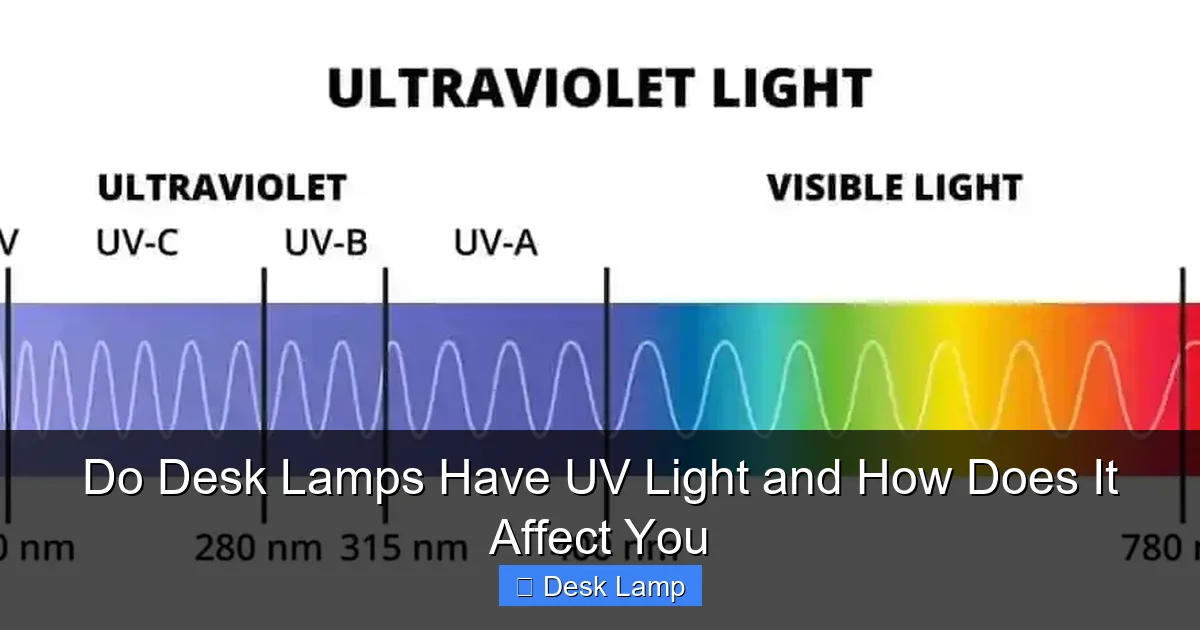
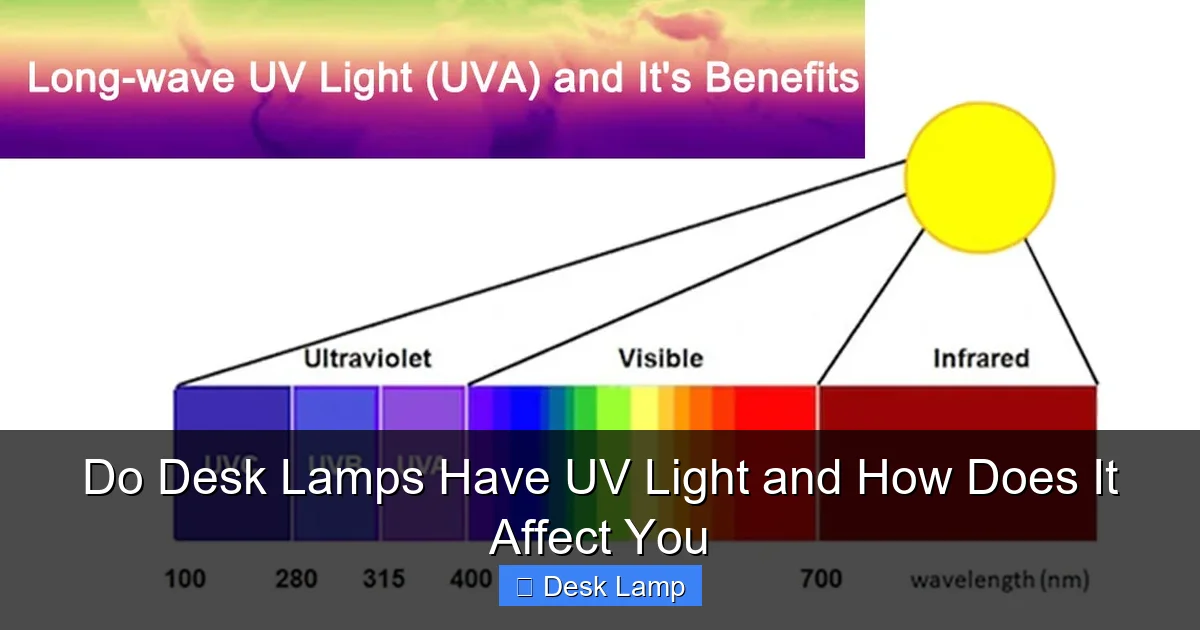
Before diving into desk lamps, let’s understand what UV light is. Ultraviolet (UV) light is a type of electromagnetic radiation that comes from the sun and artificial sources like lamps. UV light is divided into three categories:
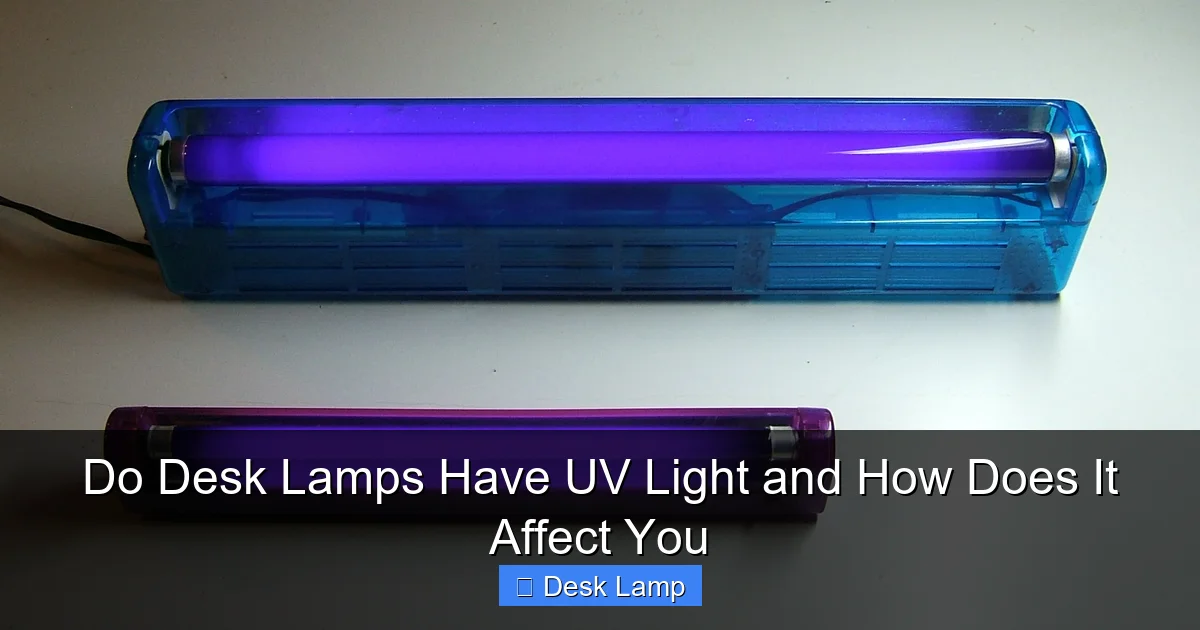
Visual guide about Do Desk Lamps Have UV Light and How Does It Affect You
Image source: warisanlighting.com
- UVA: This is the longest wavelength UV light and is generally considered the least harmful, but long-term exposure can lead to skin aging and some types of skin cancer.
- UVB: This type has a medium wavelength and is the main cause of sunburn. It can also contribute to skin cancer.
- UVC: This is the shortest wavelength and the most harmful, but it is completely absorbed by the Earth’s atmosphere and does not reach the ground.
Do Desk Lamps Emit UV Light?
The answer to this question depends on the type of desk lamp you are using. Here’s a breakdown:
Visual guide about Do Desk Lamps Have UV Light and How Does It Affect You
Image source: blog.ansi.org
Incandescent Bulbs
Most traditional incandescent bulbs emit very low levels of UV light, which are generally considered safe. The UV output is minimal, so using these lamps for regular tasks poses little risk.
Fluorescent Bulbs
Fluorescent lamps can emit more UV light compared to incandescent bulbs. While the levels are still low, prolonged exposure could potentially lead to skin issues for sensitive individuals. If you work under fluorescent lighting for long hours, consider taking breaks to reduce exposure.
LED Desk Lamps
LED lamps are becoming increasingly popular due to their energy efficiency and longevity. Most LED desk lamps emit negligible UV radiation, making them a safe choice for your workspace. However, it’s essential to check the product specifications to ensure they are labeled as low or no UV output.
Halogen Bulbs
Halogen bulbs can emit higher levels of UV radiation compared to other types. If you use halogen lamps, consider using shades or covers that can filter out UV rays.
How UV Light Affects You
Understanding the effects of UV light is crucial for making informed decisions about your desk lamp. Here are some potential impacts:
Visual guide about Do Desk Lamps Have UV Light and How Does It Affect You
Image source: uk.olicdn.com
Skin Damage
Prolonged exposure to UV light can lead to skin damage, including premature aging and an increased risk of skin cancer. While desk lamps typically don’t emit high levels of UV rays, it’s essential to be aware if you spend long hours working under certain types of lighting.
Eye Strain
UV light can contribute to eye strain and other visual discomforts. Symptoms may include dryness, irritation, and difficulty focusing. If you experience eye strain, consider adjusting your lighting or taking regular breaks.
Immune System Effects
Chronic exposure to UV light can weaken your immune system. Although the levels emitted from desk lamps are not high, it’s still worthwhile to limit exposure where possible.
Choosing the Right Desk Lamp
When shopping for a desk lamp, consider the following factors to minimize UV exposure:
Look for LED Options
LED lamps are generally the safest choice as they emit low to no UV radiation. They also use less energy and last longer than traditional bulbs.
Check Product Specifications
Always review the product specifications for UV output. Many manufacturers will clearly state whether their lamps emit UV light and at what levels.
Consider UV Filters
If you prefer using fluorescent or halogen lamps, consider purchasing UV filters or shades. These can help reduce UV exposure significantly.
Positioning Your Lamp
Position your desk lamp correctly to limit direct exposure to your skin and eyes. Ensure it is not too close, and adjust the angle to avoid direct light hitting your face.
Regular Maintenance
Regularly changing your bulbs and cleaning your lamp can improve efficiency and minimize any harmful emissions. Old bulbs may emit higher levels of UV radiation, so keep them updated.
Practical Tips for Safe Desk Lamp Use
- Take Breaks: If you are working long hours, take regular breaks away from your desk to limit UV exposure.
- Use Protective Eyewear: Consider using glasses with UV protection if you work under fluorescent lighting for extensive periods.
- Monitor Skin Changes: Keep an eye on any skin changes, especially if you spend a lot of time under certain types of lamps.
- Educate Yourself: Stay informed about the types of lighting used in your workspace and their potential effects.
Troubleshooting Common Issues
If you experience discomfort while using your desk lamp, consider the following troubleshooting tips:
Eye Strain
If you notice eye strain, check if your lamp is too bright or positioned too close. Adjust the brightness settings or change the angle of the lamp.
Skin Sensitivity
If you have sensitive skin, consider switching to an LED lamp or using UV filters to minimize exposure.
Flickering Lights
If your lamp flickers, it may indicate a problem with the bulb or the lamp itself. Try replacing the bulb or checking the connections.
Conclusion
Understanding whether desk lamps emit UV light and how it affects you is essential for creating a safe and comfortable workspace. By choosing the right lamp and being mindful of your exposure, you can enjoy your tasks without worrying about potential health risks. Opt for LED lamps, check product specifications, and take breaks to ensure a healthy working environment.
🎥 Related Video: Do SAD Lamps Actually Work?
📺 NYT Wirecutter
As people look for ways to fend off those winter blues, one common suggestion is buying a SAD lamp. But what exactly are they?