
Baby jumpers can offer fun and a new perspective for infants, but their role in physical development is limited. This guide walks you through the evidence, safety must-dos, and how to balance jumper time with crucial floor play. Making informed choices ensures your baby enjoys activity time without compromising growth.
As a parent, you want the best for your baby’s growth and happiness. You’ve probably seen baby jumpers—those colorful seats that let babies bounce and spin—and wondered, “Do baby jumpers help babies?” It’s a common question. This guide will walk you through everything you need to know. We’ll cover what baby jumpers are, their potential benefits and risks, and how to use them safely. By the end, you’ll be equipped to make smart choices for your little one’s playtime. Let’s dive in!
Key Takeaways
- Entertainment Over Development: Baby jumpers are great for fun and sensory stimulation, but they are not a primary tool for learning to walk or building core strength.
- Safety is Paramount: Proper setup, supervision, and time limits are essential to prevent injuries and ensure your baby’s well-being in the jumper.
- Limit Usage Time: Experts recommend short sessions of 10-15 minutes, no more than twice a day, to avoid overuse and promote other activities.
- Choose the Right Fit: Select a baby jumper that suits your baby’s age, weight, and developmental stage, with good support for the hips and spine.
- Complement with Floor Play: For healthy motor development, balance jumper use with plenty of tummy time and free movement on the floor.
- Monitor Baby’s Cues: Watch for signs of discomfort or fatigue, and always stop use if your baby seems unhappy or slouches in the seat.
- Consult Your Pediatrician: If you have concerns about your baby’s development or hip health, talk to a healthcare professional before using a jumper.
Step 1: Understand What Baby Jumpers Are and How They Work
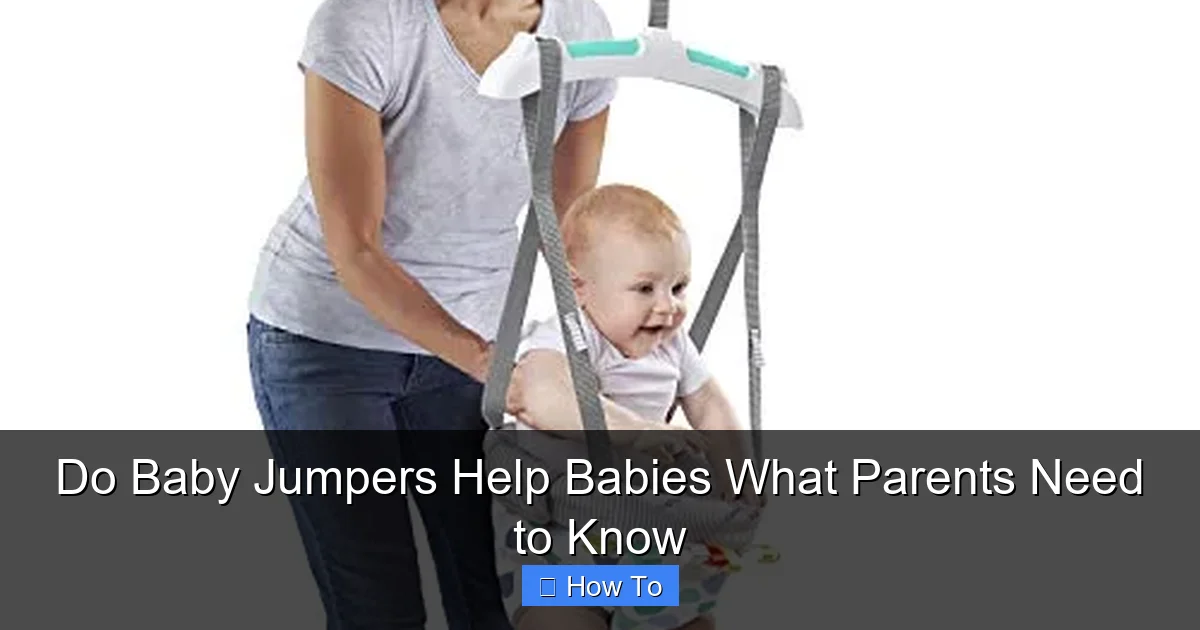
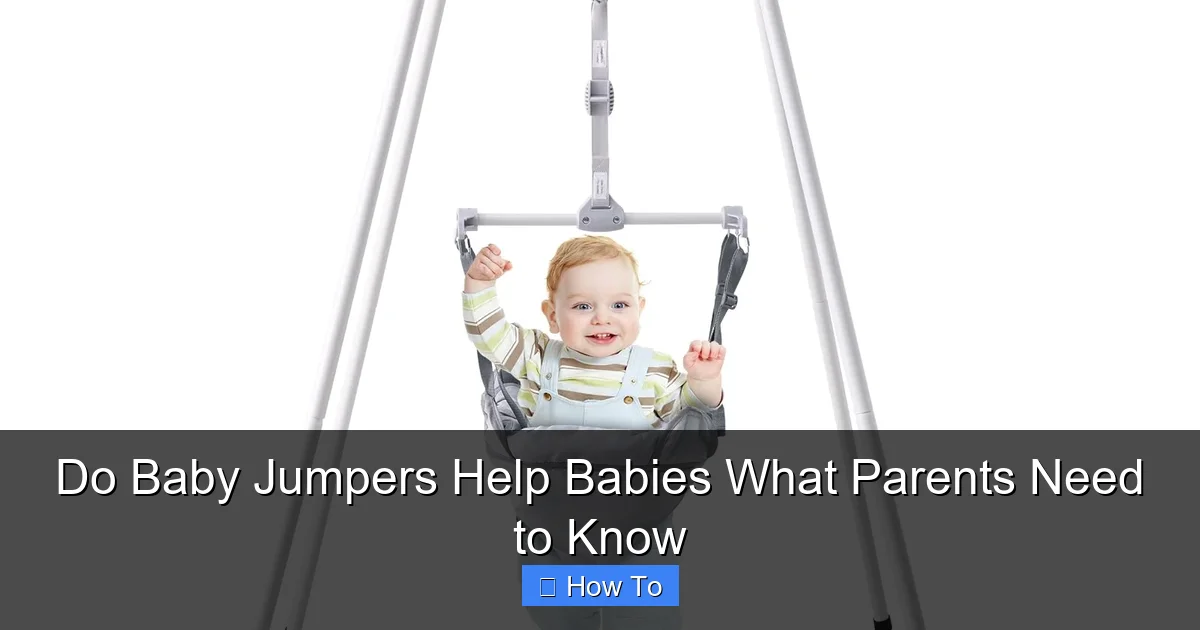
Baby jumpers are activity centers designed for infants. They typically have a fabric seat suspended by elastic bands or springs from a frame or doorway. The seat allows babies to push off the floor with their toes, creating a bouncing motion. Many models come with toys, lights, and sounds attached to the tray. Baby jumpers are meant for babies who can hold their head up steadily, usually around 4 to 6 months old. They provide a supported upright position, giving babies a new view of the world. But remember, not all baby jumpers are the same. Some are stationary activity centers, while others are doorway jumpers. Understanding this helps you decide if a baby jumper is right for your family.
Types of Baby Jumpers
There are two main types of baby jumpers. First, doorway jumpers hang from a frame or a door jam. They offer a wide bounce range. Second, stationary jumpers sit on the floor with a spring-loaded base. These often have more activities. Both types aim to entertain, but safety features vary. When looking at baby jumpers, check for sturdy construction and secure straps.
Step 2: Evaluate the Potential Benefits of Baby Jumpers
Baby jumpers can offer some perks when used correctly. Let’s explore these benefits so you can see how they might help your baby.
Visual guide about Do Baby Jumpers Help Babies What Parents Need to Know
Image source: m.media-amazon.com
Fun and Entertainment
Baby jumpers are a source of joy for many infants. The bouncing motion is exciting. The attached toys stimulate senses. This can give you a short break while your baby plays happily. A happy baby means a less stressed parent. That’s a win-win.
Leg Muscle Engagement
When babies push off the floor, they use their leg muscles. This can strengthen their calves and thighs. However, it’s important to note that this action is not the same as the coordinated movements needed for walking. So, while baby jumpers provide some exercise, it’s limited to specific muscles.
Sensory and Visual Stimulation
The toys and sounds on baby jumpers engage your baby’s senses. They can reach, grab, and explore. This helps with hand-eye coordination. The upright position also lets them see more of their surroundings. This can be great for curiosity.
Step 3: Recognize the Risks and Limitations
Now, let’s talk about the other side. Baby jumpers have downsides that parents must know. Being aware helps you avoid common pitfalls.

Visual guide about Do Baby Jumpers Help Babies What Parents Need to Know
Image source: christmasjumpershop.co.uk
Limited Motor Development
Research shows that baby jumpers do not help babies learn to walk. In fact, overuse might delay motor skills. Why? Babies in jumpers often use their toes to bounce, which can reinforce tiptoe standing. This isn’t ideal for learning to walk flat-footed. Also, time in a baby jumper takes away from tummy time and floor play, which are crucial for crawling and rolling.
Safety Concerns
Baby jumpers can be risky if not used properly. Falls are a big concern, especially with doorway models. Babies might bounce into door frames or furniture. Also, improper seat adjustment can lead to poor posture or hip strain. Always supervise your baby in the jumper.
Potential for Overuse
It’s easy to let babies stay in jumpers for too long. This can lead to fatigue or discomfort. Plus, babies need variety in their movements. Relying solely on baby jumpers for activity can hinder overall development.
Step 4: Choose the Right Baby Jumper
If you decide to use a baby jumper, picking the right one is key. Follow these sub-steps to make a good choice.
Visual guide about Do Baby Jumpers Help Babies What Parents Need to Know
Image source: m.media-amazon.com
Check Age and Weight Recommendations
Every baby jumper has guidelines. Typically, they’re for babies aged 4-12 months who can hold their head up. Weight limits vary, usually up to 25-30 pounds. Don’t use a jumper if your baby is too small or too big. This ensures safety and comfort.
Look for Safety Features
Choose a baby jumper with a wide, stable base if it’s a stationary model. For doorway jumpers, ensure the clamp is secure. The seat should have good back support and adjustable straps. A removable toy tray is a plus for easy cleaning. Always read reviews and recall notices.
Consider Your Space
Measure your home. Doorway jumpers need a strong door frame. Stationary jumpers need floor space away from stairs or hazards. Think about where you’ll place the baby jumper to keep your baby safe.
Step 5: Use Baby Jumpers Safely
Safety is the most important part. Here’s how to use baby jumpers without worry.
Set Up in a Safe Area
Place the baby jumper on a flat, clean floor. Remove any sharp objects or cords nearby. For doorway jumpers, install it on a sturdy door that swings away from the jumper. Never put it near stairs, heaters, or pools. Always double-check the setup before placing your baby in.
Adjust the Height Properly
Your baby’s feet should touch the floor flatly when seated. Not just the toes! This prevents tiptoe habits and ensures proper leg alignment. Adjust the straps so the seat is snug but not tight. Your baby should sit upright without slouching.
Supervise Constantly
Never leave your baby alone in a baby jumper. Stay in the same room to watch for signs of trouble. Babies can get tangled or try to climb out. Your presence is crucial for immediate help if needed.
Limit Time in the Jumper
Keep sessions short. Start with 5-10 minutes, once or twice a day. As your baby grows, you can go up to 15 minutes, but avoid exceeding that. Total daily time in baby jumpers should be less than 30 minutes. This prevents overuse and encourages other activities.
Step 6: Integrate Baby Jumpers with Other Activities
Baby jumpers should be just one part of your baby’s play routine. Balance is essential for healthy development.
Prioritize Floor Play
Make tummy time a daily habit. Let your baby roll, crawl, and explore on a play mat. These activities build core strength, coordination, and motor skills. Aim for at least 30 minutes of floor play spread throughout the day.
Mix in Different Toys
Rotate toys to keep things interesting. Use rattles, soft blocks, and books during playtime. This engages different senses and skills. Baby jumpers with attached toys are fun, but don’t rely solely on them.
Encourage Natural Movement
Hold your baby in standing positions on your lap. Let them practice bearing weight on their feet with your support. This mimics natural walking practice and is better than time in a baby jumper for leg development.
Troubleshooting Common Issues with Baby Jumpers
Sometimes, things don’t go as planned. Here are solutions to common problems.
Baby Seems Unhappy in the Jumper
If your baby cries or fusses, take them out immediately. Check for discomfort: is the seat too tight? Are they tired or hungry? Maybe they just don’t like the baby jumper. Try again later or skip it altogether. Every baby is different.
Baby Bounces on Toes Only
This is a sign the jumper is too high. Lower the seat so their feet are flat. If that doesn’t work, your baby might not be ready for a baby jumper. Wait a few weeks and try again, or focus on floor play instead.
Jumper Moves or Tips Over
Ensure the baby jumper is on a non-slip surface. For stationary models, check that all parts are locked. For doorway jumpers, verify the clamp is tight. If it still moves, stop using it and contact the manufacturer. Safety first!
Conclusion
So, do baby jumpers help babies? The answer is nuanced. Baby jumpers can be a fun tool for short bursts of entertainment and light exercise. However, they are not a magic solution for development. In fact, overuse can pose risks. The key is moderation and balance. Use baby jumpers safely, limit time, and always pair them with plenty of floor play. By following this guide, you can make informed decisions that support your baby’s growth and happiness. Remember, every baby is unique. Watch your little one’s cues, consult your pediatrician if unsure, and enjoy these playful moments together.
🎥 Related Video: Are Baby Jumpers Beneficial Or Harmful For Babies?
📺 Jamie Mitchell MS,PT
Baby jumpers are very popular for both babies and parents. However, they place babies at risk of developmental delays and …
