
The direct link between baby jumpers and permanent bow legs is a widespread myth. This guide explores the real causes of leg bowing in infants, which is typically a normal part of development called physiologic genu varum. However, improper or excessive use of jumpers can pose other risks to a baby’s developing hips, spine, and muscles. Learn the facts and how to use these popular devices safely.
Key Takeaways
- Myth vs. Reality: There is no scientific evidence that properly used baby jumpers cause permanent bow legs. This is a common misconception.
- Real Cause of Bow Legs: Most infant bowing, known as physiologic genu varum, is a normal developmental phase where legs straighten naturally by age 2-3.
- True Risks of Jumpers: The primary concerns are not bow legs but hip dysplasia risk from improper positioning, delayed motor skills, and toe-walking from overuse.
- Safe Usage is Crucial: You can mitigate risks by waiting until your baby has good head control, limiting time to 15-20 minutes, and ensuring proper posture.
- Focus on Alternatives: Prioritize plenty of unrestricted floor time (tummy time and back play) for optimal muscle and motor skill development.
- Know When to Worry: Consult a pediatrician if leg bowing is severe, asymmetric, worsening after age 2, or accompanied by pain or limping.
Do Baby Jumpers Cause Bow Legs? The Truth
As a parent, you want the absolute best for your baby’s development. You’ve likely seen the adorable baby jumpers and activity centers. They promise happy, bouncing babies and a few precious minutes of hands-free time. But you’ve also probably heard the worrying rumor: “Baby jumpers cause bow legs.” This claim spreads through playground chats and online forums, causing unnecessary anxiety. So, what’s the truth? This complete guide will separate fact from fiction, explain the real science behind your baby’s leg development, and give you a clear, step-by-step plan for making safe choices.
We will walk through the evidence, debunk the myth, and explore the actual risks and benefits of baby jumpers. You’ll learn not just about legs, but about hip health, motor skills, and how to use these popular products wisely. Let’s jump in and get the facts straight.
Step 1: Understand What “Bow Legs” Really Are
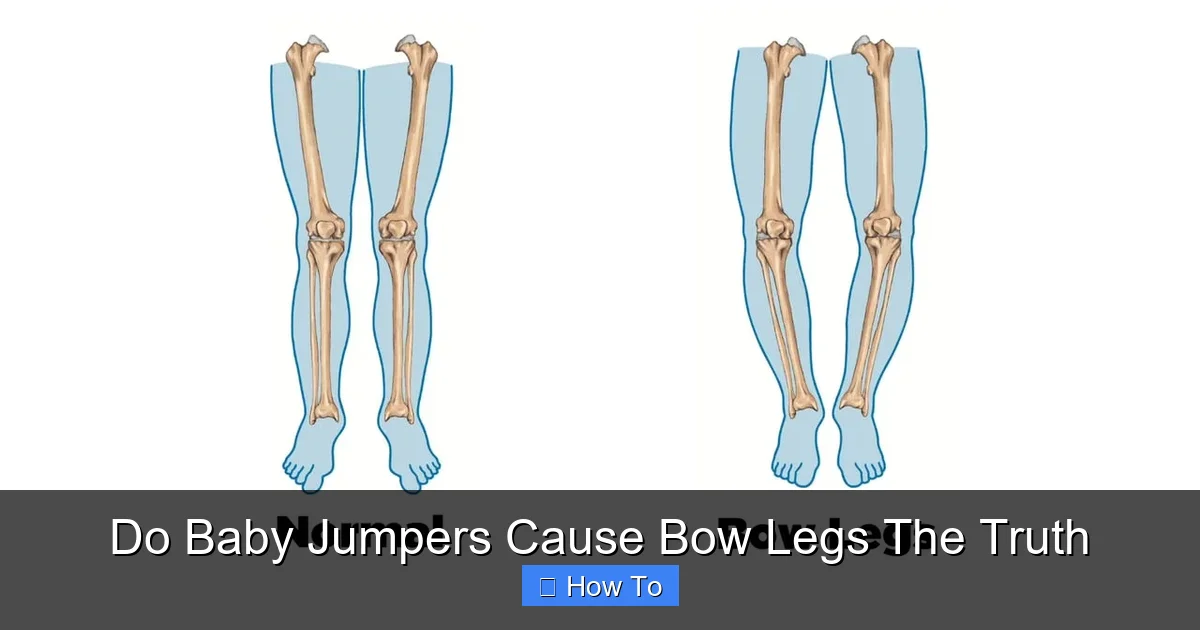
First, let’s define our terms. “Bow legs” is the common name for a condition doctors call genu varum. It’s when a person stands with their feet together, but their knees remain wide apart, creating a bow-like shape with the legs.
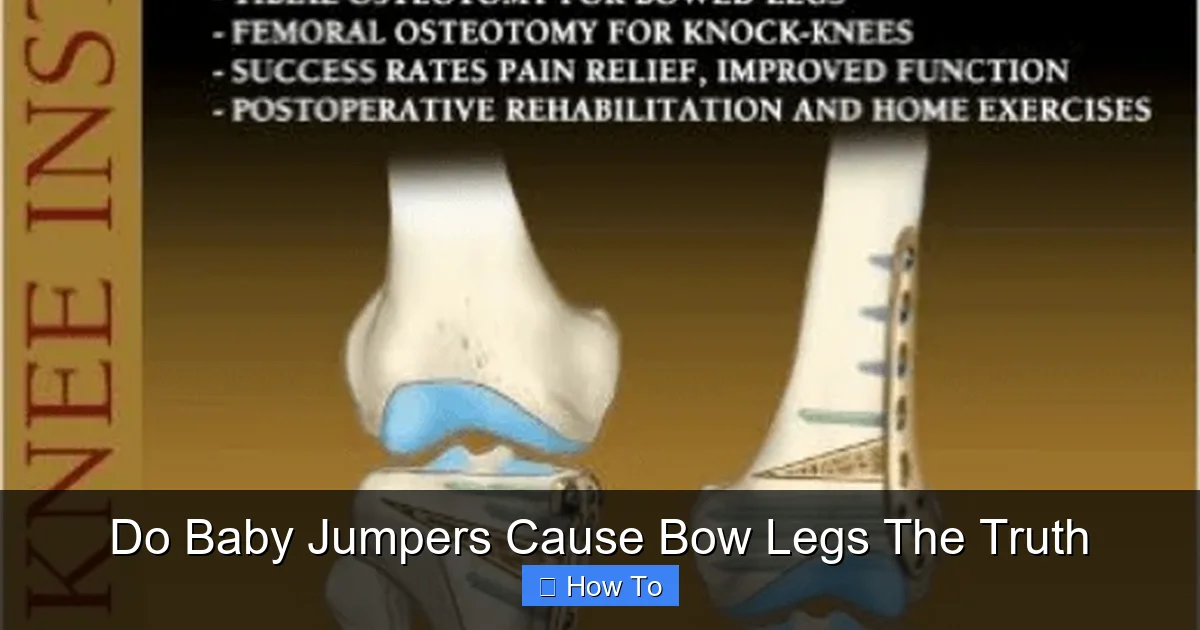
Visual guide about Do Baby Jumpers Cause Bow Legs The Truth
Image source: noyeskneeinstitute.com
Normal Physiologic Genu Varum
For the vast majority of babies, bow legs are completely normal and temporary. This is called “physiologic genu varum.” Here’s why it happens:
- Womb Position: Babies spend months curled up in the fetal position. This naturally curves their leg bones.
- Developing Bones: Infant bones are softer and more pliable. The weight-bearing process helps them gradually remodel and straighten.
- The Natural Straightening Process: Bowing is often most noticeable when a baby starts to stand and walk (around 12-18 months). As they walk more, the leg bones naturally bear weight and align. Most children’s legs straighten on their own by age 2-3.
Think of it as a developmental phase, not a defect.
Pathological Bow Legs: When It’s a Problem
In rare cases, bow legs can be caused by an underlying medical condition. This is “pathologic genu varum.” Causes include:
- Blount’s Disease: A growth disorder affecting the shin bone.
- Rickets: A vitamin D or calcium deficiency that softens bones.
- Genetic Bone Disorders.
- Fractures that heal incorrectly.
These conditions are not caused by baby gear. They require a medical diagnosis and treatment.
Step 2: Debunk the Myth: The Science on Jumpers and Bones
Now, let’s tackle the big question head-on. The belief is that the bouncing action and the way a baby’s legs dangle in a jumper put uneven pressure on the soft leg bones, causing them to bow.
Visual guide about Do Baby Jumpers Cause Bow Legs The Truth
Image source: doctortipster.com
The Verdict: This is a myth. There is no credible scientific study or medical body that has established a direct causal link between the proper use of baby jumpers and the development of permanent bow legs. The American Academy of Pediatrics (AAP) discusses risks of walkers and jumpers related to safety and development, but does not list bow legs as a proven outcome.
The logic flaw is in misunderstanding bone development. The gentle, self-directed bouncing in a jumper does not apply the kind of sustained, abnormal force needed to permanently deform bone. Normal physiologic bowing is driven by genetics and natural growth patterns, not by a few minutes of bouncing each day.
Step 3: Identify the Real Risks of Baby Jumpers
Just because jumpers don’t cause bow legs doesn’t mean they are risk-free. The real concerns are different and important for parents to know.
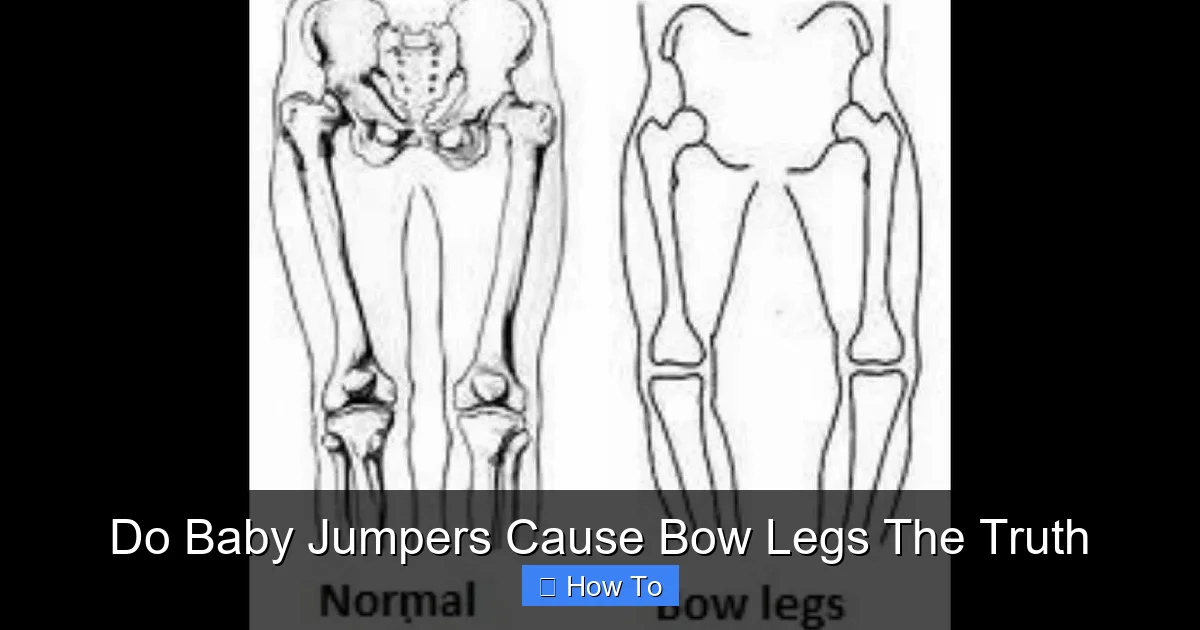
Visual guide about Do Baby Jumpers Cause Bow Legs The Truth
Image source: i.ytimg.com
Risk 1: Hip Development Issues
This is the most significant physical risk. A baby’s hip sockets are shallow at birth and deepen as the ball of the femur (thigh bone) presses into it properly. Some jumper positions can encourage:
- Leg Dangling: If the seat is too high, a baby’s legs dangle with toes pointing down. This doesn’t support the hips in a stable, “seated” position.
- Forced Standing: Placing a baby who cannot support their own weight into a standing position can stress the hips and spine.
Improper positioning over time could contribute to hip dysplasia, especially in babies already at risk.
Risk 2: Delayed Motor Skill Development
Time in a jumper is time not spent on the floor. Babies develop crucial skills like rolling, sitting up, crawling, and pulling to stand through unrestricted movement. Jumpers can:
- Restrict natural movement exploration.
- Delay the strengthening of core and leg muscles needed for independent walking.
Risk 3: Encouraging Toe-Walking
Many babies naturally push off with their toes in jumpers. If used excessively, this can reinforce a toe-walking habit that persists outside the jumper, potentially affecting calf muscle development and walking gait.
Risk 4: Safety Hazards
Jumpers can tip over, babies can collide with door frames or furniture, and they provide access to things they shouldn’t touch. Always use them under direct adult supervision.
Step 4: How to Use a Baby Jumper Safely (If You Choose To)
If you decide to use a jumper, following these steps can maximize safety and minimize any potential downsides.
Step 4.1: Check Readiness & Timing
Do not place a baby in a jumper before they are developmentally ready. Key signs of readiness include:
- Good, steady head and neck control.
- Showing interest in pushing up with legs when held in a standing position.
- Typically around 5-6 months old, but always follow your baby’s cues, not just age.
Step 4.2: Ensure Perfect Posture & Fit
- Feet Flat: Adjust the height so your baby’s feet are flat on the floor, not dangling or tiptoeing.
- Proper Hip Position: The seat should support the baby in a “sitting” posture, with hips bent and slightly spread apart (like in a carrier). Avoid seats that force legs straight down.
- Knee Bend: There should be a slight, comfortable bend in the knees when feet are flat.
Step 4.3: Enforce Strict Time Limits
This is the golden rule. Limit jumper sessions to 10-20 minutes, no more than twice a day. Use a timer. This short duration allows for fun but prevents it from replacing essential floor time.
Step 4.4: Supervise and Create a Safe Zone
Always watch your baby in the jumper. Place it in a clear area away from stairs, cords, hot surfaces, or furniture they could push off from.
Step 5: Prioritize Essential Developmental Activities
The best way to ensure healthy bone and muscle development is to focus on the basics. A baby jumper should be a brief entertainment tool, not a developmental strategy.
Activity 1: Unlimited Floor Time
This is non-negotiable. Give your baby plenty of time on a clean, safe mat to:
- Roll, twist, and reach (builds core).
- Practice tummy time (strengthens neck, back, and shoulders).
- Scoot, crawl, and explore (develops coordination and leg muscles).
Activity 2: Assisted Standing & Walking
Hold your baby under their arms and let them bear weight on their legs on a firm surface. This allows for natural joint alignment and muscle building without the constraints of a device.
Activity 3: Strengthening Play
Encourage movements that build leg strength naturally, like pushing against your hands while on their back or bouncing gently on your lap.
Troubleshooting: When to Be Concerned About Your Baby’s Legs
Forget the jumper myth. Here are the real red flags for leg development that warrant a pediatrician’s visit:
- Asymmetry: One leg is noticeably more bowed than the other.
- Worsening Condition: The bowing gets progressively worse after age 2.
- No Improvement: Legs are still significantly bowed beyond age 3.
- Pain or Limping: Your child complains of leg pain, knee pain, or has an abnormal walk.
- Severe Bowing: The space between the knees is more than 3 inches when ankles are together.
Action: If you observe any of these, schedule an appointment with your pediatrician. They can assess whether it’s normal physiology or requires further investigation.
Conclusion
So, do baby jumpers cause bow legs? The clear answer is no. This persistent myth confuses a normal developmental phase with the effects of a piece of baby gear. The real takeaway is that while jumpers are not the bone-bowing villains they’re made out to be, they do come with a set of different risks—primarily to hip health and motor skill development.
Informed parenting is about balance. You can choose to use a baby jumper safely by following the guidelines on readiness, posture, and, most critically, strict time limits. But never let it replace the irreplaceable: plenty of free, unrestricted floor play. Focus on providing a rich environment for natural movement, trust in your baby’s ability to grow and straighten in their own time, and always consult your pediatrician with specific concerns about your child’s unique development. Now you know the truth, and you can make confident choices for your little one.
🎥 Related Video: The Hidden Danger of Trampolines! ⚠️
📺 Shadow Gainz
Ever experienced a harsh trampoline landing? Learn about the ‘dead bounce’ and why it’s dangerous! Keep your jumps safe …
