

Do Armor All cleaning wipes kill germs? The short answer is no—most Armor All cleaning wipes are designed to clean and protect surfaces, not disinfect them. This guide explains what these wipes actually do, how to use them correctly, and when you should switch to genuine disinfecting wipes. By the end, you’ll know exactly how to keep your car or home surfaces clean, shiny, and safe from germs using the right products in the right way.
Key Takeaways
- Point 1: Standard Armor All cleaning wipes are cleaners and protectants, not EPA-registered disinfectants, so they do not reliably kill germs.
- Point 2: Always read the label; if it does not say “disinfectant,” “antibacterial,” or list kill claims, the wipes are meant for cleaning only.
- Point 3: To kill germs on surfaces, use proper disinfecting wipes in addition to Armor All cleaning wipes, not instead of them.
- Point 4: You can safely use Armor All cleaning wipes on many car interiors, but test on a small area first and avoid screens unless the label says it’s safe.
- Point 5: Cleaning first and then disinfecting gives better germ control than disinfecting dirty surfaces.
- Point 6: Good hand hygiene and ventilation are as important as surface cleaning when it comes to reducing germs.
- Point 7: Understanding what your wipes can and cannot do helps you choose the right product for shine, protection, and hygiene.
Do Armor All Cleaning Wipes Kill Germs? Truth Revealed
When people clean their car or home, they often assume that wiping a surface means germs are gone. Many ask, “Do Armor All cleaning wipes kill germs?” The truth is a bit more detailed than a simple yes or no. This guide explains what Armor All cleaning wipes are really made to do, how they work, and how to use them safely and effectively.
You will learn the difference between cleaning and disinfecting, how to read a wipe label, and how to build a simple routine that keeps your car looking great while still dealing with germs the right way. By the end, you will know exactly when to reach for Armor All cleaning wipes and when to pick a true disinfecting wipe instead.
Understanding What Armor All Cleaning Wipes Actually Do
Before you can answer the question “Do Armor All cleaning wipes kill germs?” you need to know what these wipes are designed for. Most Armor All cleaning wipes are made for car care, not medical or household disinfection.
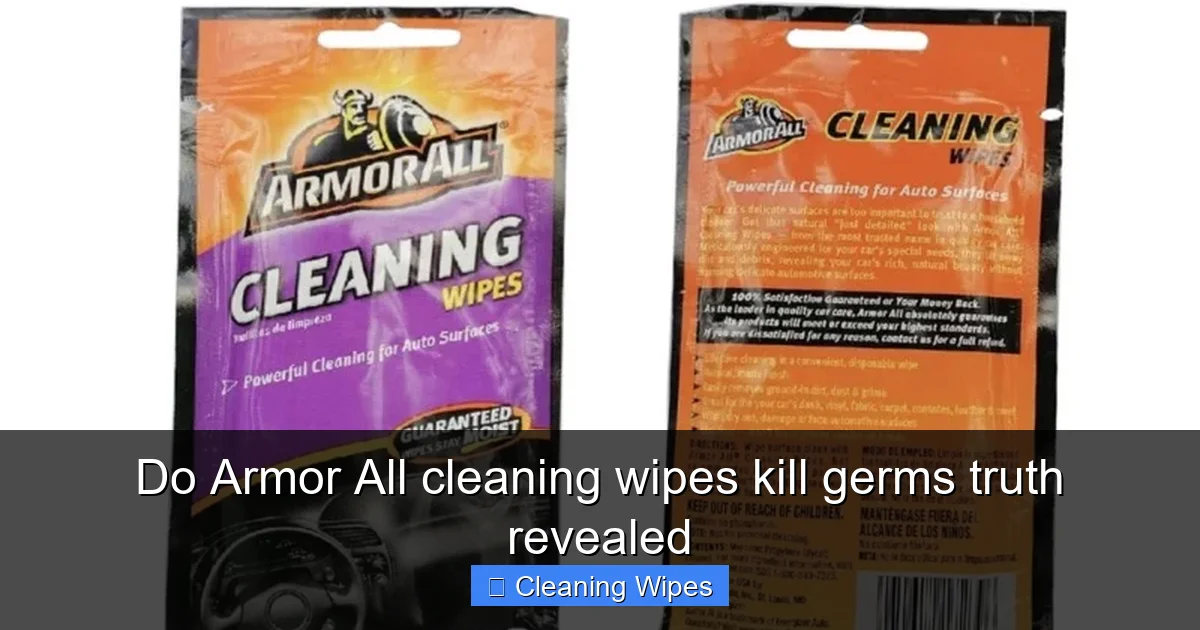
Visual guide about Do Armor All cleaning wipes kill germs truth revealed
Image source: cf.shopee.ph
Cleaning vs Disinfecting: Why It Matters
Many people mix up these two words. They sound similar, but they are not the same:
- Cleaning means removing dirt, dust, food, oils, and some germs from a surface. Cleaning wipes like Armor All cleaning wipes do this job. They lift grime and leave things looking fresh.
- Disinfecting means killing germs such as bacteria and viruses on a surface. Disinfecting wipes are usually registered with the EPA (in the U.S.) and have clear claims like “kills 99.9% of germs.”
So, do Armor All cleaning wipes kill germs? Standard formulas focus on cleaning and protecting surfaces, not on killing germs. They may remove some germs simply by wiping them away, but they are not tested or marketed as germ killers.
What the Label Usually Tells You
If you want to know whether a product kills germs, the label is your best friend. Look for wording such as:
- “Disinfectant” or “antibacterial”
- “Kills 99.9% of bacteria and viruses”
- An EPA registration number (in the U.S.)
Most Armor All cleaning wipes do not make these claims. Instead, they say things like “cleans,” “protects,” “shines,” or “restores.” That tells you they are made for surface appearance and care, not for germ-killing power.
So when you ask, “Do Armor All cleaning wipes kill germs?” the honest answer is: they are not designed or marketed as disinfectants. They clean surfaces very well, but you should not rely on them alone when you need real germ control.
Step 1: Decide What You Really Need – Shine or Germ Control?
Before you grab any wipe, think about your goal. Do you want a clean, shiny dashboard? Or are you trying to reduce germs after someone was sick in your car?

Visual guide about Do Armor All cleaning wipes kill germs truth revealed
Image source: premiumcarcare.com.au
When Armor All Cleaning Wipes Are Enough
Armor All cleaning wipes work well when you want to:
- Remove dust, fingerprints, and light dirt from your dashboard
- Clean door panels, vinyl, and plastic trim
- Wipe up small spills or smudges inside the car
- Freshen the look of surfaces between deeper cleanings
In these cases, your main goal is appearance and basic cleanliness. You are not trying to kill germs specifically, so Armor All cleaning wipes are usually fine.
When You Need Real Disinfection
There are times when the question “Do Armor All cleaning wipes kill germs?” becomes very important. For example:
- Someone with a cold or flu has been in your car
- You drive passengers often (rideshare, carpool, work vehicle)
- You share the car with children, elderly people, or anyone with a weak immune system
- You are cleaning high-touch areas like steering wheels, door handles, and gear shifts during illness season
In these situations, you should not depend on Armor All cleaning wipes to kill germs. Use them for cleaning, but follow up with a proper disinfecting wipe that is safe for that surface.
Step 2: How to Read Armor All Cleaning Wipe Labels Correctly
To really understand if Armor All cleaning wipes kill germs, you must learn to read the label like a pro. This is easier than it sounds.
Look for Disinfecting Claims
Pick up the container and scan the front and back. Ask yourself:
- Does it say “disinfecting wipes” anywhere?
- Does it mention “kills 99.9% of germs” or similar wording?
- Is there an EPA Reg. No. listed on the back?
If the answer is no, then the product is not being sold as a germ killer. That means, in practical terms, that Armor All cleaning wipes do not kill germs in a tested, proven way. They may remove germs by wiping them away, but that is not the same as disinfection.
Check the Intended Use
Next, look for the “Uses” or “Directions” section. It often says things like:
- “For cleaning vinyl, plastic, and rubber surfaces”
- “Restores shine and helps protect from UV damage”
- “Not for use on glass or painted surfaces” (varies by product)
You will usually not see directions to leave the surface wet for a certain number of minutes. True disinfectants often require a “contact time” to kill germs. If there is no contact time, it is another sign that the wipe is made for cleaning, not disinfection.
Step 3: How to Use Armor All Cleaning Wipes the Right Way
Even though most Armor All cleaning wipes do not kill germs, they still play an important role in your cleaning routine. Here is how to use them correctly for best results.
Prepare the Area
Before you start wiping, do a quick prep:
- Remove loose items like papers, trash, and personal items from the car.
- Shake out floor mats to get rid of loose dirt and debris.
- Vacuum if you can, especially seats and carpets. This keeps your wipes from getting dirty too fast.
This simple prep step makes your Armor All cleaning wipes work better, because they focus on surface grime instead of big chunks of dirt.
Test on a Small Spot First
Not all surfaces react the same way to cleaners. To stay safe:
- Pick a small, hidden area of the surface.
- Wipe it gently with one Armor All cleaning wipe.
- Wait a few minutes and check for discoloration, streaking, or stickiness.
If everything looks normal, you can move on. If not, do not use the wipes on that surface.
Wipe in Small Sections
Use a fresh Armor All cleaning wipe and work in sections:
- Start with the dashboard. Wipe in smooth, overlapping strokes.
- Move to door panels and center console.
- Finish with low-touch areas like lower trim and seat bases.
Flip the wipe as it gets dirty. When both sides look used, grab a new wipe. This keeps you from spreading dirt around instead of removing it.
Let the Surface Dry
After wiping, let the surface air dry. Do not buff it off right away unless the label tells you to. Many Armor All cleaning wipes leave a light protective layer that helps surfaces look better and resist dust.
Step 4: How to Handle Germs the Right Way
Now to the heart of the question: “Do Armor All cleaning wipes kill germs?” Since the answer is generally no for standard formulas, you need a second step if germ control is your goal.
Clean First, Then Disinfect
Disinfectants work best on clean surfaces. Dirt and oils can block them. So the ideal routine is:
- Step 1: Clean with Armor All cleaning wipes to remove dirt and grime.
- Step 2: Disinfect with a proper disinfecting wipe that is safe for that material.
For example, clean your steering wheel, gear shift, and door handles with Armor All cleaning wipes. Then, use a disinfecting wipe with germ-kill claims. Make sure the disinfecting wipe is safe for the surface and follow its directions.
Follow Contact Time for Disinfecting Wipes
Disinfecting wipes often need to stay wet on the surface for a certain time to kill germs. This is called “contact time.” Common times range from 2 to 10 minutes, depending on the product and the germs listed.
So, even though Armor All cleaning wipes do not kill germs, they prepare the surface. Then your disinfecting wipe can do its job properly.
Be Careful with Screens and Sensitive Surfaces
Many modern cars have touchscreens and delicate finishes. Some disinfecting wipes can damage these surfaces over time. To stay safe:
- Check your car manual for cleaning advice on screens and glossy trim.
- Use wipes that are labeled safe for electronics, if needed.
- Never assume that because a wipe kills germs, it is safe for every surface.
In many cases, a microfiber cloth and a screen-safe cleaner are better for displays. Remember, the goal is to balance cleanliness, germ control, and surface protection.
Step 5: Extra Hygiene Tips Beyond Wipes
Even if you use the perfect mix of Armor All cleaning wipes and disinfecting wipes, you still need good habits to manage germs.
Wash or Sanitize Your Hands
Most germs spread through hands, not just surfaces. To reduce risk:
- Wash your hands with soap and water for at least 20 seconds when you can.
- Keep a small bottle of hand sanitizer in your car for quick use.
- Avoid touching your face, especially eyes, nose, and mouth, with unwashed hands.
This matters even more if you share your car with others or handle shared items like tools, bags, or equipment.
Ventilate Your Car
Germs can travel in the air, especially in a closed space like a car. Help fresh air move:
- Open windows when weather allows, especially after driving sick passengers.
- Use the car’s ventilation system to bring in outside air, not just recirculate inside air.
- Air out the car after using strong cleaners or disinfectants.
Good airflow does not replace cleaning or disinfection, but it does support a healthier environment.
Troubleshooting Common Problems with Armor All Cleaning Wipes
As you use Armor All cleaning wipes, you may run into a few issues. Here is how to handle them.
Problem: Surfaces Feel Sticky After Use
If a surface feels sticky after using Armor All cleaning wipes:
- You may be using too many wipes on the same area.
- The product may not be fully drying before you touch it.
- There may be a build-up from repeated applications.
To fix this, wipe the area with a clean, slightly damp microfiber cloth to remove excess product. Next time, use fewer wipes and allow more drying time.
Problem: Streaks or Shine Is Too Glossy
Some people prefer a matte look inside their car. If Armor All cleaning wipes leave more shine than you like:
- Buff the surface gently with a dry microfiber cloth after it dries.
- Use the wipes less often, or only on areas that can handle more shine.
- Check if Armor All offers a “matte finish” or low-gloss product better suited to your taste.
Problem: Skin Irritation After Using Wipes
Although many people use Armor All cleaning wipes without issues, some may have sensitive skin. If you notice irritation:
- Wear disposable gloves when cleaning.
- Avoid touching your face while using the wipes.
- Wash your hands with soap and water after cleaning.
If irritation continues, stop using the product and talk to a healthcare professional if needed.
Problem: Confusion About Germ Protection
If you still find yourself asking, “Do Armor All cleaning wipes kill germs?” remember this simple rule:
- If the label does not say disinfect or list germ-kill claims, assume it does not reliably kill germs.
- Use Armor All cleaning wipes for cleaning and surface care.
- Use a separate, labeled disinfecting wipe for germ control.
Putting It All Together: A Simple Cleaning and Germ Control Routine
To make everything easy, here is a simple routine you can follow:
- Daily or Weekly: Use Armor All cleaning wipes to remove dust and light dirt from the dashboard, console, and door panels.
- After Illness or Heavy Use: Clean high-touch areas with Armor All cleaning wipes first. Then, use surface-safe disinfecting wipes on steering wheel, gear shift, door handles, radio knobs, and seat belt buckles.
- Monthly or As Needed: Do a deeper clean. Vacuum, wipe all surfaces, treat seats with appropriate cleaners, and check for any sticky build-up to remove.
- Always: Wash or sanitize hands after driving, especially if you share the car.
Conclusion: The Real Truth About Armor All Cleaning Wipes and Germs
So, do Armor All cleaning wipes kill germs? In most cases, no. They are excellent at cleaning, shining, and protecting surfaces like dashboards, vinyl, and plastic. But they are not made or tested as disinfectants, and they usually do not carry any germ-kill claims.
That does not mean you should stop using them. It simply means you should use them for what they are designed to do: clean and care for surfaces. When you need to reduce germs, pair them with proper disinfecting wipes that are safe for your car’s materials.
By understanding the difference between cleaning and disinfecting, reading labels carefully, and using the right product for each job, you can enjoy a car that looks great and feels safer for you and your passengers. Armor All cleaning wipes are a valuable part of that routine, as long as you know their limits and strengths.