
Yes, you can use certain lens cleaning wipes on a computer screen, but only if they are alcohol-free and designed for delicate electronics or coated lenses. This guide explains how to check if your wipes are safe, how to clean your screen step by step, and what to avoid so you do not damage your display. Follow these simple tips to keep your monitor clean, streak-free, and protected for the long term.
Key Takeaways
- Point 1: You can use lens cleaning wipes on a computer screen only if they are alcohol-free and safe for coated or electronic displays.
- Point 2: Always power off and cool down your computer before wiping the screen to avoid streaks and damage.
- Point 3: Never use harsh chemicals, ammonia, or paper towels on a modern computer screen, as they can scratch or strip the coating.
- Point 4: Wipe gently in straight lines, not circles, and avoid pressing hard to protect the pixels and anti-glare layer.
- Point 5: Use a dry microfiber cloth after the lens cleaning wipe to remove any streaks and speed up drying.
- Point 6: If you are unsure about a wipe, test it on a small corner of the screen or choose wipes made specifically for screens.
- Point 7: Regular light cleaning prevents buildup, so you can use fewer products and keep your computer screen clear and bright.
Can You Use Lens Cleaning Wipes on Computer Screen Safely?
Dusty screens are annoying. Fingerprints and smudges make it hard to see. So you grab the closest thing you have: a packet of lens cleaning wipes. Then the question hits you. Can you use lens cleaning wipes on a computer screen safely?
The short answer is: sometimes yes, sometimes no. It depends on the type of lens cleaning wipes and the type of screen. In this guide, you will learn how to tell if your wipes are safe, how to use them the right way, and what to avoid so you do not damage your monitor, laptop, or tablet.
By the end, you will know:
- Which lens cleaning wipes are safe for a computer screen
- What ingredients to avoid
- How to clean your screen step by step
- How often to clean your display
- What to do if you see streaks or damage
Understanding Your Computer Screen Surface
Before you decide if you can use lens cleaning wipes on a computer screen, it helps to know what you are cleaning. Modern screens are not just plain glass. They often have delicate coatings that can be damaged by harsh chemicals.
Visual guide about Can you use lens cleaning wipes on computer screen safely
Image source: thumbs.dreamstime.com
Common Types of Computer Screens
- LCD and LED monitors: These are the most common for desktops. They usually have a soft, coated surface, not hard glass.
- Laptop screens: Most laptops have LCD or LED panels with anti-glare or glossy coatings.
- MacBook and high-end laptops: Often have special anti-reflective coatings that are very sensitive.
- Touchscreens: Tablets, 2-in-1 laptops, and some monitors have an extra layer for touch input and may have an oleophobic (oil-resistant) coating.
All of these surfaces can be damaged by strong chemicals, rough fabrics, or too much moisture. That is why you must be careful when you use lens cleaning wipes on a computer screen.
Why Coatings Matter
The coating on your screen helps reduce glare, improve color, and resist fingerprints. If you use the wrong cleaner, it can:
- Cause cloudy patches
- Strip the anti-glare layer
- Leave permanent streaks
- Make the screen look blotchy
Once a coating is damaged, you usually cannot fix it. So the goal is simple: clean the screen without harming the coating.
Are Lens Cleaning Wipes Safe for Computer Screens?
Now to the main question: Can you use lens cleaning wipes on a computer screen safely? The answer depends on the formula of the wipe.
Visual guide about Can you use lens cleaning wipes on computer screen safely
Image source: m.media-amazon.com
Types of Lens Cleaning Wipes
Lens cleaning wipes are made for different purposes. Some are gentle, and some are not.
- Wipes for eyeglasses: Often contain a small amount of alcohol. They are designed for glass or plastic lenses with coatings.
- Wipes for camera lenses: Usually very gentle and safe for coated glass, but may still contain alcohol.
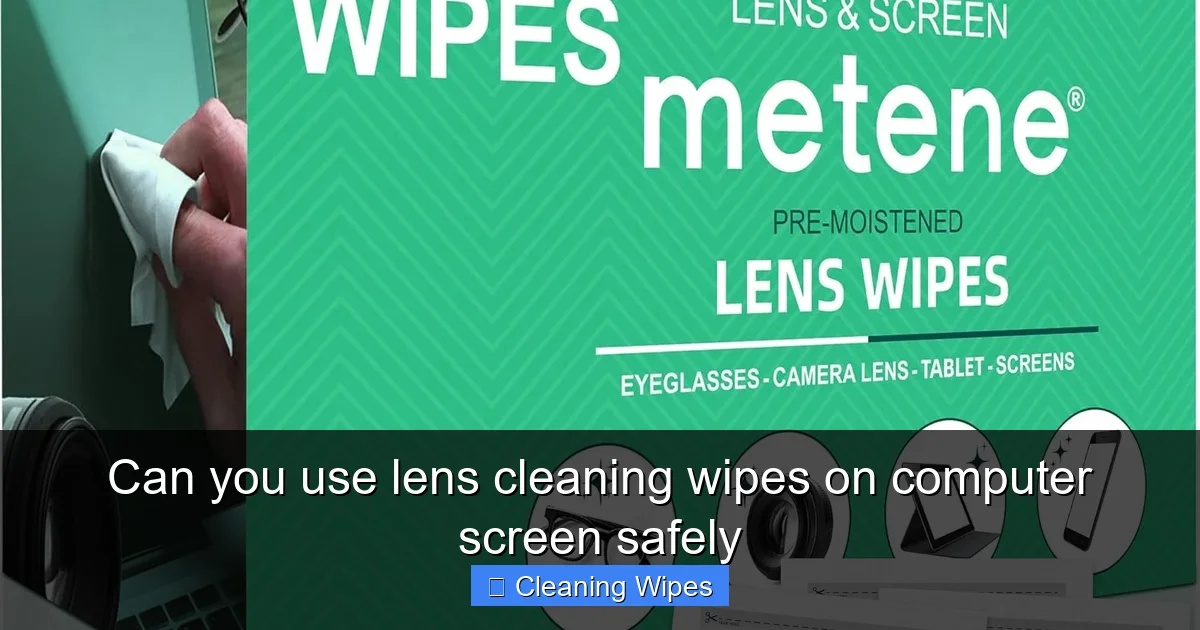
- Wipes labeled for screens or electronics: These are usually alcohol-free and made for TVs, monitors, phones, and tablets.
When you ask, “Can you use lens cleaning wipes on computer screen safely?” you must check the label first.
Ingredients to Look For
Safe lens cleaning wipes for a computer screen should:
- Be alcohol-free or labeled safe for screens
- Be ammonia-free
- Say safe for LCD, LED, OLED, or electronics
- Say safe for anti-reflective or coated lenses (a good sign of gentleness)
Ingredients to avoid on modern screens:
- Isopropyl alcohol in high amounts (it can dry and damage coatings over time)
- Ammonia (often found in glass cleaners)
- Acetone or strong solvents
- Household glass cleaner formulas
If your lens cleaning wipes are alcohol-free and say they are safe for screens or coated lenses, then you can usually use those lens cleaning wipes on a computer screen safely.
How to Check If Your Lens Cleaning Wipes Are Safe
Before you touch your screen, do this quick safety check.
Step 1: Read the Packaging
Look for phrases like:
- “Safe for use on electronic screens”
- “Safe for LCD, LED, OLED, plasma”
- “Alcohol-free” or “Non-ammonia formula”
- “For glasses, camera lenses, and screens”
If the packaging warns you not to use it on screens, or only mentions glass and mirrors, do not use those lens cleaning wipes on a computer screen.
Step 2: Check the Ingredients
Some packs list ingredients. If you see high amounts of alcohol or strong chemicals, be careful. A tiny amount of alcohol in a wipe for coated lenses can sometimes be okay, but daily use might still wear down a delicate screen coating.
When in doubt, choose wipes that are specifically made for screens. These are the safest option.
Step 3: Do a Spot Test
If you are still unsure, test the wipe on a small, less visible area of the screen, like a bottom corner.
- Turn off and unplug the device.
- Wipe a tiny corner once.
- Let it dry completely.
- Check for cloudiness, streaks that will not go away, or color changes.
If the area looks normal, it is more likely you can use those lens cleaning wipes on the computer screen safely.
Step-by-Step: How to Use Lens Cleaning Wipes on a Computer Screen Safely
Once you know your wipes are safe, follow these steps to clean your screen without issues.
Step 1: Turn Off and Unplug Your Device
Always start by turning off your computer or monitor. Unplug it if possible.
- A dark screen makes smudges easier to see.
- Less risk of electrical problems if a bit of moisture gets near edges.
- The screen can cool down, which helps reduce streaks.
Step 2: Remove Loose Dust First
Before you use lens cleaning wipes on a computer screen, remove loose dust. This helps avoid tiny scratches.
- Use a dry, clean microfiber cloth.
- Gently wipe the screen in straight lines.
- Do not press hard.
Do not use paper towels, tissues, or your shirt. These can be rough and may scratch the screen.
Step 3: Open One Lens Cleaning Wipe
Use only one wipe at a time. More is not better.
- Open the packet just before use so the wipe is moist.
- If the wipe is dripping wet, gently squeeze out extra liquid while keeping it clean.
- If the wipe feels almost dry, throw it away and use a fresh one.
You want the wipe to be slightly damp, not soaking.
Step 4: Wipe Gently in Straight Lines
Now you can use the lens cleaning wipes on the computer screen.
- Start at the top of the screen.
- Wipe in straight, gentle strokes from top to bottom.
- Move across the screen in sections.
- Do not scrub or press hard.
Avoid circular motions. Circles can leave swirl marks and push dirt around instead of lifting it away.
Step 5: Focus on Smudges and Fingerprints
For stubborn spots:
- Lightly go over the area a few times with the wipe.
- Keep your pressure gentle and even.
- If it does not come off, do not dig in harder. You may damage the coating.
Sometimes a fingerprint stain is in the coating layer, not just on the surface. If it will not go away with gentle cleaning, more force will not help and may cause harm.
Step 6: Dry with a Microfiber Cloth (Optional but Helpful)
After you use lens cleaning wipes on a computer screen, you may see light streaks while it dries.
- Use a clean, dry microfiber cloth.
- Gently buff the screen in straight lines.
- Do not add more liquid.
This step removes streaks and helps the screen dry faster.
Step 7: Let the Screen Air Dry Fully
Wait a few minutes before turning the device back on.
- Make sure there is no visible moisture at the edges.
- Check for streaks or missed spots.
- If needed, lightly buff again with a dry microfiber cloth.
Once dry, your screen should look clean, clear, and streak-free.
What Not to Do When Using Lens Cleaning Wipes on a Computer Screen
Knowing what to avoid is just as important as knowing what to do.
Avoid Harsh Cleaners
Never use these on a modern computer screen:
- Window or glass cleaners with ammonia
- Multi-purpose household cleaners
- Bleach or disinfectant sprays
- Vinegar mixtures on coated screens
- Pure alcohol directly on the screen
Even if these products say “streak-free,” they can still damage coatings.
Do Not Spray Liquid Directly on the Screen
Never spray any cleaner straight onto the display.
- Liquid can run down into the bezel.
- Moisture can reach internal parts and cause damage.
Always apply liquid to a cloth or use pre-moistened wipes instead.
Do Not Use Rough Fabrics
Avoid:
- Paper towels
- Toilet paper
- Napkins
- Your shirt or sleeve
These materials can scratch the surface. Always use a soft microfiber cloth with or after the lens cleaning wipes on your computer screen.
How Often Should You Use Lens Cleaning Wipes on a Computer Screen?
You do not need to clean your screen with wipes every day. Too much cleaning, even with safe products, can wear down coatings over time.
Good Cleaning Schedule
- Daily or every few days: Use a dry microfiber cloth to remove dust.
- Every 1–2 weeks: Use safe lens cleaning wipes on the computer screen if there are fingerprints or smudges.
- As needed: Clean more often if you have kids, pets, or a touchscreen you touch all day.
If you find yourself cleaning very often, consider:
- Washing your hands before using your computer
- Avoiding touching the screen with fingers
- Using a screen protector that is easier and safer to clean
Troubleshooting: Common Problems and Fixes
Sometimes, even if you use lens cleaning wipes on a computer screen carefully, you may see problems. Here is how to handle them.
Problem 1: Streaks After Cleaning
Cause: Too much liquid, dirty wipe, or residue from the wipe formula.
Fix:
- Use a clean, dry microfiber cloth to buff gently in straight lines.
- If streaks remain, lightly dampen the cloth with distilled water and wipe again, then dry.
- Next time, use a fresh wipe and do not press hard.
Problem 2: Cloudy or Dull Spots
Cause: Possible damage to the coating, or residue from harsh chemicals used before.
Fix:
- Try gently wiping with a microfiber cloth slightly dampened with distilled water.
- If the cloudiness does not change, the coating may be permanently damaged.
- In that case, avoid more chemicals. Consider a screen protector to hide the damage.
Problem 3: Smudges Will Not Come Off
Cause: Oils embedded in the coating or stubborn residue.
Fix:
- Gently go over the area a few times with a safe lens cleaning wipe.
- Buff with a dry microfiber cloth.
- If it still will not come off, stop scrubbing. More force may damage the screen.
Problem 4: Moisture at the Edges
Cause: Too much liquid from the wipes or wiping too close to the bezel.
Fix:
- Immediately dry the edges with a microfiber cloth.
- Leave the device off for a while to be safe.
- Next time, use a less damp wipe and keep liquid away from the edges.
Alternatives to Lens Cleaning Wipes for Computer Screens
If you are unsure about using lens cleaning wipes on a computer screen, there are other simple options.
Microfiber Cloth and Distilled Water
A classic and safe method:
- Use a clean, soft microfiber cloth.
- Lightly dampen one corner with distilled water.
- Wipe the screen gently in straight lines.
- Dry with the dry part of the cloth.
Distilled water has no minerals, so it will not leave spots.
Screen-Specific Cleaning Sprays
Many brands sell sprays made just for screens.
- Check that they are alcohol-free and ammonia-free.
- Spray onto the cloth, not the screen.
- Wipe gently and dry with a clean microfiber cloth.
These products are designed to be safe for modern displays and coatings.
When You Should Not Use Lens Cleaning Wipes on a Computer Screen
There are times when you should avoid using lens cleaning wipes on a computer screen completely.
- If the wipes contain strong alcohol or ammonia: They can strip the coating and cause permanent damage.
- If your device maker warns against it: Some brands, especially for laptops and monitors, give exact cleaning rules. Follow them.
- If the screen already shows coating damage: Use only the gentlest methods, like distilled water and microfiber.
- If the screen is cracked: Moisture from wipes can seep into the cracks and harm the internal parts.
In these cases, it is safer to skip lens cleaning wipes and use more gentle, screen-specific methods.
Final Thoughts: Using Lens Cleaning Wipes on Computer Screens Safely
So, can you use lens cleaning wipes on a computer screen safely? Yes, you can, if you choose the right wipes and use them the right way. The key is to make sure the wipes are alcohol-free or screen-safe, avoid harsh chemicals, and always clean gently.
Remember these main points:
- Check the label before you use lens cleaning wipes on a computer screen.
- Turn off the device and remove dust with a microfiber cloth first.
- Use light pressure and straight strokes, not circles.
- Dry with a clean microfiber cloth to remove streaks.
- Do not over-clean; gentle, regular care is enough.
With a little care and the right products, you can keep your computer screen clear, bright, and safe from damage for years.
