
Yes, you can put microfiber cloths in the dryer, but ONLY on low heat with specific precautions. High heat melts fibers and ruins cleaning power. Always skip fabric softener and dryer sheets to maintain absorbency and avoid residue buildup.
Key Takeaways
- Low heat is non-negotiable: Always use the “Air Fluff” or “Delicate” setting (under 140°F/60°C) to prevent melting synthetic fibers.
- Never use fabric softener or dryer sheets: These coat fibers, reducing absorbency and leaving streaks on surfaces.
- Air drying is safest: Lay flat or hang to dry completely avoids heat damage and extends cloth lifespan significantly.
- Check care labels first: Some microfiber blends have specific instructions; follow them over general advice.
- Clean lint trap before drying: Prevents redepositing lint onto your cloths and ensures efficient drying.
- Avoid overloading the dryer: Cloths need space to tumble freely for even drying without wrinkles.
- Inspect after drying: If fibers feel stiff, melted, or look shiny, they’re damaged and need replacing.
Can You Put Microfiber Cloth In Dryer? The Safe Answer & How-To Guide
Hey there! So, you’ve got a pile of trusty microfiber cloths after a big cleaning session, and you’re wondering: “Can you put microfiber cloth in dryer?” It’s a super common question, and the answer isn’t just a simple yes or no. **The short answer is YES, you *can* put microfiber cloths in the dryer, but ONLY if you do it VERY carefully.** Mess it up, and you’ll ruin your cloths – they’ll lose their magic cleaning power, get stiff, or even melt! This guide cuts through the confusion. You’ll learn exactly when it’s safe, the critical steps to follow, why air drying is often better, and how to troubleshoot if things go wrong. Let’s keep your microfiber heroes working like new for ages!
Why This Question Matters: The Microfiber Mystery
Visual guide about Can You Put Microfiber Cloth In Dryer Safely Yes Or No
Image source: i.ytimg.com
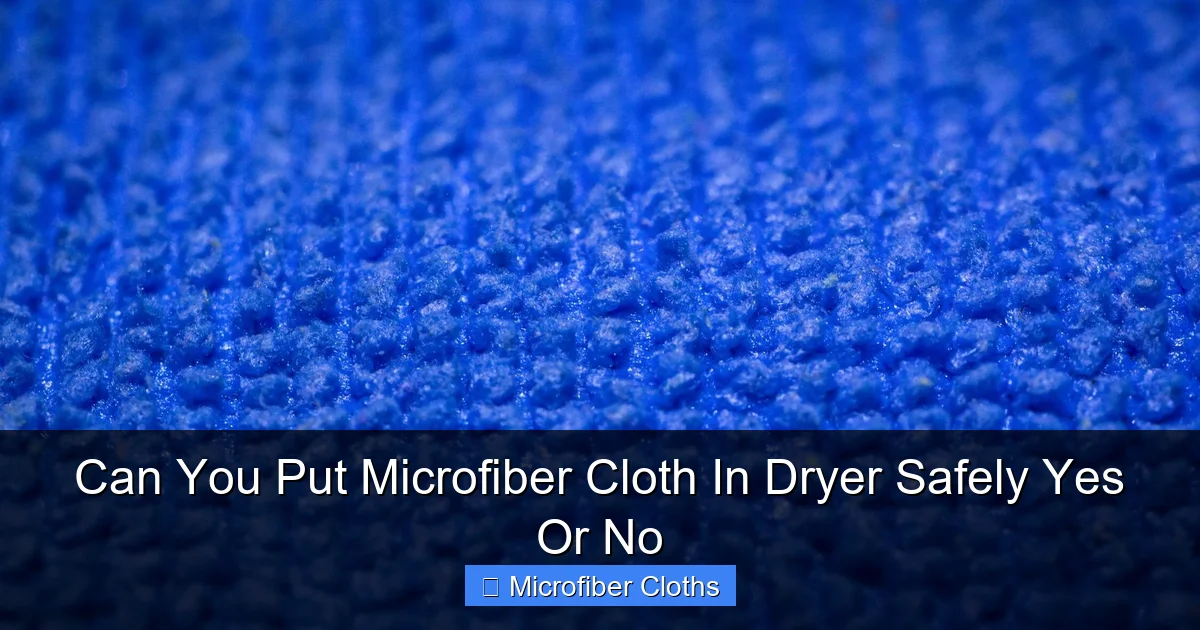
Microfiber cloths are amazing. They grab dirt, dust, and grime like a magnet, soak up spills way better than cotton, and leave surfaces streak-free. But what *are* they made of? Mostly super-fine synthetic fibers – polyester and polyamide (nylon). These fibers are incredibly thin, often split during manufacturing to create even more surface area for cleaning. This structure is what makes them so effective. **Here’s the catch: those delicate synthetic fibers HATE high heat.** Think of them like tiny plastic strands. Too much heat causes them to soften, melt together, or become brittle. Once that happens, the cloth loses its unique texture and cleaning ability. It might feel waxy, look shiny, or just not pick up dirt anymore. That’s why knowing *how* to dry them safely is crucial. You don’t want to trash perfectly good cloths because of a dryer mishap!
Can You Put Microfiber Cloth In Dryer? The Critical Rules
Visual guide about Can You Put Microfiber Cloth In Dryer Safely Yes Or No
Image source: weverydaystories.com
Before you toss that damp cloth into the drum, remember these non-negotiable rules. Breaking them risks permanent damage.
Rule #1: Low Heat is the ONLY Heat Setting
This is the golden rule. **Never, ever use high heat, medium heat, or “Normal” cycles.** The melting point of polyester (the main fiber) is surprisingly low – often around 230-250°F (110-120°C). Dryer high heat easily exceeds 150°F (65°C) inside the drum, and localized spots get much hotter. Stick strictly to:
* **”Air Fluff” / “No Heat” / “Delicate” Cycle:** This uses room-temperature air to tumble the cloths dry. It’s the absolute safest option and highly recommended.
* **”Permanent Press” / “Wrinkle Control” (Low Heat):** *Only* if your dryer has a明确的 low-heat setting (usually under 140°F/60°C). Avoid if unsure.
* **NEVER:** High Heat, Medium Heat, Towels, or Heavy Duty cycles.
Rule #2: Fabric Softener & Dryer Sheets Are Forbidden
This one surprises many people. Fabric softener and dryer sheets coat *all* fibers to reduce static and add scent. **For microfiber, this coating is disastrous.** It:
* Clogs the microscopic spaces between fibers that trap dirt and liquid.
* Creates a waxy residue that leaves streaks on glass, screens, and polished surfaces.
* Significantly reduces absorbency – your cloth won’t soak up spills anymore.
* **The Fix:** Skip the softener dispenser entirely. Don’t toss in dryer sheets. If you *must* combat static (less common with microfiber than cotton), add 2-3 clean tennis balls to the dryer on the *no heat* cycle. They help fluff fibers without chemicals.
Rule #3: Clean the Lint Trap FIRST
Always, always clean the lint trap *before* starting the dryer. Lint buildup is a fire hazard and, more importantly for your microfiber, it can redeposit onto your damp cloths, making them feel gritty and less effective. A clean trap ensures efficient airflow and clean drying.
Step-by-Step: Safely Drying Microfiber Cloths in the Dryer
Visual guide about Can You Put Microfiber Cloth In Dryer Safely Yes Or No
Image source: homemaking.com
Follow these steps meticulously for the best chance of success. Remember, air drying is still the gold standard, but if you need the dryer, here’s how:
Step 1: Prep Your Cloths & Dryer
* **Wash First:** Ensure cloths are clean. Wash them separately from lint-producing items (like cotton towels or jeans) in warm water (not hot!) with a mild detergent. Avoid bleach – it degrades fibers.
* **Spin Well:** After washing, run an extra spin cycle to remove as much water as possible. Less water means less drying time and lower heat exposure.
* **Check Care Labels:** Look for any specific symbols on the cloth tag. If it says “Tumble Dry Low” or “Do Not Tumble Dry,” follow that!
* **Clean Lint Trap:** As mentioned, this is essential. Do it now.
* **Don’t Overload:** Only fill the dryer drum about 1/3 to 1/2 full. Cloths need space to tumble freely for even drying. Overloading causes wrinkles and uneven drying, potentially leaving damp spots that could mildew.
Step 2: Load & Select the RIGHT Cycle
* **Load Gently:** Place the damp microfiber cloths loosely into the dryer. Don’t stuff or cram them in.
* **Choose “Air Fluff” / “No Heat”:** This is the absolute best choice. It uses cool air to tumble and dry the cloths over 20-45 minutes, depending on dampness and load size.
* **If “Air Fluff” Isn’t Enough (Slightly Damp):** Select the **lowest possible heat setting** – “Delicate,” “Permanent Press (Low),” or “Wrinkle Control (Low).” **Crucially, set the timer for the *minimum* time needed (e.g., 15-20 minutes).** Check frequently!
* **Skip Softener/Sheets:** Double-check the dispenser is empty. Add tennis balls *only* if using the no-heat cycle for fluffing (not for heat cycles).
Step 3: Monitor & Remove Promptly
* **Check Early & Often:** Especially on low heat, open the dryer door after 10-15 minutes. Feel the cloths. Are they dry? Warm? Hot? If they feel warm but not hot, and are dry, stop the cycle immediately. If damp, continue in short 5-minute bursts.
* **Stop BEFORE Completely Dry (Slightly Damp is Okay):** Microfiber continues to dry slightly from residual heat as it cools. Taking them out *just* before bone-dry prevents over-drying and stiffness.
* **Remove Immediately:** Don’t let dried microfiber sit crumpled in the dryer. This causes deep wrinkles and can make fibers feel stiff. Shake them out right away.
Step 4: Final Care After Drying
* **Shake & Fluff:** Give each cloth a good shake to restore its texture and remove any loose lint.
* **Inspect:** Look for shine (melted fibers), stiffness, or unusual texture. If you see this, the cloth is damaged. Discard it – it won’t clean well anymore.
* **Store Properly:** Fold or roll cloths neatly and store them in a clean, dry place. Avoid plastic bags; use a breathable cotton bag or drawer.
Why Air Drying is Often the BEST Choice (Seriously!)
While the dryer *can* be used safely, **air drying is almost always the superior method for microfiber longevity and performance.** Here’s why:
* **Zero Heat Risk:** Eliminates the #1 cause of microfiber damage – melting fibers. Your cloths stay supple and effective.
* **Preserves Fiber Structure:** Gentle drying maintains the delicate split fibers that give microfiber its cleaning power.
* **No Static Buildup:** Air drying rarely causes static cling, unlike some dryer cycles.
* **Energy Saving & Eco-Friendly:** Uses no electricity.
* **Prevents Wrinkles:** Cloths dry flat or hanging, staying smooth and ready to use.
How to Air Dry Microfiber Perfectly
1. **Lay Flat:** Spread cloths out on a clean, dry towel, drying rack, or mesh surface. Avoid direct, intense sunlight for long periods as UV can degrade fibers over time (a little sun is fine).
2. **Hang:** Use a clothesline or hanger. Ensure good airflow around each cloth. Avoid folding damp cloths tightly, which can cause mildew.
3. **Flip Halfway:** If drying on one side, flip cloths after a few hours for even drying.
4. **Patience:** It might take 12-24 hours depending on humidity and thickness, but it’s worth it! Ensure they are *completely* dry before storing to prevent mildew.
Troubleshooting Common Microfiber Dryer Problems
Even with precautions, things can go sideways. Here’s how to handle it:
Problem: Cloths Feel Stiff, Waxy, or Look Shiny
* **Cause:** High heat melted the fibers or fabric softener residue coated them.
* **Fix:** Unfortunately, this damage is permanent. The cloth is ruined and needs replacing. **Prevention is key:** Always use low/no heat and NO softener. If stiffness happens after washing (not drying), try rewashing with vinegar (see FAQs).
Problem: Cloths Aren’t Absorbent Anymore / Leave Streaks
* **Cause:** Almost always residue buildup from detergent, fabric softener, or dryer sheets clogging the fibers.
* **Fix:** Try a vinegar rinse. Add 1/2 cup white vinegar to the washer’s rinse cycle (no detergent). Vinegar breaks down residue without damaging fibers. Repeat if necessary. If residue is severe, the cloth may be beyond saving.
Problem: Cloths Smell Musty After Drying
* **Cause:** They weren’t fully dry before storing, leading to mildew.
* **Fix:** Rewash immediately with a bit of vinegar or baking soda. Ensure they are *completely* dry (air dry is best here) before storing next time. Don’t cram damp cloths into a closed hamper.
Problem: Excessive Lint or Shedding
* **Cause:** New cloths often shed initial lint. Washing/drying with abrasive items (like jeans) can also cause shedding.
* **Fix:** Wash new cloths separately a few times before heavy use. Always wash microfiber separately from lint-producing fabrics. Clean the dryer lint trap *thoroughly* after drying microfiber.
Conclusion: Dry Smart, Clean Longer
So, can you put microfiber cloth in dryer? **Yes, but with extreme caution.** The low-heat, no-softener, clean-lint-trap method is your only safe bet if you absolutely need the dryer. However, the truth is that **air drying is the undisputed champion for preserving your microfiber cloths’ incredible cleaning power and lifespan.** It’s simple, free, and eliminates all the risks associated with heat and chemicals. By following the steps in this guide – prioritizing air drying, using the dryer only as a last resort on the gentlest settings, and avoiding fabric softeners like the plague – you’ll keep your microfiber cloths performing like new for countless cleaning sessions. Treat them right, and they’ll keep your home sparkling clean for years. Now go forth and dry wisely!