
Yes, most modern robot vacuums can go over rugs, but their performance depends on the rug type and the vacuum’s features. This guide explains how robot vacuums navigate and clean different rugs, from low-pile to high-pile and shag. You’ll learn how to set up your home for success and choose the right model for your flooring.
Key Takeaways
- Most Robot Vacuums Handle Low Rugs Well: Standard low-pile area rugs and carpets pose little problem for navigation and cleaning.
- Height and Sensors Are Critical: A vacuum’s clearance height and its suite of cliff and object sensors determine if it can transition onto and over a rug safely.
- Suction Power Adjusts Automatically in Better Models: Vacuums with automatic suction boost will increase power on rugs for a deeper clean.
- High-Pile and Shag Rugs Are Challenging: Thick, plush, or shag rugs can cause robots to get stuck, tangle brushes, or fail to climb onto them.
- Proper Setup Prevents Problems: Securing rug edges, using virtual walls, and choosing the right cleaning mode can prevent most common issues.
- Not All Vacuums Are Equal: Investing in a model with strong suction, rubber brushes, and smart navigation makes a huge difference with rugs.
Robot Vacuums: Can They Handle Rugs Easily?
You’re thinking about getting a robot vacuum. Or maybe you just got one. Your home has beautiful hardwood floors. But it also has a cozy area rug in the living room and a runner in the hallway. A big question pops into your head: Can this little robot handle my rugs?
The short answer is yes, but with some important details. Modern robot vacuums are surprisingly capable. They are designed to move from hard floors to carpets and back again. But not all rugs are the same, and not all robots are equal. This guide will walk you through everything. You will learn how robots deal with rugs. You’ll get tips to make it work perfectly. We’ll also cover what to do if things go wrong. Let’s dive in and make sure your robot and your rugs become best friends.
How Robot Vacuums Sense and Navigate Rugs
First, let’s understand the tech. Your robot isn’t just rolling around blindly. It uses smart sensors to “see” your floor.
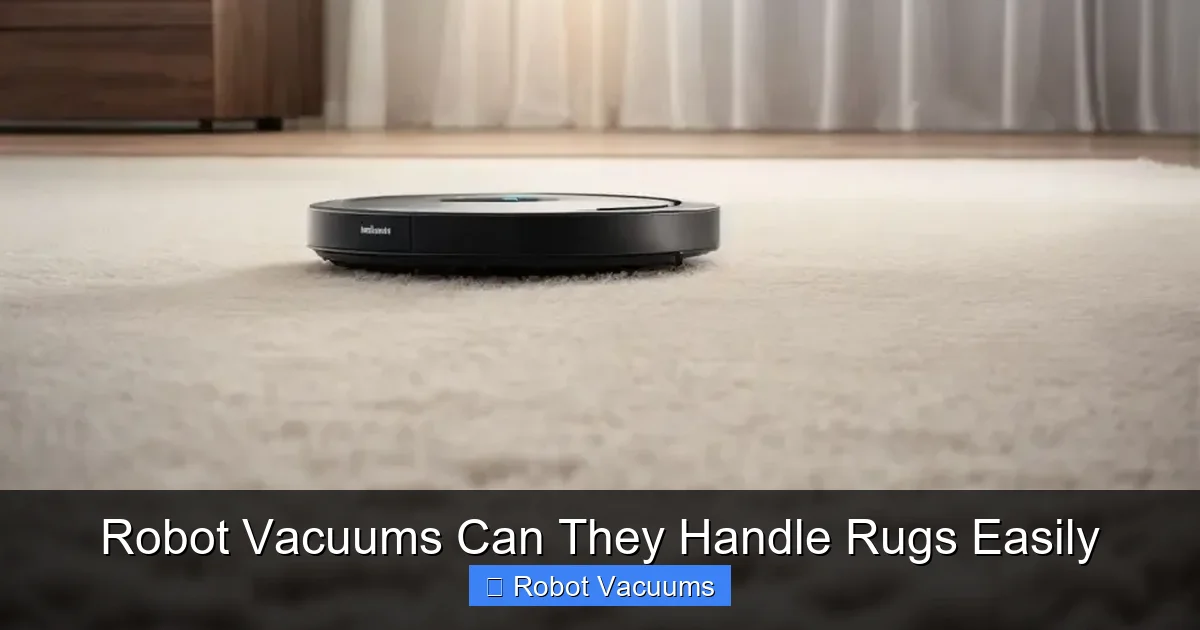
Visual guide about Robot Vacuums Can They Handle Rugs Easily
Image source: eqjwsq7qxcu.exactdn.com
Cliff Sensors
These are the most important for safety. They use infrared light to detect sudden drops, like stairs. A thick rug can sometimes trick these sensors. The robot might think the rug’s edge is a cliff and avoid it. Most new models are better at telling the difference.
Bump and Touch Sensors
These help the robot map your room. When it gently bumps into your rug’s edge, it knows an object is there. It will then adjust its path to try and climb over it.
Optical or Laser Navigation
Higher-end models use cameras or lasers (LiDAR). They build a detailed map of your home. They remember where your rug is. This helps them clean it more efficiently and navigate edges smoothly.
The Rug Test: What Types of Rugs Work Best?
Not all rugs are created equal in the eyes of a robot vacuum. Here’s a breakdown.
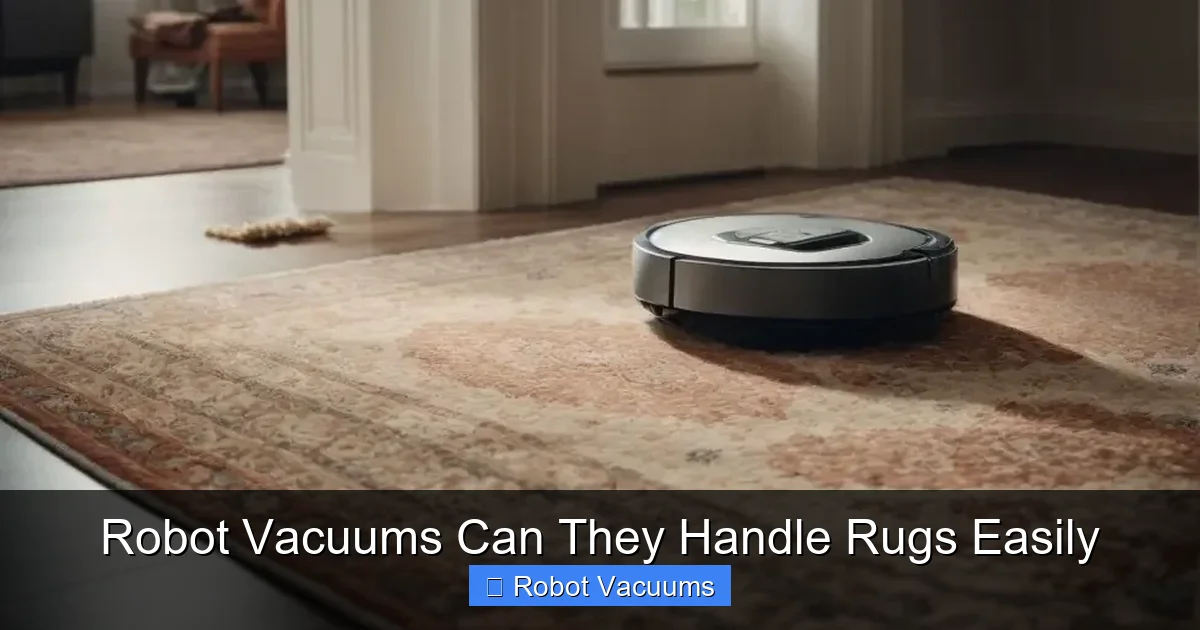
Visual guide about Robot Vacuums Can They Handle Rugs Easily
Image source: eqjwsq7qxcu.exactdn.com
Low-Pile and Flat-Weave Rugs (The Easy Ones)
Think: Berber, indoor-outdoor, or thin oriental rugs. These are perfect for robot vacuums. The transition from hard floor to rug is tiny. The robot glides right over. Its brushes can easily reach the surface to pick up dirt and pet hair.
Medium-Pile Rugs (Usually Fine)
This is your standard living room carpet or a plush area rug. Most robots with decent power can handle these. The key is the robot’s clearance height. Check the specs. If the rug compresses less than the clearance, the robot will roll over it.
High-Pile, Shag, or Thick Furry Rugs (The Challenge)
This is where problems happen. Long, loose fibers can get tangled in the main brush. The height can be too much for the robot to climb. The wheels might spin without moving. It’s best to block these rugs using a virtual wall feature if your robot has one.
Rugs with Tassels or Fringes (The Enemy)
Avoid these at all costs. Tassels will be sucked right into the brush roll. They will wrap around it tightly and stop the robot. You will need to perform a rescue mission with scissors.
Step-by-Step: Setting Up Your Home for Success
A little preparation makes everything run smoothly. Follow these steps.
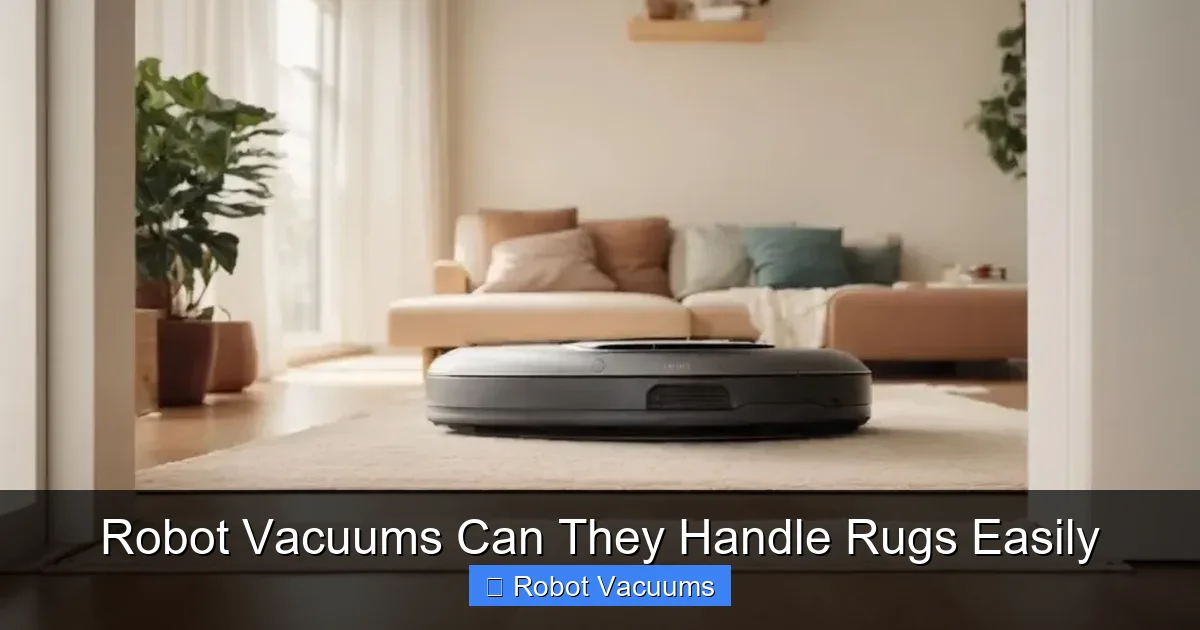
Visual guide about Robot Vacuums Can They Handle Rugs Easily
Image source: eqjwsq7qxcu.exactdn.com
Step 1: Do the “Finger Test”
Press your finger into the rug. If it sinks in deeply, it’s high-pile. Note any loose threads or tassels.
Step 2: Secure the Edges
Use a non-slip rug pad underneath. This stops the rug from sliding and bunching up when the robot tries to climb it. Taped-down edges (with safe, low-profile tape) can also help for very stubborn rugs.
Step 3: Clear the Runway
Make sure the path from the floor to the rug is clear. Pick up cords, loose clothing, or toys. This gives your robot a clean approach.
Step 4: Use Your Robot’s Smart Features
If your robot has mapping, label the rug as a carpet in the app. This often tells the robot to boost suction automatically. Use Virtual Walls or No-Go Zones to block off problematic rugs or delicate areas.
Features to Look for in a Rug-Friendly Robot Vacuum
If you’re shopping, look for these key features.
- Automatic Suction Boost: This is a game-changer. Sensors detect the carpet and max out the suction for a deeper clean.
- Rubber Brushrolls: These are better than bristle brushes. They resist tangling with pet hair and rug fibers. They are easier to clean.
- Strong Climbing Ability: Look for specs mentioning it can overcome thresholds (usually 3/4 of an inch or more). Bigger wheels help.
- Advanced Navigation (LiDAR): Mapping robots are less likely to get stuck. They learn your rug’s layout.
- High Clearance: A taller body can physically clear thicker rugs without getting beached.
Troubleshooting Common Rug Problems
Is your robot struggling? Try these fixes.
Problem: Robot Avoids the Rug
Solution: Its cliff sensors are being triggered. Clean the sensor windows with a dry cloth. Some apps let you reduce cliff sensor sensitivity. You can also place a small, flat object (like a thin magazine) as a ramp at the rug’s edge for a few cleaning cycles to teach the robot it’s safe.
Problem: Robot Gets Stuck on the Rug
Solution: The rug is too thick or shifts. Ensure you’re using a non-slip pad. If it’s a shag rug, it’s best to block it off. You can also try scheduling cleaning when the rug is likely to be flatter (not right after vacuuming it yourself).
Problem: Brushes Get Tangled
Solution: Switch to a rubber brushroll if your model allows it. Increase the frequency of cleaning on that rug so hair doesn’t build up. Check and clean the brushroll after every cleaning session near that rug.
Problem: Rug Gets “Bunched Up”
Solution: The robot’s wheels are spinning and pulling the rug. A heavy-duty non-slip pad is essential. Low-pile rugs are less likely to have this issue.
Conclusion: A Harmonious Relationship is Possible
So, can robot vacuums go over rugs? Absolutely, they can. With today’s technology, a robot vacuum is a fantastic tool for maintaining clean floors and rugs. The key is understanding the partnership. Know your rug’s type. Prepare your space. And choose a robot with the right features for your needs. For most homes with standard low or medium-pile rugs, a modern robot vacuum will handle the job with ease, giving you more time to enjoy your clean home. Start with a test run, watch how it behaves, and use the smart features to fine-tune the performance. You might just find your robot becomes your favorite home helper.
🎥 Related Video: 5 Best Robot Vacuum for Vacuuming Carpets [Based on Cleaning Tests]
📺 Cordless Vacuum Guide
5 Roborock S8 Pro Ultra on Amazon: https://geni.us/iuWI #4 Roomba Combo J7+ on Amazon: https://geni.us/mBBXY #3 …
