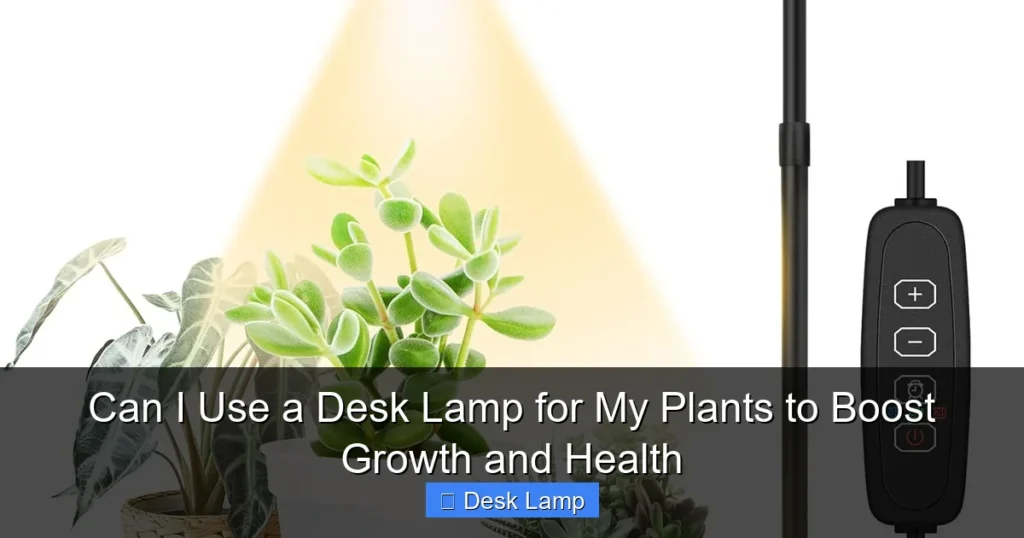
In this guide, you will learn how to effectively use a desk lamp to promote your plants’ growth and health. Discover the benefits, tips, and techniques to ensure your indoor plants thrive, even without natural sunlight.
Key Takeaways
- Know Your Plant Needs: Different plants require various light levels and spectrums for optimal growth.
- Choose the Right Desk Lamp: Not all desk lamps provide adequate light; ensure your lamp has the right intensity and spectrum.
- Positioning Matters: The distance between the lamp and your plants is crucial for effective light distribution.
- Monitor Growth: Regularly observe your plants for signs of stress or unhealthy growth.
- Consider Light Duration: Most plants require 12-16 hours of light daily; set a timer if needed.
- Adjust as Needed: Be prepared to change lamp types, positions, or durations based on plant responses.
- Supplement Natural Light: Use a desk lamp to complement, not replace, natural sunlight whenever possible.
Can I Use a Desk Lamp for My Plants to Boost Growth and Health?
Many plant enthusiasts often wonder if they can use a desk lamp to help their indoor plants thrive. With the right approach, a desk lamp can indeed provide the necessary light to boost growth and ensure your plants remain healthy. In this guide, you’ll learn everything you need to know to effectively use a desk lamp for your plants, including tips, techniques, and troubleshooting advice.
Understanding Plant Light Needs
Before diving into how to use a desk lamp for your plants, it’s important to understand what your plants need in terms of light. Different plants have different light requirements based on their native environments.
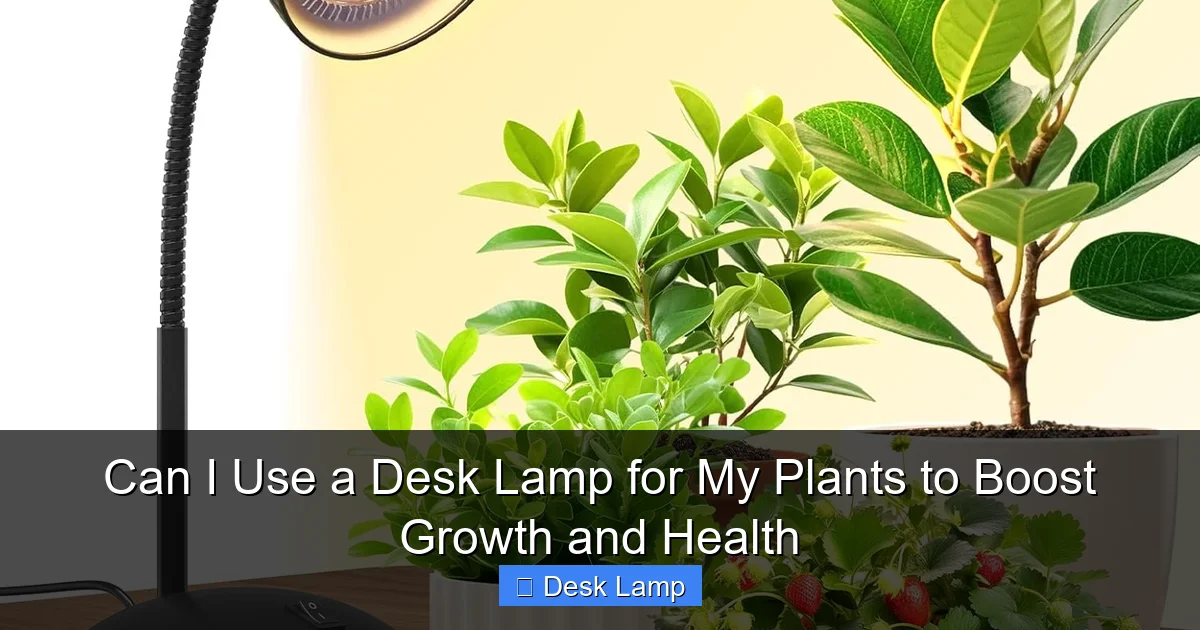
Visual guide about Can I Use a Desk Lamp for My Plants to Boost Growth and Health
Image source: m.media-amazon.com
Light Requirements
- Low Light Plants: Snake plants, pothos, and ZZ plants prefer low light conditions.
- Medium Light Plants: Peace lilies and spider plants thrive in indirect sunlight.
- High Light Plants: Succulents, cacti, and many flowering plants need bright light.
Knowing your plant’s specific light requirements is the first step toward successful growth.
Choosing the Right Desk Lamp
Not all desk lamps are created equal when it comes to providing light for plants. Here are some key considerations:

Visual guide about Can I Use a Desk Lamp for My Plants to Boost Growth and Health
Image source: m.media-amazon.com
Light Intensity
Look for a lamp that has a high lumen output. The higher the lumens, the more intense the light. For most plants, a lamp with at least 800 lumens is recommended.
Light Spectrum
Plants benefit from a full spectrum light, which includes both blue and red wavelengths. While regular desk lamps emit warm white light, they may not provide the right spectrum for plant growth. Consider LED grow lights for better results.
Energy Efficiency
LED lamps are not only energy-efficient but also last longer compared to traditional bulbs. They produce less heat, reducing the risk of burning your plants.
Setting Up Your Desk Lamp
Once you’ve chosen the right lamp, it’s time to set it up for your plants.

Visual guide about Can I Use a Desk Lamp for My Plants to Boost Growth and Health
Image source: m.media-amazon.com
Positioning the Lamp
The distance between your lamp and plants can affect light intensity. Here are some general guidelines:
- Low Light Plants: Place the lamp about 24-36 inches away.
- Medium Light Plants: Position the lamp 12-24 inches from the plants.
- High Light Plants: Keep the lamp 6-12 inches away for optimal growth.
Light Duration
Most indoor plants require 12-16 hours of light daily. If you’re using a desk lamp, consider using a timer to automate the light schedule. This helps mimic natural sunlight patterns.
Monitoring Your Plants
Regularly check your plants for signs of light stress, such as leaf burn or leggy growth. Adjust the lamp’s position or duration as needed based on these observations.
Practical Tips for Success
Here are some additional tips to ensure your desk lamp setup is effective:
Rotate Your Plants
To promote even growth, rotate your plants every week. This ensures all sides receive ample light.
Use Reflective Surfaces
Consider placing your lamp near a reflective surface, such as a mirror or white wall. This can help bounce light back toward your plants, enhancing the overall light exposure.
Troubleshooting Common Issues
Even with the right setup, you may encounter issues. Here are some common problems and solutions:
Problem: Leggy Growth
If your plants are stretching towards the light, they may not be receiving enough. Try moving the lamp closer or increasing the light duration.
Problem: Leaf Burn
Leaf burn can occur if the lamp is too close or if it emits too much heat. Move the lamp further away or switch to a cooler bulb.
Conclusion
Using a desk lamp for your plants can be a game-changer for indoor gardening enthusiasts. By choosing the right lamp, positioning it correctly, and understanding your plants’ light needs, you can significantly boost their growth and health. Remember to monitor your plants regularly and adjust your setup as necessary for the best results. Happy gardening!
🎥 Related Video: How to Use Regular LED Lights as Grow Lights | Avoid the Industry Markup
📺 Nick Alexander
I’ll take my Great Value™ light spectra and go Shelf Components | Affiliate Links …