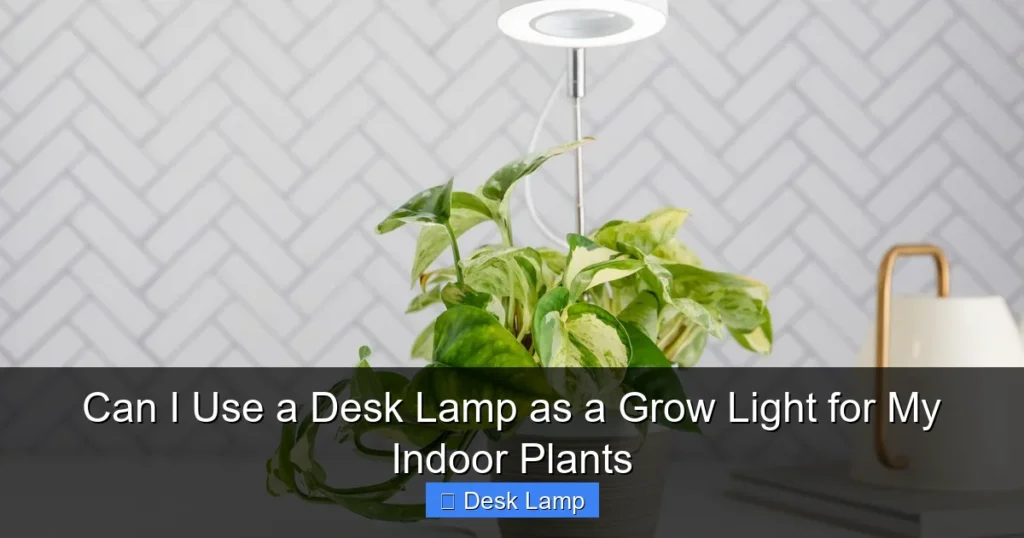
In this guide, you’ll learn whether you can use a desk lamp as a grow light for your indoor plants. We will cover the types of bulbs to use, how to set it up, and tips for optimal plant growth. Transform your indoor gardening experience!
Key Takeaways
- Point 1: Desk lamps can be effective grow lights if equipped with the right bulbs.
- Point 2: LED bulbs are energy-efficient and provide the spectrum needed for plant growth.
- Point 3: Position the lamp correctly to ensure your plants receive adequate light.
- Point 4: Monitor your plants for signs of light stress or inadequate lighting.
- Point 5: Adjust the duration of light exposure based on your plants’ needs.
- Point 6: Consider additional reflectors or diffusers to enhance light distribution.
- Point 7: Regularly check bulb temperatures to avoid overheating your plants.
Can I Use a Desk Lamp as a Grow Light for My Indoor Plants?
Indoor gardening has become increasingly popular, especially for those who want to grow herbs, vegetables, or beautiful flowering plants right in their homes. However, many people wonder if they can use a desk lamp as a grow light. This guide will explore how to effectively use a desk lamp for your indoor plants, including setup tips, bulb recommendations, and troubleshooting advice.
Understanding Grow Lights
Before diving into the specifics of using a desk lamp as a grow light, it’s essential to understand what grow lights do. Grow lights simulate sunlight, providing plants with the necessary light spectrum for photosynthesis. They come in various forms, including fluorescent, LED, and incandescent lights. The right type of light, along with proper positioning, can help your plants thrive indoors.

Visual guide about Can I Use a Desk Lamp as a Grow Light for My Indoor Plants
Image source: m.media-amazon.com
Can You Use a Desk Lamp as a Grow Light?
Yes, you can definitely use a desk lamp as a grow light for your indoor plants! However, it’s crucial to consider a few factors, such as the type of bulb you use, the distance from the plants, and the duration of exposure. By ensuring you have the right setup, your desk lamp can help your plants flourish.

Visual guide about Can I Use a Desk Lamp as a Grow Light for My Indoor Plants
Image source: thespruce.com
Choosing the Right Bulb
The type of bulb you choose is critical for successful indoor gardening. Here are some options:
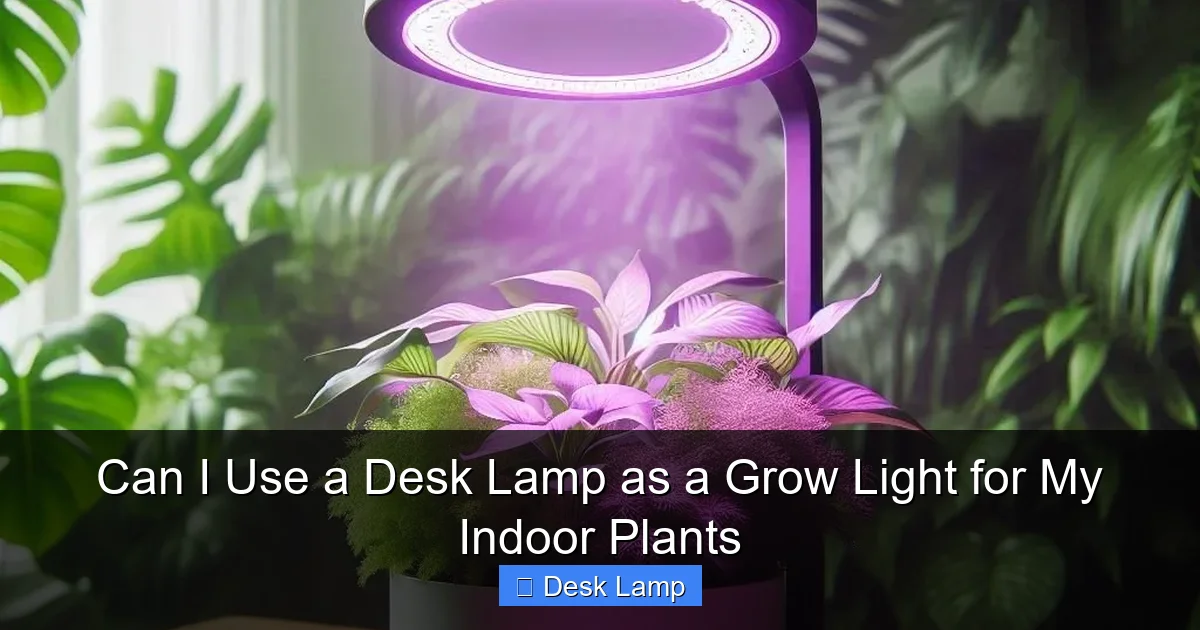
Visual guide about Can I Use a Desk Lamp as a Grow Light for My Indoor Plants
Image source: images.squarespace-cdn.com
1. LED Bulbs
LED bulbs are an excellent choice for grow lights. They are energy-efficient, produce minimal heat, and provide a full spectrum of light, which is beneficial for plant growth. Look for bulbs specifically designed for growing plants, as these will have the right spectrum for photosynthesis.
2. Fluorescent Bulbs
Fluorescent bulbs, such as T5 or T8 tubes, are another popular option. They emit a cooler light and are suitable for starting seeds or growing leafy greens. These bulbs are also energy-efficient and can be more affordable than LED options.
3. Incandescent Bulbs
While incandescent bulbs are not recommended for growing plants due to their high heat output and limited light spectrum, they can be used in a pinch. However, they may not be as effective as LED or fluorescent lights.
Setting Up Your Desk Lamp for Plant Growth
Now that you’ve chosen the right bulb, it’s time to set up your desk lamp for your plants. Here’s a step-by-step guide:
Step 1: Select the Right Location
Choose a location for your desk lamp where your plants can receive the maximum amount of light. Ensure the desk lamp is stable and positioned at a height that allows the light to reach the plants without being too close.
Step 2: Install the Bulb
Replace the standard bulb in your desk lamp with your chosen grow light bulb. Make sure to follow the manufacturer’s instructions for installation and safety precautions.
Step 3: Position the Lamp
Position your desk lamp about 12 to 24 inches away from your plants. The distance may vary depending on the bulb type and the plants being grown. Monitor your plants closely to ensure they receive adequate light without getting scorched.
Step 4: Set a Timer
Plants need a specific amount of light to thrive. A good rule of thumb is to provide 12-16 hours of light per day for most indoor plants. You can use a timer to automate this process, ensuring your plants receive consistent light exposure.
Practical Tips for Optimal Growth
To maximize the benefits of using a desk lamp as a grow light, consider these practical tips:
1. Rotate Your Plants
To ensure even growth, rotate your plants every few days. This allows all sides of the plant to receive equal light exposure, promoting balanced growth.
2. Monitor Temperature
Check the temperature around your plants regularly. If your desk lamp produces too much heat, it can damage your plants. If you notice any wilting or browning, adjust the distance or switch to a cooler bulb.
3. Use Reflectors
Enhance light distribution by using reflectors. A simple piece of white cardboard or aluminum foil can help direct light towards your plants, maximizing the effectiveness of your desk lamp setup.
Troubleshooting Common Issues
Even with the right setup, you may encounter some issues when using a desk lamp as a grow light. Here are some common problems and their solutions:
Problem 1: Plants Are Stretching
If your plants are stretching toward the light source, they may not be receiving enough light. Consider moving the lamp closer or increasing the duration of light exposure.
Problem 2: Leaves Are Burning
If you notice leaf burn or browning tips, your lamp may be too close to the plants. Move the lamp further away and monitor your plants’ response.
Problem 3: Slow Growth
If your plants are not growing as expected, check the light spectrum. Ensure you’re using the right type of bulb and that your plants are receiving enough light for their specific needs.
Conclusion
Using a desk lamp as a grow light is a practical and effective way to support your indoor plants. By choosing the right bulb, setting it up correctly, and following best practices, you can create an optimal environment for your plants to thrive. Whether you’re growing herbs, flowers, or vegetables, your desk lamp can be a valuable tool in your indoor gardening arsenal. Happy growing!
🎥 Related Video: A quick planty lamp #plantlovers #growlight #plantcare
📺 PlantswithKrystal