

Toilet brushes can be a major source of hidden bacteria and contamination if not cared for properly. This guide reveals the truth about their hygiene, provides a complete cleaning routine to sanitize them effectively, and explores modern alternatives. With the right knowledge and habits, you can maintain a cleaner, more hygienic bathroom.
Key Takeaways
- Toilet brushes are inherently unhygienic: They are designed to clean a germ-heavy area and, by nature, become contaminated with fecal bacteria, viruses, and mold.
- Proper storage is non-negotiable: A closed, moist holder creates a perfect breeding ground for bacteria. Letting the brush air-dry completely after use is the single most important step.
- Regular, deep disinfection is essential: Weekly cleaning with bleach, hydrogen peroxide, or boiling water is necessary to kill pathogens that routine rinsing misses.
- Replace your brush frequently: Even with perfect cleaning, worn bristles and accumulated debris make old brushes unsanitary. Replace them every 3-6 months.
- Effective alternatives exist: Disposable scrubbers, silicone brushes, and high-pressure sprayers offer more hygienic options with less cross-contamination risk.
- Your cleaning technique matters: Always flush before brushing to minimize aerosolized germs, and clean from the rim down to avoid splashing.
Are Toilet Brushes Hygienic? What You Really Need to Know
You use it to clean one of the dirtiest spots in your home. Then you set it aside, often damp, in a corner. The humble toilet brush is a bathroom essential, but it sparks a quiet worry for many. Is it actually clean, or is it secretly making things worse? The short answer is: a toilet brush is only as hygienic as you make it.
This guide will cut through the grime and give you the full picture. You will learn what germs you’re dealing with, how to clean and disinfect your brush like a pro, and when to simply throw it out. We will also look at clever alternatives that might suit your home better. Let’s dive in and restore your peace of mind.
The Dirty Truth: What’s Living on Your Toilet Brush?
To understand how to manage it, you need to know what you’re up against. A toilet brush’s job is to scrub away waste, biofilm, and mineral stains. In doing so, it picks up a microscopic cocktail.

Visual guide about Are Toilet Brushes Hygienic What You Really Need to Know
Image source: i.pinimg.com
Common contaminants include:
- Fecal Bacteria: Like E. coli and Salmonella. These are the main concern and can cause gastrointestinal illness.
- Viruses: Such as norovirus and rotavirus, which are highly contagious.
- Mold and Mildew: Thriving in the constant dampness of a poorly stored brush and holder.
- Other Bacteria: General bathroom germs that can cause odors and spread around.
The brush itself isn’t the problem. The real issue is moisture and poor storage. A wet brush left in a dark, enclosed holder is like a five-star hotel for germs. They multiply rapidly, creating a cycle of re-contamination.
Your Step-by-Step Guide to a Hygienic Toilet Brush Routine
Making your toilet brush hygienic is a two-part process: what you do right after each use, and what you do for a deep clean regularly. Follow these steps to break the germ cycle.
Visual guide about Are Toilet Brushes Hygienic What You Really Need to Know
Image source: i.pinimg.com
Step 1: The Correct Post-Use Protocol (After Every Clean)
This routine minimizes immediate contamination.
1. Flush First: Before you even start scrubbing, give the toilet a preliminary flush. This reduces the amount of material you’re agitating and limits germ-filled aerosols.
2. Scrub Smart: Clean from the top (under the rim) down to the water line to prevent unnecessary splashing.
3. Rinse Thoroughly: Hold the brush under the flushing water for 10-15 seconds to wash away visible debris. Some people rinse it in the sink, but this can spread germs to that basin.
4. Shake and Dry: Give the brush several firm shakes over the toilet bowl to remove as much water as possible. This is crucial.
5. Store Openly: Place the brush back in its holder, but do not snap on the cover. If the holder has a cover, leave it off or ajar. Better yet, use an open stand that allows maximum air circulation. Let it dry completely before covering.
Step 2: The Weekly Deep Disinfection
Rinsing isn’t enough. Once a week, you need to kill the lingering pathogens. Always wear rubber gloves for this task.
Method A: The Bleach Soak (Most Effective)
- Fill the toilet bowl cleaner holder or a dedicated bucket with a solution of 1 part household bleach to 10 parts cold water.
- Submerge the head of the brush completely. Let it soak for at least 10 minutes, but up to an hour is better for heavy contamination.
- Remove the brush, rinse it thoroughly under hot water in the toilet bowl (flush while rinsing), and shake dry.
- Tip: Clean the holder with the same bleach solution and let it air dry.
Method B: The Hydrogen Peroxide Soak (A Great Bleach Alternative)
- Use standard 3% hydrogen peroxide. Pour enough to submerge the brush head in its holder or a container.
- Soak for 30-60 minutes. Hydrogen peroxide fizzes as it kills microbes.
- Rinse and dry as above.
Method C: The Boiling Water Kill (Simple & Chemical-Free)
- This works best for all-plastic or silicone brushes. Do not use on brushes with wooden or metal handles.
- Boil a kettle of water. Carefully pour the boiling water over the bristles in a heat-safe container (like the toilet bowl itself or a metal bucket).
- Let it sit until cool enough to handle, then rinse and dry.
Step 3: Knowing When to Replace Your Brush
No amount of cleaning can save a worn-out brush. Replace your toilet brush when you see:
- Bristles that are frayed, matted, or falling out.
- Discoloration or staining that won’t come off.
- A persistent foul odor even after deep cleaning.
- Any cracks or damage in the brush head or holder.
A good rule of thumb is to replace it every 3 to 6 months. Think of it as a low-cost investment in bathroom hygiene.
Troubleshooting Common Toilet Brush Problems
Problem: The brush or holder has a persistent foul smell.
Solution: Soak the brush and scrub the holder using a stronger solution (e.g., 1:5 bleach/water) for over an hour. Ensure both are bone-dry before next use. If the smell remains, replace both immediately.

Visual guide about Are Toilet Brushes Hygienic What You Really Need to Know
Image source: bathroomworld.net
Problem: There’s pink or black mold on the brush/holder.
Solution: This indicates constant dampness. Perform a bleach soak. Moving forward, you must improve air circulation. Store the brush in an open stand away from the shower and leave the lid off.
Problem: I’m worried about germs splashing onto other surfaces.
Solution: Adopt the “flush first, clean top-down” technique. You can also keep a dedicated disinfectant spray or wipe handy. After cleaning the toilet, quickly wipe the outside of the bowl, the flush handle, and any nearby surfaces you may have touched.
Exploring More Hygienic Alternatives to the Classic Brush
If the idea of a reusable brush still bothers you, consider these options:
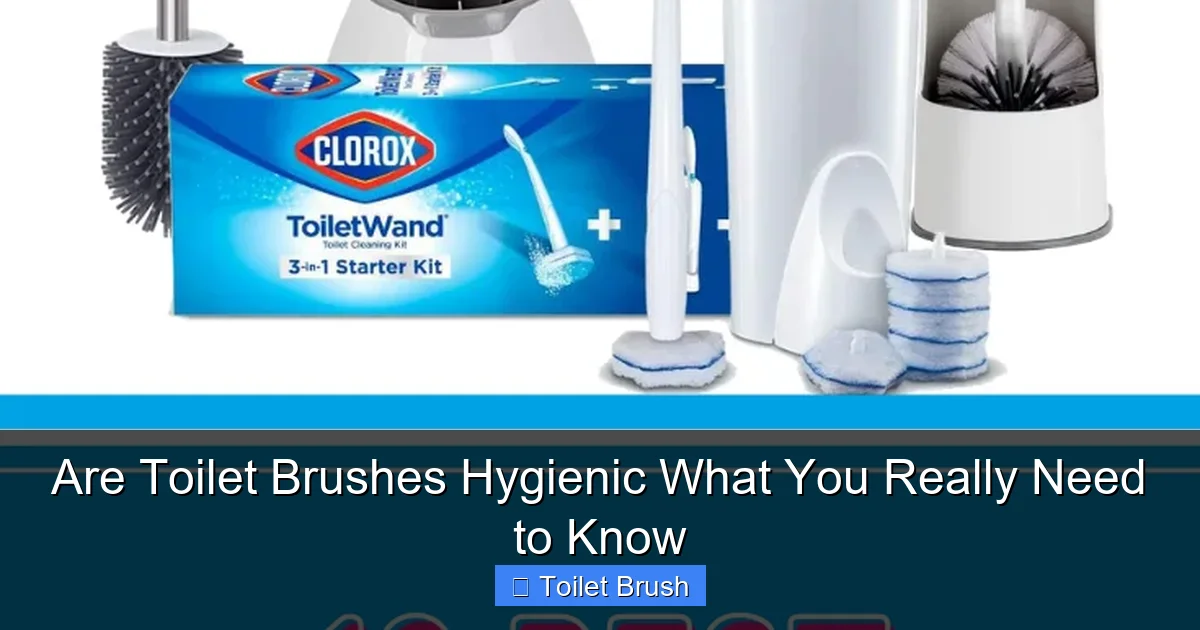
- Disposable Toilet Scrubbers (e.g., Scrubbing Bubbles Fresh Brush): These use a replaceable, pre-soaked scrubber head on a reusable handle. You snap on a new head for each clean and throw the dirty one away. This eliminates cross-contamination.
- Silicone Toilet Brushes: These have non-porous, smooth silicone bristles that are easier to rinse clean and dry faster than traditional nylon. Many are designed to be dishwasher-safe for easy sterilization.
- Toilet Cleaning Wands with Disposable Pads: Similar to disposable mop systems, these offer a fresh cleaning pad for each use.
- High-Pressure Toilet Cleaning Sprays: Devices like the “Toilet Jet” or “Power Plunge” use a targeted, high-pressure water stream to dislodge grime without a brush. They are followed by a chemical disinfectant.
Conclusion: Hygiene is in Your Hands
So, are toilet brushes hygienic? They can be, but it requires consistent effort. The classic toilet brush is a tool that trades convenience for ongoing maintenance. By understanding the risks—primarily moisture and poor storage—you can take control.
The golden rules are simple: let it dry completely after every use, disinfect it deeply every week, and replace it often. If that routine feels like too much, one of the modern disposable or silicone alternatives might be your perfect fit.
Your bathroom’s cleanliness doesn’t have to be a mystery. With the knowledge from this guide, you can confidently tackle the task, knowing you’re truly cleaning—and not just spreading germs around.
🎥 Related Video: 10 Things You Need To Know About Cleaning Your Toilet
📺 Clean That Up
Let’s tackle those tricky spots together! In today’s video we are diving into the nitty-gritty of toilet cleaning, revealing effective …