
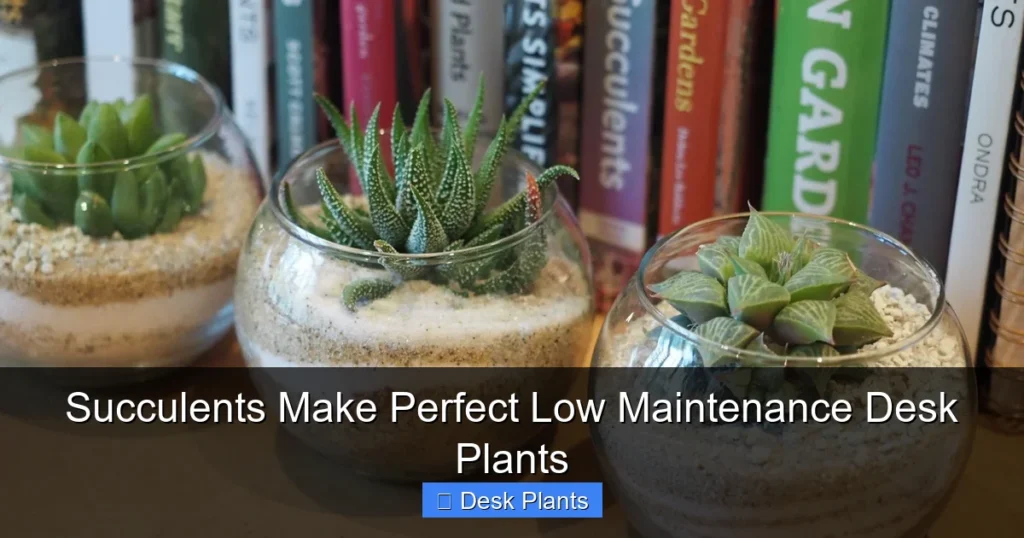
Succulents are excellent desk plants due to their low maintenance needs and air-purifying benefits. This guide will show you how to select the right succulents, set them up on your desk, and care for them effortlessly. Transform your workspace with these resilient and stylish plants.
Key Takeaways
- Low Maintenance: Succulents require minimal watering and care, making them perfect for busy desk environments.
- Air Purification: They help improve indoor air quality by removing toxins and releasing oxygen.
- Variety and Style: With numerous shapes and colors, succulents can enhance any desk aesthetic.
- Easy Propagation: You can easily grow new plants from leaves or cuttings, expanding your collection.
- Light Requirements: Most succulents thrive in bright, indirect light, which is often available near windows or with desk lamps.
- Watering Wisdom: Overwatering is the main killer; learn the soak-and-dry method for healthy plants.
- Boosts Productivity: Having plants on your desk can reduce stress and increase focus and creativity.
Why Succulents Are Perfect Desk Plants
Do you want to add some green to your desk without the hassle? Succulents are the answer. These plants are famous for their low maintenance needs. They store water in their leaves, stems, or roots. This means they can survive with little attention. Perfect for busy professionals! Succulents also come in many shapes and colors. They can fit any desk style. From modern to rustic, there’s a succulent for you. Plus, they help clean the air. Studies show that plants remove toxins from indoor air. This can make your workspace healthier. Having plants on your desk can boost your mood. They reduce stress and increase productivity. So, succulents are not just pretty. They are practical too.
Let’s dive deeper. Succulents are part of the cactus family. But not all cacti are succulents. Succulents have thick, fleshy parts. These parts store water. This adaptation lets them thrive in dry conditions. On your desk, this means less watering. You can go on vacation without worry. Your succulents will be fine. They also grow slowly. So, they won’t outgrow their space quickly. This makes them ideal for desks. You won’t need to repot them often. Another benefit is their size. Most stay small. They fit perfectly on a desk corner or next to your monitor. Some even fit in tiny pots. You can have a mini garden in a mug!
Health benefits are a big plus. Succulents release oxygen during the day. They also remove harmful chemicals. These chemicals come from office equipment. Think printers and computers. By having succulents, you breathe cleaner air. This can reduce headaches and fatigue. Your focus improves. Your creativity gets a boost. It’s like having a natural air purifier. And it’s prettier than a machine! Psychological benefits are real. Greenery reduces anxiety. It makes you feel calm. In a busy office, that’s gold. Your desk becomes a sanctuary. A place where you can relax for a moment. All from a few small plants.
How to Choose the Right Succulents for Your Desk
Picking the right succulent is key. You want one that thrives on your desk. Here are some tips to help you choose.
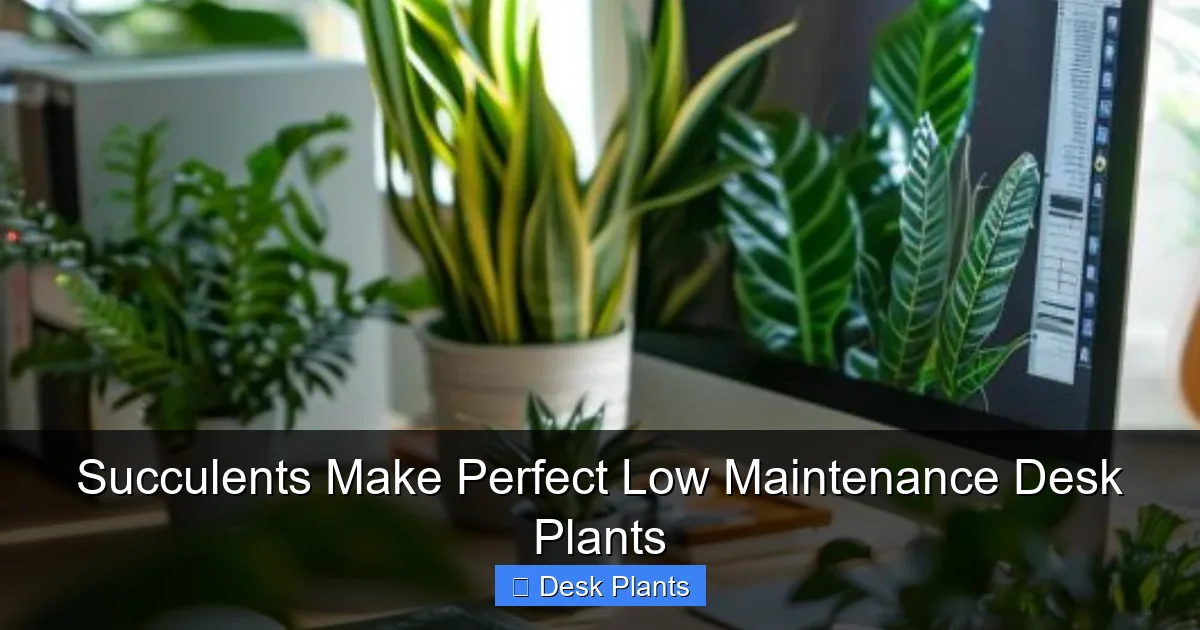
Visual guide about Succulents Make Perfect Low Maintenance Desk Plants
Image source: i.pinimg.com
Consider Light Conditions
Light is crucial for succulents. Most need bright, indirect light. If your desk is near a window, great! South or east-facing windows are best. They provide morning sun. But avoid direct afternoon sun. It can scorch the leaves. If your desk is away from windows, don’t worry. Some succulents can handle low light. For example, snake plants and zebra haworthia are tolerant. They survive in fluorescent office light. But they might not grow as fast. Assess your desk’s light first. Use a light meter app on your phone. Or just observe throughout the day. Then, choose succulents that match. If light is low, consider using a grow light. A small LED lamp can work wonders.
Select Based on Size and Shape
Desk space is often limited. So, pick succulents that stay small. Look for slow-growing varieties. Echeveria and sedum are good choices. They form rosettes and don’t spread much. Also, consider the shape. Some succulents grow tall, like aloe. Others stay flat, like sempervivum. Choose what fits your desk layout. If you have a vertical space, try trailing succulents. Sedum morganianum, or burro’s tail, hangs beautifully. It’s great for shelves or hanging pots. For a clustered look, mix different sizes. But keep it tidy. You don’t want plants blocking your work area.
Popular Desk Succulent Varieties
Here are some top picks for desk succulents:
- Echeveria: Rosette-shaped, comes in many colors. Needs bright light. Perfect for a sunny desk spot.
- Haworthia: Tolerant of low light. Has striking patterns. Often called zebra plant.
- Jade Plant: Symbol of good luck. Easy to care for. Grows slowly, ideal for desks.
- Aloe Vera: Medicinal properties. Requires some sunlight. Great for a health-conscious workspace.
- Sedum Morganianum: Trailing habit. Great for hanging pots. Adds a dynamic element.
- Snake Plant: Very low light tolerant. Air purifying. Almost indestructible.
- Lithops: Also called living stones. Unique appearance. Needs very little water.
Start with one or two. See how they do on your desk. You can always add more later.
Setting Up Your Succulents on the Desk
Once you have your succulents, it’s time to set them up. Proper setup ensures they thrive.
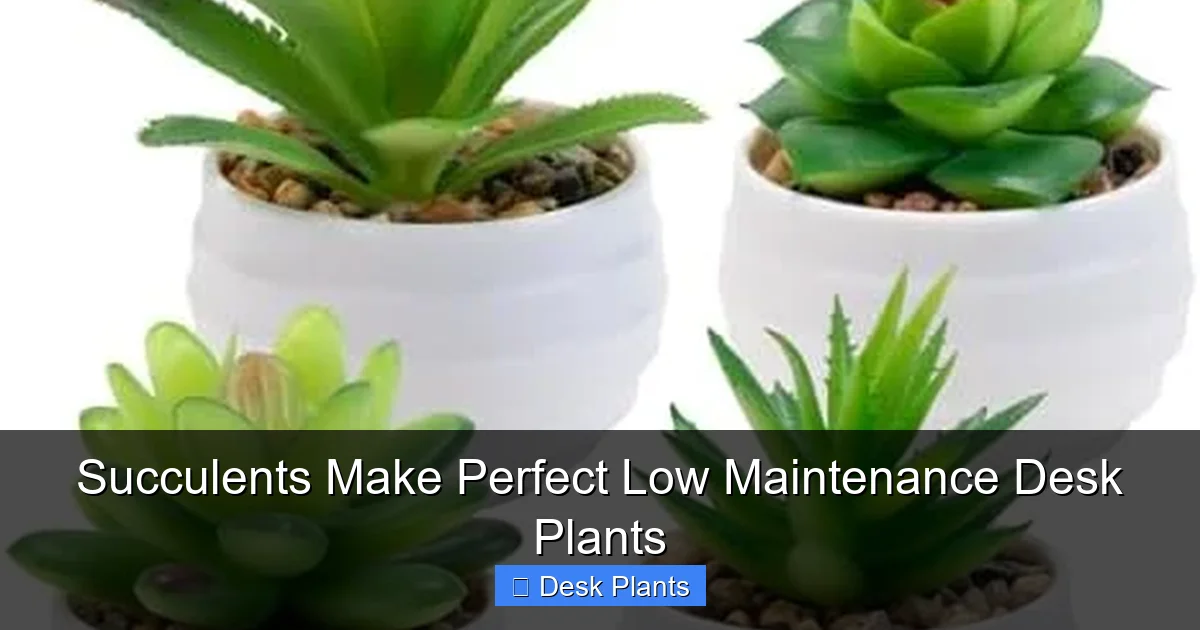
Visual guide about Succulents Make Perfect Low Maintenance Desk Plants
Image source: m.media-amazon.com
Choosing the Right Pot and Soil
Succulents need good drainage. Use pots with drainage holes. Terracotta pots are excellent. They are porous. This allows soil to dry out faster. Ceramic pots with holes also work. Avoid pots without drainage. They trap water and cause root rot. If you love a pot without holes, use it as a cover pot. Place a plastic pot with holes inside. For soil, use a mix for cacti and succulents. It drains well. You can buy it at any garden store. Or make your own mix. Combine potting soil with perlite or coarse sand. A 1:1 ratio is good. This ensures roots don’t sit in wet soil. Wet soil is a succulent’s enemy.
Planting and Arranging
Plant your succulents carefully. First, fill the pot with soil. Leave some space at the top. Make a hole for the plant. Gently remove the succulent from its nursery pot. Loosen the roots if they are tight. Place the succulent in the hole. Adjust the soil so the plant sits upright. Gently press the soil around it. Water lightly after planting. This settles the soil. Now, arrange them on your desk. Put them where they get enough light. But not in direct sun if it’s too harsh. Group succulents for a mini garden. Use decorative pots to match your desk theme. Consider height variations. Place taller plants at the back. Shorter ones in front. This creates depth. It makes your desk look organized and lively.
Caring for Your Desk Succulents
Caring for succulents is easy. Follow these steps to keep them healthy.
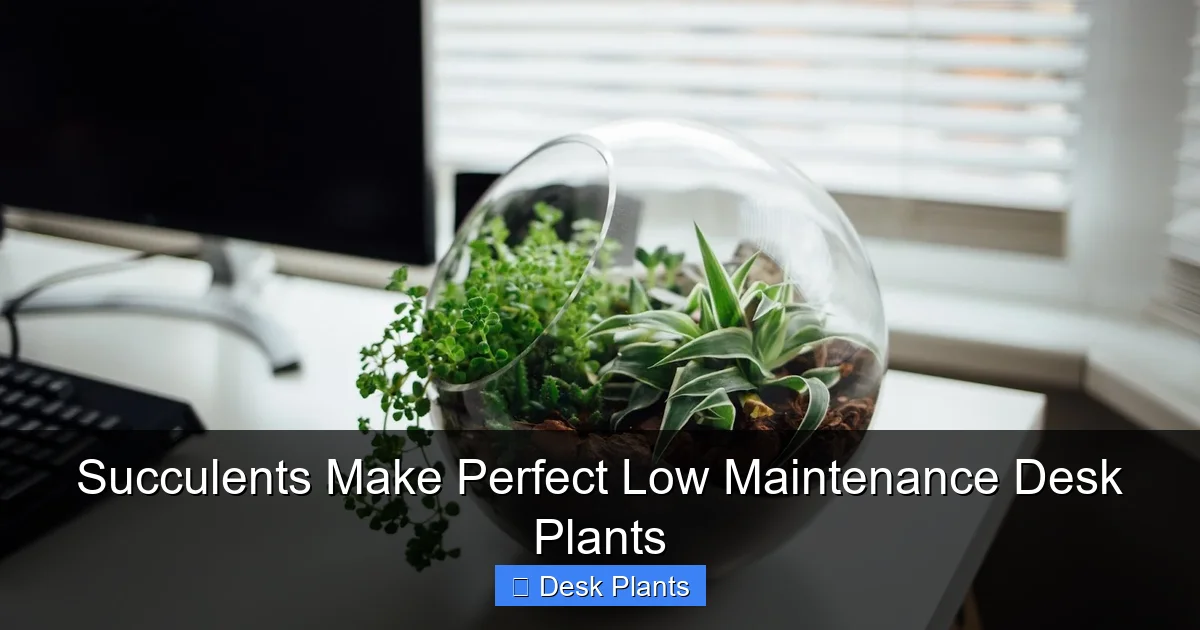
Visual guide about Succulents Make Perfect Low Maintenance Desk Plants
Image source: 3.bp.blogspot.com
Watering Schedule and Techniques
Overwatering is the biggest mistake. Succulents prefer dry soil. Water only when the soil is completely dry. How to check? Stick your finger in the soil. If it’s dry an inch down, it’s time to water. Use the soak-and-dry method. Water thoroughly until it drains out the bottom. Then, let the soil dry out completely. In summer, this might be every 1-2 weeks. In winter, water less. Once a month may be enough. Always water at the base. Avoid wetting the leaves. Wet leaves can rot. Use a watering can with a narrow spout. This gives you control. If you’re unsure, wait. Succulents can handle drought. They might wrinkle if thirsty. Then water them. They’ll plump up again.
Light Management
Light is vital. Place your succulents where they get bright, indirect light. A north or east-facing window is ideal. If light is low, use a grow light. Desk lamps with LED grow bulbs work well. They are energy-efficient. Set them on a timer for 6-8 hours a day. Rotate your plants regularly. This ensures even growth. Without rotation, plants lean toward the light. They become lopsided. Watch for signs of too much or too little light. If leaves stretch, they need more light. If they scorch or turn brown, move them away from direct sun. Adjust as needed. Your succulents will tell you what they need.
Fertilizing and Pruning
Succulents don’t need much fertilizer. Feed them during the growing season. Spring and summer are best. Use a balanced, water-soluble fertilizer. Dilute it to half strength. Apply once a month. Too much fertilizer can harm them. It can cause weak growth. Pruning helps maintain shape. Remove dead leaves at the base. This prevents pests. Trim overgrown stems. Use sharp, clean scissors. Cut just above a leaf node. This encourages new growth. You can use the cuttings to propagate. More plants for free! Always clean your tools. Wipe with alcohol before and after. This stops disease spread.
Troubleshooting Common Problems
Even with care, problems can arise. Here’s how to fix them.
Overwatering and Root Rot
Signs: Yellow, mushy leaves. Black stems. Foul smell from soil. Solution: Stop watering immediately. Let the soil dry out completely. If severe, remove the plant from the pot. Check the roots. Healthy roots are white or light brown. Rotten roots are dark and slimy. Cut off rotten parts with sterile scissors. Let the plant air dry for a day. Repot in fresh, dry soil. Water only after a week. Prevent this by using well-draining soil and pots with holes.
Etiolation (Stretching)
Signs: Stems grow long and leggy. Leaves spaced out. Plant looks stretched. Cause: Not enough light. Solution: Move to a brighter spot. Gradually introduce more light to avoid shock. You can also prune the stretched parts. Cut the top off. Let it callous. Then plant it. The base may produce new shoots. This gives you two plants! Use grow lights if natural light is limited.
Pests and Diseases
Common pests: Mealybugs, aphids, spider mites. Look for white cottony spots or tiny insects. Solution: Isolate the affected plant. Wipe pests with alcohol-soaked cotton swabs. Use insecticidal soap if needed. Spray lightly. For diseases, like fungal infections, avoid overwatering. Ensure good air circulation. Remove affected leaves. If problems persist, repot in fresh soil. Healthy succulents resist pests better.
Enhancing Your Workspace with Succulents
Succulents can make your desk more inviting. Here are some ideas.
Creative Display Ideas
Use unique containers. Like teacups, mason jars, or geometric pots. Ensure they have drainage. You can drill holes in ceramic. Or use them as cache pots. Create a succulent terrarium. But use an open container. Closed terrariums trap moisture. That’s bad for succulents. Arrange succulents in a shallow tray for a desertscape. Add decorative sand or pebbles. Hang small pots if space is tight. Use wall-mounted planters. They save desk space. Mix succulents with air plants. They have similar care needs. This adds variety.
Combining with Other Desk Accessories
Pair succulents with desk organizers. For example, place a small succulent in a pencil holder. Or next to a file tray. They can be a calming focal point. Choose pots that complement your stationery. Match colors or materials. For a modern look, use white ceramic pots. For a rustic feel, try terracotta. Mix and match different succulent types for texture. Some have smooth leaves. Others are spiky. This creates visual interest. Your desk will look curated and professional.
Conclusion
Succulents are perfect low maintenance desk plants. They bring life to your workspace without much effort. By choosing the right varieties, setting them up properly, and following simple care tips, you can enjoy green companions on your desk. They purify air, boost mood, and enhance productivity. Start with one succulent today. Watch it thrive and transform your desk into a peaceful oasis. Remember, the key is to mimic their natural habitat: bright light, infrequent watering, and well-draining soil. With these steps, your succulents will be happy. And so will you. Happy planting!
🎥 Related Video: Succulent Tips for Beginners // Garden Answer
📺 Garden Answer
Links: Espoma Cactus and Succulent Mix – http://amzn.to/2ow1kwg Espoma Liquid Fertilizer – http://amzn.to/2ogaDPr Grow Lights …