
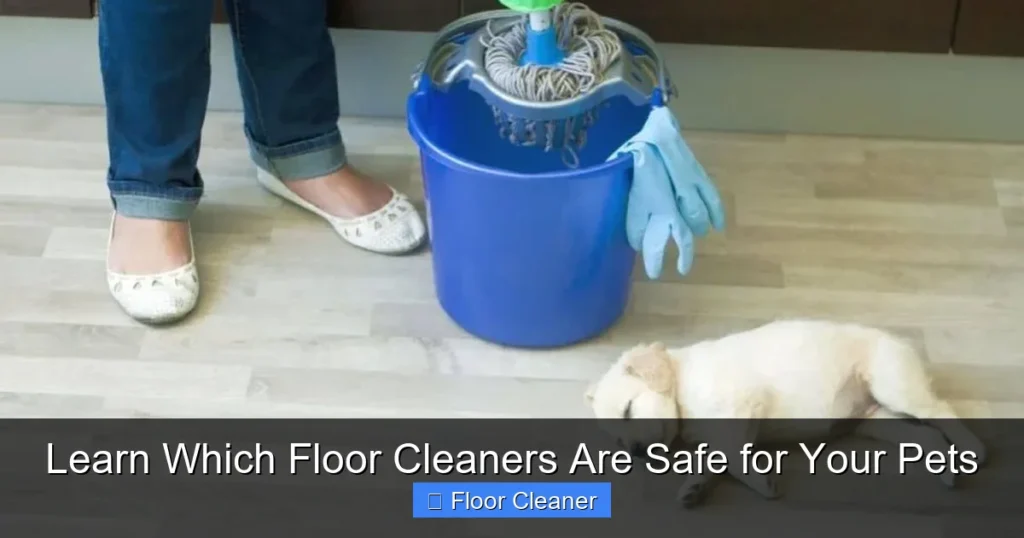
Not all floor cleaners are safe for pets. Many contain harsh chemicals that can linger on surfaces, harming your pet’s health through their paws or if ingested. This guide teaches you how to identify pet-safe products, read labels like a pro, and create effective DIY cleaners for a truly clean and non-toxic home.
Key Takeaways
- Chemicals Linger on Paws and Fur: Pets walk on cleaned floors and then lick their paws, ingesting residues of harsh cleaners like ammonia, phenols, or glycol ethers.
- “Natural” Doesn’t Always Mean Safe: Marketing terms like “green” or “natural” are not regulated. Always check the full ingredient list for hidden toxins.
- Vinegar and Water is a Powerful Base: A simple solution of diluted white vinegar is a safe, effective cleaner for most hard surfaces and neutralizes odors.
- Essential Oils Require Extreme Caution: Many essential oils (e.g., tea tree, citrus, pine) are highly toxic to pets, especially cats. Avoid them in cleaners unless you are certain of safety and proper dilution.
- Rinsing is Your Best Friend: After mopping with any cleaner, a clear water rinse removes residues, preventing your pet from contacting the cleaning solution directly.
- Look for Third-Party Certifications: Seals from organizations like the EPA Safer Choice program or Ecolabel provide verified assurance of a product’s safety profile.
Learn Which Floor Cleaners Are Safe for Your Pets
You love your pets. They are family. You also love a clean home. But these two loves can sometimes clash. You mop the floor, and minutes later, your dog is sliding across it or your cat is napping in that very spot. What’s in that cleaner? Is it safe?
The scary truth is, many common floor cleaners contain chemicals that can harm our furry friends. Pets are closer to the ground. They absorb and inhale fumes more directly. They walk on damp floors and then lick their paws. Their systems are not like ours. A “fresh scent” to us can be an overwhelming, toxic cloud to them.
This guide is here to help. We will walk you through everything you need to know to keep your floors sparkling without worrying about your pet’s safety. You will learn how to decode labels, spot danger ingredients, choose trusted products, and even make your own effective cleaners. Let’s create a home that’s clean and safe for every member of the family.
Step 1: Understand How Pets Are Exposed to Floor Cleaners
First, know the risks. Pets aren’t just walking on your floor. They are interacting with it in ways we don’t.

Visual guide about Learn Which Floor Cleaners Are Safe for Your Pets
Image source: pikpng.com
Paw and Skin Contact
Cleaning residues don’t always fully evaporate or rinse away. These residues get on your pet’s paws and skin. This can cause irritation, dryness, or even chemical burns on sensitive paw pads.
Ingestion from Grooming
This is the biggest risk. Cats and dogs groom themselves constantly. Chemicals stuck to their paws, fur, or whiskers are swallowed. Over time, this can lead to internal damage.
Inhalation of Fumes
Pet respiratory systems are sensitive. Strong fumes from ammonia or chlorine can cause breathing trouble, especially for birds, small animals, or pets with asthma.
Step 2: Learn the “Dirty Dozen” – Ingredients to Avoid
Become a label detective. If you see these ingredients, put the bottle back on the shelf.

Visual guide about Learn Which Floor Cleaners Are Safe for Your Pets
Image source: petmd.com
- Ammonia: A powerful irritant. It can burn skin, eyes, and lungs. The smell is also very attractive to pets, especially cats, which can lead to dangerous curiosity.
- Chlorine Bleach (Sodium Hypochlorite): Extremely corrosive. Fumes are harmful to breathe. If mixed with other cleaners (like ammonia), it creates lethal chlorine gas.
- Glycol Ethers (2-Butoxyethanol, etc.): Common in “all-purpose” cleaners. They can cause anemia, lung damage, and kidney failure in pets.
- Formaldehyde: A known carcinogen used as a preservative. It’s a severe irritant and toxin.
- Phthalates: Often hidden under “fragrance.” They are endocrine disruptors, messing with hormones.
- Phenols: Found in some disinfectants. Highly toxic to cats, who lack the liver enzyme to process them. Can cause liver damage.
- Artificial Dyes and Fragrances: These add no cleaning power. They are common allergens and irritants for pets and people.
Step 3: How to Choose a Pet-Safe Commercial Cleaner
If DIY isn’t your style, you can shop smart. Here’s what to look for.
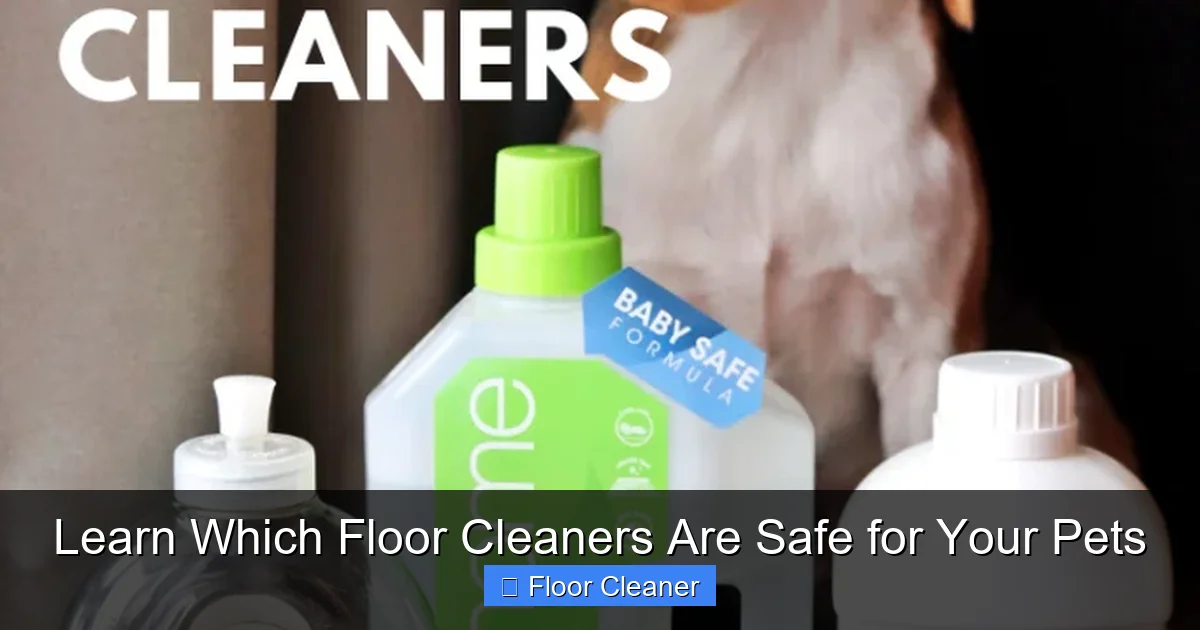
Visual guide about Learn Which Floor Cleaners Are Safe for Your Pets
Image source: mywomenstuff.com
Read the Full Ingredient List
Don’t just trust the front label. Turn the bottle over. A truly safe company will disclose all ingredients. If the list says “fragrance” or “surfactants” without detail, be wary.
Look for Trusted Certifications
These seals are your best shortcut to safety:
EPA Safer Choice: The EPA scientists have reviewed every ingredient for safety.
Ecologo or Green Seal: Rigorous standards for environmental and human health.
Leaping Bunny: Cruelty-free, meaning not tested on animals.
Opt for Simpler Formulas
Look for plant-based, biodegradable ingredients. Names you recognize, like citric acid, lactic acid, or hydrogen peroxide, are good signs.
Examples of Pet-Safe Brands (Always Check Labels!)
Brands like Better Life, Puracy, Branch Basics, Attitude, and Seventh Generation (specific lines) often offer good options. Remember, formulas change, so the ingredient list is your final check.
Step 4: Make Your Own Effective & Safe DIY Cleaners
This is the most affordable and controllable method. Here are simple recipes.
The All-Star: Vinegar & Water Solution
For most hard surfaces (tile, laminate, sealed wood):
Mix 1 part white vinegar with 1 part warm water in a spray bottle. Vinegar cuts grease, deodorizes, and is antimicrobial. Note: Do not use on marble, stone, or unsealed wood, as the acid can etch.
The Disinfectant: Hydrogen Peroxide Solution
For sanitizing (e.g., after pet accidents):
Use 3% hydrogen peroxide. You can spray it on, let it bubble for 5-10 minutes, then wipe. It’s a great stain lifter and kills many germs. Test on a hidden area first for colorfastness.
The Degreaser: Castile Soap Cleaner
For grimy floors:
Add 1/4 cup of liquid Castile soap (like Dr. Bronner’s) to a gallon of hot water. It’s a powerful, plant-based cleaner that’s gentle and non-toxic.
A Word on Essential Oils
Use with extreme caution. Many are toxic. If you wish to use a safe oil like lavender for scent, dilution is critical: only 1-2 drops per cup of cleaning solution. Never use tea tree, citrus, peppermint, pine, or wintergreen around pets.
Step 5: Master Safe Cleaning Practices
Your method is as important as your cleaner.
Isolate Your Pet
Keep pets out of the room until the floor is completely, thoroughly dry. Use baby gates or close doors.
Rinse, Rinse, Rinse
After mopping with any solution—even a DIY one—go over the floor again with a mop dampened with clean water. This removes any slick or sticky residue.
Ventilate the Area
Open windows and turn on fans. Good airflow helps fumes dissipate and speeds up drying time.
Store All Products Securely
Keep all cleaning supplies, including your vinegar bottle, in a locked or high cabinet. Pets are curious and can chew through bottles.
Step 6: Troubleshooting Common Problems
What if things don’t go as planned?
My floor is still dirty with my gentle cleaner.
Pre-clean heavy soil. Sweep and vacuum thoroughly first. For stuck-on grime, use a little more elbow grease with your Castile soap solution or a dash of baking soda as a gentle scrub.
My house smells like vinegar.
The vinegar smell disappears as it dries (usually within an hour). If it bothers you, add a single drop
I think my pet was exposed to a toxic cleaner.
Act fast. Remove your pet from the area. If they have it on their skin or fur, wash with mild pet soap and water. If ingested or if they are drooling, vomiting, or lethargic, call your veterinarian or the ASPCA Animal Poison Control Center (888-426-4435) immediately. Have the product label ready.
Conclusion: A Clean Home and a Happy Pet
Choosing floor cleaners safe for your pets is an act of love. It takes a little more effort to read labels and maybe mix a simple solution. But the peace of mind is priceless. You can relax, knowing your clean floors are not a hidden danger zone. Your pet can roam, play, and nap safely. Remember, the safest cleaner is often the simplest one—made with ingredients you already trust. Start today. Pick one recipe to try, or examine the cleaner under your sink. Your furry friend will thank you with every safe, healthy step they take.
🎥 Related Video: Are Floor Cleaners Safe For Pets? – PetGuide360.com
📺 Pet Guide 360
Are Floor Cleaners Safe For Pets? Maintaining a clean home is essential for any pet owner, but it’s important to consider the safety …