Dust tornadoes, often called dust devils, are generally less intense than tornadoes but can still pose real dangers. This guide explains how they form, their potential hazards, and provides clear, step-by-step instructions for staying safe. By learning to recognize risks and taking proper precautions, you can protect yourself and your property.
Welcome to your essential safety guide on dust tornadoes! If you’ve ever seen a swirling column of dust and wondered, “are dust tornadoes dangerous?” you’re in the right place. This guide will walk you through everything you need to know. We’ll cover what dust tornadoes are, their risks, and practical steps to stay safe. By the end, you’ll feel confident and prepared. Let’s dive in!
Key Takeaways
- Dust tornadoes are typically weak but unpredictable: They usually cause minor damage, but can occasionally be strong enough to injure people or damage property.
- Flying debris is the primary hazard: These whirlwinds can lift and throw loose objects like rocks, toys, or furniture, posing a serious risk.
- Visibility loss can lead to accidents: Sudden dust clouds can reduce visibility for drivers or pedestrians, increasing the chance of collisions or falls.
- Preparation minimizes risk: Securing outdoor items and monitoring weather conditions are key steps to prevent damage and injury.
- Immediate action is crucial during an event: If a dust tornado approaches, move indoors or to a sheltered area quickly and avoid windows.
- Education enhances safety: Teaching family and friends about dust tornado dangers ensures everyone knows how to react.
- Aftermath checks are important: Inspect for damage and secure any loose items once the dust tornado has passed to maintain safety.
Understanding Dust Tornadoes: What Are They?
Dust tornadoes, commonly known as dust devils, are fascinating weather phenomena. They look like mini tornadoes but are very different. Dust tornadoes form on hot, dry days when the ground heats up quickly. The warm air rises, and if there’s a light breeze, it can start spinning. This creates a visible vortex of dust and debris. Unlike tornadoes, which come from thunderstorms, dust tornadoes are usually harmless fun to watch. But don’t be fooled. Sometimes, they can become powerful. So, are dust tornadoes dangerous? In most cases, no. But they can be. Understanding them is the first step to safety.
How Dust Tornadoes Form
Imagine a sunny afternoon in a desert or a large, open field. The sun heats the ground, warming the air just above it. This warm air rises in a column. Cooler air rushes in to replace it. If the winds are just right, the air starts to spin. It picks up dust, leaves, and small objects. Voila! A dust tornado is born. They are usually small, from a few feet to over 100 feet tall. They last only a few minutes. But in rare cases, they can grow larger and last longer. That’s when the question “are dust tornadoes dangerous” becomes more urgent.
Dust Tornado vs. Tornado: Key Differences
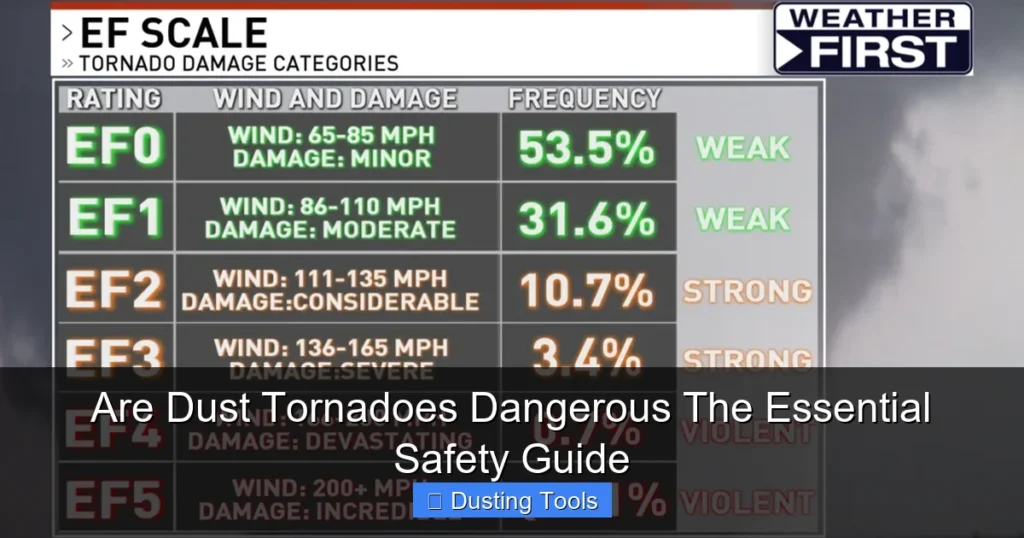
It’s easy to mix them up, but here are the main differences. Tornadoes form from severe thunderstorms and can be devastating. They have strong winds, often over 100 mph. Dust tornadoes form from heat on calm days. Their winds are milder, usually under 60 mph. Tornadoes can travel miles and cause massive destruction. Dust tornadoes stay in one area and often fizzle out quickly. So, while both are swirling winds, dust tornadoes are generally less threatening. But “less threatening” doesn’t mean “safe.” We’ll explore why next.
Are Dust Tornadoes Dangerous? Assessing the Risks
Now, let’s answer the big question: are dust tornadoes dangerous? The short answer is yes, they can be. But the danger level is usually low. Think of it like this: most dust tornadoes are like a playful puppy. They might nip, but they won’t seriously hurt you. However, some can be like a startled dog—unpredictable and potentially harmful. Here are the main risks to consider.
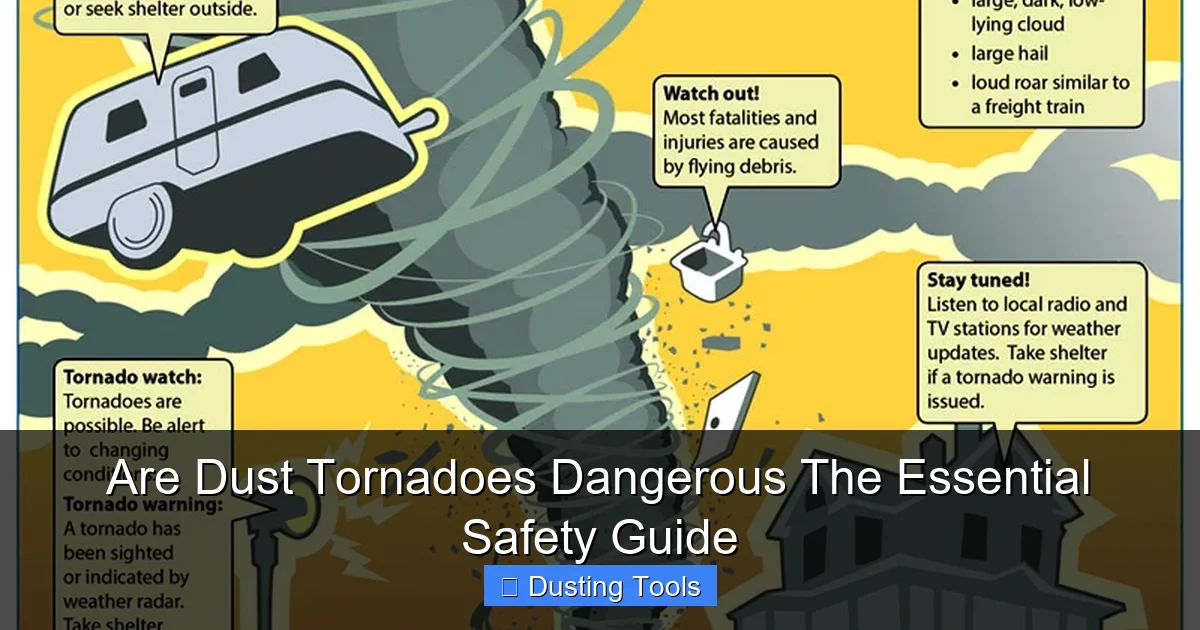
Visual guide about Are Dust Tornadoes Dangerous The Essential Safety Guide
Image source: cdc.gov
Risk 1: Flying Debris and Objects
This is the biggest danger. Dust tornadoes suck up anything loose. That includes rocks, sticks, toys, patio furniture, and even small tools. These objects become projectiles. They can hit people, animals, or property. A fast-moving rock can cause cuts or bruises. Larger items might break windows or dent cars. So, are dust tornadoes dangerous because of debris? Absolutely. Always secure your outdoor items. It’s a simple step that prevents most problems.
Risk 2: Poor Visibility and Accidents
Dust tornadoes create sudden dust clouds. If you’re driving, walking, or cycling, this can blind you. Reduced visibility leads to accidents. You might swerve into another lane or trip and fall. In areas with heavy traffic, a dust tornado can cause multi-car pile-ups. So, are dust tornadoes dangerous on the road? Yes. They are a real hazard for travelers. Stay alert in dusty regions.
Risk 3: Respiratory Issues
All that dust isn’t good for your lungs. If you have asthma or allergies, inhaling dust can trigger attacks. Even healthy people might cough or have trouble breathing. If a dust tornado passes by, it’s best to cover your mouth and nose. Move away quickly. So, are dust tornadoes dangerous for health? They can be, especially for sensitive groups. Take precautions.
Risk 4: Structural Damage
While rare, strong dust tornadoes can damage buildings. They might rip off shingles, break windows, or topple weak structures like sheds. In extreme cases, they’ve been known to overturn mobile homes or vehicles. So, are dust tornadoes dangerous to property? Potentially, yes. But with proper preparation, you can minimize the risk.
How to Stay Safe Before a Dust Tornado: Preparation Steps
Prevention is better than cure. By preparing ahead, you can reduce the dangers of dust tornadoes. Here’s a step-by-step plan to get ready.
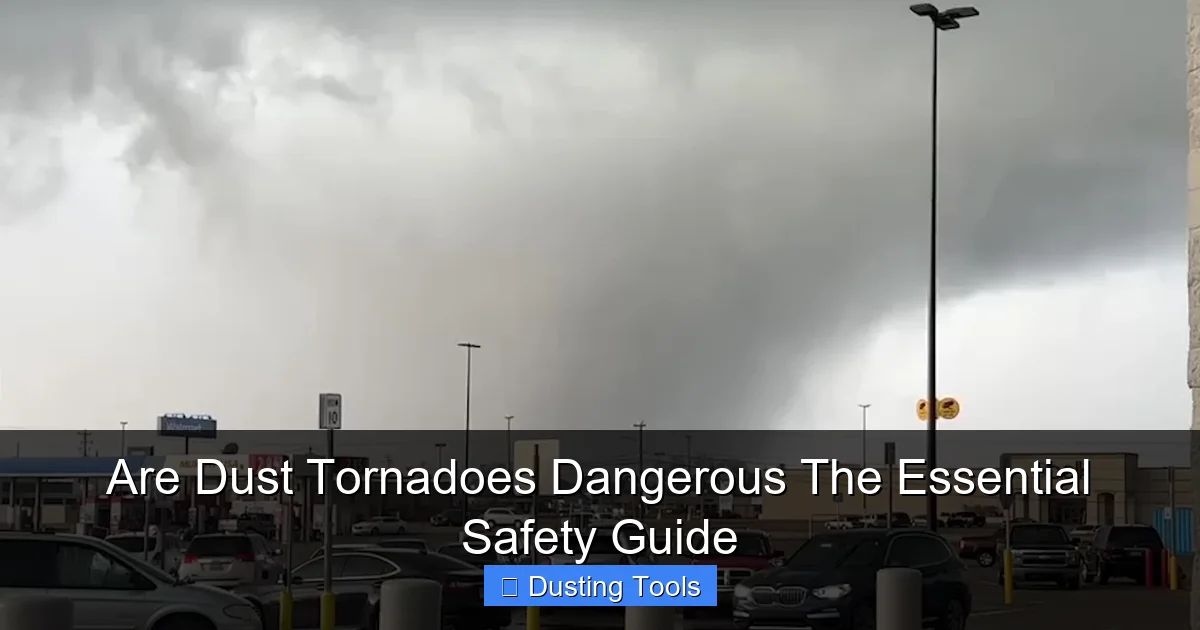
Visual guide about Are Dust Tornadoes Dangerous The Essential Safety Guide
Image source: v.w-x.co
Step 1: Monitor Weather Conditions
Dust tornadoes love hot, dry, and windy days. Check your local weather forecast. Many apps and websites give alerts for dusty conditions. In the U.S., the National Weather Service sometimes issues dust advisories. Stay informed. If you see a forecast for high heat and light winds, be extra vigilant. This is when dust tornadoes are most likely.
Step 2: Secure Outdoor Items
Walk around your yard. Look for anything that could blow away. This includes lawn chairs, trash cans, garden tools, and children’s toys. Store them in a garage or shed. If you can’t, use weights or ties to anchor them down. For example, put bricks in empty trash cans. Tie down patio umbrellas. This simple action answers “are dust tornadoes dangerous” by removing their ammunition.
Step 3: Create a Safety Plan
Talk with your family about what to do if a dust tornado appears. Decide on a safe room in your home, like an interior bathroom or basement. Make sure everyone knows to go there. Practice the plan twice a year. Also, keep an emergency kit handy. Include water, flashlights, and first-aid supplies. Preparation builds confidence.
Step 4: Maintain Your Property
Trim trees and bushes near your house. Loose branches can become debris. Repair any loose siding or roof tiles. Secure windows with storm shutters if possible. A well-maintained home is safer. It’s less likely to suffer damage. So, are dust tornadoes dangerous to your home? Not as much if you keep it in good shape.
What to Do During a Dust Tornado: Immediate Actions
If you see a dust tornado coming, don’t panic. Follow these steps to stay safe.

Visual guide about Are Dust Tornadoes Dangerous The Essential Safety Guide
Image source: outdoorguide.com
Step 1: Move Indoors Quickly
The safest place is inside a sturdy building. Go in and stay away from windows. Windows can break from flying debris. If you’re in a vehicle, it’s tricky. Cars are not safe shelters. But if you’re driving, don’t try to outrun it. Pull over safely, turn off the engine, and stay seated. Keep your seatbelt on. Cover your head with your arms. Wait for it to pass.
Step 2: Protect Your Airways
If you’re caught outside, use a cloth or shirt to cover your mouth and nose. This filters the dust. Try to move perpendicular to the dust tornado’s path. Don’t run into it. Find a ditch or low area and lie flat. This reduces your exposure. Remember, are dust tornadoes dangerous if you breathe in dust? Yes. Protecting your lungs is key.
Step 3: Avoid Dangerous Areas
Stay clear of open fields, construction sites, and parking lots. These areas have lots of loose debris. If you’re in a crowd, move to a sheltered spot. Help children and elderly people first. Keep pets indoors or on a leash. Quick thinking saves lives.
After a Dust Tornado: Post-Event Safety
Once the dust settles, it’s time to check for damage. Do this carefully.
Step 1: Inspect Your Surroundings
Look around your property. Check for broken glass, fallen branches, or other hazards. If you see power lines down, stay away and call emergency services. Wear sturdy shoes and gloves to avoid injuries. Are dust tornadoes dangerous after they’re gone? They can be, if debris is left unattended.
Step 2: Secure Loose Items Again
If any items were displaced, secure them properly. This prevents them from blowing away in another event. Clean up dust and debris to improve air quality. Use a mask while cleaning.
Step 3: Report Damage
If there’s significant damage, contact your insurance company. Take photos for evidence. Help neighbors if needed. Community support makes recovery easier.
Troubleshooting Common Dust Tornado Scenarios
Sometimes, things don’t go as planned. Here’s how to handle tricky situations.
Scenario 1: Driving When a Dust Tornado Hits
If you’re on the road, reduce speed safely. Don’t slam on brakes. Turn on your headlights and hazard lights. Pull over to the shoulder if possible. Stay in the car with windows up. Wait until visibility improves. If the dust tornado is directly approaching, lean down below window level. This protects you from flying glass.
Scenario 2: Being Outdoors with No Shelter
Find the lowest point nearby, like a ditch. Lie flat and cover your head. Hold onto something solid if you can. Avoid trees or light poles that might fall. Once the wind dies down, move to safety slowly.
Scenario 3: Dust Tornado Near a Crowded Event
Follow event staff instructions. Move to designated shelters calmly. If there’s no guidance, go to the nearest building. Avoid stampedes. Keep children close. Are dust tornadoes dangerous in crowds? They can cause panic, so staying calm is vital.
Conclusion: Stay Safe and Informed
So, are dust tornadoes dangerous? They can be, but now you know how to handle them. This guide has given you the tools to assess risks, prepare, act during an event, and recover afterward. Dust tornadoes are a part of nature. With knowledge and practice, you can enjoy their wonder without fear. Share this guide with friends and family. Together, we can build safer communities. Stay alert, stay prepared, and stay safe!