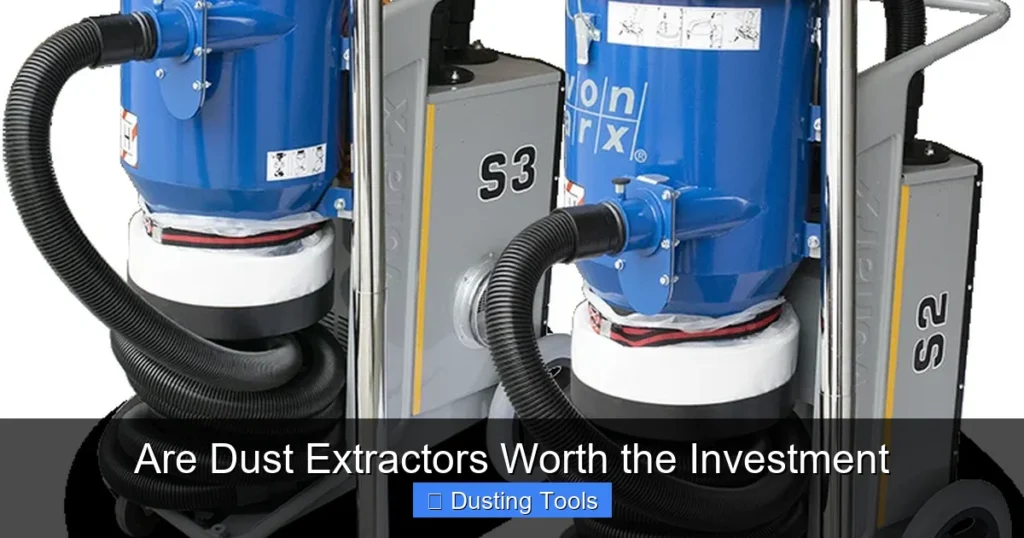
Dust extractors are specialized tools that capture fine particles to improve air quality and cleanliness. They are worth the investment for serious DIYers and professionals who value health and efficiency. This guide helps you decide based on your needs, budget, and projects.
Key Takeaways
- Health Protection: Dust extractors reduce airborne hazardous particles, safeguarding respiratory health.
- Superior Cleanliness: They capture fine dust better than standard vacuums, ensuring a cleaner workspace.
- Tool Longevity: By preventing dust buildup in tools, extractors extend equipment life and performance.
- Cost vs. Value: Higher upfront costs are often offset by long-term health and time savings.
- Versatility is Key: Choose a model with adequate power, filters, and attachments for your specific tasks.
- Noise and Portability: Consider noise levels and mobility based on your workspace environment.
- Professional Necessity: For woodworking or construction, dust extractors are essential for safety and compliance.
Are Dust Extractors Worth the Investment? A Complete How-To Guide
Welcome to your ultimate guide on dust extractors! If you work with wood, drywall, or any messy material, you know dust is a big problem. It gets everywhere. It can harm your health. You might be using a shop vacuum or sweeping up. But is that enough? In this guide, we will explore if a dust extractor is worth your money. We will break it down step by step. You will learn what dust extractors do, how to assess your needs, and how to choose the right one. Let’s get started on your journey to a cleaner, healthier workspace!
Step 1: Understand What Dust Extractors Do
First, let’s clear up what a dust extractor is. A dust extractor is not just a vacuum. It is a powerful tool designed to capture very fine dust particles. These particles can be too small for your eyes to see. But they can hurt your lungs. A dust extractor sucks in air and dust through a hose. Then, it filters the air to trap the tiny particles. This keeps the air clean and safe to breathe.

Visual guide about Are Dust Extractors Worth the Investment
Image source: thewoodsmithstore.com
How Dust Extractors Work
Think of a dust extractor as a super vacuum. It uses strong motors to create suction. The air flows through filters. Many dust extractors have HEPA filters. HEPA stands for High-Efficiency Particulate Air. These filters catch 99.97% of particles as small as 0.3 microns. That is incredibly small. For comparison, a human hair is about 70 microns wide. So, a dust extractor grabs dust you did not even know was there.
Types of Dust Extractors
There are a few common types of dust extractors. Knowing them helps you pick the right one. Portable dust extractors are lightweight and easy to move. They are great for small shops or job sites. Stationary dust extractors are bigger and more powerful. They are fixed in one place, like a workshop corner. Another type is the cyclone dust extractor. It uses a spinning action to separate dust before it hits the filter. This keeps the filter clean longer. Each type has its pros and cons. Your choice depends on your space and tasks.
Step 2: Assess Your Dust Control Needs
Now, ask yourself: Do I really need a dust extractor? Not everyone does. This step helps you figure it out. Consider how often you create dust. Think about the types of projects you do. Also, reflect on your health concerns. This assessment will guide your decision.

Visual guide about Are Dust Extractors Worth the Investment
Image source: elektravac.com
For DIY Enthusiasts
Are you a weekend warrior? Do you do small home projects? If you only sand a board once a year, a dust extractor might be overkill. But if you love woodworking or renovations, it could be a game-changer. Dust extractors protect your health. They keep your home cleaner. For frequent DIYers, investing in a dust extractor is smart. It makes your hobby safer and more enjoyable.
For Professionals
If you are a professional woodworker, carpenter, or contractor, a dust extractor is often a must. You deal with dust daily. Without proper control, dust can cause health issues over time. It can also damage your tools. A dust extractor improves safety and efficiency. It helps you meet workplace regulations. For pros, this tool is an investment in your business and well-being.
Specific Tasks and Tools
List the tools you use. Sanders, table saws, routers, and planers create lots of fine dust. A dust extractor can connect directly to these tools. This captures dust at the source. It stops dust from spreading. If you use such tools often, a dust extractor is worth it. Even for cleanup after cutting drywall or concrete, a dust extractor helps immensely.
Step 3: Compare Dust Extractors to Other Tools
You might already have a shop vacuum or air purifier. How does a dust extractor compare? Let’s look at the differences. This will help you see if a dust extractor adds value.

Visual guide about Are Dust Extractors Worth the Investment
Image source: spaenex.de
Dust Extractors vs. Shop Vacuums
Shop vacuums are good for big messes. They suck up nails, wood chips, and water. But they often lack fine filters. They can blow fine dust back into the air. Dust extractors are built for fine dust. They have better seals and filters. They capture hazardous particles that shop vacuums miss. If you work with materials like MDF or silica, a dust extractor is safer.
Dust Extractors vs. Air Purifiers
Air purifiers clean the air in a room. They are reactive. They work after dust is already in the air. Dust extractors are proactive. They capture dust as you create it. For the best results, you might use both. But if you want to stop dust at the source, a dust extractor is the way to go. It reduces the load on your air purifier too.
Dust Extractors vs. Regular Vacuums
Household vacuums are for light duty. They are not made for workshop dust. They can clog or break quickly. A dust extractor is heavy-duty. It handles fine dust without issues. So, do not rely on a regular vacuum for workshop tasks. It will not protect you or last long.
Step 4: Evaluate Costs and Benefits
This is the heart of your decision. Weigh the money you spend against the benefits you get. Let’s break it down.
Initial Investment
Dust extractors range from $200 to over $1500. Basic models are affordable. High-end ones have more features. Compare this to shop vacuums, which can cost $50 to $500. Yes, a dust extractor costs more upfront. But think about what you get. Better filtration, health protection, and tool compatibility. It is an investment in quality.
Long-Term Savings
Consider health costs. Less dust means fewer allergies and respiratory problems. You might save on doctor visits. Also, your tools last longer. Dust can clog motors and gears. By using a dust extractor, you reduce wear and tear. This saves money on repairs and replacements. Over time, these savings can offset the initial cost.
Health Benefits
Dust extractors reduce exposure to harmful particles. Wood dust, for example, can cause asthma or even cancer. Silica dust from concrete is very dangerous. A dust extractor minimizes these risks. Your health is priceless. Investing in a dust extractor is investing in your long-term well-being.
Time Savings
With a dust extractor, cleanup is faster. You spend less time sweeping and wiping surfaces. You can focus on your projects. This is especially valuable for professionals. Time is money. A dust extractor helps you work more efficiently.
Step 5: Choose the Right Dust Extractor
If you decide to buy, here is how to pick the best dust extractor for you. Follow these tips to make a smart choice.
Key Features to Look For
Look at suction power. It is measured in CFM (cubic feet per minute). Higher CFM means stronger suction. For most tasks, 100-150 CFM is good. Also, check filter quality. HEPA filters are the gold standard. Consider noise levels. Some dust extractors are quieter. If you work in a shared space, this matters. Look for models with noise ratings below 70 dB.
Attachments and Accessories
Make sure the dust extractor comes with the right hoses and nozzles. You want to connect it to your tools. Check adapter kits. Some brands offer universal adapters. This ensures compatibility with various tools. Also, consider the dust bin size. A larger bin means less frequent emptying.
Brand and Model Recommendations
Popular brands include Festool, DeWalt, Bosch, and Makita. Festool is known for high quality but is pricey. DeWalt offers good value for money. Bosch has reliable models for DIYers. Read online reviews. Watch video demonstrations. Choose based on your budget and needs. For example, the Festool CT 26 is great for professionals. The DeWalt DWV012 is a solid choice for home workshops.
Step 6: Practical Tips for Using Dust Extractors
Once you have your dust extractor, use it correctly. Here are practical tips to get the most out of it.
Setup and Connection
Always connect the hose to your tool before you start working. Ensure the connections are tight. This prevents dust leaks. Use the right hose diameter for your tool. A good seal maximizes dust capture. Also, position the dust extractor close to your work area. This maintains strong suction.
Maintenance
Keep your dust extractor in top shape. Empty the dust bin after each use. Clean the filters regularly. Tap them gently to remove dust. For HEPA filters, wash them if allowed by the manufacturer. Let them dry completely before reusing. Check hoses for clogs. A well-maintained dust extractor lasts longer and works better.
Safety Tips
Even with a dust extractor, wear a mask. It is an extra layer of protection. Use safety glasses to keep dust out of your eyes. Keep your workspace ventilated. Open windows or use fans. Also, ground your dust extractor if it collects flammable dust. This prevents static sparks. Safety first!
Troubleshooting Common Issues
Sometimes, your dust extractor might have problems. Here are quick fixes for common issues.
Loss of Suction
If suction is weak, check for clogs. Look in the hose, filters, and dust bin. Clean any blockages. Also, ensure the filters are clean. A dirty filter reduces airflow. Replace filters if they are damaged.
Noisy Operation
Loud noises can mean a blockage or worn parts. Inspect the hose and motor area. Remove any debris. Lubricate moving parts if your model requires it. If noise continues, consult the manual or contact customer support.
Filter Problems
If dust is escaping, the filter might be torn or improperly seated. Check the filter seals. Replace the filter if needed. Always use genuine parts for best performance.
Motor Overheating
Do not run your dust extractor for too long without breaks. Overheating can damage the motor. Allow it to cool down between heavy uses. Clean the air vents to ensure proper cooling.
Conclusion
So, are dust extractors worth the investment? For most people who deal with dust regularly, the answer is yes. Dust extractors offer clear benefits: health protection, cleaner workspaces, and longer tool life. They might cost more upfront, but the long-term value is significant. By following this guide, you have learned how to assess your needs, compare options, and choose wisely. Whether you are a DIY enthusiast or a professional, a dust extractor can make your work safer and more enjoyable. Take the step towards better dust control today. Your lungs and your projects will thank you!