
Baby jumpers can offer fun and a new perspective for your baby, but their impact on development is mixed. While they may strengthen leg muscles, overuse can potentially hinder motor skills like crawling and walking. This guide explains the research, outlines crucial safety rules, and provides steps to use a jumper wisely if you choose to use one.
Key Takeaways
- Moderation is Critical: Short, supervised sessions (10-15 minutes, 1-2 times daily) are key to minimizing risks while allowing for fun.
- Timing Matters: Introduce a jumper only when your baby has full head control and can sit with support, typically around 4-6 months, and discontinue once they can walk or try to climb out.
- Proper Setup is Non-Negotiable: The baby’s feet must be flat on the floor, with knees slightly bent, and the toy tray should be at chest level to ensure proper posture and safety.
- They Are Not Developmentally Essential: Jumpers are entertainment tools, not necessary for development. Ample tummy time, floor play, and independent movement are far more beneficial.
- Potential for Harm Exists: Incorrect or excessive use can lead to risks like hip stress, toe-walking tendencies, and delays in reaching crawling and walking milestones.
- Supervision is Mandatory: Never leave a baby unattended in a jumper. Always use it on a flat, safe surface away from stairs, hazards, and hot items.
Are Baby Jumpers Good for Development? The Truth Revealed
As a parent, you want the best for your baby’s growth. You see the shiny baby jumpers in stores and online. They promise fun and a happy baby. But a big question pops into your head: Are baby jumpers good for development? The answer isn’t a simple yes or no. It’s a balance of potential fun and real risks.
This guide will walk you through everything. You will learn what experts say. You will get clear steps to use a jumper safely, if you choose to. We will also cover the signs that a jumper might be doing more harm than good. By the end, you will know the truth about baby jumpers and development. You can make a smart choice for your little one.
Step 1: Understand What a Baby Jumper Is and How It Works
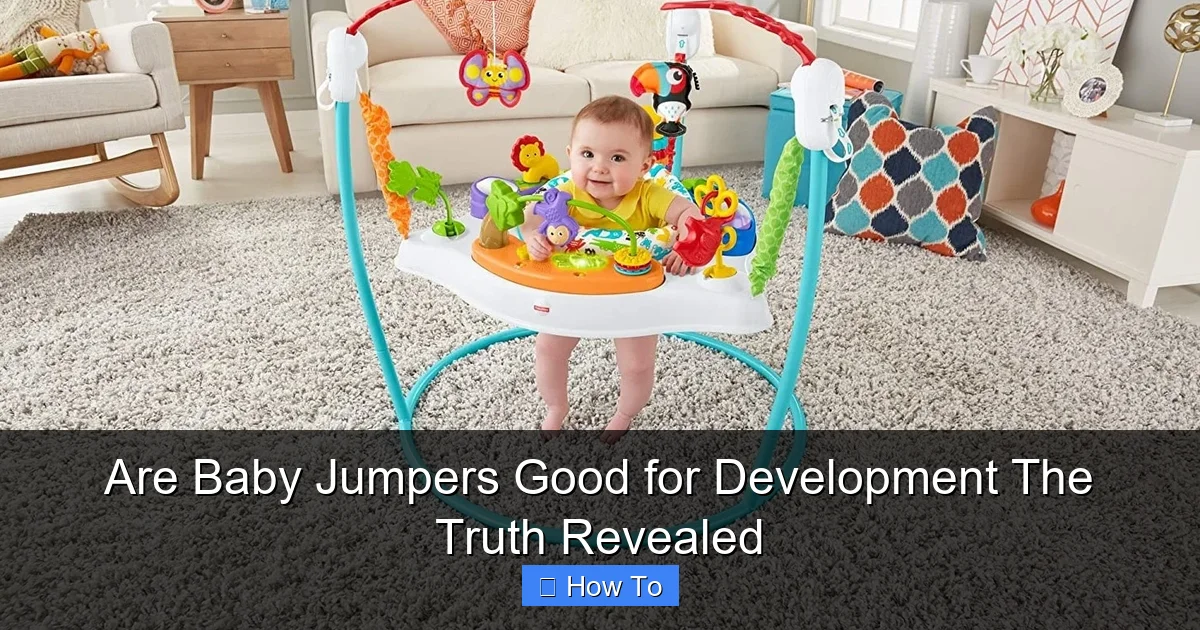
First, let’s be clear about the product. A baby jumper is a seat suspended by elastic straps or a spring from a doorway frame or a standalone frame. The baby sits in a fabric seat with leg holes. Their feet touch the floor. When they push with their toes or feet, the seat bounces, letting them “jump.” Many have attached toy trays with lights, sounds, and activities.

Visual guide about Are Baby Jumpers Good for Development The Truth Revealed
Image source: iloveveterinary.com
It seems like great exercise. And for a short time, it can be. But a baby’s body is still forming. How they interact with this device matters a lot for their development.
The Core Mechanics
The jumper uses your baby’s natural leg reflex. This is called the “stepping reflex.” But in a jumper, the motion is different. They often push off with their toes. This is not the same motion as learning to stand or walk flat-footed.
Step 2: Weigh the Potential Benefits Against the Known Risks
Let’s look at both sides fairly. This will help you see the full picture.
Visual guide about Are Baby Jumpers Good for Development The Truth Revealed
Image source: easygetproduct.com
Potential Pros (The “Good”)
- Leg Muscle Engagement: It can strengthen calf and thigh muscles through repeated pushing.
- Sensory Stimulation: The toys, lights, and sounds offer new visual and tactile experiences.
- Entertainment & Parent Break: It can provide a safe, contained spot for a happy baby for a few minutes, giving you a chance to make a quick meal.
- New Perspective: Being upright lets babies see the world from a different angle than when lying down.
Cons and Risks (The “Not-So-Good”)
- Hip Development Concerns: The seated position can force a baby’s hips into an unhealthy “frog-like” or spread position, stressing the hip joint. This is a major concern for hip dysplasia.
- Toe-Walking Tendency: Babies often push off their toes in jumpers. This can reinforce a toe-walking pattern, which may delay proper heel-to-toe walking.
- Motor Skill Delays: Time in a jumper is time not spent on the floor. Babies learn to roll, crawl, sit, and pull up through floor play. A jumper can limit this crucial practice.
- Posture and Core Issues: The seat supports the baby’s torso. They don’t have to use their core muscles to stay upright as they do during floor sitting practice.
- Safety Hazards: Jumpers can tip over. Babies can bump into door frames or furniture. If not set up correctly, there is a risk of falls or finger pinches.
Step 3: Follow This Safe Usage Checklist (If You Choose to Use One)
If, after weighing the facts, you decide to use a baby jumper, this step-by-step plan is vital. It minimizes risks and maximizes safety.

Visual guide about Are Baby Jumpers Good for Development The Truth Revealed
Image source: static-01.daraz.pk
1. Check the Readiness Signs
Do not use a jumper before your baby is ready. Your baby must have:
- Full head and neck control. Their head doesn’t wobble.
- The ability to sit with support. This shows their torso is getting stronger.
- Typically, this is around 4 to 6 months old. Always follow your pediatrician’s advice.
2. Set a Strict Time Limit
This is the most important rule. Limit jumper time to 10-15 minutes per session, no more than 1-2 times per day. Set a timer on your phone. This short duration prevents overuse of certain muscles and ensures plenty of time for other activities.
3. Achieve the Perfect Fit and Posture
- Foot Position: Adjust the height so your baby’s feet are flat on the floor. Their knees should have a gentle bend. Never let them dangle or touch only their toes.
- Hip Position: The seat should allow your baby’s hips to be in a natural, supported position—not overly splayed outward.
- Tray Height: The activity tray should be at chest level, not face or neck level.
4. Choose the Right Location
Place the jumper on a flat, clean, hard surface like wood or low-pile carpet. Never use it on a raised surface like a table or bed. Keep it away from:
- Stairs
- Hot stoves or heaters
- Cords and blind strings
- Sharp furniture corners
- Other children who might bump into it
5. Supervise, Supervise, Supervise
You must be able to see and hear your baby at all times. This is not a substitute for a playpen while you shower. Stay in the same room and interact with them. Talk to them about the toys. This makes it a social activity, not just container time.
Step 4: Know When to Stop Using the Jumper
Your baby will tell you when they are done with the jumper. Stop use immediately if:
- Your baby can walk independently.
- Your baby tries to climb out or seems bored.
- Your baby’s head reaches the top of the frame or doorway.
- They reach the manufacturer’s maximum weight limit (usually around 25-30 lbs).
Troubleshooting Common Jumper Issues
Even with the best setup, you might see some problems. Here’s what to do.
Baby Only Uses Toes
Problem: Your baby is bouncing on their tiptoes.
Solution: Lower the seat height immediately. Their entire foot must be flat. If they persist, take a break from the jumper for a few weeks. They might not be ready.
Baby Seems Unhappy or Cries
Problem: Your baby fusses as soon as they go in.
Solution: They might be overstimulated, tired, or simply not like it. Don’t force it. Try again another day for a shorter time, or skip it altogether. Floor play is always a good alternative.
Jumper Rocks or Tips
Problem: The jumper feels unstable.
Solution: Check that all frame locks are fully engaged. Ensure it’s on a perfectly flat surface. For doorway jumpers, verify the clamp is tight and secure on a sturdy, wooden door frame (not drywall alone).
Step 5: Focus on Developmental Superstars (Better Than Jumpers)
For healthy development, prioritize these activities over jumper time:
- Tummy Time: Builds neck, shoulder, arm, and core strength. Start from day one.
- Free Floor Play: This is the gold standard. Lying on a blanket, rolling, reaching for toys, and eventually crawling are irreplaceable.
- Supported Sitting: Practice sitting between your legs or with pillows for support to build core muscles.
- Baby-Wearing: Offers closeness, security, and a great view without restricting natural movement.
- Stationary Activity Centers: These allow babies to stand, swivel, and play on a flat, non-bouncing base, which is often better for hip posture.
Conclusion: The Final Verdict
So, are baby jumpers good for development? The honest answer is that they are not necessary for development and come with documented risks if used incorrectly or too much. They are, at best, a short-term entertainment tool.
The path to walking, crawling, and strong motor skills is on the floor, not in a suspended seat. If you use a baby jumper, treat it like a fun dessert—a little bit is okay as a treat, but it’s not the main meal. The main meal is tummy time, rolling, and exploring. Your baby’s development will thrive on that simple, time-tested recipe.
You are now armed with the truth. You can make a confident choice that puts your baby’s safety and healthy growth first.
🎥 Related Video: 7 Baby Products That Are SECRETLY Hurting Your Child's Development
📺 Happy Hearts Academy
In this video, we uncover the shocking truth about baby products that actually hurt development, despite being marketed as …
