
Baby jumpers can be fun but pose risks to hip development if not used correctly. This guide explains the science behind the concerns, offers step-by-step safety guidelines, and provides safer activity alternatives to support your baby’s healthy growth. The key is informed, limited, and supervised use.
Key Takeaways
- Potential for Hip Stress: Jumpers that let a baby’s legs dangle or swing can put unhealthy pressure on the hip sockets, a concern for developing joints.
- Timing is Crucial: Using a jumper before a baby has strong trunk control (usually before 4-6 months) can be particularly risky for spinal and hip development.
- Strict Time Limits Are Essential: Experts recommend no more than 10-20 minutes, once or twice a day, to minimize risk and avoid overuse.
- Proper Fit is Non-Negotiable: The jumper must support the baby in an upright, hips-spread position with feet flat, not dangling or tip-toeing.
- They Are Not Developmental Tools: Jumpers do not help babies learn to walk and can delay motor skills if overused by restricting natural floor movement.
- Supervision is Always Required: Never leave a baby unattended in a jumper due to risks of tipping, falls, and entrapment.
- Safer Alternatives Exist: Activities like supervised tummy time, free floor play, and stationary activity centers are better for hip and motor development.
Are Baby Jumpers Bad for Hips? What You Need to Know
As a parent, you want the best for your baby. You look for toys that are fun and safe. Baby jumpers are a popular choice. They keep babies entertained and give parents a quick break. But you may have heard a worrying question. Are baby jumpers bad for hips? This guide will give you clear answers. You will learn about the real risks. We will cover how to use jumpers safely. You will also find great alternatives. Our goal is to help you make smart choices for your baby’s health.
Understanding the Hip Development Concern
First, let’s talk about baby hips. A baby’s hip joints are mostly soft cartilage at birth. They slowly harden into bone over the first few years. This process is called ossification. The ball-and-socket joint needs to form correctly. The ball (femoral head) must sit snugly in the socket (acetabulum). Proper alignment is key. Pressure in the wrong direction can cause problems.

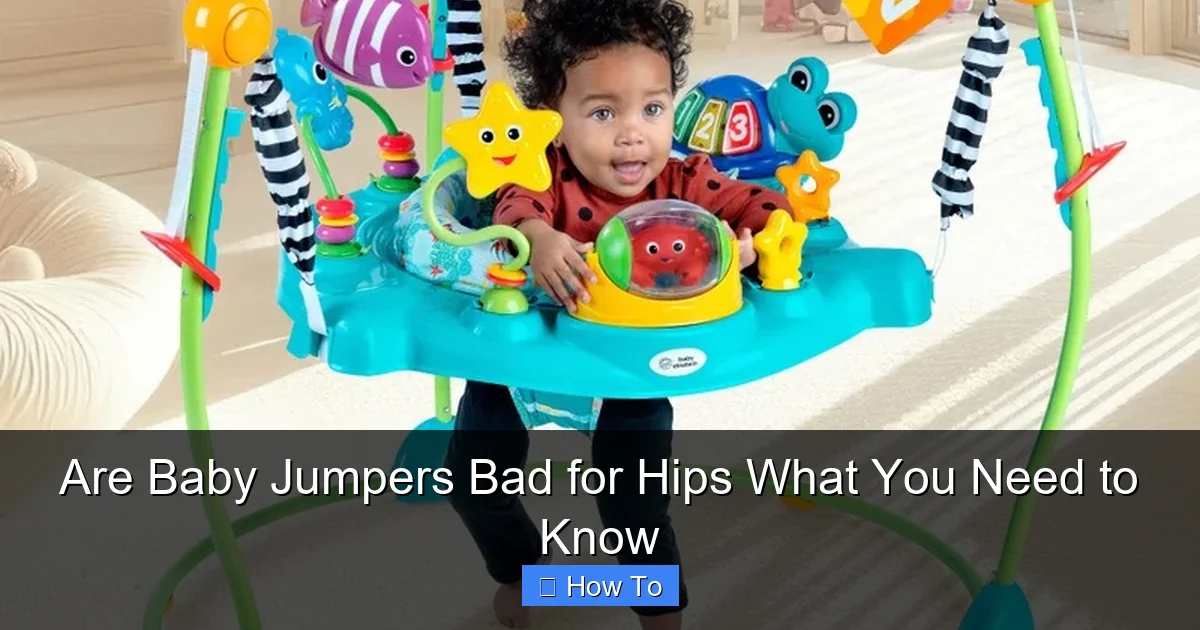
Visual guide about Are Baby Jumpers Bad for Hips What You Need to Know
Image source: i5.walmartimages.com
The Science Behind the Risk
Many traditional baby jumpers hold a baby in a seated harness. The legs often hang down. The baby uses their toes to push off and bounce. This position can be the problem. The legs are dangling. The hips are in an extended, upright position. This may place stress on the hip socket. It can encourage an unhealthy alignment. The International Hip Dysplasia Institute points this out. They say devices that hold legs in a hanging position are not recommended for long periods.
Hip dysplasia is a condition where the hip socket is too shallow. The ball can slip out of place. It is often present at birth. But certain positions can make it worse. The healthiest position for a baby’s hips is the “M” or “froggy” position. This is when the knees are bent and higher than the hips. The hips are spread apart. Think of a baby in a carrier or sitting with legs wide. This position helps the socket develop deeply and securely.
Step-by-Step Guide to Safer Baby Jumper Use
If you choose to use a baby jumper, doing it safely is vital. Follow these steps to lower any risk to your baby’s hips.
Visual guide about Are Baby Jumpers Bad for Hips What You Need to Know
Image source: image.smythstoys.com
Step 1: Check If Your Baby is Ready
Do not rush to use a jumper. Your baby needs to meet key milestones first.
- Head and Neck Control: Your baby must hold their head up steadily without support.
- Trunk Control: They should be able to sit with minimal assistance. This shows core strength.
- Age Guideline: Most babies are not ready before 4-6 months. Always follow the manufacturer’s minimum age and weight limit.
Step 2: Choose the Right Type of Jumper
Not all jumpers are the same. Look for features that support good hip positioning.
- Stationary, NOT Doorway: Choose a stationary activity center that spins and bounces. Avoid old-fashioned doorway jumpers. They swing and can cause awkward leg movements.
- Good Seat Support: The seat should be wide and supportive. It should allow your baby’s hips to spread naturally.
- Adjustable Height: This is the most important feature for hips. You must be able to adjust it so your baby’s feet are flat on the floor.
Step 3: Set Up the Jumper Correctly
Proper setup makes all the difference.
- Adjust the height so your baby’s feet are flat on the floor. Their legs should have a slight bend at the knee.
- Avoid any position where they are on their tiptoes or where their legs dangle without touching the ground.
- Ensure the toy tray or surround is at chest level, not forcing their arms too high.
Step 4: Enforce Strict Time Limits
This is non-negotiable for hip and overall development.
- Limit sessions to 10-20 minutes maximum.
- Use it no more than 1-2 times per day.
- Never use it as a long-term babysitter. Total daily time in any restrictive device (swings, bouncers, jumpers) should be minimal.
Step 5: Supervise Actively
Always watch your baby in the jumper. Stay in the same room. This prevents accidents. It also lets you see if they get frustrated or tired. Take them out right away if they seem done.
Troubleshooting Common Jumper Problems
Here are solutions to common issues that can affect hip health.

Visual guide about Are Baby Jumpers Bad for Hips What You Need to Know
Image source: pinkoatmeal.com
Problem: Baby is on Tiptoes
Solution: Lower the seat height immediately. If you cannot lower it enough, your baby is not big enough for this jumper. Stop using it until they grow.
Problem: Baby Slouches or Hangs to One Side
Solution: The baby likely lacks the core strength to use it properly. Take them out. They are not developmentally ready. Try again in a few weeks.
Problem: Baby Only Uses One Leg to Push
Solution: This creates uneven pressure. Gently encourage equal pushing by placing toys on both sides. If it continues, end the session. It could signal a muscle imbalance; mention it to your pediatrician.
Hip-Healthy Alternatives to Baby Jumpers
The best way to support hip development is through natural movement. Try these activities instead.
Supervised Tummy Time
This is the gold standard. It builds neck, back, and core muscles. All these muscles are needed for walking. Start with a few minutes after each diaper change. Gradually increase the time.
Free Floor Play
Give your baby plenty of time on a clean, safe mat. Let them roll, reach, and eventually crawl. This freedom allows them to develop motor skills at their own pace. It is perfect for hip health.
Stationary Activity Centers (Without Jumping)
These have a stable, rotating seat. Babies can spin and play with toys. Their feet are flat on a solid base. There is no bouncing. This is often a safer choice than a jumper.
Lap Bouncing and Dancing
Hold your baby securely on your lap. Gently bounce them while you sing. This gives them the bouncing fun they love. It also keeps their hips in a safe, flexed position against your body.
Conclusion: Making an Informed Choice
So, are baby jumpers bad for hips? The answer is not a simple yes or no. Used incorrectly, too early, or for too long, they can pose a risk to healthy hip development. However, with careful choices and strict limits, many parents use them for short bursts of fun.
Your baby’s development is a journey. The best foundation is built through free movement and play. Use containers like jumpers sparingly. Always prioritize floor time. When in doubt, talk to your pediatrician. They know your baby’s unique needs. Your awareness and informed choices are the best tools for keeping those little hips healthy and strong.
🎥 Related Video: Are Baby Jumpers Beneficial Or Harmful For Babies?
📺 Jamie Mitchell MS,PT
Baby jumpers are very popular for both babies and parents. However, they place babies at risk of developmental delays and …
