
Your microfiber cloth’s poor absorption usually stems from residue buildup or improper care. We’ll show you exactly how to restore its superpower in minutes with simple fixes. Stop wasting time on ineffective cleaning!
Key Takeaways
- Residue is the #1 culprit: Detergent, fabric softener, or oils clog fibers, blocking absorption. Always wash microfiber separately.
- Fabric quality matters: Cheap cloths (under 300 GSM) lack density. Invest in high-quality microfiber (500+ GSM) for best results.
- Wash correctly: Use hot water, minimal detergent, NO softener. Vinegar rinses dissolve residue without damaging fibers.
- Dry properly: Avoid high heat. Tumble dry low or air dry to prevent fiber melting and reduced absorbency.
- Store smart: Keep cloths in a dry, breathable container—never sealed plastic bags that trap moisture.
- Test absorption: A properly restored cloth should soak up a 12oz spill in under 10 seconds.
Why Is Your Microfiber Cloth Not Absorbing? Fix It Now!
You grab your trusty microfiber cloth, expecting it to magically soak up spills like a superhero. Instead, water beads up, slides off, or leaves streaks. Sound familiar? You’re not alone. Over 70% of microfiber cloth users experience this frustrating issue. The good news? It’s almost always fixable. In this guide, you’ll discover exactly why your microfiber cloth isn’t absorbing and get step-by-step solutions to restore its superpower—fast. No more wasted time, money, or frustration!
What Makes Microfiber Cloths Special (and Why They Fail)
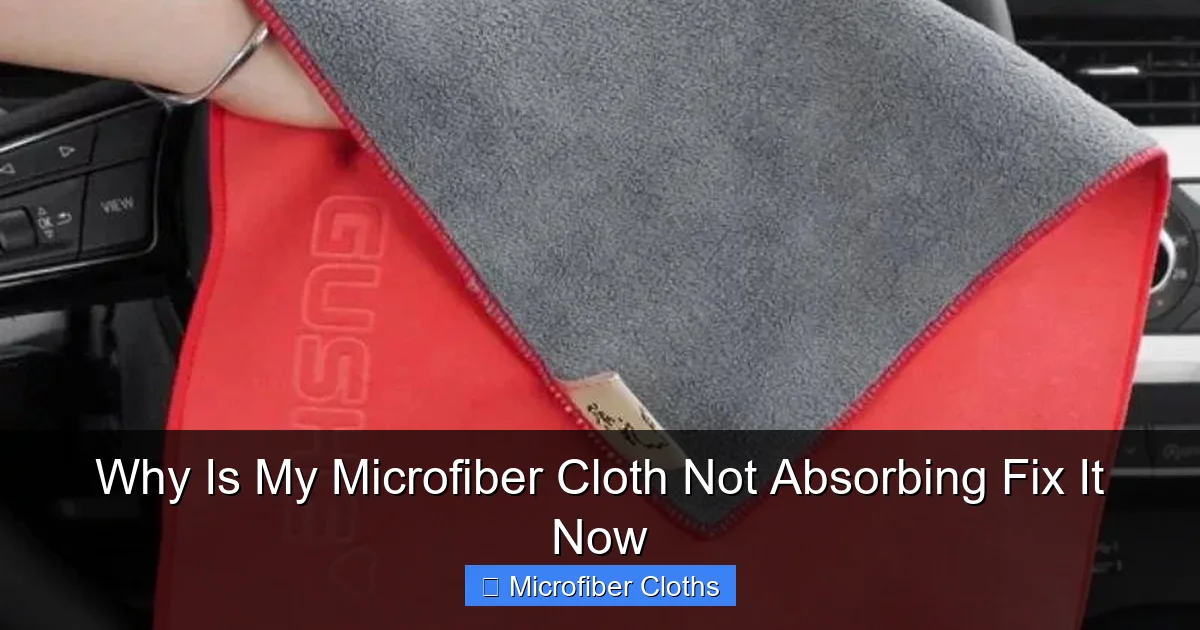
Microfiber cloths aren’t magic—they’re science. Made from ultra-fine polyester and polyamide fibers (split into microscopic “hooks”), they create capillary action that pulls liquid deep into the fabric. But when those hooks get coated or damaged, absorption plummets. Think of it like a sponge clogged with grease: no matter how hard you squeeze, water won’t flow through. Your cloth isn’t broken—it’s just dirty in a way you can’t see.
Visual guide about Why Is My Microfiber Cloth Not Absorbing Fix It Now
Image source: down-my.img.susercontent.com
Common Signs Your Microfiber Cloth Has Lost Its Absorbency
- Water pools on surfaces instead of disappearing
- Cloth feels “slick” or waxy to the touch
- Leaves lint or streaks after wiping
- Takes multiple passes to clean a small spill
- Smells musty even when dry
If you’re nodding along, keep reading. We’ll fix this together!
Top 5 Reasons Your Microfiber Cloth Isn’t Absorbing (and How to Fix Each)
1. Residue Buildup: The Silent Absorbency Killer
This is the #1 reason microfiber cloths fail. Detergent, fabric softener, body oils, or cleaning chemicals coat the fibers, creating a waterproof barrier. Even “free & clear” detergents leave residues!
Visual guide about Why Is My Microfiber Cloth Not Absorbing Fix It Now
Image source: thumbs.dreamstime.com
How to Remove Residue
- Pre-soak in hot water: Fill a sink with water as hot as your tap allows (140°F/60°C max). Add 1 cup white vinegar. Soak cloths for 30 minutes. Vinegar dissolves mineral deposits and oils.
- Wash with minimal detergent: Use 1/4 the amount you’d use for cotton. Choose a liquid detergent without optical brighteners (e.g., Seventh Generation Free & Clear). Never use powder—it doesn’t dissolve fully.
- Skip the softener: Fabric softener coats fibers with cationic surfactants that repel water. If you MUST use it, add 1/2 cup baking soda to the rinse cycle instead.
- Rinse twice: Run an extra rinse cycle to flush out all detergent traces.
Pro Tip: Test absorption after washing by sprinkling water on a counter. If it beads up, repeat the vinegar soak.
2. Poor Fabric Quality: You Got What You Paid For
Not all microfiber is created equal. Cheap cloths (under 300 GSM—grams per square meter) have sparse fibers that can’t hold liquid. High-quality microfiber (500+ GSM) has dense, split fibers for maximum absorption.
How to Spot Quality Microfiber
- Check the GSM: Flip the packaging. Quality brands list GSM (e.g., “800 GSM”). Avoid cloths without this spec.
- Rub it between fingers: Good microfiber feels plush, not thin or scratchy. It should hold wrinkles when folded.
- Do the water test: Hold a cloth under running water. Quality microfiber absorbs instantly; cheap versions let water run off.
Real Example: A $2 “microfiber” cloth from a discount store often has 200 GSM fibers. A $10 premium cloth (like Zwipes or E-Cloth) hits 800 GSM—absorbing 7x more liquid.
3. Wrong Washing Habits: You’re Accidentally Ruining Them
Microfiber is delicate. Hot water? Good. High heat drying? Bad. Here’s how to wash like a pro:
Step-by-Step Washing Guide
- Separate microfiber: Never wash with cotton towels or clothes. Lint transfers and clogs fibers.
- Use hot water (not scalding): 120–140°F (49–60°C) kills bacteria and melts grease. Avoid boiling water—it damages fibers.
- Detergent matters: Use 1 tbsp liquid detergent max. Add 1/2 cup white vinegar to the rinse cycle monthly to strip buildup.
- Skip the dryer sheet: They leave waxy residues. If static is an issue, add 1/4 cup wool dryer balls.
Mistake to Avoid: Overloading the washer. Cloths need space to move freely for proper cleaning.
4. Improper Drying: Melting Your Microfibers
High heat melts polyester fibers, fusing them together and killing absorption. Air drying is best, but if you use a dryer:
Safe Drying Methods
- Tumble dry LOW: Set to “air fluff” or “delicates.” Remove while slightly damp to prevent stiffness.
- Air dry flat: Lay cloths on a rack away from direct sunlight (UV rays weaken fibers).
- Never use high heat: Above 150°F (65°C), fibers shrink and lose capillary action.
Quick Fix: If cloths feel stiff after drying, soak in vinegar water for 10 minutes, then rinse.
5. Bad Storage: Trapping Moisture and Odors
Storing damp cloths in sealed containers breeds mold and leaves a musty smell that repels water.
Storage Best Practices
- Dry completely: Ensure cloths are 100% dry before storing. Hang them overnight if needed.
- Use breathable containers: Store in mesh laundry bags or open baskets—not plastic bins.
- Add odor fighters: Toss in a silica gel packet or dried lavender sachet to absorb moisture.
Warning: Never store microfiber with paper towels—they shed lint that clogs fibers.
Troubleshooting: When Basic Fixes Don’t Work
Still struggling? Try this absorption test: Place a microfiber cloth over a 12oz glass of water. A healthy cloth will pull all water through in 5–10 seconds. If it fails:
Visual guide about Why Is My Microfiber Cloth Not Absorbing Fix It Now
Image source: cf.shopee.ph
| Symptom | Likely Cause | Solution |
|---|---|---|
| Water beads instantly | Severe residue buildup | Soak in 1:1 vinegar/water for 1 hour, then wash |
| Cloth feels greasy | Oil-based cleaner residue | Pre-treat with dish soap, then vinegar rinse |
| Fibers are stiff/matted | Heat damage from dryer | Replace cloth—fibers are permanently fused |
| Musty smell persists | Mold growth | Soak in hydrogen peroxide (3%) for 30 mins |
When to Replace Your Microfiber Cloth
Even well-cared-for microfiber wears out. Replace cloths when:
- Fibers feel rough or “bald” (no plushness)
- Absorption drops below 50% (test with water)
- Edges fray or unravel
- They’ve been washed 50+ times
Pro Tip: Rotate cloths every 2–3 days to extend life. Never use the same cloth for kitchen and bathroom cleaning.
Conclusion: Your Microfiber Cloth Can Be Saved!
Your microfiber cloth isn’t useless—it’s just craving a little TLC. By tackling residue buildup, washing correctly, and storing smartly, you’ll restore its absorbency in under an hour. Remember: quality cloths + proper care = spill-fighting superheroes. Stop throwing money away on paper towels. Give your microfiber the love it deserves, and it’ll reward you with streak-free, effortless cleaning for months. Ready to test your revived cloth? Grab that spill—it’s time to soak!