

Using worn microfiber cloths can scratch delicate surfaces and leave streaks. Replace them before they cause damage with our clear signs and timing guide. Keep your home spotless and scratch-free!
Key Takeaways
- Check for visible wear: Replace cloths with holes, thinning fabric, or frayed edges immediately to prevent surface scratches.
- Test cleaning performance: If cloths leave streaks, lint, or require multiple passes, they’ve lost effectiveness and need replacing.
- Wash properly to extend life: Always use cold water, no fabric softener, and air-dry to maintain microfiber’s cleaning power longer.
- Replace based on usage: High-use cloths (daily cleaning) need replacing every 3-6 months; light-use cloths last 6-12 months.
- Retire, don’t reuse: Worn microfiber is unsafe for delicate surfaces – repurpose it for garage rags or pet bedding instead.
- Invest in quality: Higher GSM (grams per square meter) cloths last longer and clean better, reducing replacement frequency.
Stop Damaging Surfaces: Your Complete Guide to Replacing Microfiber Cloths
That favorite microfiber cloth you’ve been using for months might be secretly scratching your glass tabletops, dulling your car’s paint, or leaving streaks on your smartphone screen. Sounds surprising? Many people don’t realize that worn microfiber cloths become damaging tools instead of cleaning aids. Microfiber is amazing when it’s fresh – those tiny fibers grab dirt and moisture like magic. But as they wear out, they lose their superpower and can actually harm the very surfaces you’re trying to clean. In this guide, you’ll learn exactly when to replace microfiber cloth to keep your home spotless and scratch-free. We’ll cover clear signs of wear, practical testing methods, proper care to extend life, and smart replacement strategies. No more guessing – just confident cleaning!
Why Replacing Worn Microfiber Cloths Matters (More Than You Think!)
Microfiber cloths work because their synthetic fibers (usually polyester and polyamide) are split into microscopic strands. This creates a massive surface area that traps dirt, oil, and moisture through static electricity and capillary action. But here’s the catch: as fibers break down from washing, abrasion, and chemical exposure, they lose this structure. Instead of grabbing dirt, they push it around or, worse, scratch surfaces with frayed ends.

Visual guide about Stop Damaging Surfaces When to Replace Microfiber Cloth
Image source: thespruce.com
Think about your car’s windshield. A fresh microfiber lifts water and grime effortlessly. A worn one? It might leave swirl marks you can’t see until sunlight hits just right. Or that expensive wooden dining table – tiny scratches from degraded fibers accumulate over time, dulling the finish. Even your glasses! Worn microfiber can etch lenses. The cost of replacing a cloth is pennies compared to refinishing furniture or replacing scratched screens. Replacing microfiber cloths at the right time isn’t just about cleanliness; it’s about protecting your investments.
Clear Signs It’s Time to Replace Your Microfiber Cloth (Don’t Ignore These!)
Waiting until your cloth is full of holes is too late. Start replacing microfiber cloths when you notice these key indicators:
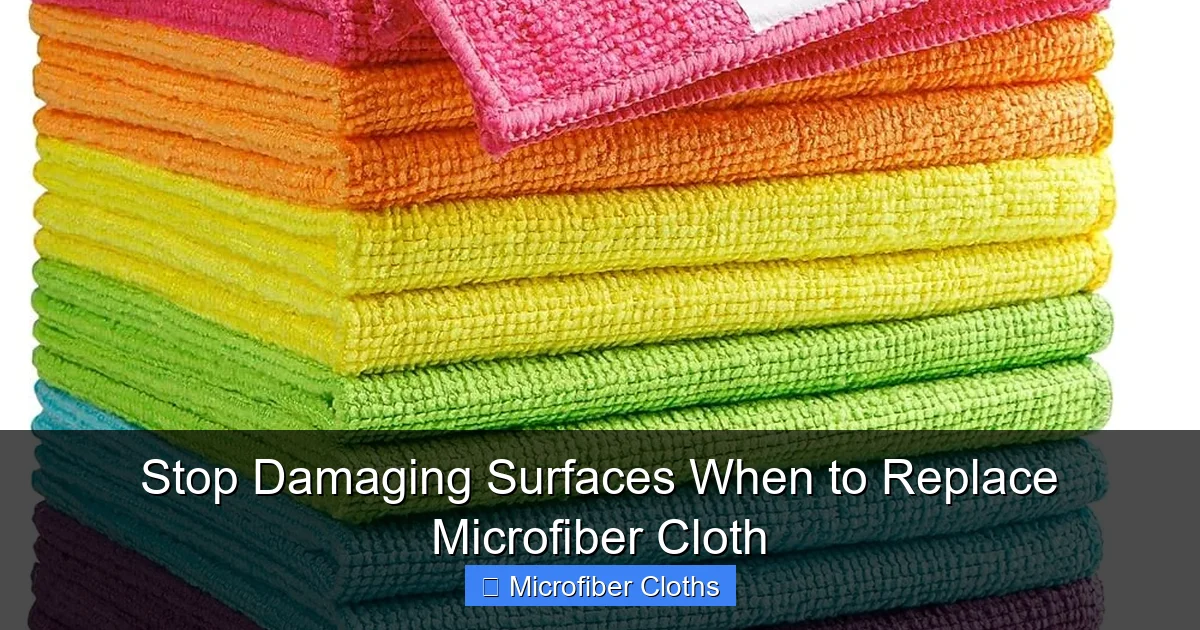
Visual guide about Stop Damaging Surfaces When to Replace Microfiber Cloth
Image source: m.media-amazon.com
1. Visible Damage: Holes, Thinning, or Fraying
This is the most obvious sign. Run your fingers over the cloth. Feel for:
- Thin spots or holes: Especially in high-friction areas (like the center where you grip it). These expose the underlying, coarser fabric which scratches.
- Frayed edges: Loose threads snag on surfaces, leaving scratches or lint. Trim minor fraying, but replace if it’s widespread.
- Loss of texture: Fresh microfiber feels slightly textured. When it feels smooth or “slick,” the split fibers have worn down.
Pro Tip: Hold the cloth up to light. If you see significant thinning or see-through areas, it’s time for the trash (or repurposing bin!).
2. Poor Cleaning Performance: Streaks, Lint, and Ineffectiveness
Your cloth should make cleaning easier, not harder. Test it:
- Streaking: Does it leave visible streaks on glass, mirrors, or screens after drying? Fresh microfiber absorbs moisture completely; worn fibers leave residue.
- Lint or fibers: Are you finding tiny synthetic fibers on surfaces after cleaning? This means the cloth is shedding – a sure sign of fiber breakdown.
- Requires multiple passes: Needing to go over the same spot 2-3 times to get it clean indicates the fibers aren’t trapping dirt effectively anymore.
- Leaves surfaces damp: Good microfiber absorbs quickly. If it just smears water around, the capillary action is gone.
Real Example: You wipe your bathroom mirror. With a fresh cloth, it’s instantly clear. With a worn one? Streaks appear as it dries, and you might see tiny fibers stuck to the glass.
3. Unpleasant Odors That Won’t Wash Out
Microfiber can develop a musty or sour smell if bacteria build up deep in the fibers. While proper washing usually fixes this, if the smell persists after multiple washes (especially without fabric softener), the fibers are too degraded to release the odor. Continuing to use it transfers bacteria back onto surfaces. Time to replace!
4. Stiffness or Roughness That Won’t Soften
Fresh microfiber is soft. As it wears, fibers can become stiff and abrasive. If washing (correctly – see below) doesn’t restore softness, the cloth is too rough for delicate surfaces. Using it risks scratches.
How to Test Your Microfiber Cloth’s Effectiveness (Simple DIY Checks)
Don’t rely on looks alone. Perform these quick tests:
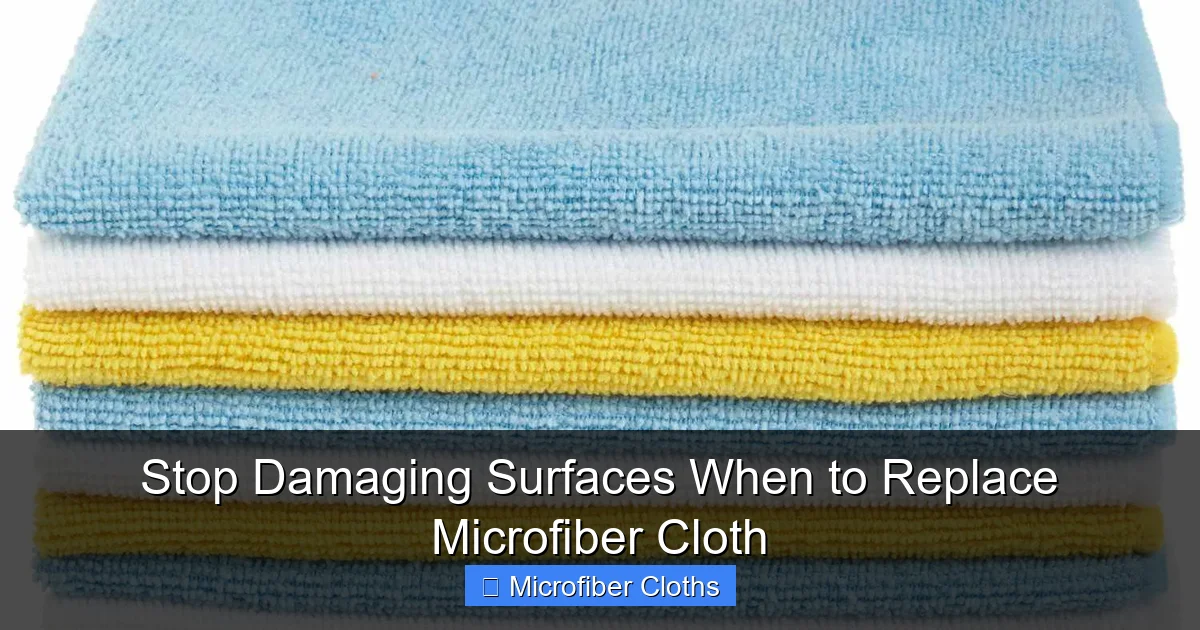
Visual guide about Stop Damaging Surfaces When to Replace Microfiber Cloth
Image source: thespruce.com
The Water Absorption Test
Spray a small amount of water on a clean, hard surface (like a countertop). Wipe with your microfiber cloth.
- Good cloth: Water disappears almost instantly, leaving a completely dry surface.
- Worn cloth: Water beads up, smears, or leaves a damp film that takes time to dry.
If it fails this test consistently, replace it.
The Lint & Streak Test
Wipe a dark-colored surface (like a black appliance or your phone screen) with the cloth.
- Good cloth: Leaves no visible lint, fibers, or streaks.
- Worn cloth: Leaves noticeable lint, fibers, or streaks that are visible under normal light.
This is crucial for electronics and glass. If you see lint, the cloth is shedding and damaging surfaces.
The Tug Test (For Fiber Integrity)
Gently tug on a corner of the cloth. Fresh microfiber has strong, interlocked fibers. If it easily pulls apart, stretches excessively, or fibers come loose in your hand, the structural integrity is gone. It won’t clean effectively and will shed.
Maximizing Microfiber Life: Care Tips to Delay Replacement
Proper care significantly extends how long your cloths stay effective, meaning you replace them less often. Follow these rules:
Washing Like a Pro
- Wash separately: Never wash microfiber with cotton, towels, or clothing. Lint from other fabrics clogs the microfibers, ruining them. Wash microfiber-only loads.
- Use cold water: Hot water damages the split fibers. Always wash in cold or warm (max 105°F/40°C).
- Skip fabric softener & dryer sheets: These coat fibers, reducing absorbency and trapping dirt. They are the #1 killer of microfiber!
- Mild detergent only: Avoid bleach and heavy detergents. Use a small amount of liquid detergent.
- Gentle cycle: Aggressive cycles accelerate wear.
Drying Correctly
- Air dry is best: Tumble drying, especially on high heat, melts and damages fibers. Hang cloths to dry completely.
- If you must use a dryer: Use the absolute lowest heat setting (air fluff/no heat is ideal) and remove while slightly damp. Never over-dry.
Storage Matters
Store clean, completely dry microfiber cloths in a clean, dry place. Avoid damp basements or garages where mold can grow. Folding neatly prevents creases that can weaken fibers over time.
How Often Should You Actually Replace Microfiber Cloths? (Usage-Based Guide)
There’s no single magic number. Replacement frequency depends entirely on how you use them:
High-Use Cloths (Daily Cleaning: Kitchens, Bathrooms, Glass)
These take the most abuse. Expect to replace them every 3-6 months with regular use. Signs like streaking or thinning will appear faster. If you clean multiple surfaces daily, lean towards the 3-month mark.
Medium-Use Cloths (Weekly Cleaning: Dusting, Appliances, Electronics)
These last longer. Plan to replace them every 6-9 months. Pay close attention to the performance tests – they might look okay but lose effectiveness.
Low-Use Cloths (Occasional: Car detailing, Window cleaning, Specialty tasks)
With infrequent use and proper storage, these can last 9-12 months or more. However, if they sit unused for long periods, check for stiffness or odors before using them again.
The Quality Factor: GSM Matters
Look for the GSM (Grams per Square Meter) rating. Higher GSM means denser, thicker fabric:
- 150-250 GSM: Lightweight, good for dusting. Shorter lifespan (replace more often).
- 250-350 GSM: Standard multipurpose. Best balance for most home use.
- 350+ GSM: Heavy-duty, plush. Lasts significantly longer, ideal for cars or delicate surfaces. Investing in higher GSM reduces replacement frequency.
Higher quality cloths (better GSM, proper fiber split) simply last longer before needing replacement.
Troubleshooting Common Microfiber Problems
Still unsure if it’s time? Address these issues:
Problem: Cloth Leaves Lint or Fibers Everywhere
Cause: Severe fiber breakdown or washing with lint-producing fabrics.
Solution: This cloth is beyond saving. Replace it immediately. For future cloths, wash separately and avoid fabric softener. Repurpose the worn cloth for garage rags.
Problem: Cloth Smells Musty Even After Washing
Cause: Bacteria deeply embedded in degraded fibers or improper drying (damp storage).
Solution: If smell persists after 2-3 correct washes (cold water, no softener, air-dried), replace it. To prevent: Always dry completely before storing. Consider adding 1/2 cup white vinegar to the rinse cycle occasionally (not with detergent) to kill odor-causing bacteria.
Problem: Cloth Feels Stiff and Scratches Surfaces
Cause: Fiber damage from heat (drying), fabric softener residue, or natural wear.
Solution: If washing correctly doesn’t restore softness, it’s too abrasive. Retire it from delicate surfaces. Use it only for rough tasks like cleaning tools or pet areas. Never force a stiff cloth on glass or screens.
Problem: Cloth Isn’t Absorbing Water Well
Cause: Oils/dirt buildup clogging fibers, or fiber degradation.
Solution: Try washing with a small amount of dish soap (degreaser) in cold water, then rinse thoroughly. If absorption doesn’t improve, the fibers are worn out – replace it. Prevent clogging by rinsing cloths well after use on greasy surfaces.
What to Do With Old Microfiber Cloths (Don’t Just Toss Them!)
When it’s finally time to replace microfiber cloth, don’t send it straight to landfill. Repurpose it:
- Garage/Workshop Rags: Perfect for wiping tools, cleaning bikes, or degreasing – where scratches don’t matter.
- Pet Cleaning: Use for wiping paws, cleaning cages, or pet bedding.
- Car Wash Mitt Liners: Place worn cloth inside a fresh mitt for extra padding (if not too rough).
- Compost Bin Liners (Check Material): Some 100% polyester microfiber *might* break down slowly, but check local guidelines. Polyamide blends usually don’t. When in doubt, reuse as rags until threadbare.
The key is to retire worn cloths from any surface where scratches matter. Keep them for “dirty jobs” only.
Conclusion: Protect Your Surfaces, Replace Wisely
Knowing when to replace microfiber cloth is a simple habit that prevents costly damage and keeps your cleaning efficient. Remember: it’s not about how old the cloth is, but how well it performs. Check for visible wear, test its absorption and streak-free power, and heed the signs of fiber degradation. By washing correctly (cold water, no softener, air dry), you’ll stretch the life of your cloths, but don’t hesitate to replace them once they start leaving lint, streaks, or scratches.
Investing in quality microfiber (higher GSM) and replacing it at the right time saves you money in the long run – no more ruined tabletops, scratched phone screens, or streaky windows. Make it a monthly habit to inspect your cloths. Toss the worn ones into your repurposing bin for garage duty, and grab a fresh one for your delicate surfaces. Your home (and your wallet) will thank you. Ready to check your cloths? Grab one now and run the water test – you might be surprised!
🎥 Related Video: Are You Washing Your Microfiber Towels Wrong?
📺 Clean That Up
Buy towels at my brand new store! https://shop.letscleanthatup.com/products/cleanthatup-custom-towel Read the blog here: …