
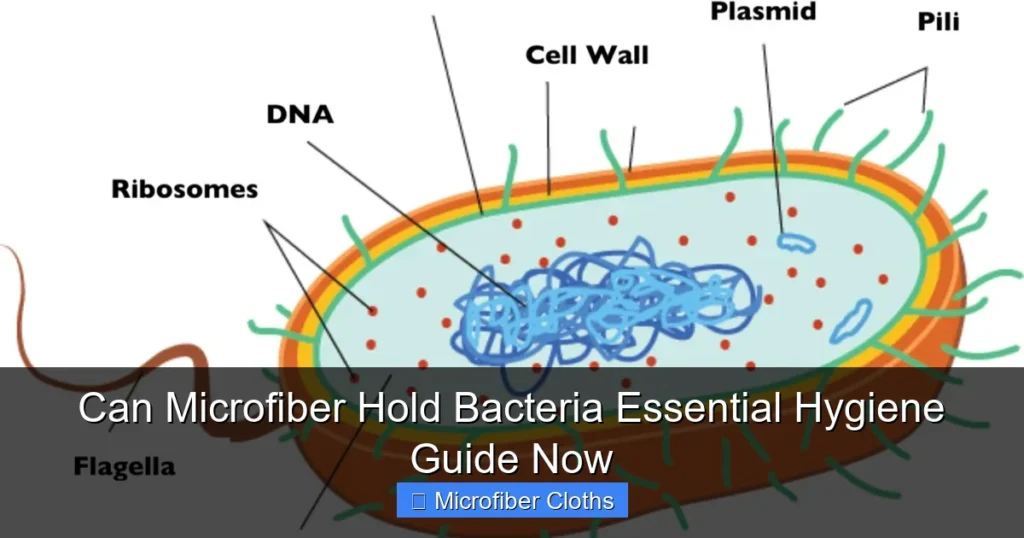
Microfiber cloths trap bacteria effectively due to their unique structure, but they don’t kill germs on their own. Proper washing at high temperatures (60°C/140°F+) is crucial to eliminate bacteria and prevent cross-contamination. Follow our step-by-step hygiene routine to keep your microfiber cloths safe and effective for cleaning.
Key Takeaways
- Microfiber traps bacteria: Its split fibers create tiny hooks that capture and hold germs, making it superior to cotton for picking up microbes.
- Wash hot to kill germs: Always launder microfiber at 60°C (140°F) or higher to destroy bacteria; cold washes leave germs alive.
- Avoid fabric softeners: They coat fibers, reducing absorbency and creating a breeding ground for bacteria.
- Dry completely: Moisture in damp cloths allows bacteria to multiply rapidly; tumble dry or air-dry thoroughly.
- Replace when worn: Frayed or stiff cloths lose effectiveness and harbor more bacteria; replace every 3-6 months with heavy use.
- Separate by task: Use color-coded cloths for kitchens, bathrooms, and surfaces to prevent cross-contamination.
Can Microfiber Hold Bacteria? Your Essential Hygiene Guide
Hey there! If you’re like most people, you love microfiber cloths for their amazing cleaning power. They streak-free windows, grab dust like a magnet, and feel almost magical. But lately, you might be wondering: Can microfiber hold bacteria? The short answer is yes—and that’s actually a good thing when it comes to cleaning. But if you’re not washing them right, those same cloths could become germ-spreading culprits. Don’t worry! This guide cuts through the confusion. You’ll learn exactly how microfiber interacts with bacteria, why proper care is non-negotiable, and get a foolproof step-by-step routine to keep your cloths hygienic. Let’s make sure your cleaning tools are truly making your home cleaner—not dirtier.
Why Microfiber and Bacteria Are a Double-Edged Sword
First, let’s bust a myth: Microfiber doesn’t kill bacteria. But its genius lies in how it captures them. Unlike cotton, which just pushes dirt around, microfiber’s structure is a bacterial trap. Here’s why:
Visual guide about Can Microfiber Hold Bacteria Essential Hygiene Guide Now
Image source: thumbs.dreamstime.com
The Science Behind the Trap
Microfiber is made of ultra-fine synthetic fibers (often polyester and polyamide) split into microscopic hooks. Think of it like a Velcro net:
- These hooks physically snag bacteria, viruses, and dirt particles as small as 0.3 microns.
- Capillary action pulls liquids (and the germs in them) deep into the fiber core.
- Studies show microfiber removes 99% of bacteria from surfaces—far better than cotton’s 30%.
So yes, microfiber holds bacteria effectively during cleaning. But if you toss it in a damp laundry basket without washing, those trapped germs multiply. A 2020 study found E. coli and Staphylococcus thriving in unwashed microfiber after just 24 hours. Yikes!
When Dirty Microfiber Becomes a Problem
Here’s when “holding bacteria” turns risky:
- Cross-contamination: Using the same cloth on your kitchen counter and toilet seat spreads germs.
- Biofilm buildup: Over time, bacteria form slimy layers that resist washing.
- Odor development: That “musty” smell? It’s bacterial waste—not just dirt.
The good news? This is 100% preventable with smart habits. Let’s get to the how-to.
Step 1: Pre-Cleaning Prep—Stop Bacteria Before It Starts
Hygiene begins before you wash. These quick steps reduce bacterial load:
Visual guide about Can Microfiber Hold Bacteria Essential Hygiene Guide Now
Image source: fashbes.com
Shake Out Loose Debris
After cleaning, vigorously shake cloths outdoors to dislodge dust, hair, and surface bacteria. Do this over a trash can—not your sink! Why? Sinks harbor germs like Pseudomonas that can transfer to your cloth.
Rinse Immediately After Use
Hold cloths under hot running water for 10-15 seconds to flush out loose bacteria. Focus on heavily soiled areas (e.g., kitchen counters after raw meat cleanup). This simple step removes 50%+ of surface germs before they settle in.
Never Let Cloths Air-Dry Damp
Storing damp cloths in a closed basket is a bacterial breeding party. If you can’t wash right away:
- Hang cloths on a hook in a well-ventilated area (not a dark cabinet).
- Use a mesh laundry bag for airflow.
- Never stack wet cloths—they create moist pockets where bacteria explode.
Pro Tip: Keep a dedicated “dirty” caddy with drainage holes near your cleaning station.
Step 2: The Bacteria-Killing Wash Routine
This is where most people fail. Cold washes? Fabric softener? Big mistakes. Follow this:
Visual guide about Can Microfiber Hold Bacteria Essential Hygiene Guide Now
Image source: img.freepik.com
Sort by Color and Task
Use color-coded cloths:
- Red: Bathrooms (toilets, sinks)
- Blue: Kitchens (counters, appliances)
- Green: General surfaces (tables, windows)
Wash colors separately to avoid cross-contamination. Never mix kitchen and bathroom cloths!
Wash at 60°C (140°F) or Higher
This is non-negotiable for killing bacteria:
- 60°C (140°F): Kills 99% of common bacteria (E. coli, Salmonella).
- 90°C (194°F): Best for cloths with strong odors or heavy soil.
Check your washer’s settings—many “hot” cycles only reach 40°C. Use a thermometer to verify!
Ditch the Fabric Softener and Detergent Overload
Fabric softener coats fibers, making them:
- Less absorbent (so they hold bacteria longer)
- More likely to develop biofilm
Use half the recommended detergent. Excess soap leaves residue that feeds bacteria. Add ½ cup white vinegar to the rinse cycle—it breaks down biofilm without damaging fibers.
Skip the Bleach (Usually)
Chlorine bleach degrades microfiber over time. Reserve it only for cloths with persistent mold or mildew (soak 10 mins in 1:10 bleach/water, then wash hot). For daily use, hot water + vinegar is safer.
Step 3: Drying and Storage—The Final Germ Barrier
Bacteria love moisture. Stop them in their tracks:
Tumble Dry on High Heat
Heat is your ally:
- Dry for 45-60 minutes on high.
- Add 2-3 clean tennis balls to fluff fibers and speed drying.
- Ensure cloths are completely dry before storing—no damp spots!
If air-drying, lay cloths flat on a rack in direct sunlight. UV rays have natural antibacterial properties.
Store Smart
Keep clean cloths in:
- Airtight containers (not plastic bags—they trap moisture).
- Cool, dark places (heat and light degrade fibers).
- Separate sections for each color/task.
Never store cloths in the bathroom—humidity breeds mold.
Step 4: Know When to Retire Your Cloths
Even with perfect care, microfiber wears out. Bacteria cling tighter to damaged fibers:
- Replace if: Cloths feel stiff, shed lint, or leave streaks.
- Replace faster if: Used daily in kitchens/bathrooms (every 3-4 months).
- Test absorbency: Drop water on a cloth—if it beads up instead of soaking in, it’s time to go.
Pro Tip: Write the start date on new cloths with a fabric marker.
Troubleshooting Common Microfiber Bacteria Issues
Problem: Cloths Still Smell After Washing
Solution: Soak in 1 cup vinegar + 4 cups hot water for 30 mins before washing. For severe odors, add ¼ cup baking soda to the wash cycle.
Problem: Cloths Aren’t Absorbing Well
Solution: Likely coated in detergent residue or fabric softener. Wash 2-3 times with hot water and no detergent. Use vinegar rinse.
Problem: Visible Mold or Mildew
Solution: Soak in oxygen bleach (not chlorine!) for 1 hour, then wash at 90°C. Discard if mold is deeply embedded.
Conclusion: Your Microfiber, Your Rules
So, can microfiber hold bacteria? Absolutely—but that’s its superpower when used correctly. By washing hot, avoiding softeners, drying thoroughly, and replacing worn cloths, you turn a potential germ carrier into a hygiene hero. Remember: Microfiber doesn’t clean itself. Treat it right, and it’ll keep your home safer, streak-free, and truly clean. Start implementing these steps today—your health (and your sparkling surfaces) will thank you!