
Microfiber cloths revolutionize cleaning with superior dirt-grabbing power and chemical-free results. This guide reveals how they outperform cotton rags, save money long-term, and protect surfaces. You’ll learn simple techniques to maximize their lifespan and achieve sparkling finishes effortlessly.
Key Takeaways
- Superior cleaning power: Microfiber’s split fibers trap 99% of bacteria and dirt without chemicals, outperforming cotton by 4x.
- Cost-effective investment: One $5 microfiber cloth replaces 300 paper towels annually, saving households $100+ yearly.
- Surface-safe versatility: Use dry for dusting or damp for streak-free windows, electronics, and delicate finishes without scratching.
- Eco-friendly choice: Machine-washable 300+ times, reducing landfill waste and chemical runoff from traditional cleaners.
- Proper care extends life: Wash in cold water without fabric softener to maintain absorbency and prevent fiber damage.
- Color-coding prevents cross-contamination: Assign specific colors to kitchens, bathrooms, and glass for hygienic cleaning.
Why Your Cleaning Routine Needs a Microfiber Revolution
Let’s be honest: if you’re still using cotton rags or paper towels for daily cleaning, you’re working harder than necessary. That streak on your mirror? The dust that reappears hours later? The chemical smell lingering on your countertops? These frustrations vanish when you switch to microfiber cloths. In this guide, you’ll discover how these unassuming squares of synthetic fiber transform cleaning from a chore into a satisfying, efficient ritual. We’ll cover why microfiber outperforms traditional options, exactly how to use them for maximum results, and simple care routines that keep them effective for years. By the end, you’ll wonder how you ever cleaned without them.
What Makes Microfiber Cloths Special?
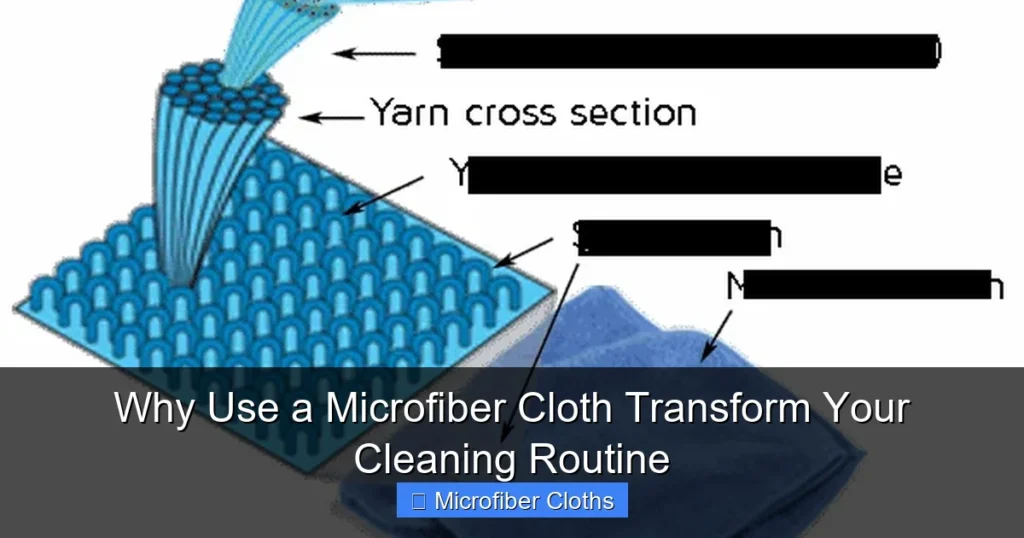
Microfiber isn’t just “fancy cloth” – it’s engineered science for cleaning. Made from ultra-fine polyester and polyamide fibers (thinner than human hair!), these strands split during manufacturing to create microscopic hooks. This structure is the secret to their magic.
Visual guide about Why Use a Microfiber Cloth Transform Your Cleaning Routine
Image source: thumbs.dreamstime.com
The Science Behind the Shine
Unlike cotton’s smooth fibers that push dirt around, microfiber’s split structure:
- Creates capillary action: Pulls liquid into the fiber core like a sponge
- Generates static electricity: Attracts and holds dust particles
- Forms microscopic “hooks”: Physically trap grime without scratching
Real-world impact? A single pass with microfiber removes 99% of bacteria from surfaces – something cotton rags can’t achieve even with disinfectants. For perspective: if a cotton rag is a broom, microfiber is a vacuum cleaner.
7 Game-Changing Benefits You Can’t Ignore
Before diving into usage techniques, understand why millions are switching:
Visual guide about Why Use a Microfiber Cloth Transform Your Cleaning Routine
Image source: m.media-amazon.com
1. Chemical-Free Cleaning Power
Microfiber’s physical cleaning action means you often need only water. Test this: spray plain water on a greasy stovetop, wipe with microfiber, and watch grime disappear. No harsh fumes, no residue – just clean. This is especially valuable for homes with kids, pets, or allergies.
2. Unbeatable Absorbency
Microfiber holds 7x its weight in liquid. Compare this to cotton’s 3x capacity: that coffee spill? One microfiber cloth soaks it up completely without dripping. No more “blotting” disasters!
3. Streak-Free Perfection
Ever notice how cotton leaves lint on glass? Microfiber’s ultra-fine fibers glide smoothly, lifting moisture without residue. Your windows, phone screens, and eyeglasses will sparkle after one wipe.
4. Long-Term Savings
Calculate this: A $3 microfiber cloth lasts 2-3 years with proper care. Replace it with paper towels ($0.02/sheet), and you’d spend $219 annually for the same cleaning power. That’s $657 saved over three years!
5. Surface Protection
Delicate surfaces like car paint or wooden furniture fear abrasive cloths. Microfiber’s soft fibers clean without micro-scratches. Even LCD screens stay scratch-free.
6. Eco-Warrior Status
Washing microfiber 300+ times means 300 fewer paper towel rolls in landfills. Plus, eliminating chemical cleaners reduces water pollution. One cloth = 300+ disposable wipes avoided.
7. Time Efficiency
Less re-wiping means faster cleaning. Users report cutting kitchen cleanup time by 40% – more time for what matters.
How to Use Microfiber Cloths Like a Pro
Using microfiber correctly unlocks its full potential. Follow these steps:
Visual guide about Why Use a Microfiber Cloth Transform Your Cleaning Routine
Image source: m.media-amazon.com
Step 1: Choose the Right Cloth for the Job
Not all microfiber is equal! Match cloth types to surfaces:
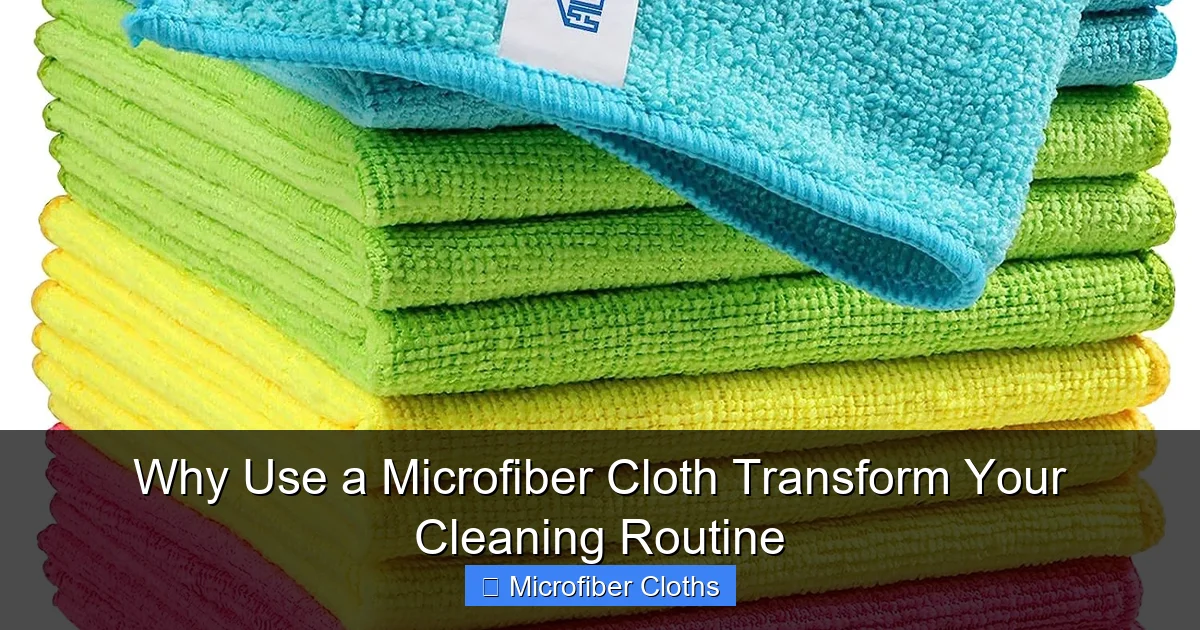
- Glass/mirrors: Use smooth-weave “glass cloths” (often blue)
- Kitchen surfaces: Opt for textured “kitchen cloths” (green) for grease
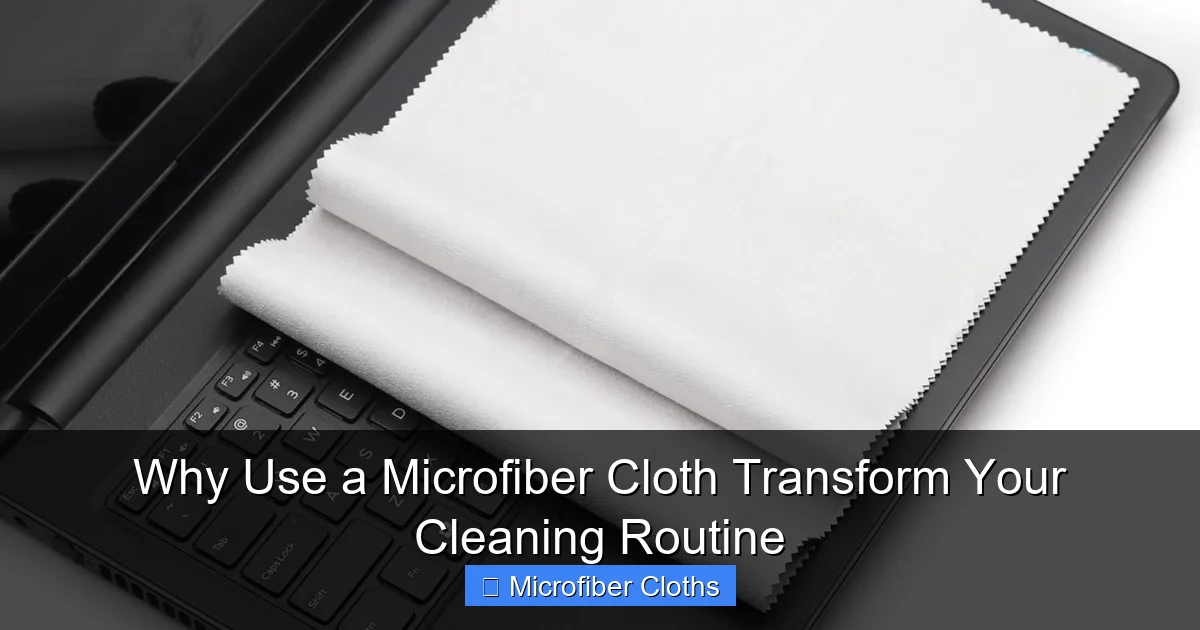
- Electronics: Select ultra-soft “lint-free” cloths (white)
- Car detailing: Choose heavy-weight “detailing towels” (red)
Pro tip: Start with a 3-pack of assorted colors. Assign colors by room to prevent cross-contamination.
Step 2: The Dry Dusting Method
For dusting shelves, blinds, or electronics:
- Fold cloth into quarters for multiple clean surfaces
- Lightly glide over surfaces – no pressure needed
- When one quadrant gets dusty, unfold to a clean section
Why it works: Static electricity pulls dust into fibers. You’ll notice less dust resettling compared to feather dusters.
Step 3: Damp Cleaning for Tough Jobs
For sticky spills or sanitizing:
- Wet cloth under cool water
- Wring until almost dry – damp, not dripping
- Wipe surface in one direction (no circular motions!)
- Immediately dry with a second microfiber cloth
Critical: Never use hot water! It melts fibers and ruins absorbency.
Step 4: The Streak-Free Glass Technique
Achieve salon-quality windows:
- Spray plain water on glass
- Wipe with damp microfiber using vertical strokes
- Immediately follow with dry microfiber using horizontal strokes
- Buff edges with corner of cloth
Result? Crystal clarity without vinegar smells or paper towel lint.
Caring for Your Microfiber Cloths: The Longevity Secret
Proper care keeps microfiber effective for years. Avoid these common mistakes:
Washing Do’s and Don’ts
- DO: Wash in cold water (max 60°C/140°F)
- DO: Use mild detergent – no bleach or fabric softener
- DON’T: Wash with lint-heavy items like towels
- DON’T: Use dryer sheets – they coat fibers
Why cold water? Heat fuses fibers, turning your cloth into a stiff rag. Fabric softener? It creates a waxy barrier that repels water.
Drying and Storage
After washing:
- Tumble dry on low heat OR air-dry
- Never iron – heat destroys fiber structure
- Store folded in a dry basket (not plastic bags)
Pro tip: If cloths feel rough after washing, soak in vinegar water (1:4 ratio) for 15 minutes to remove detergent buildup.
Troubleshooting Common Microfiber Issues
Even pros encounter hiccups. Fix these fast:
Problem: Cloths Leave Streaks
Cause: Too much water or detergent residue. Solution: Rewash with vinegar soak, then use cloth barely damp.
Problem: Cloths Smell Musty
Cause: Drying with food particles trapped. Solution: Soak in baking soda water (2 tbsp per liter) for 30 minutes before washing.
Problem: Reduced Absorbency
Cause: Oil buildup from skin or cooking. Solution: Wash with dish soap (degreaser) instead of detergent.
Problem: Lint on Surfaces
Cause: Low-quality cloth or washing with abrasive items. Solution: Replace with premium microfiber (look for 80% polyester/20% polyamide blend).
Real-Life Transformation: Sarah’s Story
Sarah, a mom of three, struggled with sticky kitchen counters and hazy windows. After switching to microfiber:
- Cut cleaning time from 45 to 25 minutes daily
- Eliminated 4 chemical cleaners from her cabinet
- Saw 70% reduction in paper towel use
“My glassware hasn’t looked this clear since I moved in,” she reports. “And my kids can help clean without chemicals – huge win!”
Conclusion: Your Cleaning Upgrade Starts Now
Microfiber cloths aren’t just another cleaning tool – they’re a paradigm shift. By leveraging physics instead of chemicals, they deliver superior results while saving money, time, and the planet. Remember: start with the right cloth for each task, keep them cool and chemical-free in care, and you’ll enjoy streak-free surfaces for years. The best part? This change costs less than your daily coffee. Ditch the rags, embrace the revolution, and experience cleaning that actually feels satisfying. Your sparkling home awaits!