
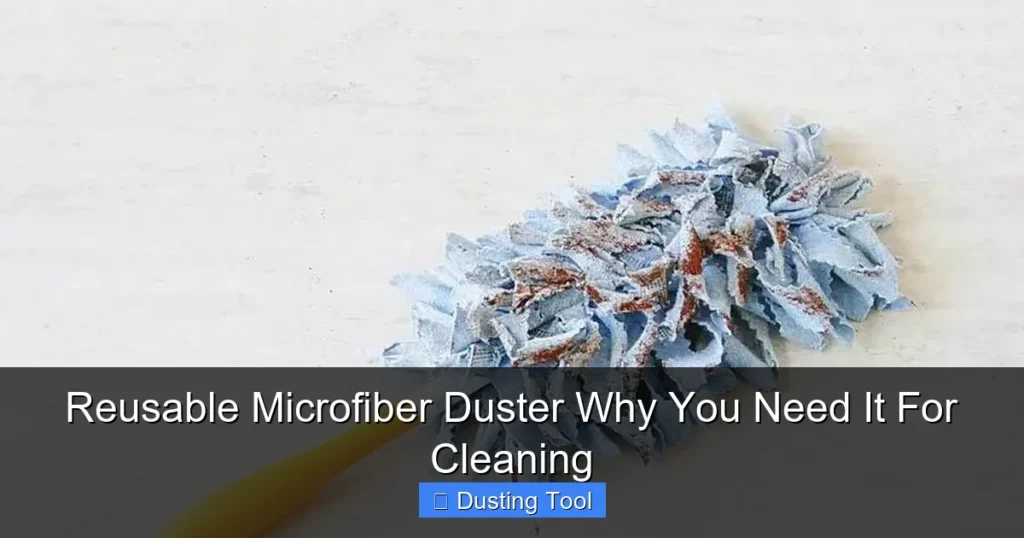
Stop wasting money on disposable dusters and paper towels! This guide reveals how a reusable microfiber duster delivers superior, streak-free cleaning on any surface while being incredibly eco-friendly. You’ll learn simple techniques to maximize its effectiveness and lifespan, making dusting faster, cheaper, and greener.
Key Takeaways
- Eco-Warrior Essential: Ditch single-use dusters; one reusable microfiber duster replaces hundreds, drastically reducing landfill waste and plastic consumption.
- Superior Cleaning Power: Microfiber’s tiny fibers and electrostatic charge grab dust, dander, and allergens far better than cotton or feathers, leaving surfaces truly clean.
- Cost-Effective Long-Term: While the initial cost is higher, a quality reusable duster pays for itself quickly by eliminating the constant need to buy disposables.
- Versatile & Gentle: Safely clean delicate electronics, glass, wood furniture, blinds, and even car interiors without scratching or leaving lint.
- Simple Maintenance: Machine washable and quick-drying, maintaining your duster is effortless – just toss it in with your regular laundry.
- Time-Saving Efficiency: Glide over surfaces effortlessly; the duster picks up dust instantly, making cleaning sessions significantly faster.
Why Your Home Desperately Needs a Reusable Microfiber Duster (Right Now!)
Let’s be honest: dusting is rarely anyone’s favorite chore. It often feels futile, leaving surfaces looking streaky or just pushing dust around. And if you’re still reaching for disposable dusters, paper towels, or old cotton rags, you’re not just fighting a losing battle – you’re actively making it harder and more expensive. Enter the reusable microfiber duster: your new secret weapon for effortless, effective, and eco-conscious cleaning.
This isn’t just another cleaning gadget. A high-quality reusable microfiber duster is a fundamental shift in how you approach dusting. It leverages the incredible science of microfiber – fibers split into microscopic strands – to trap dust, pollen, pet dander, and even bacteria with remarkable efficiency. Unlike traditional dusters that simply redistribute grime, microfiber holds onto it. Plus, it’s designed to last for years, not minutes. In this guide, you’ll discover exactly why this tool is non-negotiable for a cleaner, healthier, and more sustainable home, and how to use it like a pro from day one.
Forget the frustration of dusty blinds, streaky TV screens, and the constant need to replace flimsy dusters. We’re diving deep into the world of reusable microfiber dusters, covering everything from choosing the perfect one for your needs to mastering advanced techniques and keeping it in top shape. Get ready to transform dusting from a chore into a quick, satisfying task that leaves your home gleaming.
Choosing Your Perfect Reusable Microfiber Duster: It’s Not All the Same!
Not all microfiber dusters are created equal. Picking the right one sets you up for success. Here’s what to look for:
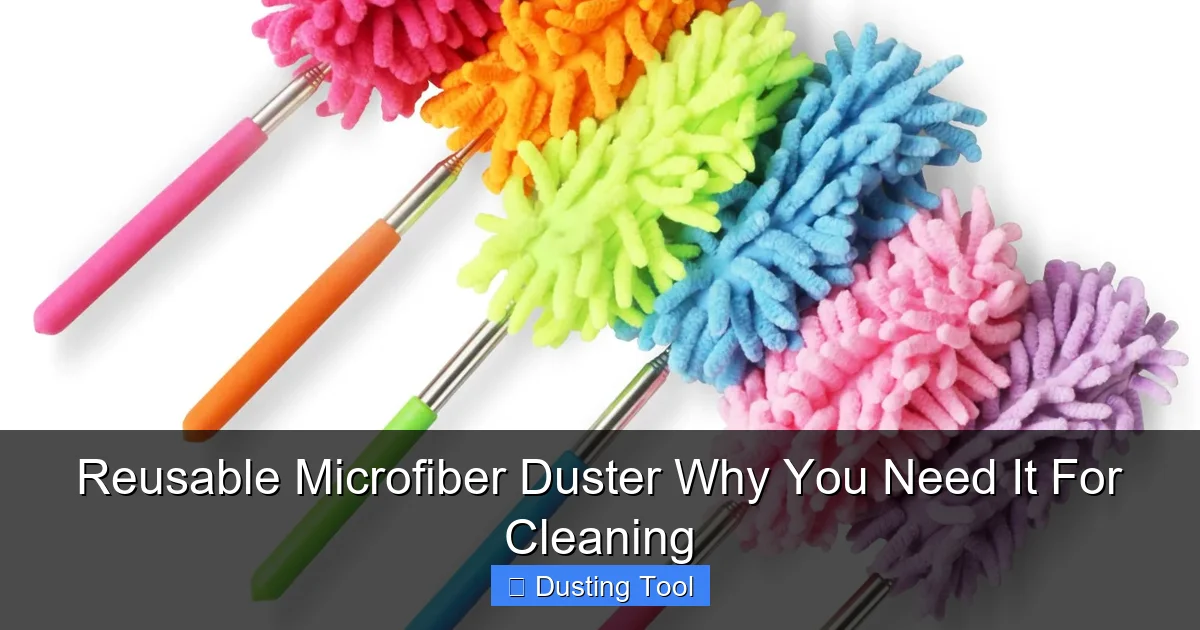
Visual guide about Reusable Microfiber Duster Why You Need It For Cleaning
Image source: m.media-amazon.com
Material Matters: The Microfiber Blend
The magic is in the fiber. Look for dusters made from a high-quality polyester-Polyamide blend (often labeled 80/20 or 70/30). Polyester provides durability, while polyamide (nylon) adds absorbency and the crucial electrostatic charge that attracts dust. Avoid dusters labeled simply “microfiber” without specifying the blend – they might be lower quality or contain cotton, which reduces effectiveness. A good duster will feel dense and plush, not thin or flimsy.
Size and Shape: Matching the Tool to the Task
Consider your main dusting targets:
- Standard Handheld Dusters: Great for general furniture, shelves, and baseboards. Look for a comfortable grip and a head size (usually 8-12 inches) suitable for your hands.
- Extendable Pole Dusters: Essential for high ceilings, ceiling fans, light fixtures, and tall bookshelves. Ensure the pole is sturdy (aluminum is best) and the head locks securely at various angles.
- Specialty Heads: Many sets include narrow heads for blinds, crevice tools for tight spaces, or soft brush attachments for delicate items like lampshades or electronics. Having a few options is incredibly useful.
For most homes, starting with a standard handheld duster and an extendable pole version offers the best versatility.
Attachment System: Secure is Key
How the microfiber head attaches to the handle is critical. Velcro is the gold standard – it holds firmly during vigorous dusting but allows easy removal for washing. Avoid dusters with heads that simply slip on and off; they can detach mid-chore, scattering dust everywhere. Ensure the Velcro is strong and covers a good portion of the head’s backing.
Mastering the Art of Dusting: Step-by-Step Techniques for Flawless Results
Using a reusable microfiber duster effectively is simpler than you think, but a few key techniques make all the difference between a quick wipe and a truly clean surface.

Visual guide about Reusable Microfiber Duster Why You Need It For Cleaning
Image source: palmacedarcleaning.com.ng
The Basic Glide: Your Foundation Technique
This is your go-to method for most surfaces:
- Start High, Work Low: Always begin dusting at the highest point in the room (ceiling fan, top of shelves) and work your way down. This prevents dust you dislodge from settling on already-cleaned lower surfaces.
- Light Touch, Long Strokes: Don’t press hard! Let the microfiber do the work. Use smooth, overlapping strokes in one direction (e.g., left to right). Pressing too firmly can grind dust into surfaces or cause streaks on glass.
- Follow the Contour: On curved surfaces like lamp bases or rounded furniture edges, gently follow the shape with your duster. Don’t force it flat.
- Frequent Flips: As one side of the duster head gets loaded with dust, simply flip it over to use the clean side. Most heads have two usable sides. This maximizes cleaning power without constant washing.
Pro Tip: For very dusty areas, gently tap the duster head against the inside of your trash can or outside a window between flips to dislodge excess dust before continuing.
Tackling Tricky Spots: Blinds, Electronics, and More
Special surfaces need special attention:
Blinds (Venetian, Vertical, Mini)
Close the blinds completely. Starting at the top slat, gently run the duster along the top edge of each slat, working downwards. For vertical blinds, dust the front and back of each vane. A narrow microfiber head or a dedicated blind duster attachment is invaluable here. Avoid spraying cleaners directly on blinds; dampen your microfiber duster slightly with water if needed for stubborn grime.
Electronics (TVs, Monitors, Keyboards)
Always turn off and unplug electronics first! Use a completely dry microfiber duster. Gently glide over screens and surfaces. For keyboards, use a narrow crevice tool attachment or carefully run the duster between keys. Never use water or cleaners near electronics unless specifically designed for them.
Delicate Items (Lampshades, Picture Frames, Wood Furniture)
Use the softest part of the duster (often the very edge) or a dedicated soft brush attachment. Use minimal pressure. For intricate carvings, a soft-bristled brush attachment is best. Always test on an inconspicuous area first if unsure.
When a Little Moisture Helps (The Damp Duster Technique)
While microfiber excels dry, slight dampening can be powerful for stuck-on dust, pet hair, or light grime on non-porous surfaces like glass, mirrors, or laminate:
- Lightly mist a *small* section of the duster head with clean water, or dip just the tips in water and wring it out *thoroughly* until it’s only slightly damp.
- Wipe the surface using the same smooth, overlapping strokes as the dry technique.
- Immediately follow with a dry microfiber duster or cloth to buff away any moisture and prevent streaks. Never use a soaking wet duster!
Important: Never use a damp duster on unfinished wood, electronics, or surfaces sensitive to moisture. When in doubt, keep it dry!
Caring for Your Reusable Microfiber Duster: Ensuring Longevity and Performance
The biggest advantage of a reusable duster is its lifespan – but only if you care for it properly. Follow these steps to keep it performing like new for years:

Visual guide about Reusable Microfiber Duster Why You Need It For Cleaning
Image source: southhickory.com
Washing: Simple but Crucial
Wash your duster head separately or with similar colors (like dark towels), never with cotton items (t-shirts, towels) or fabric softener.
- Frequency: Wash after every 3-5 uses, or when it visibly loses its “grip” and starts pushing dust around.
- Detergent: Use a small amount of liquid detergent. Avoid powder detergents (can clog fibers) and fabric softener (coats fibers, reducing absorbency and electrostatic charge).
- Water Temperature: Warm water (not hot) is ideal. Hot water can damage the microfiber over time.
- Drying: Air dry is best! Lay flat or hang. If using a dryer, use NO HEAT (air fluff setting only). High heat melts the microscopic fibers, destroying the duster’s effectiveness. Never iron.
Pro Tip: Turn the duster head inside out before washing to help release embedded dust from the fibers.
Storage: Keep it Ready to Go
Store your duster head completely dry. Hang it on a hook or store it flat in a drawer. Avoid cramming it into tight spaces where it stays crumpled, as this can damage the fibers. Keep the handle stored with the head attached if possible, or store heads separately in a clean basket.
Troubleshooting Common Microfiber Duster Issues
Even the best tools can have hiccups. Here’s how to fix common problems:
Problem: Duster Leaves Streaks (Especially on Glass)
Cause: Usually caused by using a damp duster that wasn’t wrung out well enough, residual detergent, or fabric softener buildup.
Solution: Ensure the duster is only *slightly* damp, not wet. Always follow with a dry microfiber cloth. Wash the duster head thoroughly with vinegar (1/4 cup in rinse cycle) to remove detergent residue, then rewash with detergent only. Avoid fabric softener completely.
Problem: Duster Pushes Dust Around Instead of Picking It Up
Cause: The duster head is overloaded with dust or needs washing. It could also be low-quality microfiber losing its charge.
Solution: Flip to a clean side frequently. Wash the duster head. If it’s new and still pushing dust, it might be a poor-quality product – consider replacing it with a higher-grade microfiber duster.
Problem: Duster Sheds Lint or Fibers
Cause: Common with very new dusters (initial shedding) or low-quality microfiber. Can also happen if washed with abrasive items.
Solution: For new dusters, shedding usually stops after 1-2 washes. Wash separately from rough fabrics. If shedding persists after several washes, the duster is likely low quality and needs replacing.
Problem: Duster Head Won’t Stay Attached to Handle
Cause: Velcro is worn out, clogged with dust/lint, or wasn’t fully secured.
Solution: Clean the Velcro strips gently with a soft brush or your fingernail to remove debris. Ensure both sides are pressed together firmly. If Velcro is completely worn, you may need to replace the head (many brands sell replacement heads).
Conclusion: Embrace the Effortless Clean
Switching to a reusable microfiber duster isn’t just a small change; it’s a significant upgrade to your entire cleaning routine and your home’s environment. You’ve discovered how this simple tool, powered by remarkable microfiber technology, outperforms disposable alternatives in every way: it cleans more effectively, saves you money month after month, drastically reduces your household waste, and is incredibly gentle on all your surfaces.
By mastering the basic glide technique, learning to tackle tricky spots like blinds and electronics, and committing to simple care routines like proper washing and air drying, you unlock the full potential of your duster. No more frustrating streaks, no more constant repurchasing, and no more guilt about contributing to landfill waste. Dusting becomes less of a chore and more of a quick, satisfying task that leaves your home truly clean and healthy.
Don’t wait for your next dust bunny invasion. Invest in a quality reusable microfiber duster today. Your wallet, your home, and the planet will thank you. Experience the difference that smart, sustainable cleaning can make – one effortless glide at a time.