
Specs are compiled from manufacturer listings and verified buyer reviews and can change over time — please confirm the key details on the product page before buying.
Finding a trail shoe that grips slick rock and loose gravel without feeling heavy is the real challenge. You want the confidence to charge down a muddy descent, not the fear of falling. This guide focuses on the specs that matter—lug depth, cushioning, drop, and fit—so you can pick the right trail partner.
I’m Maruf — the founder and writer behind HomeYarr. This guide is built by comparing the manufacturers’ published specifications and the patterns across verified customer reviews, so you get each pick’s real strengths and trade-offs instead of marketing spin.
The result is a focused ranking of the best zapatillas de trail running for different foot shapes, terrain types, and budgets, helping you match the shoe to the trail rather than the hype.
Our Picks at a Glance
How To Choose The Best Zapatillas De Trail Running
Trail running shoes are built differently from road shoes, and choosing the wrong pair leads to slips, blisters, or just a miserable day out. You need to match the shoe to the terrain you’ll actually cover and to the shape of your foot.
Match the Lug to the Terrain
Look at the outsole lugs (the rubber studs on the bottom) to judge grip. Shoes with 5mm or deeper lugs are designed for soft, muddy, or loose trails where you need to bite into the ground. Shoes with shorter, tighter lugs are better for hard-packed dirt and mixed surfaces where you also run on roads.
Decide on the Drop You Want
The drop is the measurement in millimeters of the height difference between the heel and the toe of the shoe. A higher drop like 10mm shifts your weight forward and can feel familiar if you’re used to road shoes, while a lower drop like 0mm-5mm encourages a more natural mid-foot strike and engages your calves more. Zero-drop shoes place your heel and forefoot at the same distance from the ground, which promotes better alignment but requires some getting used to.
The Toe Box Is a Fit Decision
Your toes need room to splay on descents. Some brands are famous for their wide, foot-shaped toe boxes that prevent pinching and blisters, while others run narrow and true-to-size. If you have wide feet or bunions, prioritize a roomy anatomical toe box or look for wide-fit options. If you have narrow feet, a glove-like fit could be exactly what you want.
Quick Comparison
| Model | Best For | Drop | Lug Depth | Weight (Size Ref) | Amazon |
|---|---|---|---|---|---|
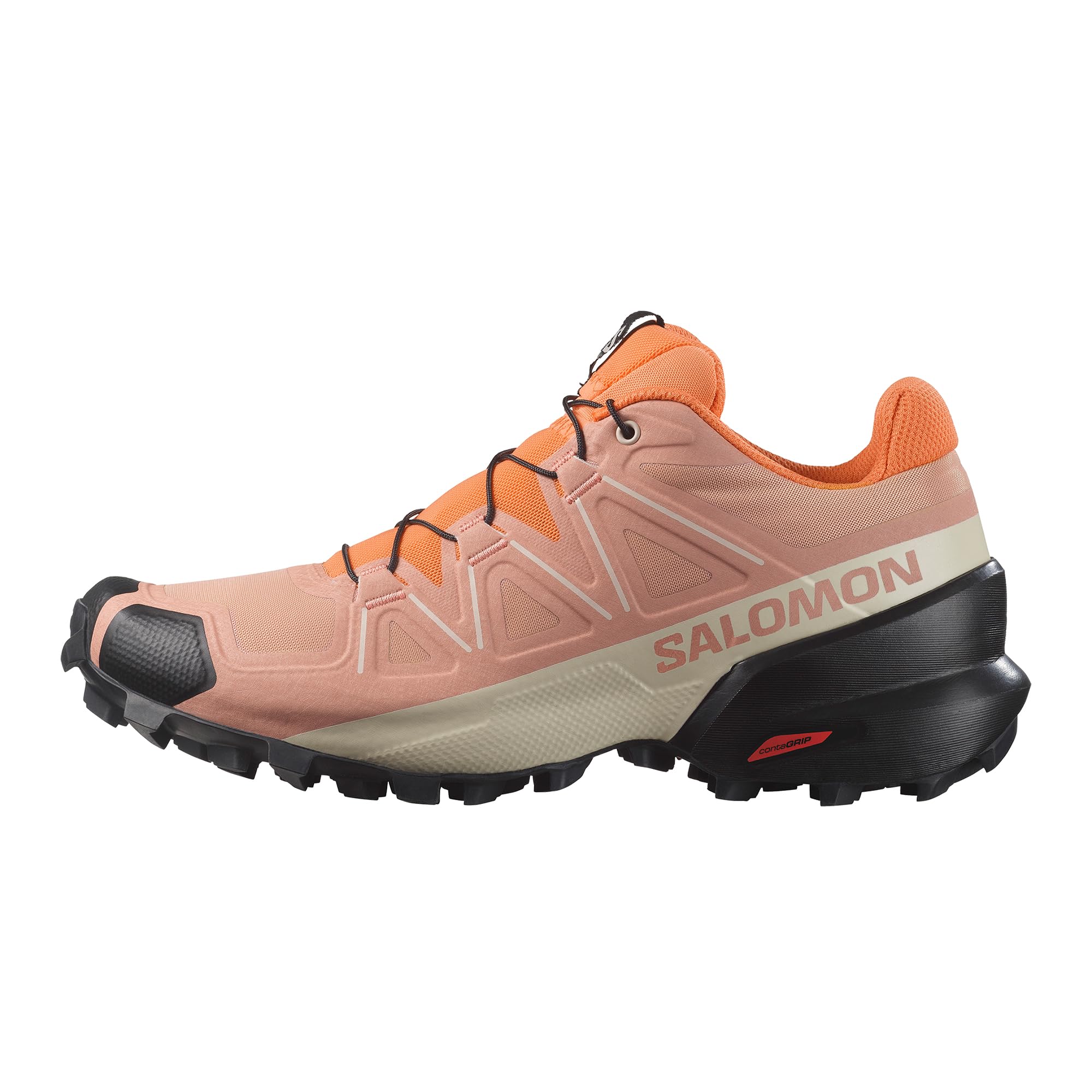
| Salomon Women’s Speedcross★ Best Overall | Muddy, Slick Rock Trails | 10 mm | 5 mm | 262 g | Amazon |
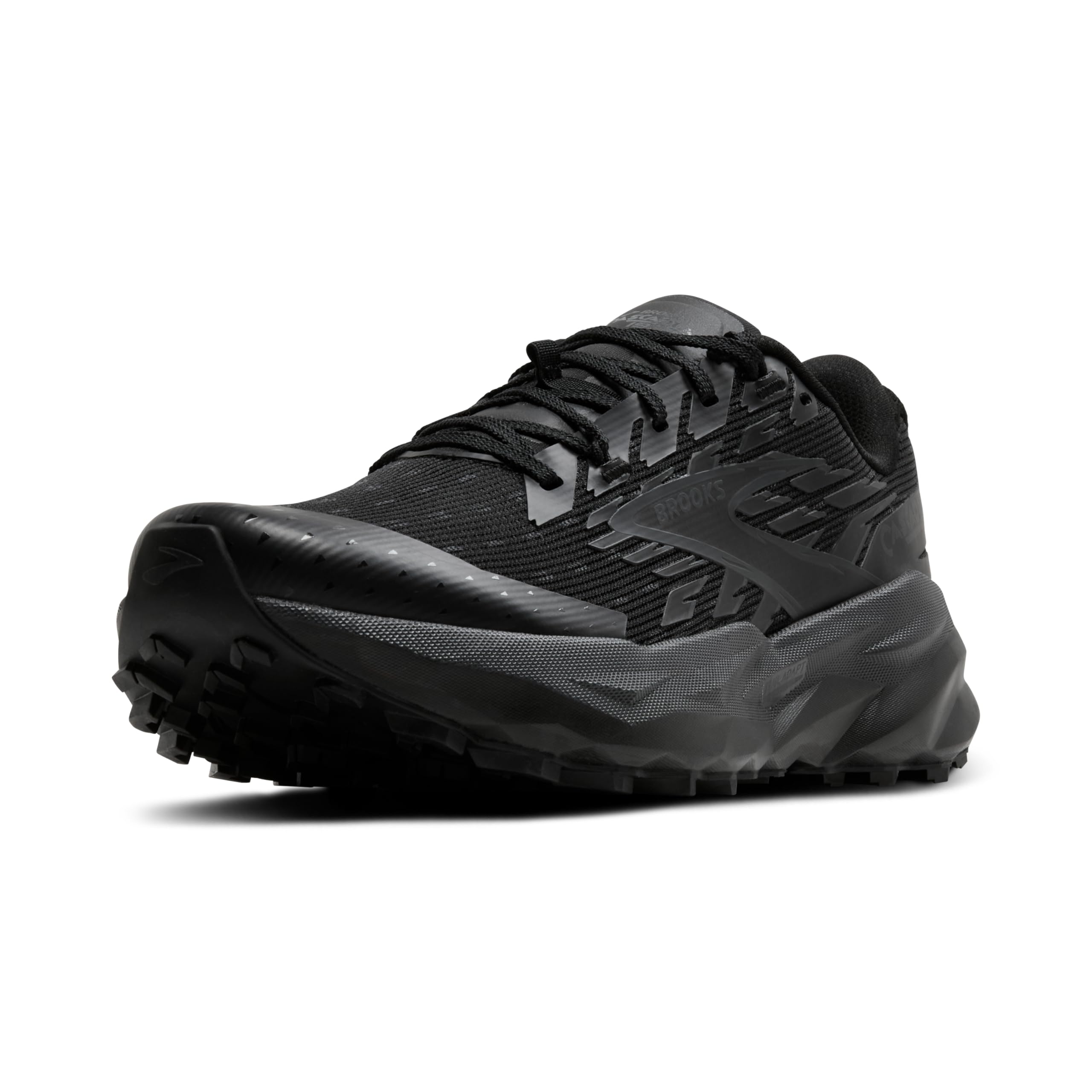
| Brooks Men’s Cascadia 19Trail Versatility | Rocky & Versatile Trails | 6 mm | — | 10.7 oz / 303.3 g | Amazon |
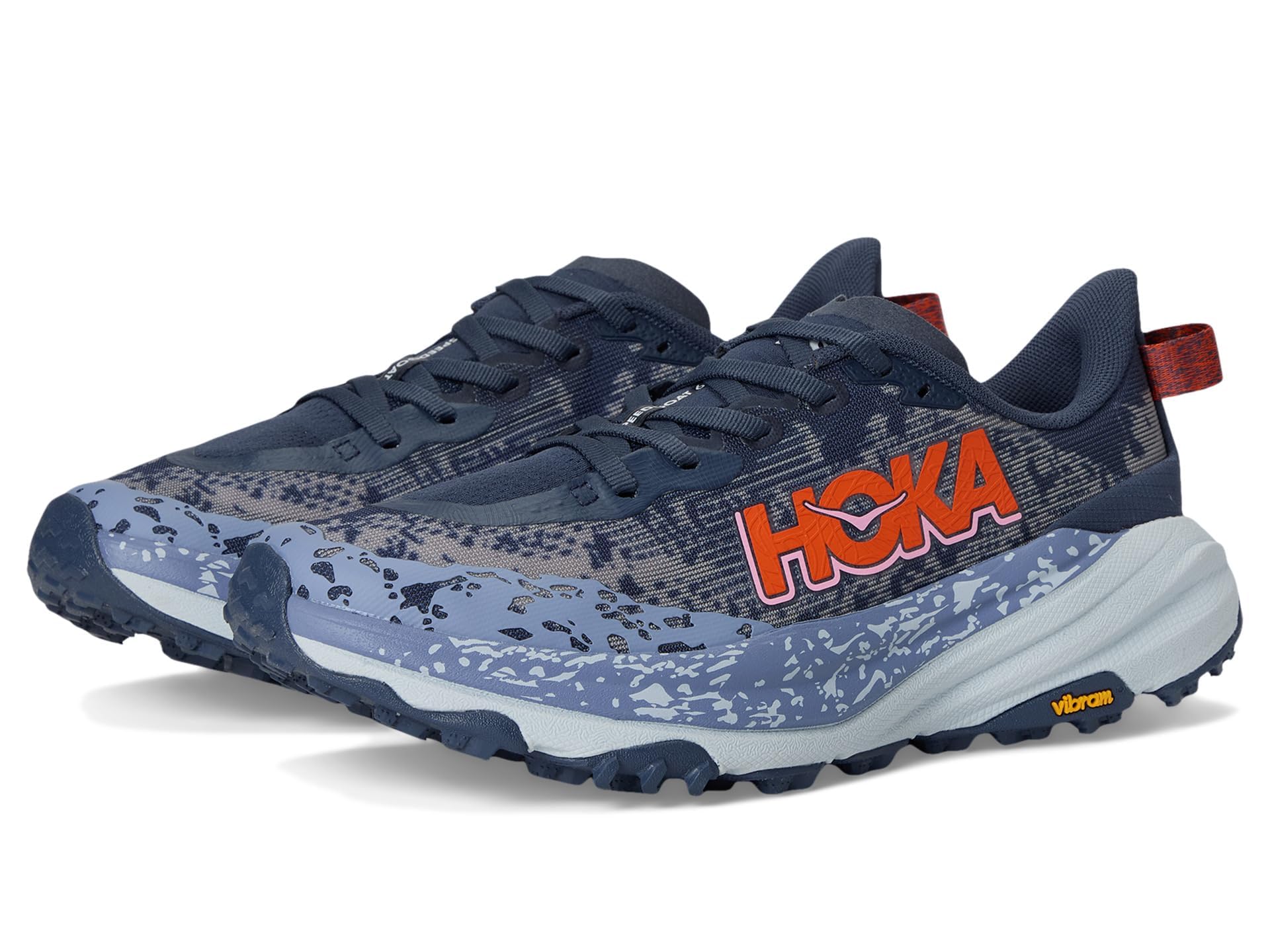
| Hoka ONE ONE Speedgoat 6Aggressive Grip | Technical Terrain, Max Cushion | — | — | — | Amazon |
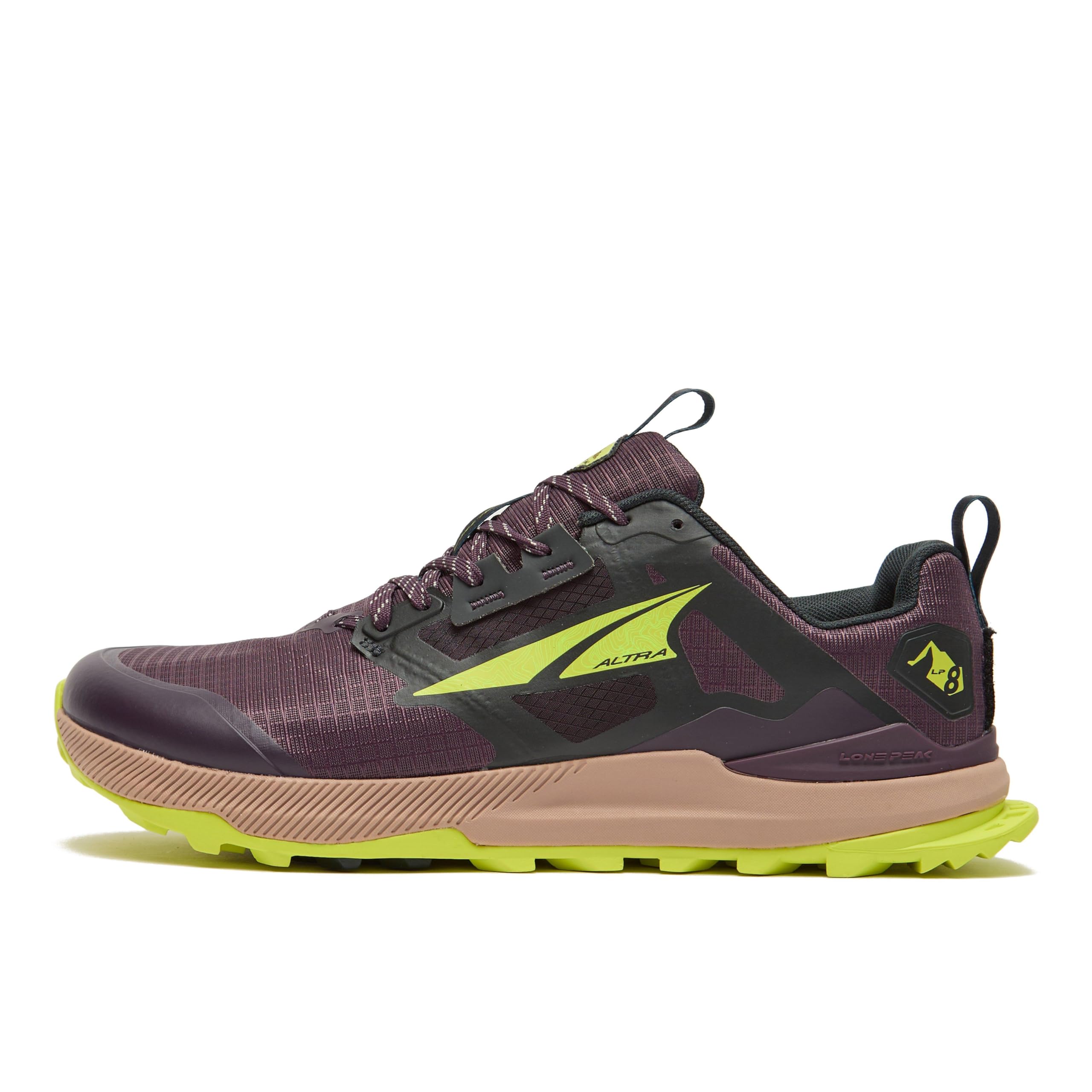
| ALTRA Women’s Lone Peak 8 | Roomy Toe Box, Natural Stride | 0 mm | — | 10.7 oz / 303 g | Amazon |
| Topo Athletic Ultraventure 4 | Long Runs, Wide Toe Box | 5 mm | — | 8.6 oz (W7) | Amazon |
| New Balance Fresh Foam X Hierro V9 | Wet/Dry Grip, Protective | — | 6 mm | — | Amazon |
| Nike Pegasus Trail 5 | Road-to-Trail Transition | — | — | — | Amazon |
| New Balance Fresh Foam X Garoé V2 | Great Value, Neutral Support | — | — | — | Amazon |
| Under Armour Charged Bandit Trail 3 | Muddy Terrain, Ventilation | — | — | — | Amazon |
In‑Depth Reviews
1. Salomon Women’s Speedcross Trail Running Shoes
Our pick — over 4.5★ from 500+ verified ratings; the strongest balance of quality and price.
A grippy fit that turns slick rock climbs into confident steps.
You get grip you can trust on mud and wet rock, which is why owners say it fits “like a glove.” The outsole has 5 mm lugs (the rubber teeth that dig into the ground), so it bites deep into soft trails and lets you run over slippery sections you would normally walk around. It handles mixed terrain and muddy conditions, and buyers consistently praise the grip as its standout feature.
The comfort story is just as strong. Reviewers talk about completing 20-mile hikes with minimal fatigue and no blisters, crediting a roomy toe box that leaves space for feet to swell on long days. The 262 g weight keeps it feeling light on the foot despite its aggressive looks, and the breathable material dries fast and doesn’t hold odor. Keep in mind it is not waterproof, so expect wet feet when you cross streams.
Fit runs slightly small for some, so ordering a half size up is a common piece of advice from owners. If you have narrow feet, this could be the best-fitting shoe you own; the glove-like wrap is a feature, not a bug. While it’s a premium pick on price, the combination of durability, grip, and all-day comfort has owners saying it’s worth it.
What wins people over
- Exceptional wet and dry grip that holds slick rock
- Comfortable from the start with a secure glove-like fit
- Durable build holding up over long hikes and travel
Consider this first
- Not waterproof, so streams mean wet socks
- Premium price sits at the higher end
Reach for this if: you want the go-to shoe for muddy and technical trails where confidence in grip matters more than anything.
Think twice if: you need a waterproof shoe or have wide feet that don’t suit a glove-like wrap.
2. Brooks Men’s Cascadia 19 Mountain Trail Running Shoe
A stable, cushioned workhorse that’s earned a reputation as a 50K-approved favorite.
This is the shoe for runners who want a wide, stable platform without sacrificing cushioning. The 6 mm drop hits a middle ground that feels natural on both climbs and descents, while the 10.7 oz weight stays light enough for moving fast. Its grippy treads earn praise for rocky terrain, and the wide toe box is a welcome upgrade over older versions.
It’s not just for running. Owners use it for 3-season backpacking and thru-hiking with heavy packs, finding it more comfortable and lighter than traditional boots. Owners describe the comfort as “relentlessly comfortable,” with a thick, protective sole that blocks sharp rocks. Dirt shows on the yellow upper, so keep that in mind if you care about the look after a muddy run.
Versatility is the defining trait here — it goes from dry Southern California trails to inclement weather without missing a beat. The lugs are competent on technical sections, though some owners wish they were a touch more aggressive for truly soft mud. For ankle-rolling concerns, the stable platform and strong arch support are a big plus.
The highlights
- Wide stable platform that protects against ankle rolls
- Super grippy tread for rocky and wet surfaces
- Cushioned like a daily trainer but trail-ready
Things to weigh
- Light-colored upper shows dirt quickly
- Lugs could be deeper for very soft mud
Best for: hikers and runners who want one durable, comfortable shoe that handles everything from gentle trails to multi-day backpacking trips.
A fair warning: if you primarily run in deep mud, look for a shoe with deeper lugs than the 6 mm drop suggests.
3. Hoka ONE ONE Womens Speedgoat 6 | Trail Running Shoes
A cushioned tank built to tame technical terrain without the break-in period.
Bringing Hoka’s signature cushioning to technical trails, the Speedgoat 6 is ready for action straight from the start. The breathable woven textile upper wraps the foot comfortably, while an internal chassis provides support on uneven ground. The outsole’s lug orientation is literally inspired by a goat’s hoof, giving you aggressive traction where you need it most.
Owners rave about the comfort for long days — one ran a 20-mile race in them with no blisters and no break-in time. The dual gusset tongue keeps debris out, while the cushioning is the star for sore feet or plantar fasciitis. Soft and not narrow, the fit works well for many, though the sizing debate is real.
Some owners find the shoe runs small, with one size 8 fitting like a 6.5 or 7, so trying them on quickly is advised. The tongue is also stitched halfway down the shoe, which can make getting your foot in a bit tricky. It’s a fitting quirk for a shoe that shines brightest on long, technical days where cushioning and traction are non-negotiable.
Comfort first: Owners consistently rate the cushioning as the standout feature, especially for relieving foot pain and plantar fasciitis.
The main caveat: Sizing is genuinely inconsistent across reviews, so order from somewhere with a good return policy and try them on early.
Pick this for: women runners who want maximum cushioning on technical, rocky trails and are willing to dial in the sizing.
Look elsewhere if: you’re between sizes or want a shoe you can buy without a return plan, given the mixed fit reports.
4. ALTRA Women’s Lone Peak 8 Trail Running Shoe
The zero-drop favorite with a toe box that gives your toes room to breathe.
If your toes feel cramped in most shoes, the Lone Peak 8 is a revelation. The FootShape toe box gives your toes space to sit naturally and spread, which is a lifesaver for hikers dealing with bunions or hiker’s toe. The 0 mm drop places your heel and forefoot at equal distance from the ground, encouraging better alignment, a more natural mid-foot strike, and a low-impact landing.
Long-distance comfort is where this shoe shines. Buyers report pain-free miles on steep hikes, with the wide toe box preventing the rubbing and fatigue that comes from cramped footwear. The MaxTrac outsole provides sticky underfoot grip on loose dirt and rocky paths, and the 10.7 oz weight feels light on the foot. At 25 mm of stack height, you get a balanced cushion that connects you to the ground.
The zero-drop platform isn’t for everyone, especially if you’re used to a higher heel. Your calves will get a workout transitioning. Also, while most owners love the fit, a few have hit sizing quirks, with some finding the width too generous or too snug between sizes. The versatile grip makes it a favorite for both thru-hiking and daily trail runs.
The comfort case: The wide toe box and zero-drop design are consistently praised for eliminating toe pinching, blisters, and foot fatigue on long trails.
Who it’s not for: Runners who prefer a traditional heel-to-toe drop and don’t want to adapt to a natural foot-strike position.
Choose this if: you have wide feet, bunions, or want the freedom of a zero-drop, natural stride with excellent grip.
skip it if: you’re not ready to transition to zero-drop and want to ease into a more natural running style.
5. Topo Athletic Women’s Ultraventure 4 Comfortable Cushioned Durable 5MM Drop Trail Running Shoes

A high-cushion runner for long hauls that blends a roomy toe box with a snug heel.
Built for long runs on mild to moderate terrain, the Ultraventure 4 is a favorite for those who want comfort without the bulk. The 35 x 30 mm platform with a ZipFoam midsole offers a springy, lightweight ride that’s more responsive than standard EVA foam. At just 8.6 oz (W7), it’s impressively light for a shoe with this much cushioning.
You get smooth transitions from trail to road thanks to the Vibram XS Trek EVO outsole (a rubber compound designed for grip on many surfaces). The wide anatomical toe box and generous cushioning relieve plantar fasciitis and neuromas, with one owner calling it “The One” after years of searching. The 5 mm drop (the height difference between heel and toe) encourages a natural stride without feeling too aggressive.
Quality feedback is mixed, though. While the comfort is universally praised, some owners have reported premature wear, including holes in the inner heel after a few months. On the flip side, others have gotten 2+ years of life from their pairs, so your experience will vary. The high arch support works wonders for some but might not suit flat-footed runners.
The standout: The combination of a Vibram outsole and a wide toe box makes this a top choice for all-day comfort and rocky terrain grip.
The honest trade-off: Durability is a coin flip based on owner reports; some see extensive wear within months while others get years of use.
Best for: runners and hikers with wider feet or foot conditions like plantar fasciitis who want high cushioning without a bulky feel.
Consider the risk: the durability stories are mixed, so treat this as a shoe to watch for early signs of wear.
6. New Balance Men’s Fresh Foam X Hierro V9 | Trail Running Shoes
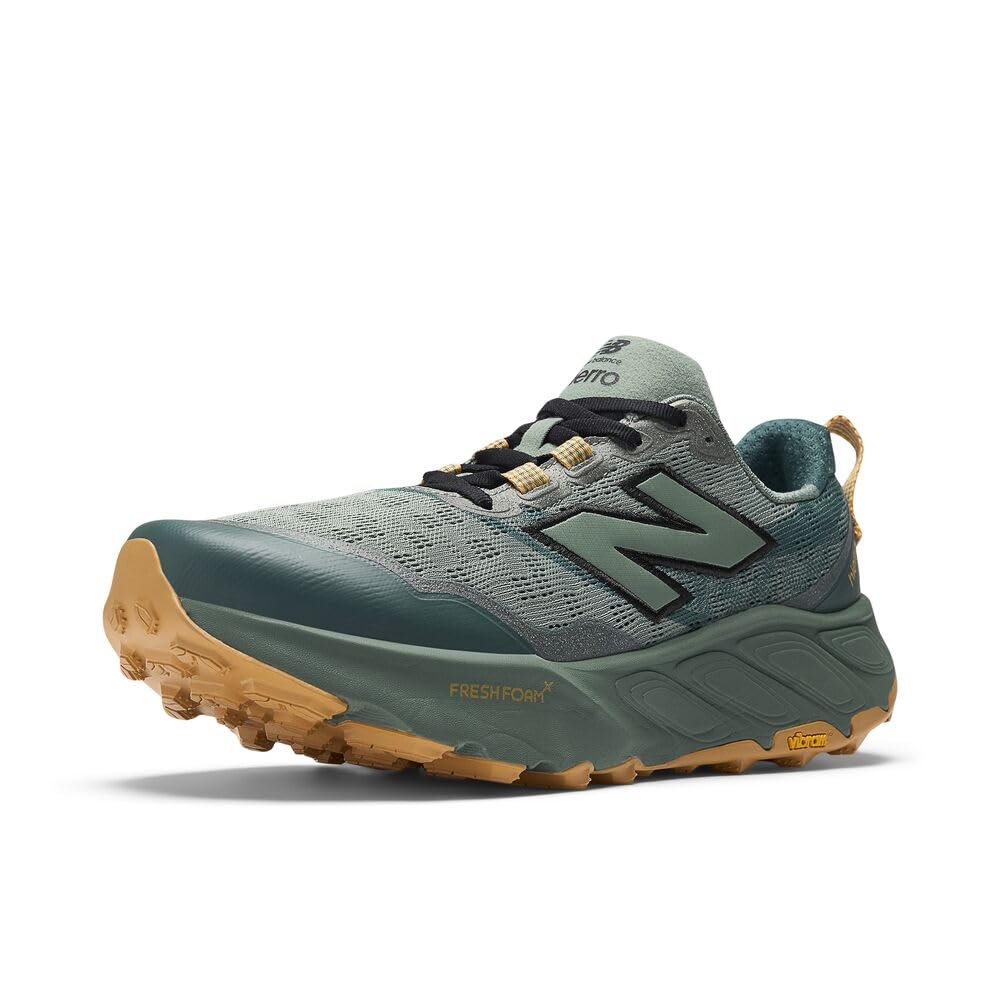
A protective, dual-density midsole with 6 mm lugs that shrug off rocks and roots.
When you’re running on technical terrain, the Hierro V9 is built to protect. The dual-density Fresh Foam X midsole gives you plush comfort with a more stable underfoot feel, and the Vibram Megagrip outsole with deeper 6 mm lugs delivers superior traction on both wet and dry surfaces. Toe Protect technology shields your feet from rocks, roots, and trail debris.
The breathable knit upper with a gusseted tongue is a clever design — it keeps out debris while maintaining airflow, so your feet stay cool and clean. Owners love the comfort and quality, with the cushioning absorbing the impact of rocks and roots on the trail. High arches are well-supported, making this a favorite for those who need extra structure.
The fit is the main topic of debate. The toe box runs narrow and tight for many, so sizing up half a size is a common recommendation. While the wide versions fit some feet well, at least one owner found the sole platform too narrow even in a 4E width, causing instability on rocks. If you have wide feet, this is a shoe to try on before you buy.
Why it’s a technical favorite
- Vibram Megagrip with 6 mm lugs grips wet and dry terrain
- Excellent cushioning absorbs impact from rocks and roots
- Secure ankle support and supportive uppers
Where it gets tricky
- Narrow, tapered toe box is a problem for wide feet
- Sizing runs small; plan to order a half size up
Grab it for: runners with narrow-to-medium feet who want top-tier grip and protection on rocky, technical trails.
Look elsewhere: if you have wide feet — the platform issues mean this isn’t a safe bet for you.
7. Nike Mens Pegasus Trail 5 | Trail Running Shoes

The versatile bridge that crosses between pavement paths and earthy trails with ease.
For runners who split their time between the road and the trail, the Pegasus Trail 5 is the perfect dual threat. Equipped with an ultra-responsive ReactX foam midsole, this shoe gives you a snappy, energetic ride that translates well from the pavement to packed dirt. It’s designed to be a “true dual threat,” crossing the divide between the two surfaces.
The comfort is a consistent theme in owner feedback, with many describing them as “super comfortable” for walking and casual wear. The fit works well for a range of foot shapes, and the support is appreciated for everyday use. If you’re looking for a shoe that does double duty — hitting the gym or a trail run — this is a solid choice.
This is the most road-oriented shoe on this list, so it’s not built for deep mud or aggressive technical climbs. The outsole is better suited for light trails, gravel paths, and dirt roads rather than the steep, rocky stuff that the Salomon or Hoka handles. For a casual trail runner or someone new to the discipline, this is an easy, comfortable entry point.
The everyday appeal: Known for comfort and good looks, this shoe works for walking, the gym, and light trails without looking out of place anywhere.
Know the limits: It’s not an aggressive trail shoe, so keep it on smoother paths rather than technical, muddy singletrack.
Choose it for: versatility — this is the shoe to reach for when your run mixes pavement and light trails.
It’s not for: serious mountain runners who need deep lugs and aggressive grip for technical terrain.
8. New Balance Men’s Fresh Foam X Garoé V2 Trail Running Shoe
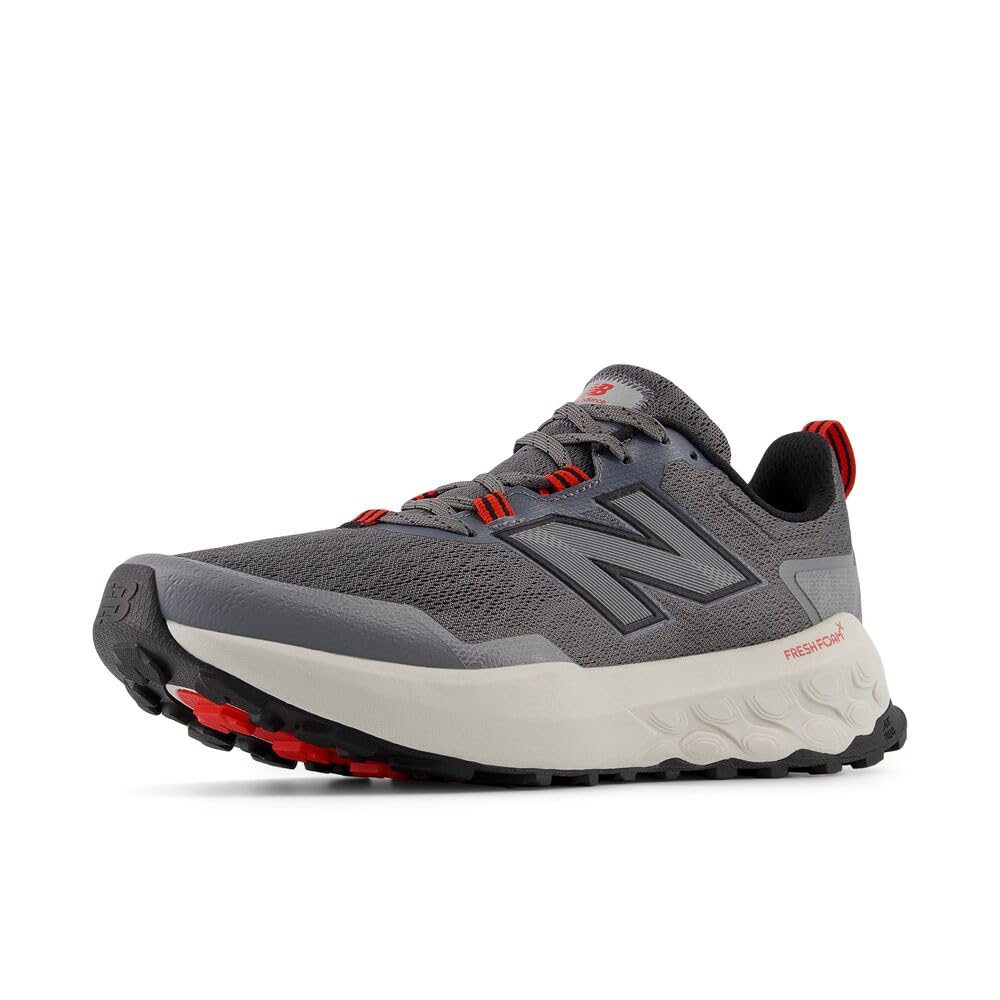
A lightweight, value-packed trail runner that makes every-day off-road miles more comfortable.
If you’re looking for a budget-friendly way to get onto the trails, the Garoé V2 delivers impressive value without skimping on core features. The lightweight, ultra-soft Fresh Foam midsole provides plush cushioning, while the AT Tread outsole offers traction for activities both on and off the road. It’s a versatile performer that fits a variety of uses.
Owners consistently praise the quality and fit, with many noting how lightweight the shoe feels. The cushioning, however, is a love-it-or-hate-it situation — some find it wonderfully soft and bouncy, while others say it’s too squishy for their taste. It’s a neutral shoe, so there’s no arch support built in; that’s either perfect or a dealbreaker depending on your feet.
Durability varies. One loyal buyer is on their 10th pair but admits “they wear out pretty fast,” while another reports their first pair lasted over 700 miles with minimal wear. So the lifespan depends on how and where you run. For lighter use—yard work, walking, or casual trail runs—it is an excellent choice.
Why it’s a smart buy
- Great value for the price point
- Lightweight feel with good foot support
- Excellent grip on trails and pavement
Keep in mind
- No arch support for those who need it
- Cushioning and durability are mixed based on usage
Pick this up if: you want a low-cost, neutral trail shoe for casual runs, walking, or everyday outdoor use.
Pass on it if: you need arch support or plan to rack up serious mileage and need a shoe that lasts.
9. Under Armour Men’s Charged Bandit Trail 3 Storm Proof Trail Running Shoes

A budget-friendly trail shoe with Charged Cushioning and lugs that grip muddy terrain.
An affordable entry into trail running, the Charged Bandit Trail 3 is built to handle the basics well. The Charged Cushioning midsole uses compression-molded foam for a responsive, durable ride, while the technical trail lugs on the outsole provide traction for climbing up and down trails. It’s a solid, no-frills option for getting off the pavement.
The two-toned engineered mesh upper is lightweight and breathable, with strategic overlays adding durability in high-abrasion areas. The molded sockliner forms to the foot, preventing slippage and providing comfort underfoot. Owners appreciate the comfort, quality, and fit for daily wear, with many noting it works great as a gym or everyday shoe too.
The main issue is sizing — it runs small. “Order a half size bigger” is the consistent advice from owners who found their usual size too tight. The tread is a highlight, impressing owners enough to say “don’t overlook these.” It’s a neutral shoe, so it skews toward flexibility and cushioning rather than heavy stability.
The value point: Plenty of comfort and a grippy tread at a budget-friendly price, with strong feedback on build quality and looks.
The catch: Sizing is the recurring complaint — order a half size up to be safe, especially for wider feet.
Reach for this if: you want an inexpensive, comfortable trail shoe for gym use, casual runs, and moderate trails while staying affordable.
Be prepared: to size up by half a size, as the fit consistently runs small.
Understanding the Specs
The Drop
The drop is the difference in millimeters between the height of the heel and the toe. A 10 mm drop is the most common and feels similar to a road shoe, shifting your weight forward for a heel-strike. A 0 mm drop — called zero drop — puts your heel and forefoot at the same level, promoting a more natural, mid-foot strike and better posture, but it can strain your calves if you switch suddenly.
Lug Depth & Outsoles
The lugs are the rubber studs on the bottom of the shoe that provide grip. Deeper lugs, like 5 mm or 6 mm, are designed to bite into mud, loose dirt, and soft trails for maximum traction on technical terrain. Shallower lugs are smoother for hard-packed trails and road-to-trail transitions. Vibram is a premium outsole brand known for excellent grip and durability across many surfaces.
FAQ
Should I buy trail running shoes a half size bigger?
What is the difference between a 0 mm drop and a 10 mm drop shoe?
What does “drop” mean in running shoes?
Can I use trail running shoes for hiking?
Are trail running shoes waterproof?
What is a wide toe box and do I need it?
How long should trail running shoes last?
Should I get a neutral or stability trail shoe?
Final Thoughts: The Verdict
For the best zapatillas de trail running, the Salomon Women’s Speedcross leads because it offers top-tier grip on slick rock and mud plus all-day comfort—ideal for serious trail runners. If you want a versatile, cushioned shoe that handles rocky terrain and multi-day hikes with equal ease, grab the Brooks Cascadia 19. And for runners who need a roomy toe box to keep their toes happy on long miles, the Topo Athletic Ultraventure 4 is the one to reach for.
How We Picked
We do not accept paid placement. Every pick is matched to a real buyer and a real use-case; we do not hands-on test units.
Sources & Methodology
Specifications: manufacturer listings and product documentation. Review insights: verified customer reviews, as of August 2026. Pricing: not shown on this page (it changes often); check the current price via the retailer link.