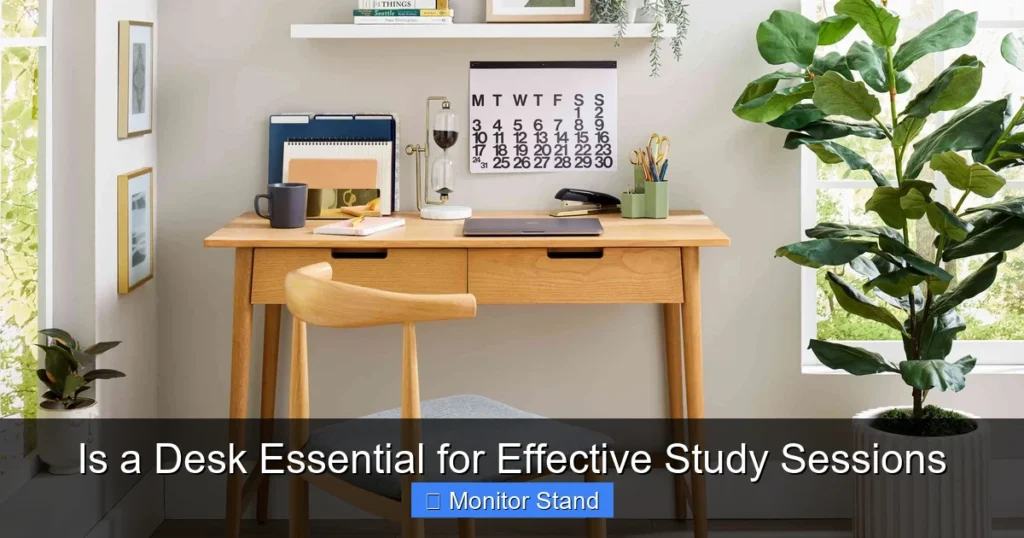
Is a desk strictly necessary for effective studying? Not always. While a dedicated desk offers significant advantages for posture, organization, and mindset, successful study sessions are ultimately about intentionality. This guide helps you evaluate your habits, explore alternatives like dining tables or lap desks, and optimize any space for maximum focus and learning.
Key Takeaways
- Intentionality Trumps Furniture: A designated, distraction-free mindset is more critical than the specific surface. The act of “going to your study spot” primes your brain for focus.
- Ergonomics Are Essential: Long-term study requires support for your back, wrists, and eyes. A proper desk and chair facilitate this, but key principles can be adapted to other surfaces.
- The Desk as a Psychological Tool: A dedicated desk creates a physical boundary between work and leisure, strengthening your study routine and reducing procrastination.
- Viable Alternatives Exist: Dining tables, kitchen counters, lap desks, and standing converters can be effective with proper setup. The goal is a stable, spacious surface at the correct height.
- Customization is Key: Your ideal study space aligns with your learning style. Active learners may need more floor space, while readers might thrive in a cozy chair with a simple lap desk.
- Portability Has Value: For those who study in multiple locations, a mobile “study kit” with a lap desk, headphones, and supplies can maintain consistency without a fixed desk.
- Health and Focus Are Intertwined: Poor posture from studying on a bed or couch can lead to physical discomfort, which directly undermines concentration and retention.
Is a Desk Essential for Effective Study Sessions? A Complete How-To Guide
You’ve got your books, your notes, and your motivation. But as you look around your room, a question pops up: Do I really need to be at a desk to study well? Is your bed, the couch, or the floor just as good? This isn’t just a question about furniture. It’s about productivity, health, and learning psychology.
In this guide, we’ll cut through the noise. We won’t just give you a simple yes or no. Instead, we’ll walk you through a step-by-step process to find your perfect study setup. You’ll learn the science-backed benefits of a traditional desk. You’ll also discover how to adapt those benefits if a desk isn’t an option. By the end, you’ll know exactly how to build a study space—with or without a dedicated desk—that boosts your focus, comfort, and grades.
Step 1: Evaluate Your Current Study Habits and Needs
Before we talk about furniture, let’s talk about you. Your perfect setup depends on how you study.
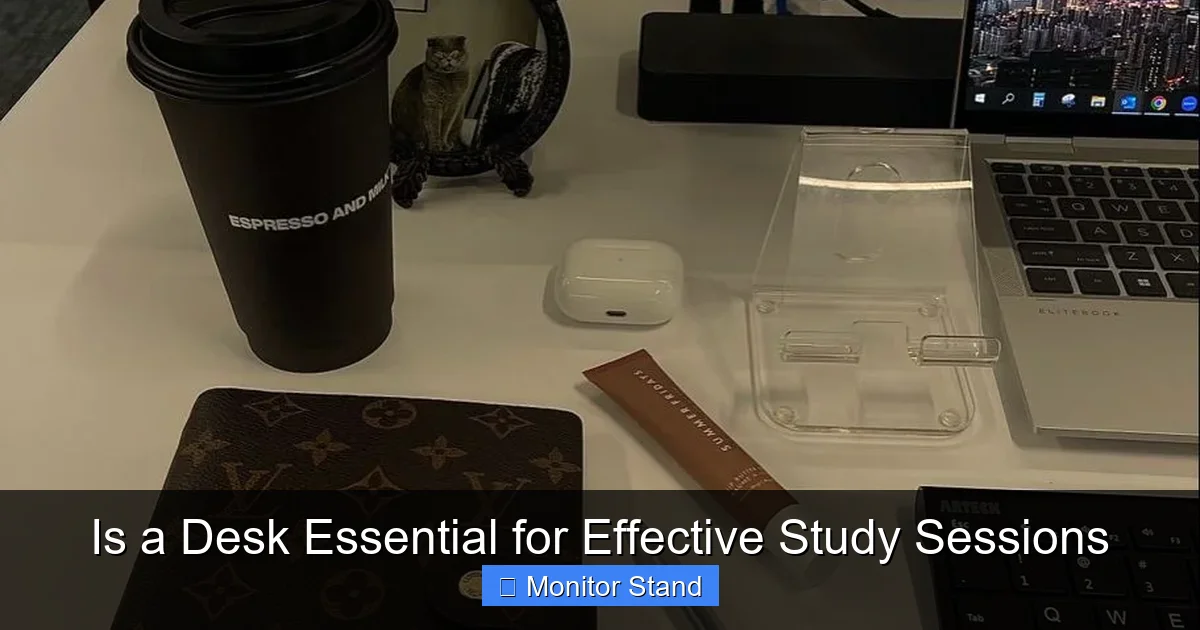
Visual guide about Is a Desk Essential for Effective Study Sessions
Image source: i.pinimg.com
Identify Your Study Activities
Make a quick list of what you actually do when you study. Do you type long essays? Draw complex diagrams? Read dense textbooks? Spread out multiple notepads? An active learner who creates mind maps needs more space than someone reviewing flashcards on a tablet.
Audit Your Physical Comfort
Pay attention to your body during your next study session. Do your neck, shoulders, or back start to ache? Do your wrists feel strained? Do you get eye strain? Discomfort is your body’s way of saying your setup isn’t working. This is the first clue that you might need a more ergonomic solution, like a proper desk and chair.
Track Your Focus Zones
Where do you find it easiest to concentrate? Is it in the quiet corner of your room, at the bustling library, or on the living room floor? Your environment’s “focus potential” is as important as the furniture in it.
Step 2: Understand the Pros and Cons of a Dedicated Study Desk
Let’s break down exactly what a desk brings to the table—and what it might not.
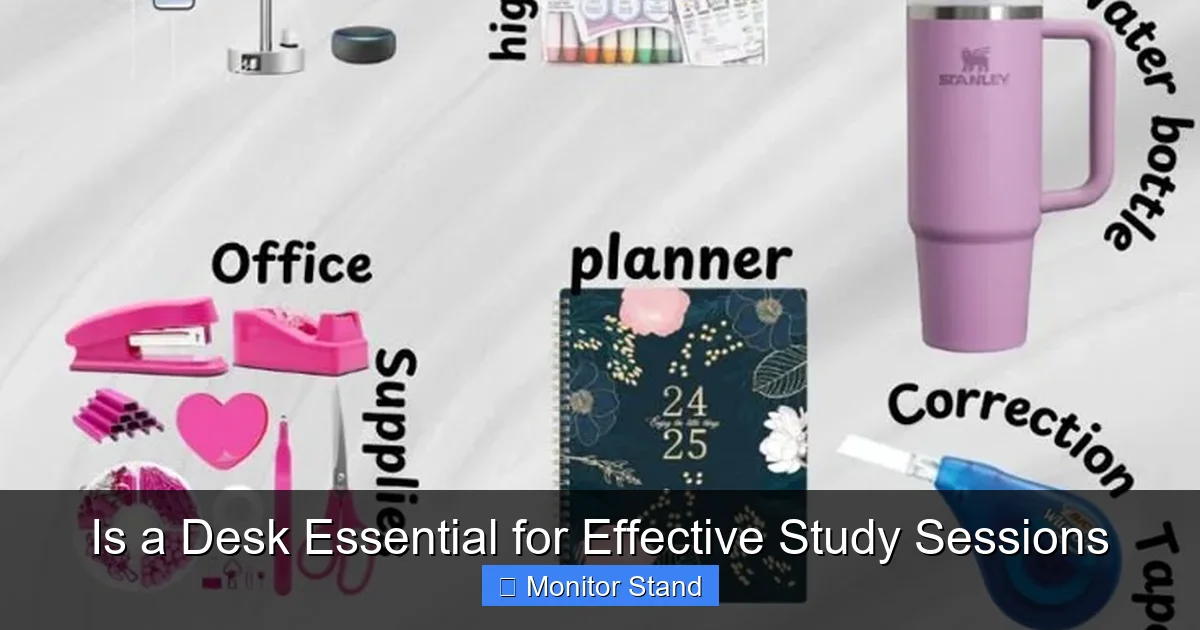
Visual guide about Is a Desk Essential for Effective Study Sessions
Image source: i.pinimg.com
The Powerful Benefits of a Study Desk
A good desk is more than a plank of wood. It’s a productivity engine.
- Ergonomic Foundation: It allows you to set up your monitor at eye level (preventing neck strain) and keep your elbows at a 90-degree angle (preventing wrist strain). This is where a monitor stand becomes a game-changer, elevating your screen to the perfect height.
- Organization and Preparedness: It provides a permanent home for your supplies. This reduces time wasted searching for items and creates a “ready-to-work” environment.
- Psychological Segmentation: This is key. Your brain loves routines and cues. Sitting at your desk signals, “It’s time to focus.” Leaving it signals, “Work is over.” This mental separation is crucial for preventing burnout.
- Minimized Distractions: A personal desk can be curated for focus. You control what’s on it, unlike a shared kitchen table littered with mail and snacks.
The Potential Drawbacks
Desks aren’t perfect for everyone.
- Cost and Space: A quality, ergonomic desk and chair require investment and physical room, which might not be feasible in a small apartment or dorm.
- Perceived Formality: For some, a desk feels too rigid and can stifle creativity or make studying feel like a chore.
- Sedentary Nature: Sitting for hours has known health risks. This is why alternatives like standing desks have become popular.
Step 3: Explore Effective Desk Alternatives
No desk? No problem. Here’s how to hack common spaces for effective study.

Visual guide about Is a Desk Essential for Effective Study Sessions
Image source: thumbs.dreamstime.com
The Dining Table or Kitchen Counter
This is the most common alternative. The key is to transform it temporarily. Use a box or bin to keep all your study supplies together. At study time, bring it to the table, set up, and work. When done, pack it all away. This creates that important “start” and “stop” ritual. Use a towel or stand to adjust your laptop height for better ergonomics.
Lap Desks and Portable Writing Surfaces
A good lap desk is a fantastic investment. Look for one with a hard, smooth surface, a cushioned bottom, and maybe even a phone slot or mousepad. It turns your couch, bed, or floor into a viable workspace. It provides a stable writing surface and protects your legs from laptop heat.
Standing and Adjustable Setups
Use a tall dresser, a kitchen island, or a sturdy shelf as a standing desk. The goal is to have your screen at or just below eye level and your forearms parallel to the floor. An anti-fatigue mat is highly recommended. For a flexible solution, a desktop riser or converter can turn any table into a standing desk.
Non-Traditional Nooks
An armchair with a sturdy side table can be perfect for reading. A wall-mounted fold-down table saves immense space. Even a well-organized closet can become a “study nook.” The principle is to claim a specific, consistent spot.
Step 4: How to Create an Intentional Study Space Anywhere
This is the core of successful studying, desk or no desk. Your space must be intentional.
Dedicate Your “Spot”
Whether it’s the left side of the couch or a specific chair at the dining table, always study there. This repeated association trains your brain to switch into focus mode when you’re in that spot.
Master the Study “Ritual”
Your ritual starts before you sit down. Gather your materials, fill your water bottle, put on your focused playlist, and set a timer. This process tells your brain the fun distraction time is over and deep work is beginning.
Control Your Sensory Environment
Manage what you see, hear, and feel. Use noise-canceling headphones. Ensure your lighting is bright enough to prevent eye strain but not harsh. Keep the temperature comfortable. A small desk lamp can define your space even on a large table.
Step 5: Optimize Ergonomics in Any Setup
Protect your body, and your focus will follow. Here’s how to apply ergonomic principles universally.
The Gold Standard: 90-90-90 Rule
This is the ideal: ankles, knees, and hips all at 90-degree angles. Feet flat on the floor (or on a footrest). Back supported. Your screen’s top should be at or slightly below eye level, about an arm’s length away. A dedicated desk and chair make this easiest, but you can approximate it elsewhere.
Hack Your Height
Laptop too low? Prop it on books, a sturdy box, or a stand. Now your neck is happy. Next, your hands. If the laptop keyboard is now too high, use a separate, external keyboard and mouse. This simple, affordable combo is the single best ergonomic upgrade for any student.
Support Your Body
On a couch or bed, use pillows strategically. Place one behind your lower back for lumbar support. Avoid lying flat or hunching over for long periods. Set a timer to get up, stretch, and walk around every 30-45 minutes, no matter where you’re studying.
Step 6: Maintain and Evolve Your Study Environment
Your needs will change. Your space should, too.
Weekly Reset
Once a week, clear off your surface—be it a desk, table, or lap desk. Wipe it down, reorganize your supplies, and discard any clutter. A clean space promotes a clear mind.
Listen to Feedback (From Your Body and Brain)
If you find yourself consistently avoiding your study spot, ask why. Is it uncomfortable? Too distracting? Use that feedback to tweak your setup. Maybe you need a more comfortable chair, a plant for ambiance, or to face a different direction.
Invest Incrementally
Start with the free fixes (pillows, books as risers). Then, consider small investments in order of impact: an external mouse and keyboard, a quality lap desk, an ergonomic cushion, then a monitor stand or a proper task lamp.
Troubleshooting Common Study Space Problems
Problem: “I get distracted too easily at my desk.”
Solution: Practice “clean desk, clear mind.” Only have out what you need for the current task. Use website blockers. Try the Pomodoro Technique (25 min focus, 5 min break) to build focus stamina.
Problem: “My back hurts no matter where I study.”
Solution: This is a core ergonomic issue. Prioritize lumbar support. Ensure your feet touch the floor. Review the 90-90-90 rule. Consider a visit to a physiotherapist or investing in an ergonomic chair, even if it’s second-hand.
Problem: “I share my space and can’t leave things set up.”
Solution: Embrace the “study in a box” method. A rolling cart, a storage crate, or even a dedicated backpack can hold everything. Your ritual includes unpacking and repacking, which reinforces your study boundaries.
Conclusion: Your Mind is the Ultimate Study Tool
So, is a desk essential for effective study sessions? The answer is nuanced. A well-designed desk is a powerful tool that promotes health, organization, and a focused mindset. It is the most reliable foundation for consistent, long-term study success. However, it is not an absolute requirement.
The true essential is intentionality. It’s the conscious act of creating a dedicated time and a dedicated space—whether that’s a grand home office or a corner of the dining table with a lap desk and a pair of headphones. By applying the principles of ergonomics, psychology, and organization outlined in this guide, you can craft a study environment that works for your life, your body, and your brain. Start where you are. Use what you have. And build a habit of focused learning, one intentional session at a time.