
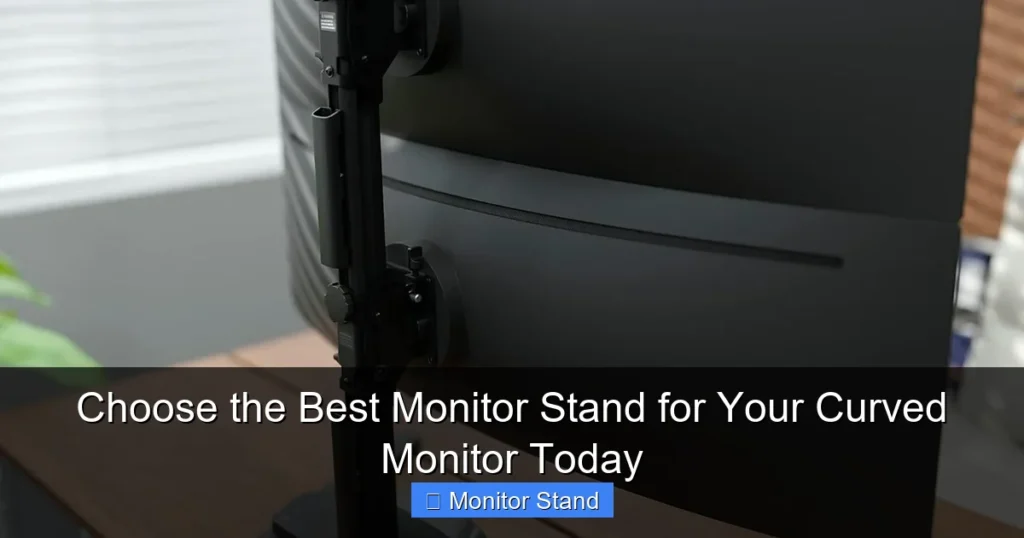
Choosing the right monitor stand for your curved monitor can transform your workspace. This guide walks you through key factors like VESA compatibility, adjustability, and stability to ensure you make the best choice. Follow our step-by-step instructions to enhance your comfort and productivity today.
Key Takeaways
- Compatibility is Key: Always check your monitor’s VESA pattern and weight limits to ensure the stand fits perfectly.
- Ergonomics Matter: Look for height, tilt, and swivel adjustments to reduce strain and improve viewing angles.
- Stability Prevents Wobble: A sturdy base is crucial for curved monitors to avoid shaking and ensure safety.
- Cable Management is a Plus: Integrated cable channels help keep wires tidy and your desk clutter-free.
- Consider Your Desk Space: Choose between clamp, grommet, or freestanding bases based on your desk layout and thickness.
- Additional Features Add Value: Features like USB ports or tool-free installation can enhance convenience and functionality.
- Invest for Long-Term Use: A quality monitor stand for curved monitor is worth the investment for durability and comfort.
Choose the Best Monitor Stand for Your Curved Monitor Today
Hey there! If you own a curved monitor, you know how immersive it can be. But did you know that the right monitor stand can make it even better? A good monitor stand for curved monitor can boost your ergonomics, save space, and improve your overall experience. In this guide, we’ll walk you through everything you need to know. You’ll learn how to pick the perfect stand step by step. Let’s dive in!
Why a Good Monitor Stand Matters for Curved Monitors
Curved monitors are designed to wrap around your vision. This gives you a more natural view. But they can be bulky and heavy. A standard stand might not cut it. A dedicated monitor stand for curved monitor offers better support. It helps you adjust the height and angle. This reduces neck and eye strain. Plus, it frees up desk space. You can organize your cables too. Investing in the right stand is a game-changer.
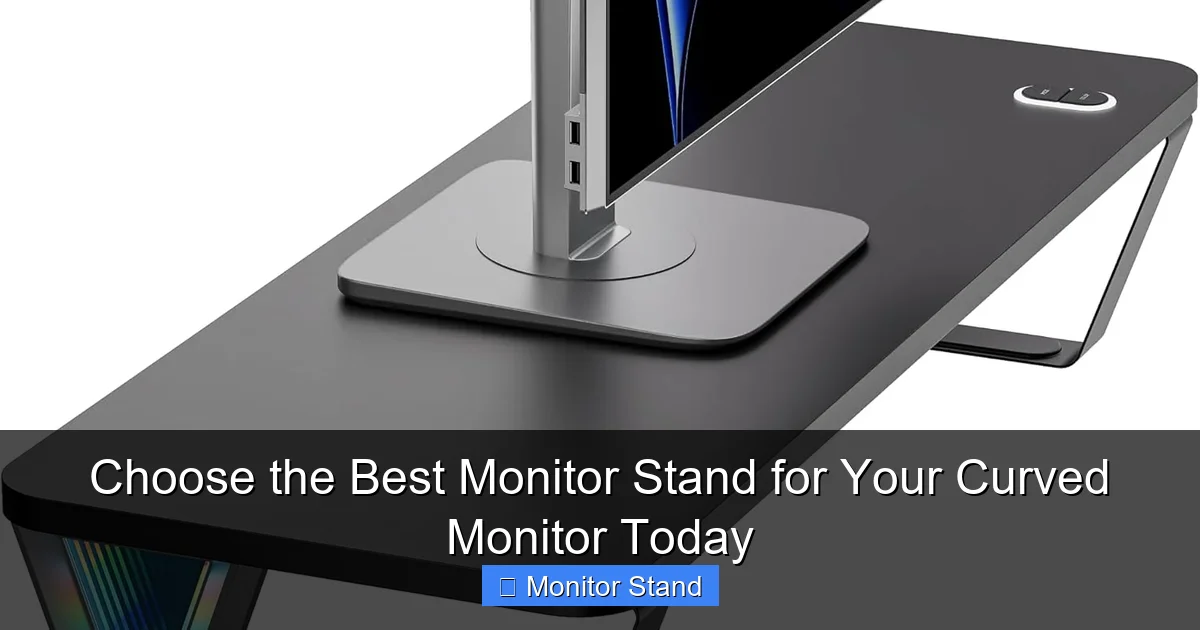
Visual guide about Choose the Best Monitor Stand for Your Curved Monitor Today
Image source: m.media-amazon.com
Step 1: Assess Your Curved Monitor’s Specifications
Before buying a monitor stand, you need to know your monitor’s details. This ensures compatibility and safety.

Visual guide about Choose the Best Monitor Stand for Your Curved Monitor Today
Image source: avlab.com.tw
Check VESA Compatibility
VESA stands for Video Electronics Standards Association. It’s a mounting standard. Most monitors have VESA patterns. These are square holes on the back. They come in sizes like 75×75 mm or 100×100 mm. Your monitor stand must match this pattern. Check your monitor’s manual or look at the back. If it doesn’t have VESA, you might need an adapter. But most curved monitors do have it. Always confirm this first.
Determine Monitor Weight and Size
Weight and size are critical. Curved monitors can be heavier than flat ones. Look at the monitor’s specs for weight. Also, note the screen size in inches. The monitor stand you choose must support this weight and size. Exceeding the limit can cause damage. A good rule is to pick a stand with a higher weight capacity. This adds safety. For example, if your monitor weighs 20 pounds, get a stand that holds 25 pounds or more.
Step 2: Understand Different Types of Monitor Stands
There are several types of monitor stands. Each has pros and cons. Knowing them helps you decide.

Visual guide about Choose the Best Monitor Stand for Your Curved Monitor Today
Image source: i.etsystatic.com
Fixed vs. Adjustable Stands
Fixed stands are simple. They hold your monitor in one position. They are cheap and stable. But they offer no ergonomic benefits. Adjustable stands let you move the monitor. You can change height, tilt, and more. For a curved monitor, adjustable stands are often better. They allow you to find the perfect viewing angle. This reduces glare and strain. So, consider an adjustable monitor stand for curved monitor for flexibility.
Clamp, Grommet, and Freestanding Bases
The base attaches the stand to your desk. Clamp bases attach to the desk edge. They save space and are very stable. But check your desk thickness. Clamps may not fit thick desks. Grommet bases go through a hole in the desk. They are also space-saving. But you need to drill a hole. Freestanding bases sit on the desk. They are easy to install. But they take up more space. Choose based on your desk and needs.
Step 3: Evaluate Ergonomic Features
Ergonomics is about comfort and health. A good monitor stand should help you sit better.
Height Adjustment
Height adjustment is a must. Your eyes should be level with the top of the screen. This prevents neck pain. Look for a stand with smooth height changes. Some use gas springs. Others use mechanical locks. Gas springs are easier to adjust. They are great for frequent changes. Test the range too. It should fit your sitting or standing posture.
Tilt, Swivel, and Rotation
Tilt lets you angle the screen up or down. This helps with glare. Swivel lets you turn the screen left or right. Good for sharing content. Rotation changes from landscape to portrait. Useful for coding or reading. Curved monitors may not rotate well due to their shape. But tilt and swivel are valuable. Ensure the monitor stand for curved monitor offers these features.
Step 4: Consider Stability and Build Quality
Stability is key. A wobbly monitor is annoying and unsafe. Build quality ensures longevity.
Base Design and Materials
The base should be wide and heavy. This prevents tipping. Materials matter too. Metal stands are sturdy. Plastic ones might be lighter but less durable. For curved monitors, a heavy base is best. It counters the monitor’s weight. Look for reinforced joints. They add strength. Read reviews to see if others report wobbling.
Weight Capacity and Durability
Always check the weight capacity. It should exceed your monitor’s weight. Durability comes from quality materials. Aluminum and steel are top choices. They last longer. A good monitor stand for curved monitor might cost more. But it pays off over time. Avoid flimsy stands that could break.
Step 5: Look for Additional Features
Extra features can make your life easier. They add value to your purchase.
Cable Management
Cable management keeps wires organized. Look for stands with built-in channels or clips. This hides cables behind the stand. Your desk looks cleaner. It also reduces tripping hazards. Some stands even have covers to conceal cables. This is a nice touch for a tidy workspace.
USB Hubs and Other Perks
Some monitor stands come with USB hubs. You can connect devices easily. Other perks include tool-free installation. This means no screws or tools needed. Quick-release plates let you remove the monitor fast. Consider what matters to you. These features enhance convenience.
Step 6: Match the Stand to Your Workspace
Your desk and room layout affect your choice. Think about space and style.
Desk Space and Layout
Measure your desk. See how much space you have. Clamp stands are great for small desks. Freestanding ones need more room. Also, consider your monitor setup. Do you have one or multiple monitors? Some stands hold two or three screens. For curved monitors, ensure the stand can handle the curvature. It shouldn’t interfere with other items on your desk.
Aesthetic Considerations
The stand should look good. Match it with your desk’s color and style. Black and silver are common. Some stands have sleek designs. Others are more industrial. Choose what fits your vibe. A nice monitor stand for curved monitor can enhance your desk’s appearance.
Step 7: Installation and Setup
Installation can be simple. Follow these steps to set up your stand safely.
Tools and Preparation
Gather tools. Most stands come with screws and an Allen key. Read the manual first. Clear your desk. Have a friend help if the monitor is heavy. Safety first! Ensure the desk is strong enough to hold the stand.
Step-by-Step Installation Guide
First, attach the mount to your monitor. Use the VESA screws. Tighten them but don’t overdo it. Next, assemble the stand base. Connect the arm if there is one. Then, attach the monitor to the stand. Lift carefully. Finally, adjust the height and angle. Test for stability. Make sure all locks are secure. Enjoy your new setup!
Troubleshooting Common Issues
Sometimes, things don’t go smoothly. Here are fixes for common problems.
Monitor Wobbling
If your monitor wobbles, check the base. Tighten all screws. Ensure the desk is level. Add weight to the base if possible. Sometimes, the stand is not meant for your monitor’s weight. Consider upgrading to a sturdier monitor stand for curved monitor.
Compatibility Problems
If the VESA pattern doesn’t match, use an adapter. You can buy them online. For weight issues, double-check specs. Return the stand if it doesn’t fit. Always verify compatibility before buying.
Installation Difficulties
If installation is hard, watch video tutorials. Ask for help online. Don’t force parts. They should fit easily. Contact customer service if needed.
Conclusion: Elevate Your Setup with the Right Stand
Choosing the best monitor stand for your curved monitor is worth the effort. It improves your comfort, productivity, and desk space. Remember to check compatibility, ergonomics, and stability. Follow the steps in this guide. Take your time to pick the right one. Your neck and eyes will thank you. So, go ahead and upgrade your setup today. Enjoy a better view with a perfect monitor stand for curved monitor!