
In this guide, you will learn how to find the best direction for your study desk that can significantly boost your productivity. By optimizing your workspace layout, you can create an environment that enhances focus and efficiency. Let’s dive in!
Key Takeaways
- Understand Feng Shui: Incorporating principles of Feng Shui can create a harmonious workspace that promotes focus.
- Consider Natural Light: Positioning your desk near windows can improve mood and energy levels.
- Avoid Distractions: Keep your desk away from high-traffic areas to minimize interruptions.
- Monitor Positioning: The right monitor height and angle can reduce strain and improve comfort.
- Personalization Matters: Adding personal touches can motivate and make your workspace more inviting.
- Test and Adjust: Experiment with different desk orientations to see what works best for you.
Find the Best Direction for Study Desk to Boost Productivity
Setting up a study desk might seem straightforward, but the direction you place it in can significantly affect your productivity. In this guide, we will explore various factors to consider when choosing the best position for your study desk, helping you create an ideal workspace that fosters focus and motivation. You’ll learn about the importance of lighting, distractions, and even the principles of Feng Shui. Let’s get started!
Step 1: Understand the Principles of Feng Shui
Feng Shui is an ancient Chinese practice that focuses on creating balance and harmony within spaces. Here are a few key principles to consider:
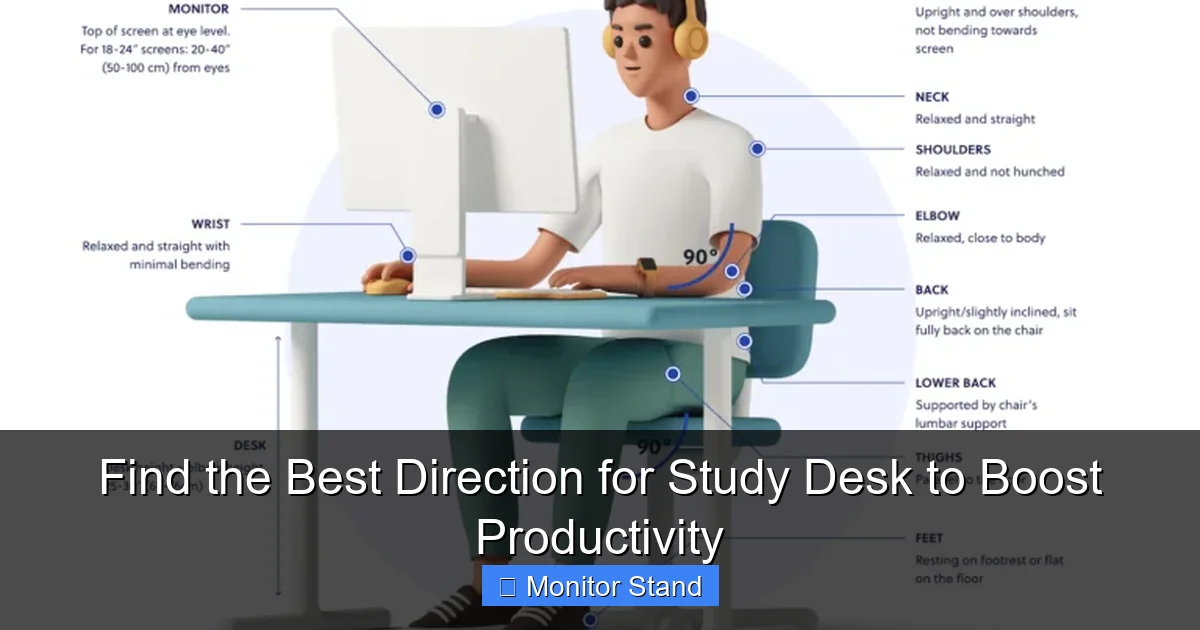
Visual guide about Find the Best Direction for Study Desk to Boost Productivity
Image source: quidlo.com
1.1 The Command Position
In Feng Shui, the command position refers to having a clear view of the door while seated at your desk. This position allows you to feel more secure and in control, which can boost productivity.
1.2 Avoiding Clutter
Ensure your desk is free from clutter. A clean workspace can help reduce stress and improve focus, making it easier to study effectively.
Step 2: Maximize Natural Light
Natural light is known to improve mood and energy levels. Here’s how to make the most of it:

Visual guide about Find the Best Direction for Study Desk to Boost Productivity
Image source: blogassets.leverageedu.com
2.1 Position Near Windows
If possible, set your desk near a window. This allows you to benefit from natural daylight, which can enhance your concentration and overall well-being.
2.2 Use Light-Reflecting Colors
Consider painting the walls in light, reflective colors. This can help maximize the natural light in your workspace, creating a brighter and more inviting environment.
Step 3: Minimize Distractions
To maintain focus while studying, it’s crucial to minimize distractions:
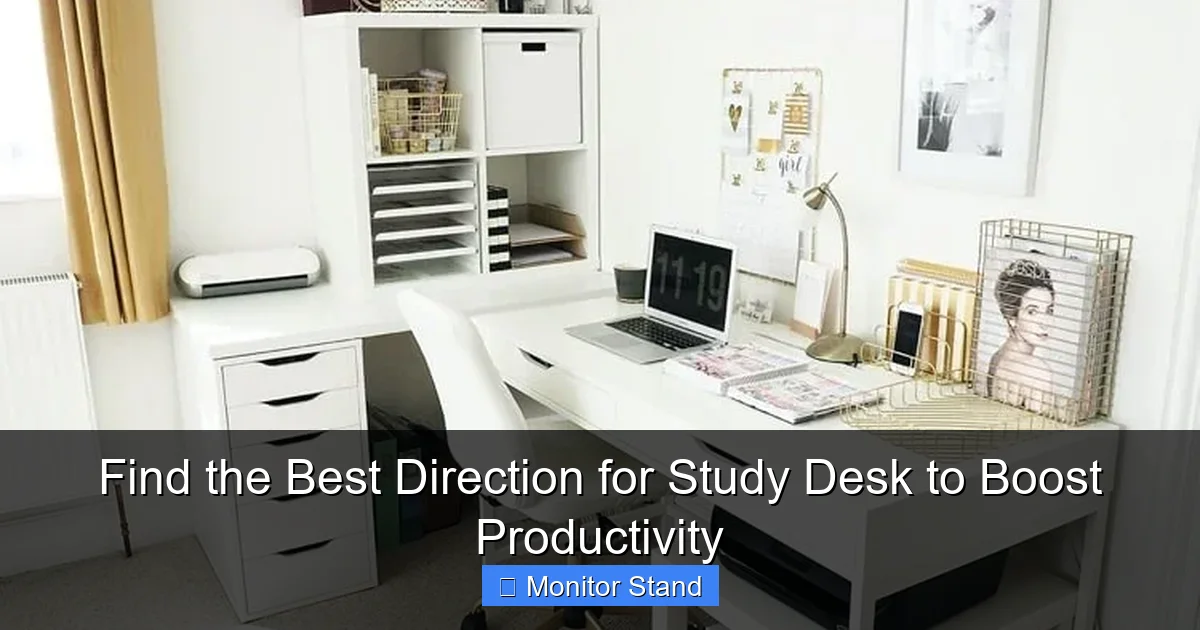
Visual guide about Find the Best Direction for Study Desk to Boost Productivity
Image source: ikeahackers.net
3.1 Identify High-Traffic Areas
Avoid placing your desk in areas with high foot traffic. Positioning your desk in a quieter corner can help you concentrate better.
3.2 Use Room Dividers
If you can’t avoid a busy area, consider using room dividers or plants to create a sense of separation, reducing potential distractions.
Step 4: Optimize Monitor Positioning
Your monitor setup can greatly affect your comfort and productivity:
4.1 Height and Distance
Your monitor should be at eye level to prevent neck strain. Ideally, the screen should be about an arm’s length away from you.
4.2 Angle of the Monitor
Position your monitor slightly tilted back to reduce glare from any light sources. This can help improve visibility and comfort.
Step 5: Personalize Your Workspace
Making your study desk feel comfortable and inviting can enhance your motivation:
5.1 Add Personal Touches
Incorporate items that inspire you, such as photos, artwork, or motivational quotes. Personal touches can create a positive atmosphere, encouraging you to study.
5.2 Use Plants
Adding plants can improve air quality and create a calming environment, making your workspace more enjoyable.
Step 6: Test and Adjust
Finding the perfect desk orientation may take some trial and error:
6.1 Experiment with Different Directions
Try positioning your desk in various directions to see what feels most comfortable and productive for you.
6.2 Seek Feedback
Don’t hesitate to ask friends or family for feedback on your workspace setup. Sometimes, an outsider’s perspective can help you identify areas for improvement.
Troubleshooting Common Issues
If you’re still struggling to find the best direction for your study desk, consider the following solutions:
7.1 If You Feel Distracted
Try repositioning your desk away from distractions. Use noise-canceling headphones if external noise is an issue.
7.2 If You’re Experiencing Discomfort
Evaluate your chair and desk height. Make sure your seating position promotes good posture to reduce discomfort during long study sessions.
Conclusion
Finding the best direction for your study desk can significantly improve your productivity and focus. By considering factors like natural light, minimizing distractions, and following Feng Shui principles, you can create an ideal workspace. Remember, it’s essential to personalize your space and adjust it as needed. The right setup can make all the difference in your study habits and overall performance. Start implementing these tips today and watch your productivity soar!
