
In this guide, you will learn about the importance of a Phase 1 Desk Study for your project. A Phase 1 Desk Study is a crucial step in understanding potential environmental risks and regulatory compliance. Gain insights into its methodology, components, and how it can shape your project’s success.
Key Takeaways
- Definition: A Phase 1 Desk Study assesses potential environmental risks related to a property.
- Importance: It helps identify historical land use and any contamination issues before further investigation.
- Components: Key components include site history, regulatory review, and environmental database searches.
- Process: The study involves collecting data, analyzing findings, and preparing a report.
- Benefits: A thorough desk study can save time, money, and legal trouble in future phases.
- Who Performs It: Typically conducted by environmental consultants or specialists in the field.
- Follow-Up: If issues are identified, further assessments like Phase 2 studies may be required.
Understanding What is a Phase 1 Desk Study for Your Project
When embarking on a new project, especially in construction or land development, understanding the environmental health of the site is critical. A Phase 1 Desk Study is one of the first steps in this journey. In this guide, you will learn what a Phase 1 Desk Study is, why it’s essential, how the process works, and what to expect from it.
What is a Phase 1 Desk Study?
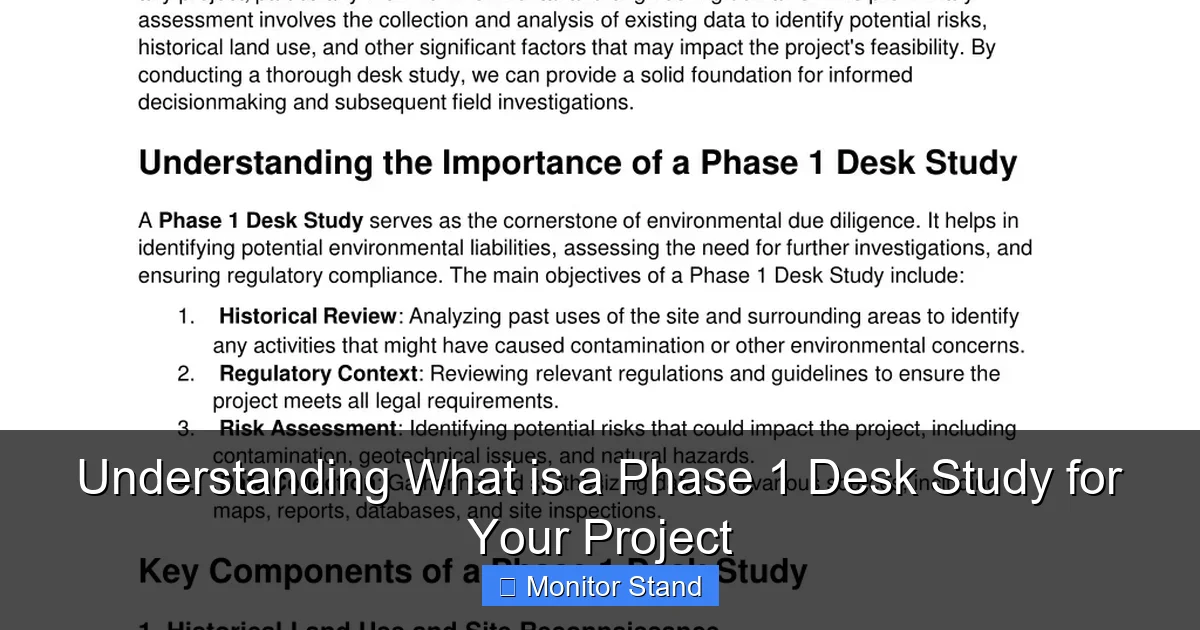
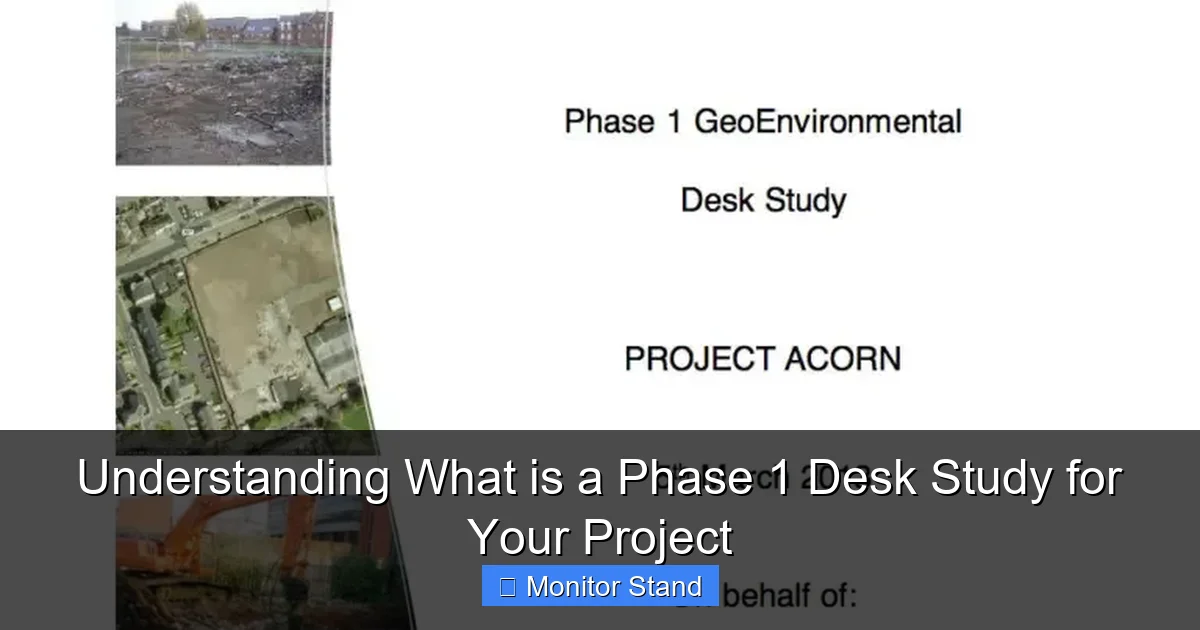
A Phase 1 Desk Study is an initial assessment of a property to identify potential environmental risks or liabilities. This study is crucial for determining if there are any past practices that could have led to contamination. It serves as a preliminary investigation before more detailed assessments, like a Phase 2 Environmental Site Assessment.
Visual guide about Understanding What is a Phase 1 Desk Study for Your Project
Image source: image7.slideserve.com
Why is a Phase 1 Desk Study Important?
Conducting a Phase 1 Desk Study is vital for several reasons:
Visual guide about Understanding What is a Phase 1 Desk Study for Your Project
Image source: earthenvironmental.co.uk
- Risk Management: It identifies potential issues that could affect project viability.
- Regulatory Compliance: Many jurisdictions require a Phase 1 study as part of the permitting process.
- Financial Protection: Early identification of risks can save money on remediation costs later.
- Informed Decision-Making: It helps stakeholders make informed decisions about proceeding with the project.
Components of a Phase 1 Desk Study
The Phase 1 Desk Study typically includes several key components:
Visual guide about Understanding What is a Phase 1 Desk Study for Your Project
Image source: lustreconsulting.com
- Site History: Research into the historical use of the property.
- Regulatory Review: Examination of relevant environmental regulations and compliance history.
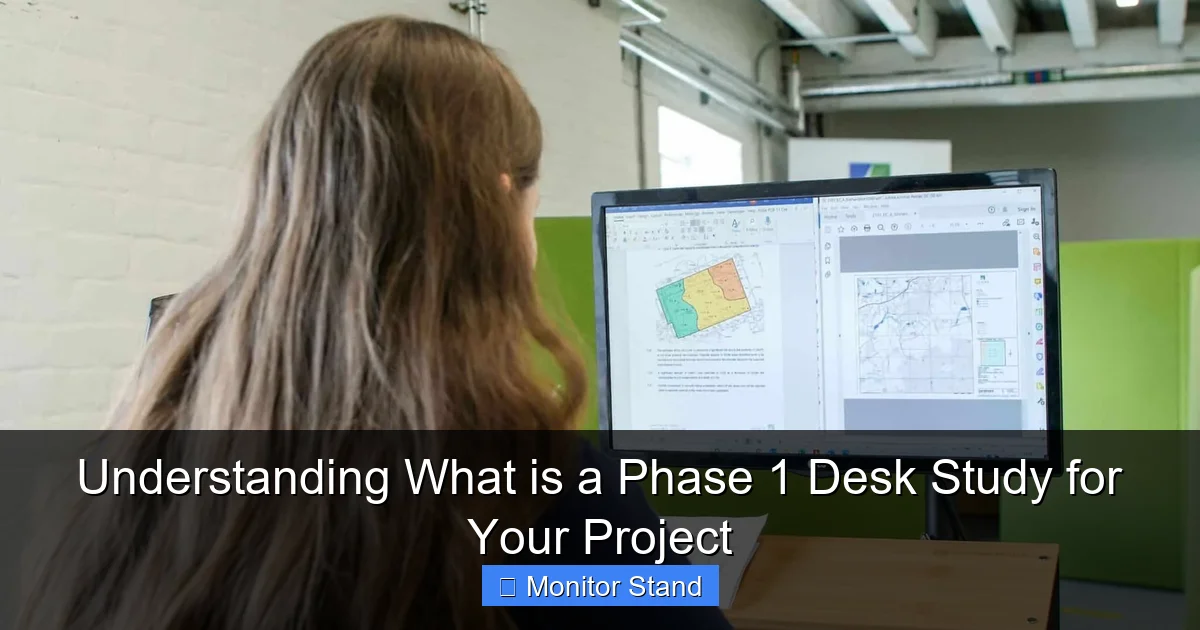
- Environmental Database Searches: Searches for known contamination issues from databases and public records.
- Site Inspection: A visual inspection of the property and surrounding areas.
- Interviews: Conversations with current or former property owners and local residents.
Step-by-Step Instructions for Conducting a Phase 1 Desk Study
Now that you understand the basics, let’s walk through the steps involved in conducting a Phase 1 Desk Study.
Step 1: Gather Preliminary Information
Start by collecting as much preliminary information as possible about the property. This includes:
- Property address and legal description.
- Current and previous owners’ names.
- Historical land use records.
- Any available maps or photographs of the site.
Step 2: Conduct Historical Research
Research the historical use of the property. Look into:
- City directories.
- Sanborn fire insurance maps.
- Local government records.
- Previous environmental reports.
This information will help identify if the property has been used for activities that could lead to contamination.
Step 3: Perform a Regulatory Review
Examine environmental regulations that pertain to the property. This includes:
- Reviewing local, state, and federal environmental laws.
- Checking for any historical violations or clean-up requirements.
- Assessing the property’s compliance status.
Step 4: Conduct Environmental Database Searches
Search environmental databases for records of contamination. This can include:
- Federal and state databases.
- Local hazardous waste sites.
- Underground storage tank registrations.
These searches will help identify any known issues that could affect your project.
Step 5: Perform a Site Inspection
Conduct a physical inspection of the site. Look for:
- Signs of contamination (e.g., stained soil, strong odors).
- Presence of underground storage tanks or waste disposal sites.
- Conditions of surrounding properties that could impact your site.
Step 6: Conduct Interviews
Speak with individuals who have knowledge about the site. This can include:
- Current and former property owners.
- Local residents.
- Local government officials.
Gathering anecdotal evidence can provide insights into past uses or issues.
Step 7: Compile Findings into a Report
Once you have gathered all the data, compile your findings into a comprehensive report. This report should include:
- A summary of the property’s history.
- Results of environmental database searches.
- Observations from the site inspection.
- Conclusions and recommendations for further action.
Practical Tips for a Successful Phase 1 Desk Study
To ensure a successful Phase 1 Desk Study, consider the following tips:
- Engage Professionals: Hiring an experienced environmental consultant can simplify the process.
- Stay Organized: Keep all records and documents well-organized for easy reference.
- Communicate: Maintain open communication with stakeholders throughout the process.
- Be Thorough: Don’t overlook any aspect of the study; detail is crucial.
Troubleshooting Common Issues
While conducting a Phase 1 Desk Study, you may encounter some common issues, such as:
- Incomplete Records: If you find incomplete property records, contact local archives or historical societies for assistance.
- Resistance from Interviewees: Some people may be hesitant to share information; consider providing reassurances about confidentiality.
- Limited Access to Property: If access is restricted, document your attempts and seek alternative information sources.
Conclusion
A Phase 1 Desk Study is an essential tool for anyone involved in property development or management. It helps identify potential environmental risks and guides informed decision-making. By understanding the components and process of a Phase 1 Desk Study, you can ensure that your project starts on the right foot. Remember, knowledge is power, and being proactive about environmental assessments can save time, money, and headaches down the line.