
Are walking desks worth it? In this guide, we explore the advantages and disadvantages of walking desks, discussing how they can impact your health and productivity. You’ll learn practical tips on how to integrate them into your daily routine effectively.
Key Takeaways
- Point 1: Walking desks can reduce sedentary time, potentially lowering the risk of chronic diseases.
- Point 2: They may improve productivity by enhancing focus and energy levels throughout the day.
- Point 3: Incorporating walking desks requires gradual adjustment to avoid fatigue or discomfort.
- Point 4: A mix of sitting and walking is often more beneficial than exclusively using one style.
- Point 5: Proper footwear and desk height adjustment are crucial for an effective walking desk experience.
- Point 6: Walking desks can promote better posture and reduce back pain when used correctly.
- Point 7: They can be a fun way to incorporate movement into your workday, making it less monotonous.
Are Walking Desks Worth It for Your Health and Productivity?
In today’s world, many people find themselves sitting for extended periods while working. This sedentary lifestyle can lead to numerous health issues, including obesity, heart disease, and poor posture. To combat this, walking desks have emerged as a popular alternative. In this guide, we will explore the benefits and drawbacks of walking desks, helping you determine if they are worth it for your health and productivity.
What Is a Walking Desk?
A walking desk, also known as a treadmill desk, allows you to work while walking at a slow pace. This innovative piece of equipment combines the benefits of physical activity with the efficiency of desk work. Let’s break down how you can effectively use a walking desk.
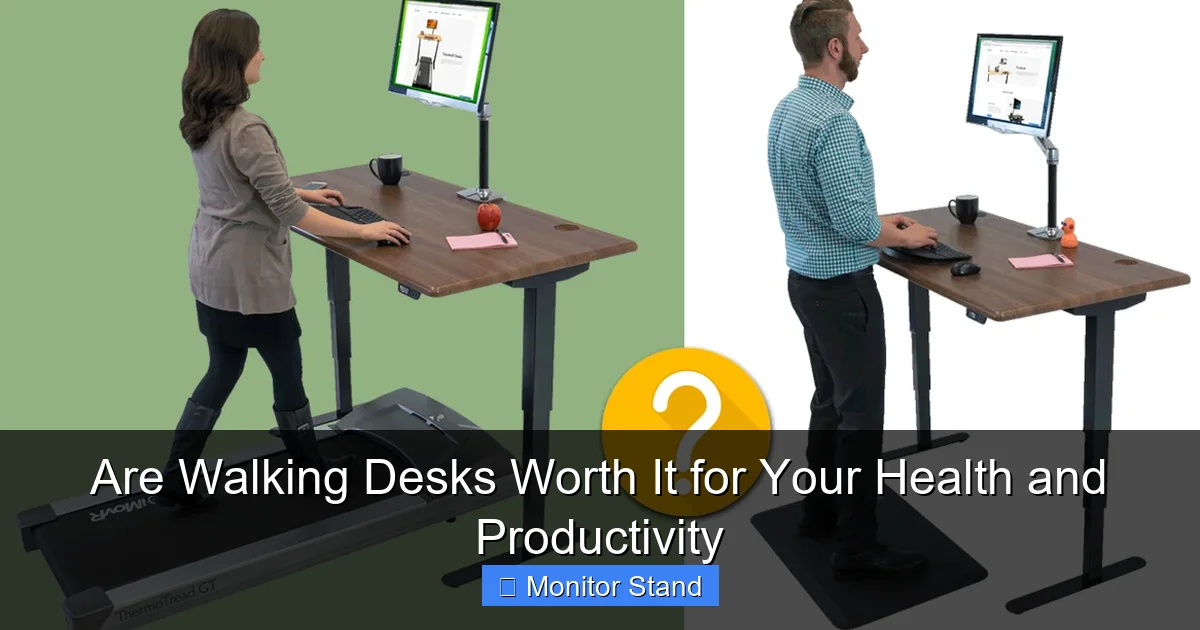
Visual guide about Are Walking Desks Worth It for Your Health and Productivity
Image source: workwhilewalking.com
Benefits of Walking Desks
Walking desks offer several health and productivity benefits that make them appealing to many users. Here are some key advantages:

Visual guide about Are Walking Desks Worth It for Your Health and Productivity
Image source: active-station.com
1. Reduces Sedentary Time
One of the primary benefits of walking desks is their ability to reduce the amount of time you spend sitting. Studies have shown that prolonged sitting is linked to various health risks, including obesity and heart disease. By incorporating walking into your work routine, you can combat these risks.
2. Boosts Energy Levels
Using a walking desk can help increase your energy levels. Movement stimulates blood flow, which can invigorate your mind and body. Many users report feeling more alert and focused while walking.
3. Improves Mood
Physical activity is known to release endorphins, which can enhance your mood. By walking while you work, you may experience reduced stress and anxiety, leading to a more positive work environment.
4. Enhances Productivity
Studies suggest that light physical activity, like walking, can improve cognitive function. Many users find they can concentrate better and accomplish more tasks when using a walking desk.
How to Integrate a Walking Desk into Your Routine
Integrating a walking desk into your daily routine can be a game-changer. Here’s how to do it effectively:

Visual guide about Are Walking Desks Worth It for Your Health and Productivity
Image source: active-station.com
Step 1: Choose the Right Desk
Select a walking desk that fits your needs. Look for features like adjustable height, speed settings, and stability. You want a desk that allows you to switch between walking and standing comfortably.
Step 2: Start Slow
When first using a walking desk, start with short walking sessions. Aim for 10-15 minutes at a slow pace. Gradually increase your walking time as your body adjusts.
Step 3: Adjust Your Setup
Make sure your desk is at the correct height. Your elbows should be at a 90-degree angle while typing. Also, ensure your screen is at eye level to prevent neck strain.
Step 4: Invest in Good Footwear
Wearing supportive shoes is essential. Avoid flip-flops or high heels; instead, opt for sneakers or walking shoes that provide cushioning and support.
Step 5: Alternate Between Walking and Sitting
It’s important to find a balance. Use your walking desk for part of the day, and switch to a regular desk for the rest. This prevents fatigue and allows your body to recover.
Step 6: Stay Hydrated
Walking can make you sweat, so keep a water bottle nearby. Hydration is key to maintaining energy levels and overall health.
Step 7: Listen to Your Body
If you feel discomfort or fatigue, take a break or sit down. It’s crucial to pay attention to your body’s signals to avoid injury.
Tips for Maximizing Your Walking Desk Experience
Here are some additional tips to make the most out of your walking desk:
- Set Goals: Establish daily walking goals to keep yourself motivated.
- Add Variety: Change your walking speed and incline to engage different muscle groups.
- Use a Timer: Set a timer to remind yourself to switch between walking and sitting.
- Incorporate Stretching: Take short breaks to stretch and prevent stiffness.
- Engage with Colleagues: Use walking meetings to discuss ideas while moving.
Potential Drawbacks of Walking Desks
While walking desks offer numerous benefits, they are not without their drawbacks. Here are some potential downsides to consider:
1. Initial Discomfort
Some users may experience discomfort or fatigue when transitioning to a walking desk. It’s important to start slowly and listen to your body.
2. Distraction
Walking while working may be distracting for some people. It can be challenging to focus on tasks that require intense concentration while in motion.
3. Space Considerations
Walking desks can take up more space than traditional desks. Ensure you have enough room in your workspace to accommodate the desk and your walking motion.
4. Cost
Walking desks can be more expensive than regular desks. Consider your budget and whether the investment aligns with your health and productivity goals.
Conclusion
So, are walking desks worth it? The answer largely depends on your personal needs and work habits. Walking desks can provide significant health benefits and improve productivity, but they may require an adjustment period. By integrating a walking desk into your daily routine thoughtfully, you can enjoy the advantages while minimizing potential drawbacks. If you’re looking to reduce sedentary time and increase your energy levels, a walking desk might be a worthwhile investment.