
In this guide, you will learn about the right time for kids to have a study desk and how it can enhance their learning success. Providing a dedicated space fosters focus and organization. Discover practical tips for choosing the perfect study desk for your child.
Key Takeaways
- Age Milestones: Children typically benefit from a study desk around ages 6-7 when they begin formal education.
- Focus and Organization: A dedicated study space helps children concentrate better and organize their study materials.
- Encouraging Independence: A study desk promotes self-directed learning and responsibility in kids.
- Health Considerations: Ergonomic desks can prevent postural issues and promote comfort during study sessions.
- Personalization: Allowing kids to personalize their study space fosters ownership and pride in their learning environment.
- Parental Involvement: Parents can enhance the study experience by helping set up the desk and encouraging regular study habits.
- Adaptability: Choose a desk that can grow with your child, accommodating their changing needs as they progress through school.
When Do Kids Need a Study Desk for Better Learning Success
Every parent wants their child to succeed academically, and one component of that success is having a conducive learning environment. In this guide, we will explore when children need a study desk, the benefits of having one, and how to create a productive study space tailored to their needs. You will learn about age milestones, the importance of focus, health considerations, and much more.
Understanding the Need for a Study Desk
As children grow, their learning requirements evolve. A study desk becomes increasingly important as they begin formal education. But when exactly do kids need a study desk? Let’s dive into the various stages of childhood development and when a dedicated study space becomes essential.

Visual guide about When Do Kids Need a Study Desk for Better Learning Success
Image source: i5.walmartimages.com
Age Milestones
Most children need a study desk around the age of 6 or 7. At this age, they start formal schooling and encounter more homework and projects that require a focused learning environment. Here’s a breakdown of key ages:
- Age 6-7: This is often when kids start their first grade. They will have homework and need a space to complete it.
- Age 8-10: As they transition into upper elementary school, assignments become more complex, requiring a dedicated area for study.
- Age 11-13: Middle school brings increased workload and projects, making a study desk critical for organization and focus.
- Age 14-18: High school students benefit from a study desk that accommodates more significant workloads and study sessions.
Benefits of Having a Study Desk
Now that we understand when kids need a study desk, let’s explore the benefits:
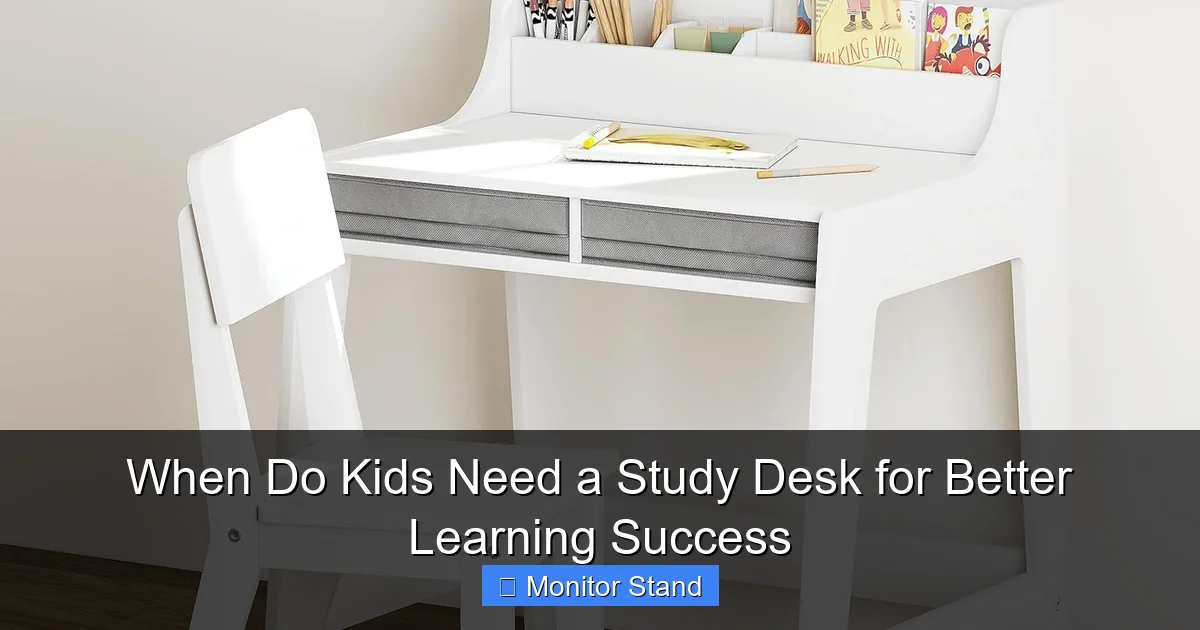
Visual guide about When Do Kids Need a Study Desk for Better Learning Success
Image source: m.media-amazon.com
Focus and Organization
A study desk provides a designated spot for children to focus on their homework and projects. It helps separate study time from playtime, allowing for better concentration. Here are some ways it enhances organization:
- Defined Space: A specific area for studying can help children mentally prepare for learning.
- Storage Solutions: Desks often come with drawers and compartments, helping to keep materials organized.
- Minimizing Distractions: A clutter-free desk can reduce visual distractions, allowing for better focus.
Encouraging Independence
Having their own study desk fosters independence in children. They learn to manage their study time and materials, which builds responsibility. Here are some ways this independence manifests:
- Self-Directed Learning: Kids can take the initiative to start their homework without needing parental prompts.
- Time Management: They can learn to allocate their time effectively between different subjects.
- Problem-Solving Skills: Working independently encourages kids to find solutions to challenges on their own.
Health Considerations
Choosing an ergonomic study desk is vital for your child’s physical health. Proper posture while studying can prevent discomfort and long-term health issues. Consider these tips:
- Height-Adjustable Desks: Opt for desks that can adjust to your child’s height as they grow.
- Comfortable Seating: Invest in a good chair that supports proper posture.
- Encourage Breaks: Remind kids to take breaks to stretch and avoid fatigue.
Personalization
Encouraging your child to personalize their study desk can enhance their enthusiasm for studying. Here’s how personalization plays a role:
- Decorative Items: Allow children to add their favorite posters, photos, or stationery.
- Organizational Tools: Use bins, folders, or labels that reflect their interests.
- Colors and Themes: Let them choose colors or themes that inspire them to study.
Setting Up the Perfect Study Desk
Once you decide it’s time for a study desk, the next step is setting it up. Here’s a step-by-step guide:
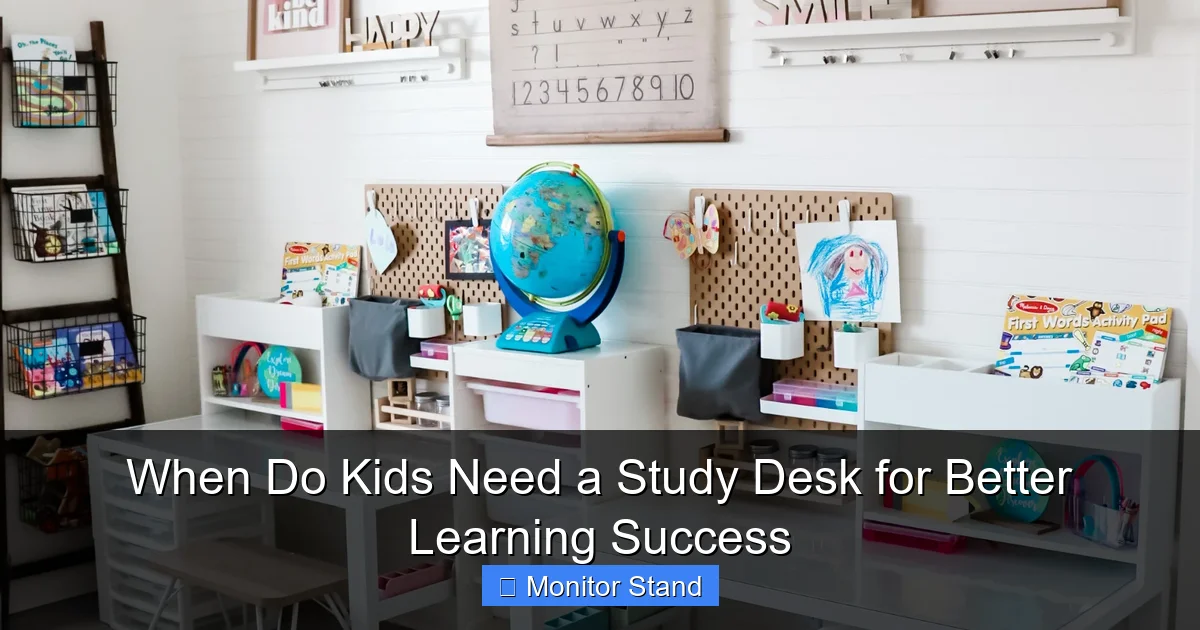
Visual guide about When Do Kids Need a Study Desk for Better Learning Success
Image source: ohhappyplay.com
Step 1: Choose the Right Location
Finding the right spot for the study desk is crucial. Consider the following:
- Natural Light: A well-lit area can enhance focus and reduce eye strain.
- Quiet Environment: Choose a spot away from distractions like TV or noisy siblings.
- Accessibility: The desk should be easily accessible for your child to use regularly.
Step 2: Select the Right Desk
When selecting a desk, consider the following features:
- Size: Ensure the desk fits well in the chosen location without overcrowding.
- Storage: Look for desks with built-in storage for books and supplies.
- Ergonomics: Make sure the desk height is appropriate for your child’s age and height.
Step 3: Organize Study Materials
Help your child organize their study materials effectively:
- Use Binders: Encourage the use of binders for different subjects to keep notes organized.
- Label Everything: Label folders, drawers, and bins for easy access.
- Keep Essentials Handy: Store frequently used items like pens, pencils, and notebooks within reach.
Step 4: Create a Study Routine
Establishing a study routine can help your child develop good habits:
- Set a Schedule: Designate specific times for homework and studying.
- Mix It Up: Incorporate different subjects to keep things fresh and interesting.
- Include Breaks: Plan short breaks to recharge during study sessions.
Troubleshooting Common Issues
Even with the best intentions, you may run into challenges. Here are some common issues and how to address them:
Issue 1: Distractions
If your child is easily distracted, consider minimizing clutter on the desk and limiting noise in the area. Use headphones for music if it helps them focus.
Issue 2: Resistance to Study
Encourage your child by incorporating fun study tools like colorful stationery or educational games. Make studying a positive experience.
Issue 3: Poor Posture
Regularly check your child’s posture and remind them to sit up straight. Adjust the desk height or chair as needed to ensure comfort.
Conclusion
Establishing a study desk is a significant step in fostering better learning success for your child. As they grow, having a dedicated space tailored to their needs will not only enhance focus and organization but also encourage independence and responsibility. Remember to involve your child in the selection and personalization of their study desk to create an environment they will love. With the right setup, you can help pave the way for their academic success.
