
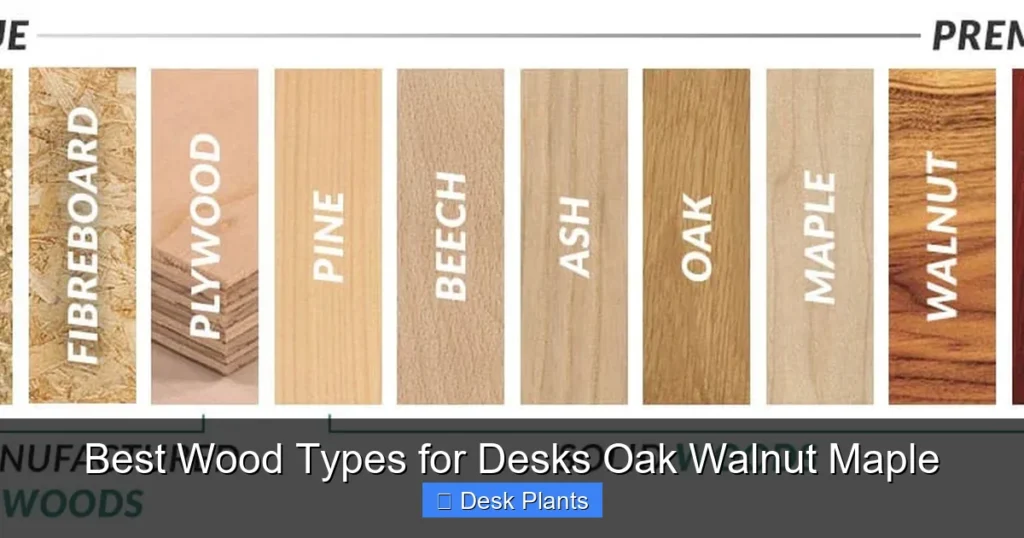
Choosing the right wood for your desk is crucial for both aesthetics and longevity. This guide breaks down the pros, cons, and best uses for popular hardwoods like Oak, Walnut, and Maple, as well as other solid woods and engineered options. You’ll learn how to select the perfect material based on your budget, style, and needs to create a functional and beautiful workspace.
Key Takeaways
- Hardwoods Reign Supreme: For durability and beauty, hardwoods like oak, walnut, and maple are top choices, each offering unique grain patterns and strength.
- Oak is the Classic Workhorse: Known for its prominent grain and extreme durability, oak is a versatile and often affordable hardwood perfect for heavy-use desks.
- Walnut Offers Luxe Sophistication: With its rich, dark chocolate hues and straight grain, walnut is a premium choice for a high-end, executive desk aesthetic.
- Maple Provides Modern Brightness: Its light color, subtle grain, and exceptional hardness make maple ideal for clean, contemporary, and craft-oriented workspaces.
- Consider Engineered Alternatives: High-quality plywood or MDF with veneer can provide stability and a wood-like appearance at a more accessible price point.
- Finish Defines Function: The right sealant (e.g., polyurethane, oil) protects your desk from spills, scratches, and wear, extending its life dramatically.
- Match Wood to Your Usage: Assess your needs—heavy computer gear, crafting, writing—to choose a wood with the appropriate hardness, weight capacity, and visual tone.
Best Wood Types for Desks: Oak, Walnut, Maple & Beyond
Building or buying a new desk? The type of wood you choose is the most important decision. It decides how your desk looks, how long it lasts, and how it fits your daily life. This guide will walk you through the best wood for desks. We will focus on the top three: oak, walnut, and maple. You will also learn about other great options. By the end, you’ll know exactly how to pick the perfect wood for your dream desk.
Step 1: Understanding Wood Basics for Desks
Before we dive into specific types, let’s cover some key ideas. This will help you make a smarter choice.
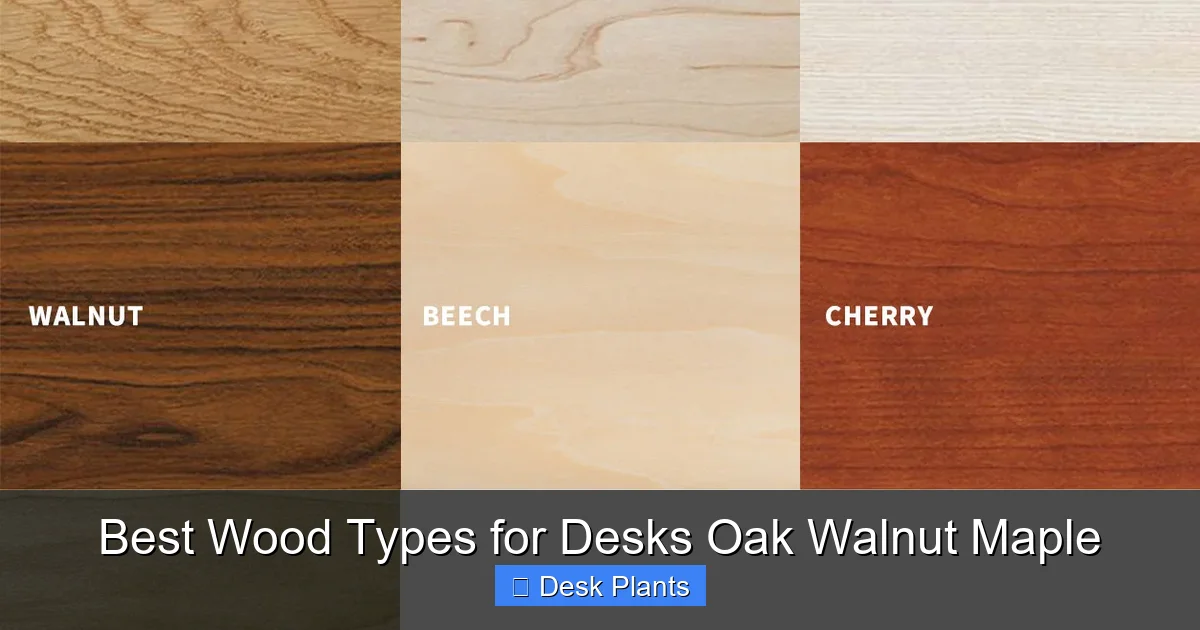
Visual guide about Best Wood Types for Desks Oak Walnut Maple
Image source: charliecaffynfurniture.co.uk
Hardwood vs. Softwood
For desks, you almost always want hardwood. Hardwoods come from deciduous trees (trees that lose leaves). They are denser, harder, and more durable. Oak, walnut, and maple are all hardwoods. Softwoods, like pine or cedar, come from coniferous trees. They are softer and more prone to dents and scratches. They can be used for desks but require more care.
Grain, Color, and Character
The grain is the wood’s natural pattern. Color ranges from very light to very dark. “Character” includes knots, mineral streaks, and other natural marks. Some people love a rustic look with lots of character. Others prefer a clean, uniform appearance. Think about the style of your room.
Solid Wood vs. Engineered Wood
Solid wood is exactly what it sounds like: a slab from a tree. It’s strong, can be refinished many times, and has natural beauty. Engineered wood (like plywood or MDF) is made from wood fibers and layers. It is very stable (resists warping) and is often cheaper. A high-quality plywood with a real wood veneer can be an excellent desk top.
Step 2: Evaluating the Top Three Hardwoods
Let’s get into the stars of the show. These three woods are the most popular and reliable choices for a quality desk.
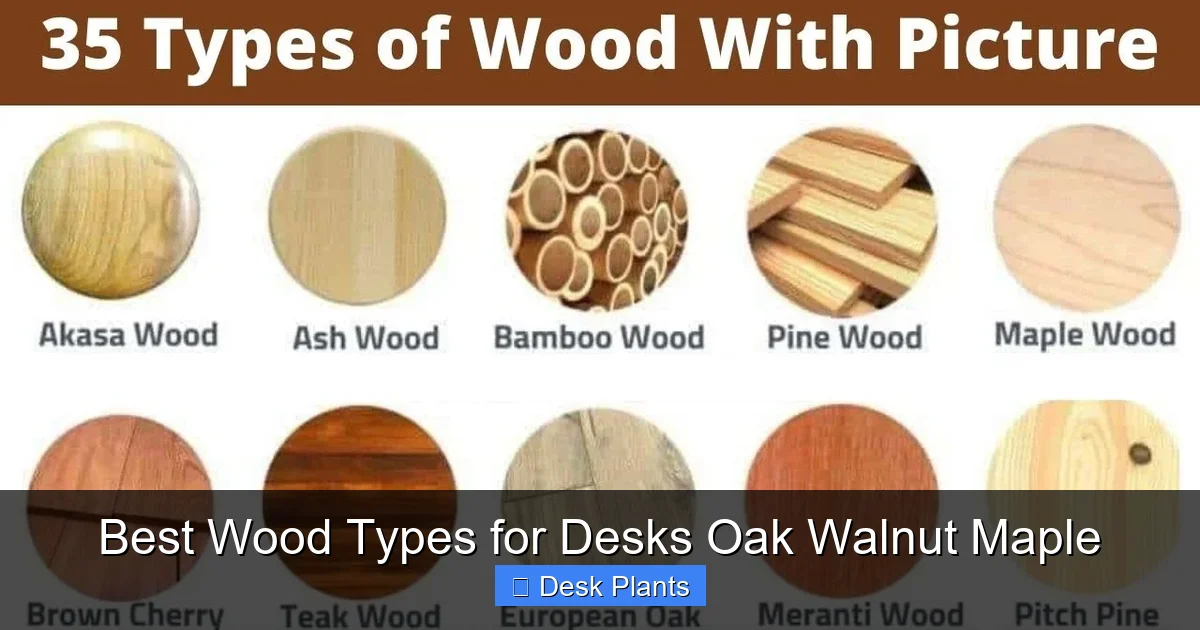
Visual guide about Best Wood Types for Desks Oak Walnut Maple
Image source: i.ytimg.com
Oak: The Durable Classic
Oak is a fantastic all-rounder. It’s known for its strength and striking grain.
Pros:
- Extremely Durable: It has a high Janka hardness score (rating for resistance to dents). It can handle heavy monitors, elbows, and daily wear.
- Prominent Grain: The bold, open grain pattern (especially in red oak) has a traditional, timeless look.
- Good Value: It’s often more affordable than other premium hardwoods like walnut.
- Takes Stain Well: You can easily change its color from natural light to a darker stain.
Cons:
- Grain Can Be Porous: The open grain may require a wood filler for a perfectly smooth finish.
- Heavy: A solid oak desk will be very substantial and hard to move.
Best For: Home offices, gaming stations, and traditional or rustic styles. It’s a workhorse.
Walnut: The Rich and Premium Choice
Walnut is the luxury option. It screams elegance and quality.
Pros:
- Stunning Color: Its natural color is a deep, warm brown, sometimes with purple or grey undertones. It’s gorgeous.
- Straight, Fine Grain: The grain is usually straighter and more consistent than oak, giving a sleek appearance.
- Hard and Stable: It is durable and less prone to movement with humidity changes than some woods.
Cons:
- Expensive: It is typically the most costly of the three main options.
- Can Darken Over Time: When exposed to light, it naturally lightens slightly, which some people should know.
Best For: Executive offices, minimalist modern spaces, and statement pieces where budget is less of a concern.
Maple: The Hard and Bright Modernist
Maple is incredibly hard and has a clean, bright look.
Pros:
- Extreme Hardness: Hard maple has one of the highest Janka ratings. It is very resistant to dents and scratches.
- Light, Subtle Grain: Its pale cream color and often subtle, curly grain work well in modern, Scandinavian, or craft spaces.
- Smooth Finish: Its tight, closed grain allows for a glass-like, ultra-smooth finish.
Cons:
- Can Be Pricey: While often less than walnut, high-quality hard maple is not cheap.
- Difficult to Stain Evenly: Its density can cause blotchiness with dark stains. It’s often best with a clear coat.
Best For: Artist studios, craft rooms, bright and airy home offices, and mid-century modern furniture.
Step 3: Considering Other Excellent Wood Choices
Beyond the big three, other woods can make amazing desks.
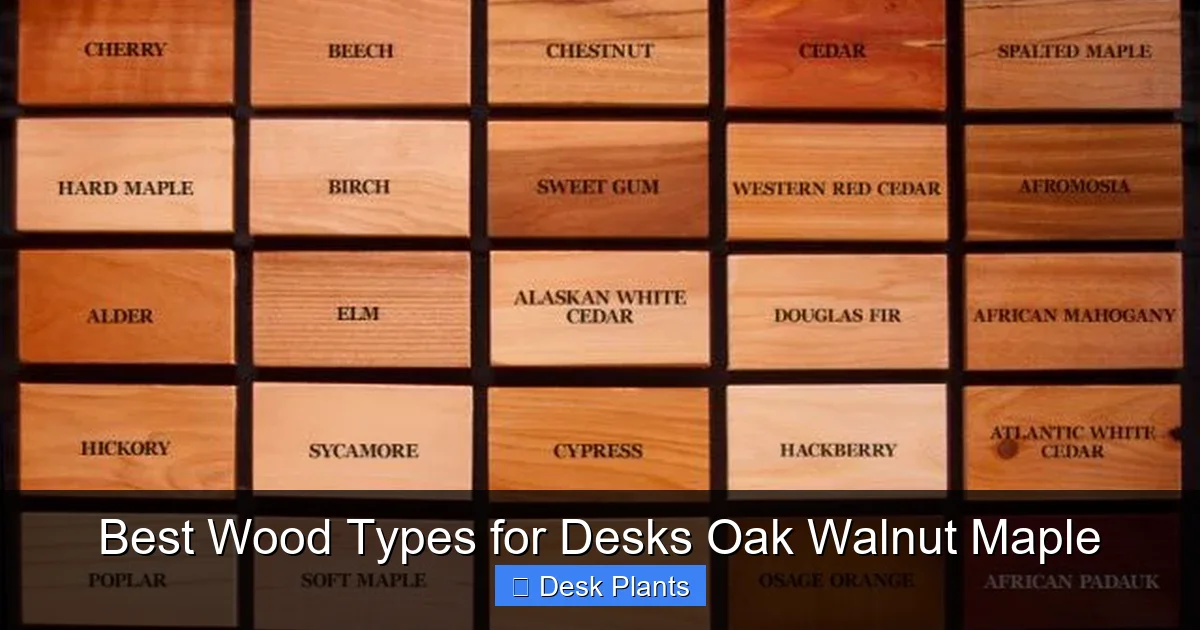
Visual guide about Best Wood Types for Desks Oak Walnut Maple
Image source: i.pinimg.com
Cherry
Cherry is beautiful and ages wonderfully. It starts a light pinkish-brown and deepens to a rich reddish patina over years. It’s moderately hard and has a smooth grain. It’s a premium, warm choice.
Ash
Ash is similar to oak in hardness and grain but is often lighter in color (pale blonde). It’s very tough and resilient, making it great for a sturdy desk. It’s a good alternative to oak.
Teak
Teak is a superstar for durability. Its natural oils make it highly resistant to water, warping, and rot. It has a golden-brown color. It’s very expensive but could be worth it for a lifelong heirloom piece.
High-Quality Plywood with Veneer
Don’t overlook this! A good Baltic birch plywood with a real oak, walnut, or maple veneer offers incredible stability (no warping), is lighter, and is more budget-friendly. The surface looks like solid wood.
Step 4: How to Choose the Right Wood for Your Needs
Now, let’s put it all together. Follow these sub-steps to make your final decision.
Assess Your Budget
Be realistic. Solid walnut is an investment. If funds are limited, consider oak or a veneered plywood. Remember to factor in the cost of finishing materials or professional construction.
Define Your Style
Look at your room. Is it modern? Choose maple or walnut with a simple design. Is it farmhouse? Oak is perfect. Is it mid-century? Walnut or teak are classic choices.
Consider Your Use Case
- Heavy Tech User: You need a very hard, stable wood like maple or oak to hold multiple monitors.
- Writer or Student: You might value a warmer, softer surface. Cherry or a lighter oak could be lovely.
- Craftsperson: You need a dent-resistant surface. Maple is the top choice here.
Think About Maintenance
Do you want to baby your desk or not worry? Oiled finishes need more upkeep. A thick polyurethane finish on an oak desk is almost bulletproof. Dark woods like walnut show dust more easily than light woods like maple.
Step 5: Essential Tips for a Lasting Wood Desk
Your choice doesn’t end with the wood. Protection is key.
Choosing the Right Finish
The finish seals and protects the wood.
- Polyurethane: Very durable, plastic-like coating. Great for high-use areas. Comes in satin, semi-gloss, gloss.
- Hardwax Oil: (e.g., Osmo). Soaks into wood, protects from within, feels natural. Easier to spot-repair.
- Lacquer: Very hard, professional finish. Often sprayed on.
- Tung or Danish Oil: Enhances grain, feels great, but offers less physical protection. Needs reapplication.
Daily Care and Protection
- Always use coasters for drinks.
- Use a desk pad or blotter for writing.
- Dust regularly with a soft, dry cloth.
- Clean spills immediately.
- Avoid direct, hot sunlight to prevent fading.
Troubleshooting Common Wood Desk Issues
Even the best desks can have problems. Here’s how to handle them.
Desktop is Warping or Cupping
Cause: Uneven exposure to moisture or heat (e.g., near a heater or in a damp basement).
Fix: For solid wood, ensure the room has stable humidity (use a humidifier/dehumidifier). For minor warping, you can sometimes weight it flat and let it acclimate. Prevention (proper sealing and environment) is best.
Surface Has Scratches or Dents
Fix for Light Scratches: Use a matching furniture touch-up marker or a walnut (the nut!) rubbed over the scratch.
Fix for Deeper Damage: Lightly sand the area and reapply your finish. For dents, you can sometimes steam them out with a damp cloth and an iron.
Finish is Wearing Thin or Sticky
Cause: Age, heat, or chemical exposure.
Fix: The desk likely needs refinishing. Sand off the old finish completely and apply a new coat of your chosen sealant.
Conclusion
Choosing the best wood for your desk is a fun and personal journey. Oak gives you timeless strength. Walnut offers unrivaled luxury. Maple provides hard-wearing, modern beauty. Your perfect desk wood depends on your budget, your style, and how you plan to use it. Remember, whether you go with a solid hardwood slab or a smart engineered alternative, the right wood—paired with a good finish—will create a desk that serves you beautifully for decades. Now, you have all the knowledge you need to make that perfect choice. Happy building or shopping!
🎥 Related Video: Which Wood Type Should I Choose for my Furniture? (Wood Types Compared)
📺 DutchCrafters Amish Furniture
Which wood type is best for my solid wood furniture? That’s the question we help you answer in this first video of our DutchCrafters …