
Yes, prolonged sitting at a desk can indeed contribute to plantar fasciitis. This guide explains the surprising link between inactivity, poor foot posture, and heel pain. You’ll discover practical, step-by-step strategies to prevent and alleviate discomfort, transforming your workday for healthier feet.
Key Takeaways
- Inactivity is a Key Culprit: Sitting for long periods causes calf muscles and the plantar fascia to tighten and weaken, making them more susceptible to strain and micro-tears.
- Foot Position Matters: Keeping your feet passively resting on the floor or, worse, tucked under your chair, puts the plantar fascia in a shortened, stressed position.
- Ergonomics Extend to Your Feet: Proper desk setup includes support for your feet. Using a footrest or keeping feet flat can maintain a neutral ankle position.
- Movement is Non-Negotiable Medicine: Regular micro-breaks to stretch and walk are one of the most effective ways to prevent desk-related plantar fasciitis.
- Strengthening is Crucial for Prevention: Weak foot and ankle muscles fail to support the arch. Simple exercises can build resilience against strain.
- Footwear Choices Don’t Stop at the Office Door: What you wear during your commute and even as indoor shoes at your desk can impact fascia health.
- Early Action Prevents Chronic Pain: Addressing stiffness and mild pain immediately with ice, rolling, and stretching can stop full-blown plantar fasciitis from developing.
Is Your Desk Job Causing Plantar Fasciitis? A Complete Guide to Relief
You might think plantar fasciitis is a runner’s problem. But that sharp, stabbing heel pain when you first stand up in the morning? It could be brewing right at your desk. If you spend most of your day sitting, you’re at risk. This guide will walk you through exactly how a sedentary job can lead to this common foot condition. More importantly, you’ll get a clear, step-by-step plan to prevent it or find relief if you’re already in pain. Let’s get your feet feeling better.
Step 1: Understand the Desk Job Connection
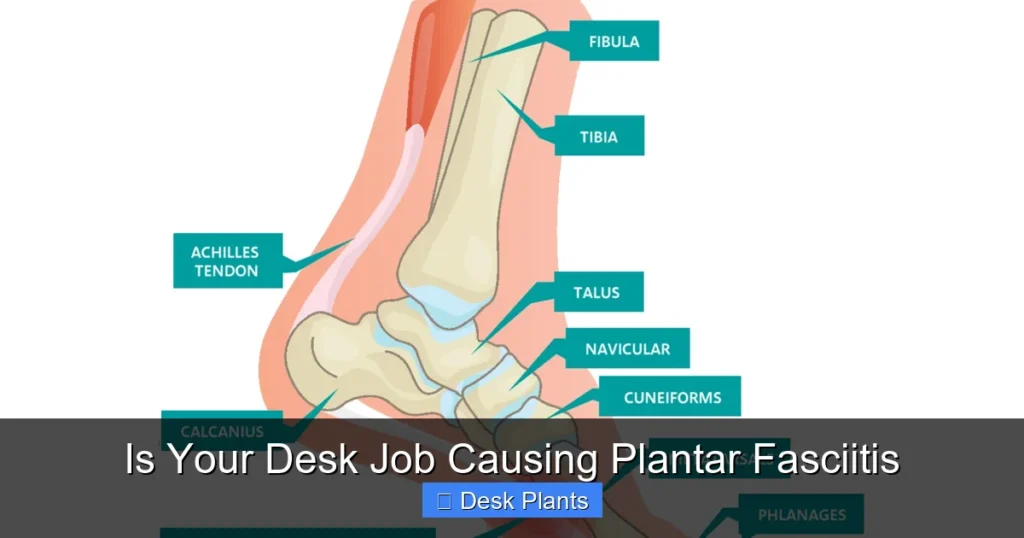
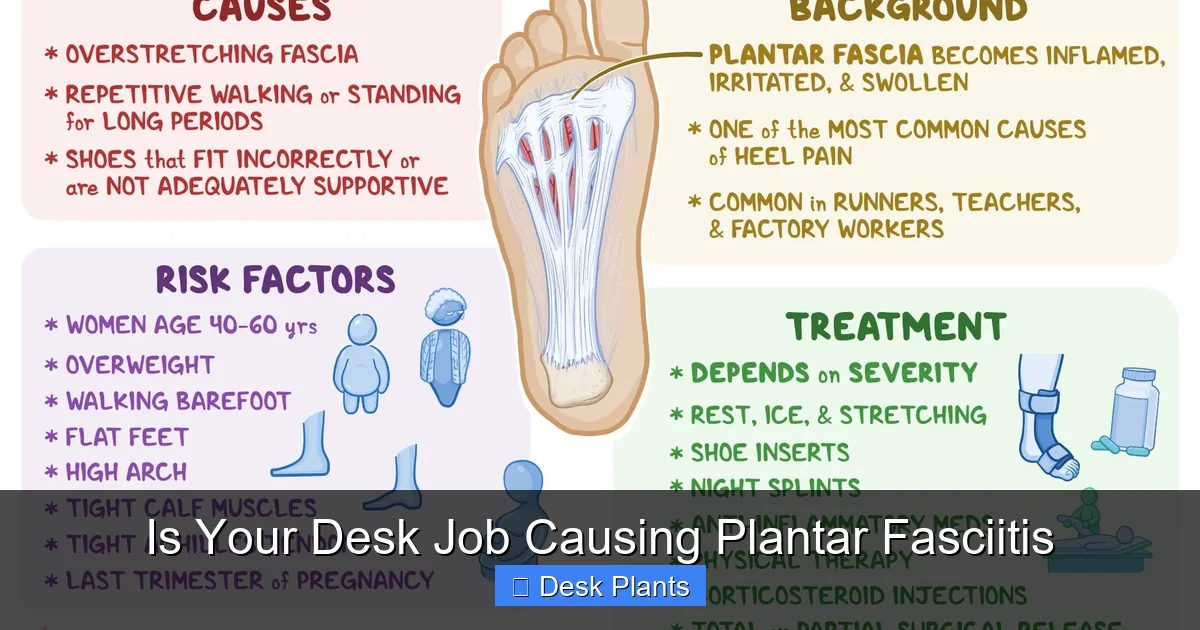
First, know your enemy. Plantar fasciitis is inflammation of the plantar fascia. That’s the thick band of tissue running along the bottom of your foot. It connects your heel bone to your toes and supports your arch. It’s not just about standing too much. Sitting wrong can hurt it too.
Visual guide about Is Your Desk Job Causing Plantar Fasciitis
Image source: d16qt3wv6xm098.cloudfront.net
How Sitting Creates the Perfect Storm
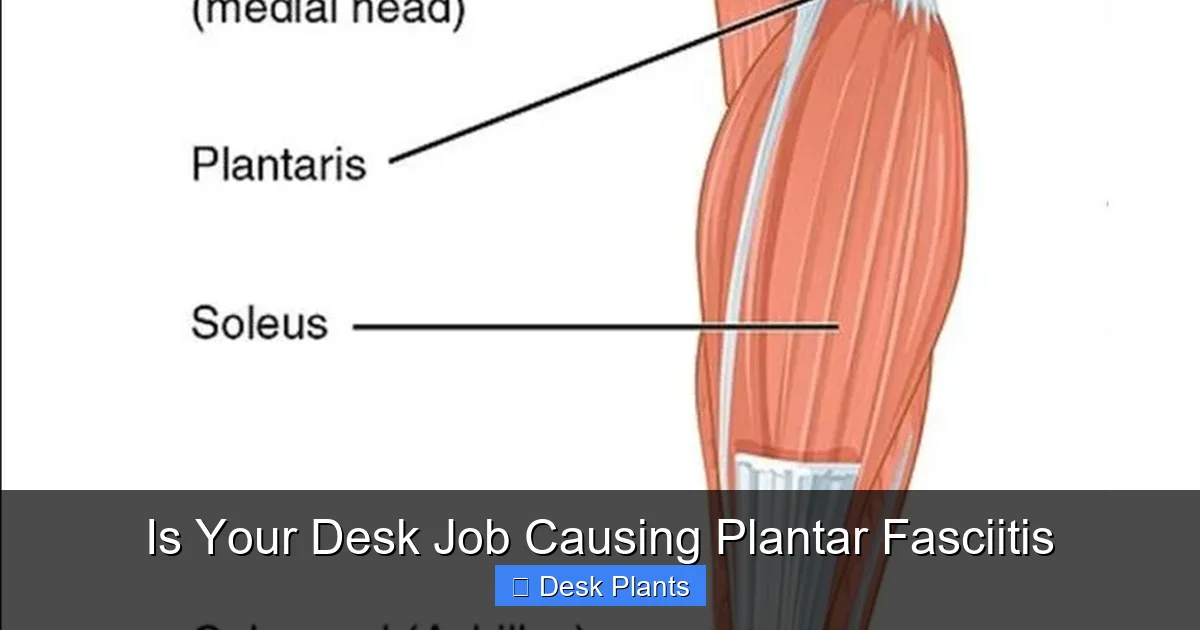
When you sit for hours, two big problems happen. Your calf muscles get tight and short. Your plantar fascia also sits in a relaxed, shortened state. This is like leaving a rubber band slack for too long. It loses its spring. Then, when you finally stand up, that tight fascia is suddenly stretched. This causes micro-tears and inflammation. Over days and weeks, this cycle leads to pain.
The Role of Poor Foot Posture
Look at your feet under your desk right now. Are they tucked under your chair? Pointed down? Not flat on the floor? This “plantarflexed” position keeps the fascia shortened. It’s under constant, low-grade stress even while you’re “resting.”
Step 2: Assess Your Personal Risk Factors
Not every desk worker gets plantar fasciitis. Certain factors stack the odds against you. Check this list.
Visual guide about Is Your Desk Job Causing Plantar Fasciitis
Image source: powerstep.com
- You sit for more than 6-8 hours daily with few breaks to walk.
- You wear unsupportive shoes like flats, flip-flops, or worn-out sneakers during your commute or at your desk.
- You have high arches or flat feet. Both put extra strain on the fascia.
- You’re overweight. This increases the load on the tissue with every step.
- You have a tight Achilles tendon or calf muscles. This pulls on the heel bone, straining the fascia’s attachment point.
If you see yourself here, don’t worry. The next steps are your action plan.
Step 3: Build Your Prevention Strategy Into Your Workday
Prevention is always easier than cure. Integrate these habits seamlessly into your routine.
Visual guide about Is Your Desk Job Causing Plantar Fasciitis
Image source: glenabbeychiro.com
Set Up for Success: Ergonomics for Your Feet
Your chair and desk height matter for your feet. Your feet should rest flat on the floor. Your knees should be at a 90-degree angle. If your feet dangle, use a footrest. A small box or a dedicated ergonomic footrest works. This keeps your ankles neutral.
The Golden Rule: Move Every 30 Minutes
Set a timer. Every 30 minutes, get up for two minutes. Walk to get water. Do a quick stretch. This movement pumps blood to your feet. It gently stretches the fascia. It breaks the cycle of stiffness. This single habit is a game-changer.
Choose Smart Desk Footwear
Don’t go barefoot or just wear socks at your desk. Your feet need support. Consider supportive slippers or orthotic sandals for indoor use. Keep a pair of good shoes under your desk to wear when you get up.
Step 4: Master the Essential Daily Exercises & Stretches
These exercises target the root causes: tightness and weakness. Do them during your micro-breaks.
Morning and Desk-Side Stretches
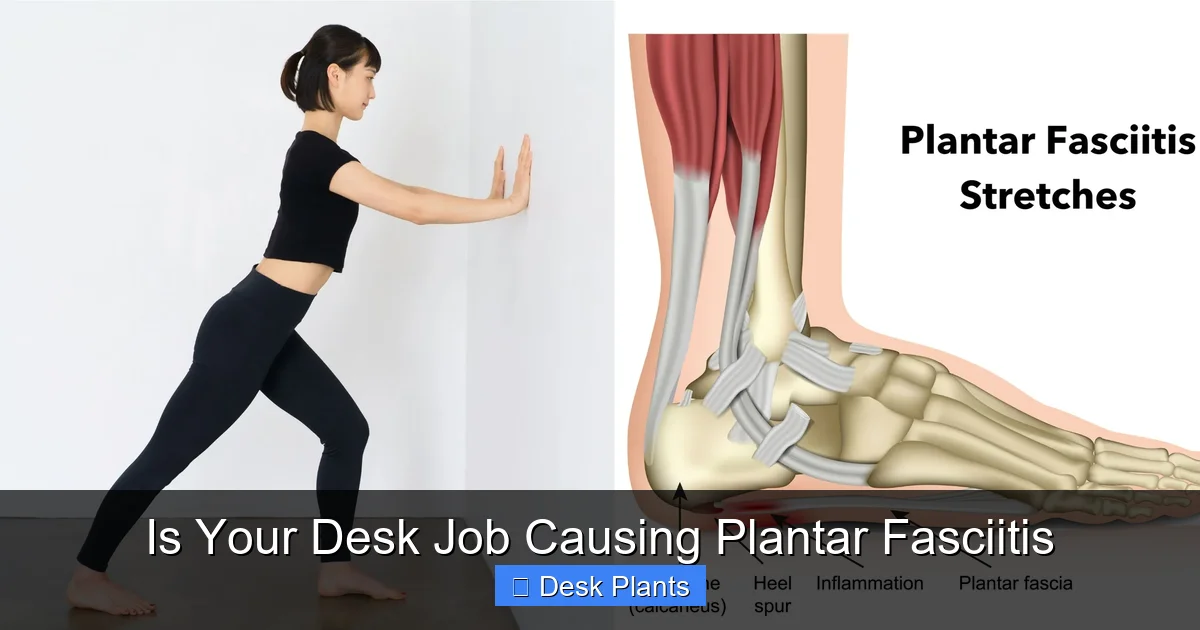
Calf Stretch: Place your hands on your desk. Step one foot back. Keep the heel down and knee straight. Lean forward gently. Hold for 30 seconds. Switch sides. Do this 2-3 times per side daily.
Plantar Fascia Stretch: Sit up straight. Cross one ankle over the opposite knee. Grab your toes and gently pull them back toward your shin. You should feel a stretch along the arch. Hold for 30 seconds. Repeat 3 times per foot.
Strength-Building Exercises
Toe Towel Scrunches: Place a small towel on the floor. Use your toes to scrunch it toward you. Release and repeat 10-15 times per foot. This builds the intrinsic foot muscles.
Heel Raises: Stand holding the back of your chair for balance. Slowly raise up onto your toes. Pause. Lower down slowly. Do 2 sets of 15. This strengthens calves and supports the arch.
Step 5: Optimize Your Broader Work Environment
Think beyond your immediate desk area.
Rethink Your Commute and Lunch Break
Wear supportive shoes from door to door. Use your lunch break for a short, brisk walk. This isn’t just for fitness. It’s for foot health. It maintains tissue elasticity.
Consider a Sit-Stand Desk (The Right Way)
A standing desk can help, but don’t just stand still for hours. That can be worse. The key is alternation. Start with 20 minutes of standing per hour. Always use an anti-fatigue mat. It encourages subtle foot movement and reduces impact.
Step 6: Troubleshooting Existing Pain
If you’re already feeling that tell-tale heel pain, add these steps immediately.
Immediate Relief Tactics
Ice Massage: Freeze a water bottle. Roll your bare foot over it for 10-15 minutes. Do this after work. It reduces inflammation and massages the fascia.
Night Splints: These hold your foot at a 90-degree angle while you sleep. They prevent the fascia from tightening overnight. This can make morning steps much less painful.
Supportive Gear: Don’t walk barefoot at home. Use supportive shoes or sandals with arch support indoors. Over-the-counter orthotics can provide immediate relief in your shoes.
When to See a Doctor
Home care fixes most cases. But see a doctor if:
- Pain is severe and stops daily activity.
- You see swelling, redness, or bruising.
- Numbness or tingling is present.
- The pain doesn’t improve after 2-3 weeks of consistent self-care.
A podiatrist can offer custom orthotics, physical therapy, or other treatments.
Conclusion: Take Control of Your Foot Health at Work
Your desk job doesn’t have to sentence you to foot pain. Now you see the clear link between sitting and plantar fasciitis. More importantly, you have a powerful toolkit to fight back. Start with movement breaks. Set up your space right. Do the stretches. Consistency is your greatest asset. Small, daily actions create lasting change. Protect your feet now. They carry you through every part of your life.
🎥 Related Video: Why Sitting At Your Desk Can Cause Foot Pain (Plantar Fasciitis) | Ep.10 Dr of Physical Therapy
📺 C Y
Quarantine PT Ep. 10 | F O O T & A N K L E Happy Monday!!!! It’s Movement Monday. If you’ve noticed stiffness or pain in the foot …