
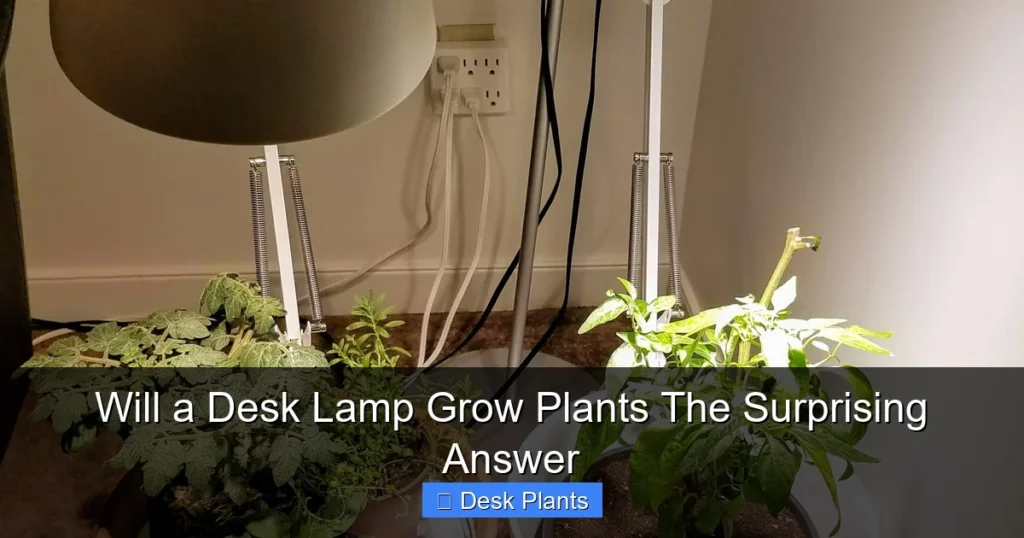
Yes, a desk lamp can grow plants, but not just any lamp. You need the right type of light bulb and to understand your plant’s needs. This guide will show you exactly how to choose equipment, set up your mini garden, and keep your plants healthy using common desk lighting.
Key Takeaways
- Light Type is Crucial: Standard incandescent bulbs are ineffective for plant growth. You need full-spectrum LED or fluorescent bulbs that mimic sunlight.
- It’s All About Intensity & Duration: Plants need sufficient light brightness (measured in PPFD) and 12-16 hours of consistent exposure per day to photosynthesize properly.
- Plant Choice Dictates Success: Low-light tolerant plants like pothos, snake plants, and some ferns are the best candidates for a desk lamp setup.
- Distance Matters: Positioning the lamp 6-12 inches from the plant is usually ideal to provide enough light without burning the leaves.
- Setup is More Than Just Turning On a Light: You must consider reflective surfaces, a stable light schedule (using a timer is best), and ongoing plant care like watering and rotation.
- Watch for Warning Signs: Leggy growth and pale leaves mean more light is needed. Brown, scorched leaves mean the lamp is too close or too intense.
- A Dedicated Grow Light is Better: While a modified desk lamp works, purpose-built grow lights offer optimal spectrums and intensity for vigorous, long-term growth.
Will a Desk Lamp Grow Plants? The Surprising Answer
You look at your sad, leggy desk plant. It’s straining toward the window. But your office or apartment has dim corners. You wonder, “Can I use this desk lamp to help it?” The short answer is a surprising and hopeful yes. But there’s a big catch. Not every lamp and bulb will work. This guide will walk you through the science and the simple steps to turn your ordinary desk lamp into a plant-growing tool. You will learn how to pick the right light, choose the best plants, and set up a system for healthy growth.
How Light Makes Plants Grow
First, let’s understand what plants need. They don’t just need “light.” They need specific photons of light for photosynthesis. This is the process where plants turn light, water, and carbon dioxide into food (sugars).
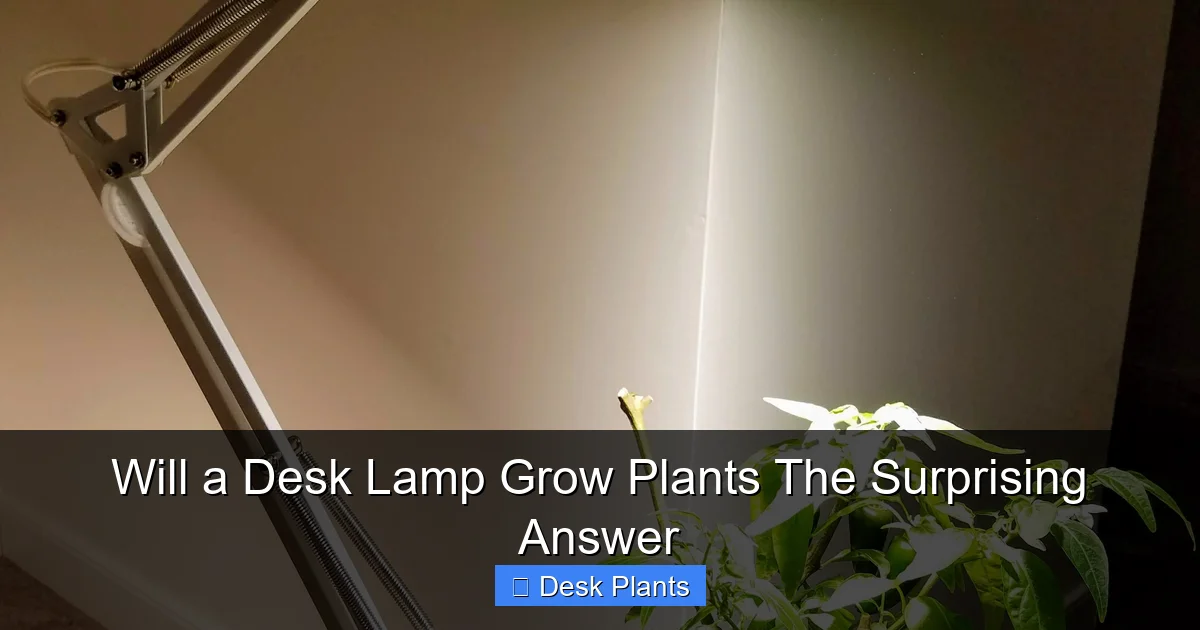
Visual guide about Will a Desk Lamp Grow Plants The Surprising Answer
Image source: i.imgur.com
Think of light as food for your plant. The leaves are like solar panels. They absorb light mostly in the blue and red parts of the spectrum.
- Blue Light: Encourages strong, compact leafy growth. It’s crucial for seedlings and foliage plants.
- Red Light: Promotes flowering, fruiting, and root development.
Sunlight provides a full, balanced spectrum. Your goal is to mimic this as closely as possible with an artificial desk lamp.
Step 1: Choosing the Right Desk Lamp and Bulb
This is the most important step. Your hardware determines everything.
Visual guide about Will a Desk Lamp Grow Plants The Surprising Answer
Image source: m.media-amazon.com
The Bulb: The Heart of the Operation
Avoid Standard Incandescent Bulbs. They are terrible for plants. They produce mostly yellow and green light (which plants reflect, not use) and far too much heat.
You have two excellent options:
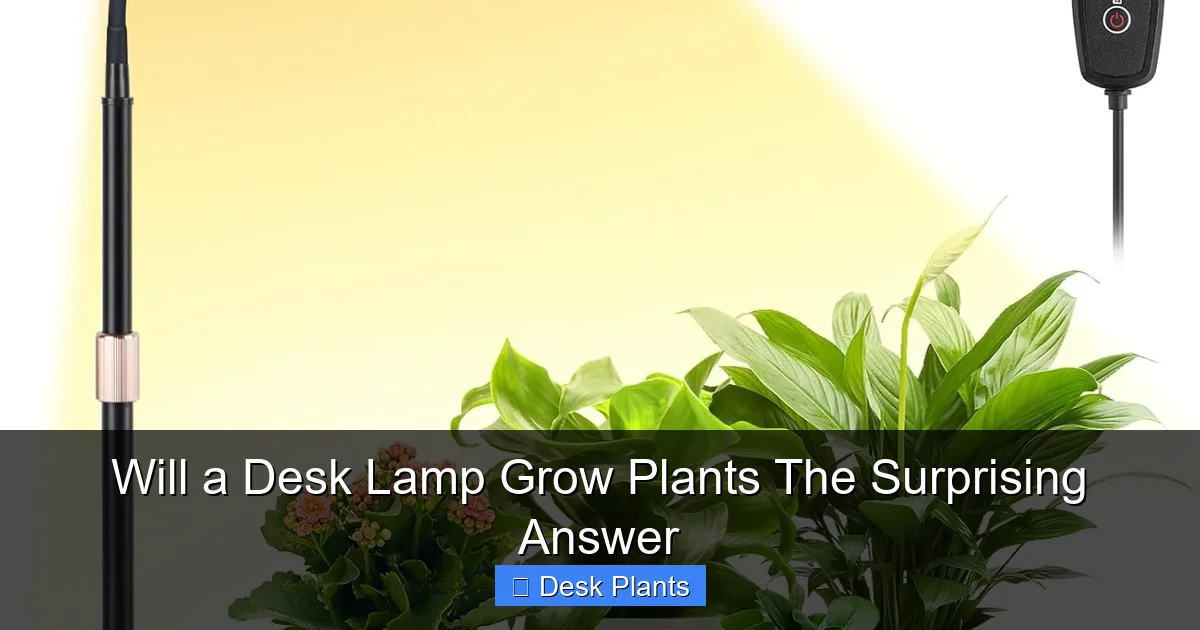
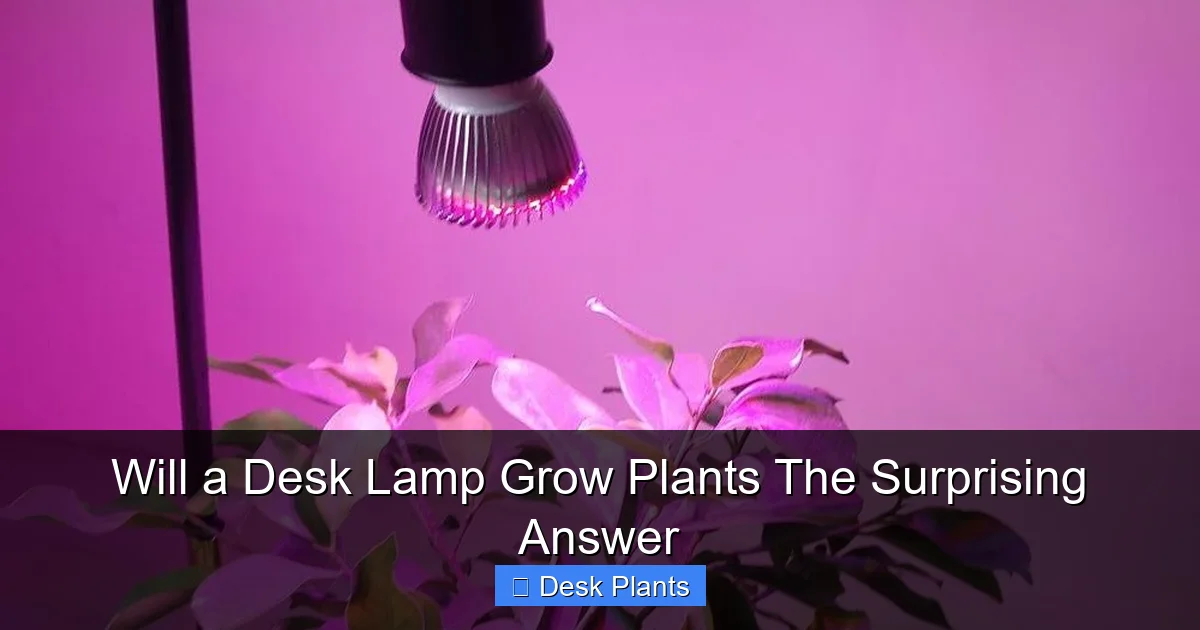
- Full-Spectrum LED Bulbs: This is the #1 choice. Modern LEDs are cool, energy-efficient, and can be engineered to emit the perfect blend of blue and red light, often appearing white to our eyes. Look for bulbs labeled “full-spectrum,” “daylight” (5000K-6500K color temperature), or specifically “plant grow lights.”
- Compact Fluorescent Lights (CFLs): A good budget option. Choose CFLs labeled as “daylight” or “cool white” (6500K). They provide a decent spectrum for foliage growth.
The Lamp Itself: Flexibility is Key
The best desk lamp for growing plants is an adjustable one. A gooseneck or architect-style lamp is perfect. Why? Because you need to control the distance between the bulb and the plant. You’ll want to position it 6 to 12 inches away. A rigid lamp won’t allow for this fine-tuning.
Ensure the lamp’s fixture can handle the wattage of the bulb you choose, especially if using a brighter grow bulb.
Step 2: Selecting the Perfect Desk Plant
You can’t grow a sun-loving tomato plant under a desk lamp. Success starts with realistic plant choices. Stick with low to medium-light foliage plants.
Visual guide about Will a Desk Lamp Grow Plants The Surprising Answer
Image source: image.dhgate.com
- Top Champions: Pothos, Philodendron, Snake Plant (Sansevieria), ZZ Plant, Peace Lily.
- Good Contenders: Chinese Evergreen, Some Ferns (like Bird’s Nest Fern), Spider Plant, Lucky Bamboo.
- Herbs (For a Challenge): Mint or parsley might survive with a very bright, close LED, but they won’t thrive long-term. They are high-light plants.
Start with a pothos. It’s virtually indestructible and will clearly show you if it’s getting enough light.
Step 3: Setting Up Your Plant Growth Station
Now, let’s put it all together for a happy plant.
Positioning the Light
Screw in your full-spectrum LED bulb. Adjust the gooseneck so the bulb is 6 to 12 inches directly above the plant. This provides intense, direct light. Side lighting is less effective. If your plant is tall, angle the light to shine down onto the majority of its leaves.
Creating a Reflective Environment
Boost your light’s efficiency! Place your plant and lamp on a light-colored desk or use a small piece of white poster board behind them. This reflects light back onto the plant, giving it more “food” from the same bulb.
Setting a Light Schedule (The Secret Weapon)
Plants need a day/night cycle. Leaving the lamp on 24/7 will stress them. They “rest” in the dark.
Use a simple plug-in timer. Set it to provide 12 to 16 hours of light per day. A consistent schedule is better than you remembering to turn it on and off. This mimics long summer days, which is ideal for growth.
Step 4: Ongoing Care and Maintenance
Your desk lamp is now part of your plant care routine.
- Water Carefully: Plants under lights may dry out faster than those in a dark corner. Check soil moisture regularly, but always water based on the plant’s need, not on a rigid schedule. The goal is damp, not soggy.
- Rotate the Plant: Give the pot a quarter-turn every time you water. This ensures all sides get equal light and prevents lopsided growth.
- Dust the Leaves: Dust blocks light. Gently wipe leaves with a damp cloth every few weeks to keep those solar panels clean.
- Monitor the Bulb: Bulbs get dimmer over time. Even if it’s still shining, its useful light for plants fades. Replace your LED or CFL bulb every 12-18 months for best results.
Troubleshooting Common Problems
Is your plant sending you signals? Here’s how to decode them.
Problem: Leggy, Stretched Growth
Cause & Fix: This is etiolation—the plant is desperately reaching for more light. Move the lamp closer (but not closer than 6 inches). Increase the light duration by an hour or two. Consider a brighter bulb.
Problem: Pale, Faded, or Yellowing Leaves
Cause & Fix: Often a sign of insufficient light for the plant’s needs. Try the fixes above. It can also be a nutrient issue, but address light first.
Problem: Brown, Crispy Leaf Tips or Patches
Cause & Fix: This is likely leaf scorch from too much heat or light intensity. Move the lamp farther away. Ensure you are using a cool-running LED, not a hot incandescent or halogen bulb.
Problem: No New Growth
Cause & Fix: The plant is in survival mode, not growth mode. It needs more “food” (light). Review all setup steps: bulb spectrum, distance, duration, and plant type. A low-light plant should still produce slow new growth.
When to Consider a Dedicated Grow Light
A modified desk lamp is a fantastic, low-cost solution for keeping a low-light plant healthy. But if you want to grow herbs, start seedlings, or encourage flowering plants, you’ll hit its limits.
Purpose-built grow lights (like panel LEDs or bulbs in reflector hoods) are designed to deliver higher intensities and perfect spectra. They are the next step if your green thumb gets more ambitious.
Conclusion: Your Mini Indoor Garden Awaits
So, will a desk lamp grow plants? Absolutely—if you’re smart about it. By choosing a full-spectrum LED bulb, an adjustable lamp, and a tough low-light plant, you can absolutely create a thriving spot of greenery on your desk. It’s a simple project with a huge reward. You get the joy of nurturing life and the proven benefits of plants in your workspace. Start tonight. Grab that gooseneck lamp, swap the bulb, and give your plant the light it’s been craving.
🎥 Related Video: How to grow plants cheap! Lights for bioactive terrarium
📺 ChiefSweetsUniverse