
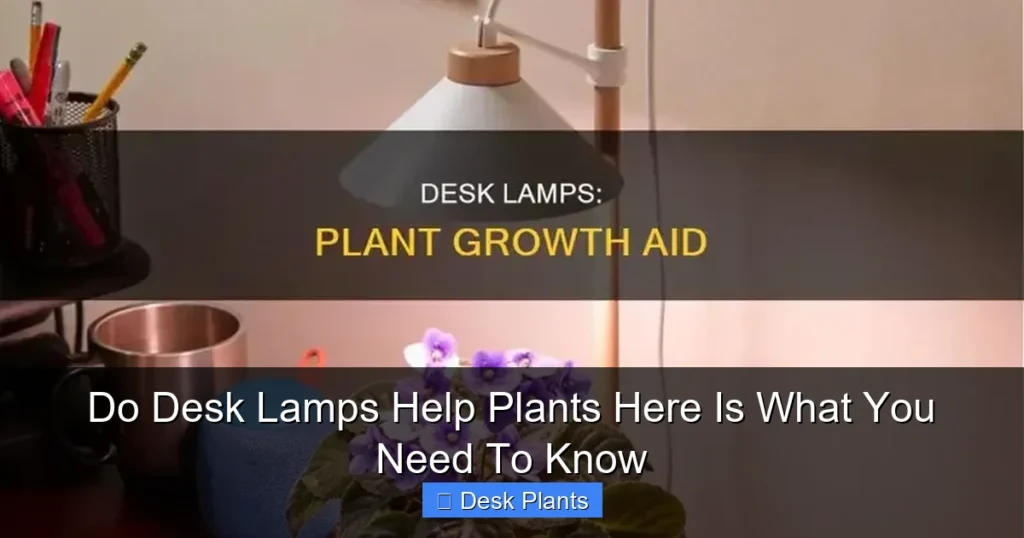
Yes, desk lamps can help plants grow, but not all lamps are equal. This guide explains the science of light for photosynthesis, shows you how to choose the right bulb and set up your lamp correctly, and lists the best low-light and bright-light plants for your desk. With the right setup, your desk lamp can be a simple, effective grow light.
Key Takeaways
- Light is Food: Plants need specific light spectra (blue for growth, red for flowering) for photosynthesis, which not all desk lamps provide.
- Bulb Type is Crucial: LED bulbs are the best choice for desk lamp plant lighting due to their low heat, efficiency, and full-spectrum options.
- Distance and Duration Matter: Place the lamp 6-12 inches from the plant and provide 12-16 hours of light per day for most species.
- Not All Plants are Equal: Low-light plants like pothos and snake plants are ideal for desk lamp setups, while fruiting plants need dedicated grow lights.
- Watch for Signs: Leggy growth or pale leaves means more light is needed; brown scorched leaves mean the lamp is too close or hot.
- It’s a Supplemental Solution: A desk lamp works best for supplementing natural light or keeping specific plants alive in dark offices, not for full-scale indoor farming.
Do Desk Lamps Help Plants? Here Is What You Need To Know
You look at your desk. You see your trusty lamp. You see your beloved plant looking a bit… sad. A thought pops into your head. Can my desk lamp help my plant? The short answer is yes, it can! But it’s not as simple as just turning on the switch. Using a desk lamp for plants is a clever hack for indoor gardeners. It turns your workspace into a mini oasis. This guide will walk you through everything. You will learn the science behind light and plants. You will get step-by-step instructions to set up your own system. You will discover which plants will thank you for the extra glow. Let’s shed some light on the subject!
The Science of Light: What Plants Really “See”
Plants don’t see light like we do. They use it for food. This process is called photosynthesis. For this, plants mainly use blue and red light from the spectrum. Blue light helps with strong stems and lush leaves. Red light helps with flowering and fruiting. Natural sunlight has all these colors. Most old desk lamps do not. They often give off a yellow-heavy light. This light is great for you to read. But it’s not so great for your plant to eat. The key is to find a bulb that mimics the sun’s useful spectrum. This is the first step to helping your plant with a desk lamp.
Visual guide about Do Desk Lamps Help Plants Here Is What You Need To Know
Image source: files.autoblogging.ai
PAR and Lumens: The Measurements That Matter
You might know about lumens. Lumens measure how bright a light is to human eyes. Plants care about something called PAR. PAR stands for Photosynthetically Active Radiation. It measures the light useful for photosynthesis. When shopping for a plant bulb, look for “full-spectrum” or labels mentioning PAR. A regular bulb with high lumens but poor PAR won’t help much.
Step 1: Choose the Right Desk Lamp
Not every desk lamp is fit for the job. You need a lamp that is adjustable and safe. Here is what to look for.
Visual guide about Do Desk Lamps Help Plants Here Is What You Need To Know
Image source: improveworkspace.com
Look for Adjustable Arms and Heads
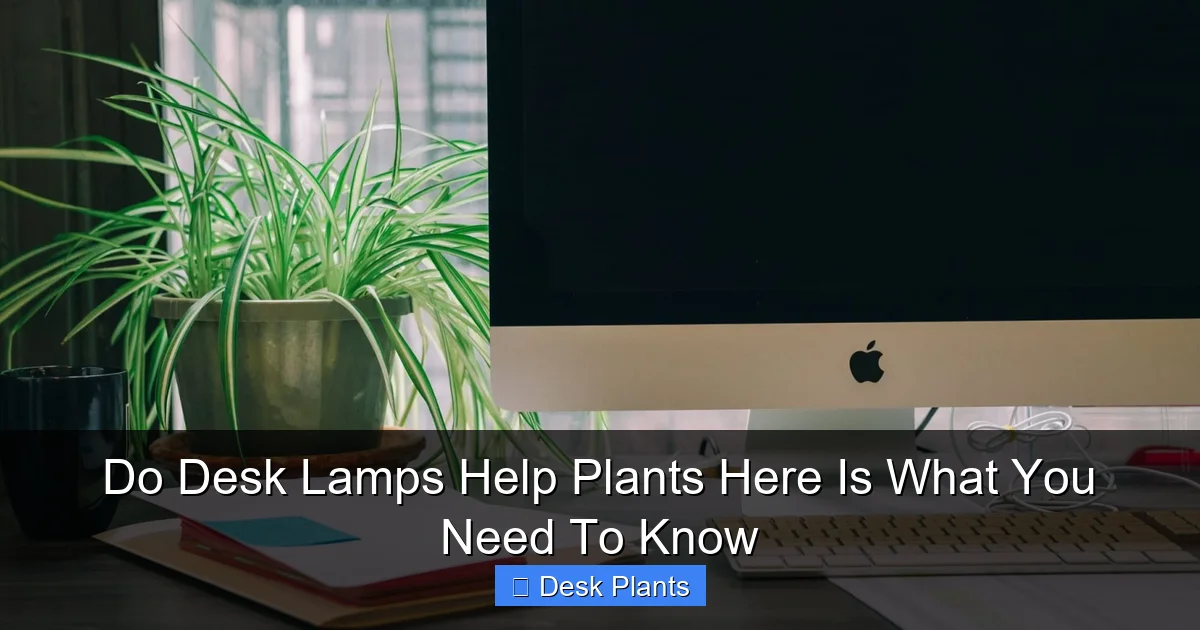
A good plant lamp needs to be flexible. You must be able to move the light close to the plant. You must also direct the beam right at the leaves. A goose-neck lamp or an architect’s lamp is perfect for this. Clip-on lamps can also work very well. They save desk space too.
Ensure Good Stability and Safety
Your lamp will be on for many hours. Make sure it has a sturdy base. You don’t want it toppling over onto your plant. Also, check that it doesn’t get too hot on the base or arm. Safety first!
Step 2: The Most Important Part – Choose the Correct Bulb
This is the heart of your setup. The bulb makes all the difference. Here are your best options.
Visual guide about Do Desk Lamps Help Plants Here Is What You Need To Know
Image source: m.media-amazon.com
LED Bulbs: The Top Choice
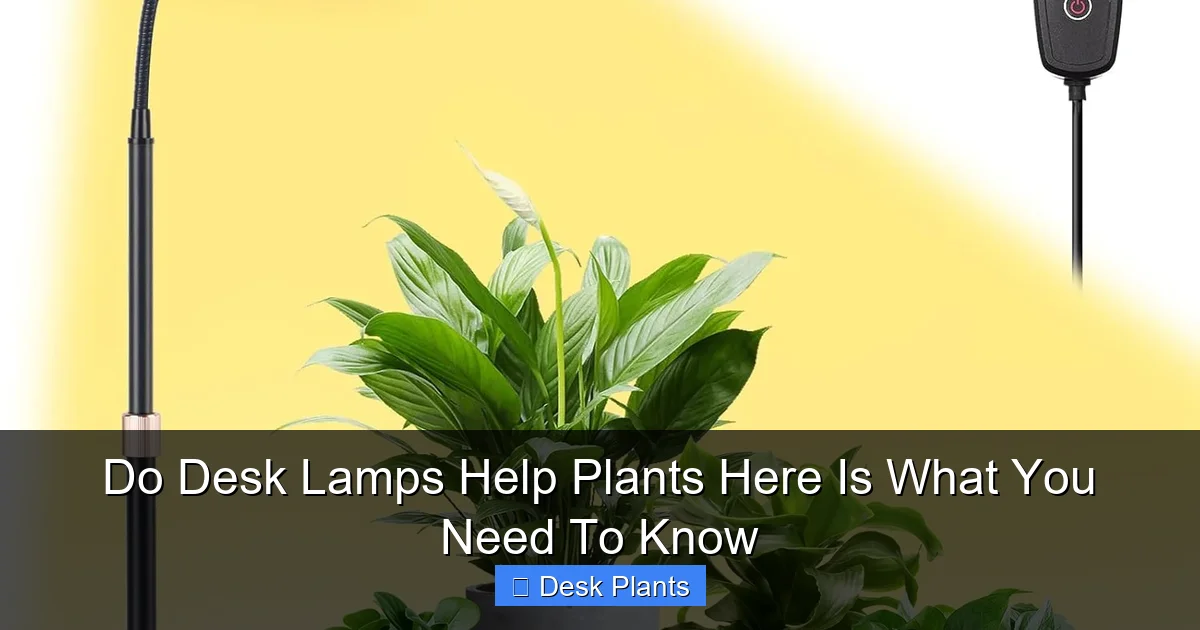
LED bulbs are winners for plant growth. They are energy-efficient. They stay very cool. Many are made as “full-spectrum” or even specialized “grow lights.” You can find LED bulbs that screw into your regular lamp socket. They provide a good balance of blue and red light. Look for a color temperature of 5000-6500K (Kelvin) for leafy growth. This gives a bright, daylight-like white light.
Compact Fluorescent (CFL) Bulbs: A Good Budget Option
CFL bulbs are another choice. Look for “daylight” CFLs with a high color temperature (6500K). They are cheaper than LED grow bulbs. But, they use more energy and produce a bit more heat. Keep them a few inches farther from your plant.
Bulbs to Avoid
Incandescent bulbs are not good. They get far too hot. They can scorch your plant. They also give off mostly red and infrared light. They lack the blue light plants need. Standard halogen bulbs also run very hot and are inefficient for plant growth.
Step 3: Set Up Your Desk Lamp for Plant Success
You have your lamp and bulb. Now, let’s set it up correctly. Proper placement and timing are key.
Position the Lamp Correctly
Distance is crucial. A light too far away is useless. A light too close can burn the plant. A good rule is to start with the lamp 6 to 12 inches away from the top leaves. For LEDs, you can be on the closer side (6-8 inches). For CFLs, start farther away (10-12 inches). Watch your plant for a week. Adjust if needed.
Set a Daily Light Schedule
Plants need a day and night cycle. Leaving the lamp on 24/7 will stress them. Use a simple outlet timer. It is a game-changer. Set it to give your plant 12 to 16 hours of light per day. Mimicking a long summer day is best for growth. The timer does the work for you. It also saves energy.
Angle the Light
Point the light directly at the plant. The goal is to bathe the leaves in light. If you have a tall plant, you might need to angle it to cover more of the plant. Rotate your plant a quarter turn every week. This ensures all sides get light. It prevents lopsided growth.
Step 4: Pick the Best Plants for Your Desk Lamp
Some plants will thrive under a desk lamp. Others will merely survive. Some will not work at all. Here are the best candidates.
Champion Low-Light Plants (Easiest to Grow)
These plants are low-light champions. A standard full-spectrum LED desk lamp will keep them happy for years.
- Snake Plant (Sansevieria): Tough, architectural, and needs very little.
- Pothos (Devil’s Ivy): Fast-growing vines that are very forgiving.
- ZZ Plant (Zamioculcas): Shiny leaves and extreme drought tolerance.
- Peace Lily (Spathiphyllum): Will even produce white flowers in good light.
- Philodendron Heartleaf: Similar to pothos, with beautiful heart-shaped leaves.
Medium-Light Plants (Need a Good Full-Spectrum Bulb)
With a strong full-spectrum bulb, you can try these popular plants.
- Spider Plant (Chlorophytum): Produces cute “pups” or baby plants.
- Chinese Evergreen (Aglaonema): Beautiful, patterned leaves.
- Peperomia: Many varieties with interesting leaf shapes and textures.
- Some Ferns (like Lemon Button): Prefer consistent moisture and gentle light.
Plants to Avoid for Desk Lamps
Do not try to grow these with a standard desk lamp. They need powerful, dedicated grow lights or direct sun.
- Most cacti and succulents (like Echeveria)
- Flowering plants like Orchids (unless you have a specialized bulb)
- Fruiting plants like tomatoes or peppers
- Herbs like basil and rosemary (they become leggy and weak)
Troubleshooting Common Problems
Is your plant still unhappy? Let’s fix it.
Problem: Plant is Growing Tall and Leggy
Cause: This is called etiolation. It means your plant is stretching to find more light.
Fix: Move your lamp closer. Make sure you are using a full-spectrum bulb. Increase the daily light duration by an hour or two.
Problem: Leaves are Turning Pale or Yellow
Cause: Often a sign of too much light or heat stress. Could also be a watering issue.
Fix: Move the lamp farther away. Feel the leaves near the light. Are they warm? If so, the lamp is too close. Ensure you are not overwatering.
Problem: Brown, Crispy Leaf Tips or Spots
Cause: Likely leaf scorch from the lamp being too hot or too close.
Fix: This is common with incandescent or halogen bulbs. Switch to a cool-running LED. Increase the distance between the bulb and the plant.
Problem: No New Growth
Cause: The light might be insufficient for that plant type.
Fix: Switch to a more powerful bulb designed for plants. Or, choose a hardier low-light plant from our list above. Check your watering and fertilizer too.
Conclusion: Light Up Your Plant’s Life
So, do desk lamps help plants? Absolutely. They can be a lifeline for your green friends in a dim room. The secret is in the details. Choose an adjustable lamp. Pick a full-spectrum LED bulb. Place it the right distance away. Use a timer. And pick a plant that matches your light’s power. You don’t need expensive gear to make a difference. With this guide, you have all the knowledge you need. Your desk can be more than a work area. It can be a thriving, green, and happy little ecosystem. Give it a try. Your plant will thank you with new growth. And you’ll get the joy of a healthier, brighter companion right beside you.
🎥 Related Video: My favorite grow light for houseplants!
📺 Charleston Crafted
Got houseplants? As the weather cools down, your plants will naturally get less hours of sunlight each day. You might want to …