
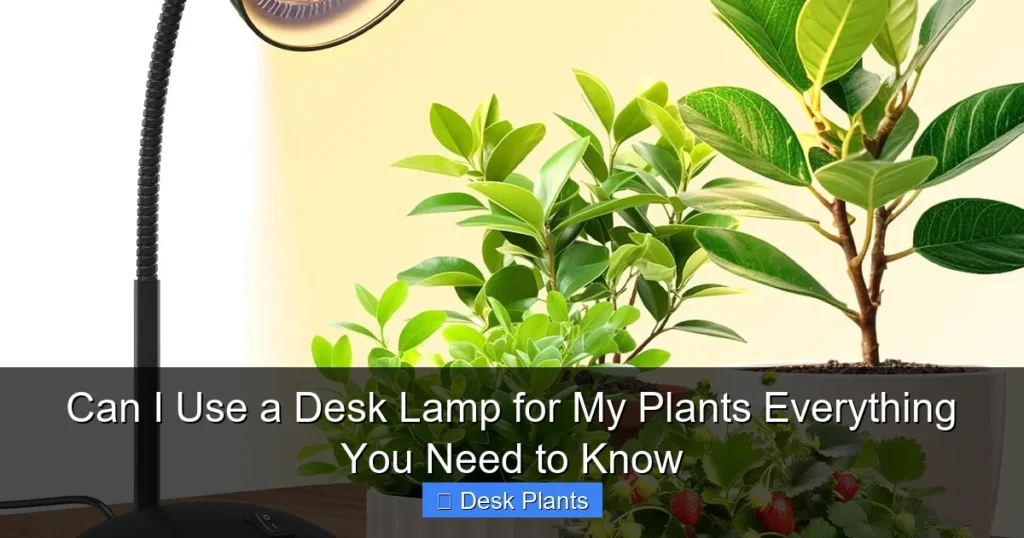
Yes, you can use a desk lamp for your plants, but success depends on the light spectrum and your plant’s needs. This guide provides step-by-step instructions on selecting the right bulb, positioning the lamp, and ensuring proper care. With the right setup, your desk plants can flourish even in low-light conditions.
Key Takeaways
- Desk lamps can supplement plant growth: They provide necessary light when natural sunlight is insufficient, especially for indoor desk plants.
- Choose the right bulb type: LED bulbs with full spectrum or grow lights are ideal for energy efficiency and promoting photosynthesis.
- Proper distance is crucial: Keep the lamp 6-12 inches from plants to avoid heat damage and ensure adequate light exposure.
- Tailor light duration to plant needs: Most plants require 12-16 hours of light per day; use timers for consistency.
- Monitor plant health regularly: Look for signs like leggy growth or yellow leaves to adjust light settings accordingly.
- Combine with natural light when possible: Desk lamps work best as a supplement, not a complete replacement for sunlight.
- Troubleshoot common issues: Address problems like leaf burn or poor growth by adjusting light intensity or duration.
Introduction: Can You Really Use a Desk Lamp for Plants?
Have you ever wondered if that desk lamp on your table could double as a light source for your plants? Many plant lovers ask, “Can I use a desk lamp for my plants?” The answer is yes, but with some important caveats. In this comprehensive guide, you’ll learn everything you need to know to successfully use a desk lamp for your desk plants. We’ll cover how to choose the right lamp, set it up properly, and ensure your plants thrive. Whether you’re growing herbs, succulents, or foliage plants, this guide will help you make the most of artificial light. By the end, you’ll be confident in using a desk lamp for plants to create a vibrant indoor garden.
Understanding Plant Light Needs
Before diving into using a desk lamp for plants, it’s crucial to understand what plants need from light. Plants use light for photosynthesis, the process that converts light energy into chemical energy for growth. Key factors include light spectrum, intensity, and duration. Without adequate light, plants become weak and leggy. With too much, they can burn. Let’s break it down.
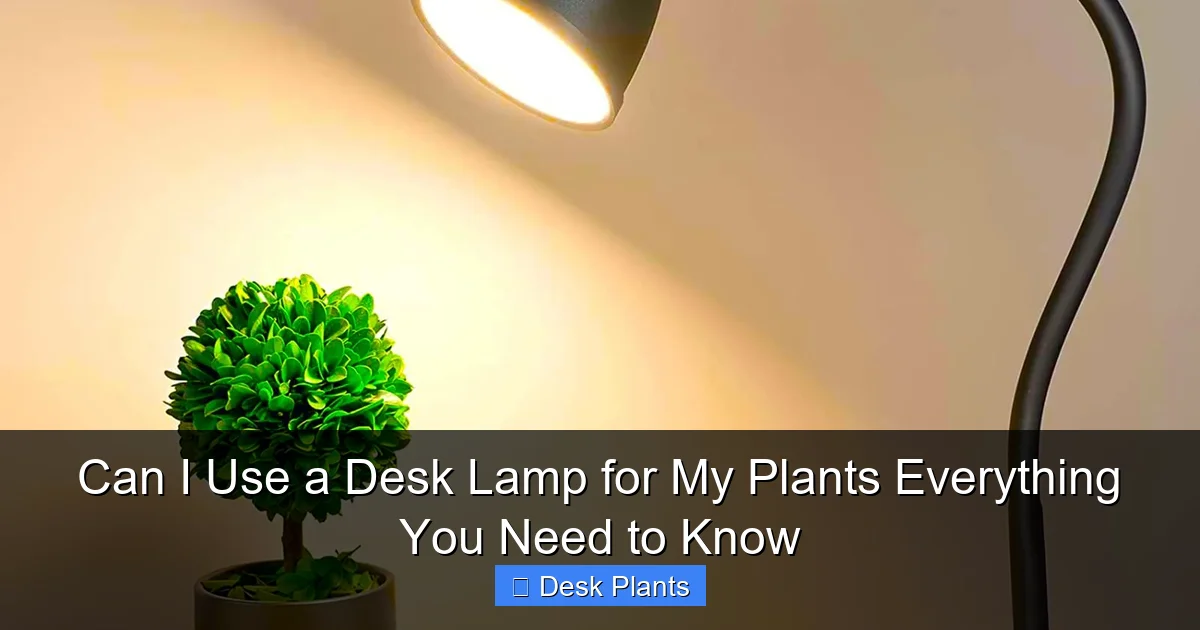
Visual guide about Can I Use a Desk Lamp for My Plants Everything You Need to Know
Image source: m.media-amazon.com
Light Spectrum: What Colors Do Plants Need?
Plants primarily use blue and red light for growth. Blue light promotes vegetative growth, like leaves and stems. Red light encourages flowering and fruiting. Full-spectrum lights, which mimic sunlight, are best for overall health. When using a desk lamp for plants, aim for bulbs that emit these wavelengths. Avoid bulbs that only give off yellow or green light, as plants reflect these and don’t use them much.
Light Intensity: How Bright Should It Be?
Light intensity measures how much light reaches the plant. It’s often measured in lux or PAR (Photosynthetically Active Radiation). Different plants have different needs. For example, succulents need high light, while ferns thrive in low light. Desk lamps can provide sufficient intensity if chosen correctly. A good rule is to look for bulbs with high lumens, but also consider the distance. The closer the lamp, the higher the intensity.
Light Duration: How Long Should Lights Be On?
Most plants need 12 to 16 hours of light per day. This mimics natural daylight cycles. Too little light can cause weak growth, while too much can stress plants. Using a timer with your desk lamp can help maintain consistency. Remember, plants also need dark periods for respiration. So, don’t leave the light on 24/7. Consistency is key when using a desk lamp for plants.
Choosing the Right Desk Lamp and Bulb
Not all desk lamps are created equal when it comes to plant care. Here’s how to pick the best one. The right setup can make all the difference in using a desk lamp for plants effectively.
Visual guide about Can I Use a Desk Lamp for My Plants Everything You Need to Know
Image source: cdn.thewirecutter.com
Types of Desk Lamps
Adjustable lamps are ideal because you can change the distance and angle. Clamp lamps or gooseneck lamps offer flexibility. Ensure the lamp is sturdy and safe. Look for lamps with adjustable arms or heads. This allows you to direct light precisely where it’s needed. Also, consider the lamp’s material; metal lamps may dissipate heat better than plastic ones.
Bulb Options for Plant Growth
The bulb is the most critical part. Here are common types:
- LED Bulbs: Energy-efficient, long-lasting, and available in full-spectrum options. Perfect for using a desk lamp for plants. They emit little heat, reducing the risk of burning your plants.
- CFL Bulbs: Compact fluorescent lights are also good, but ensure they emit blue and red spectra. They are more affordable but may not last as long as LEDs.
- Incandescent Bulbs: Not recommended as they produce too much heat and lack the right spectrum. They can dry out plants and cause leaf burn.
- Grow Light Bulbs: Specifically designed for plants; these are the best choice if available. They often come in full-spectrum or targeted spectra for growth stages.
When choosing a bulb, look for one labeled “full spectrum” or “grow light” for optimal results. For desk plants, a bulb with 10-20 watts is often sufficient. Always check the color temperature; aim for 5000-6500 Kelvin for vegetative growth and 2700-3000 Kelvin for flowering.
Setting Up Your Desk Lamp for Plants: A Step-by-Step Guide
Now, let’s get practical. Follow these steps to set up your desk lamp for plants. This step-by-step guide will ensure you do it right.
Visual guide about Can I Use a Desk Lamp for My Plants Everything You Need to Know
Image source: m.media-amazon.com
Step 1: Assess Your Plant’s Light Requirements
Identify your plant species and its light needs. Low-light plants like pothos can do well with less intense light, while high-light plants like cacti need more. This will guide your setup. Research your plant’s native habitat. Plants from sunny areas need brighter light. Those from shaded forests need less. Write down the requirements to refer back to.
Step 2: Select the Right Bulb and Lamp
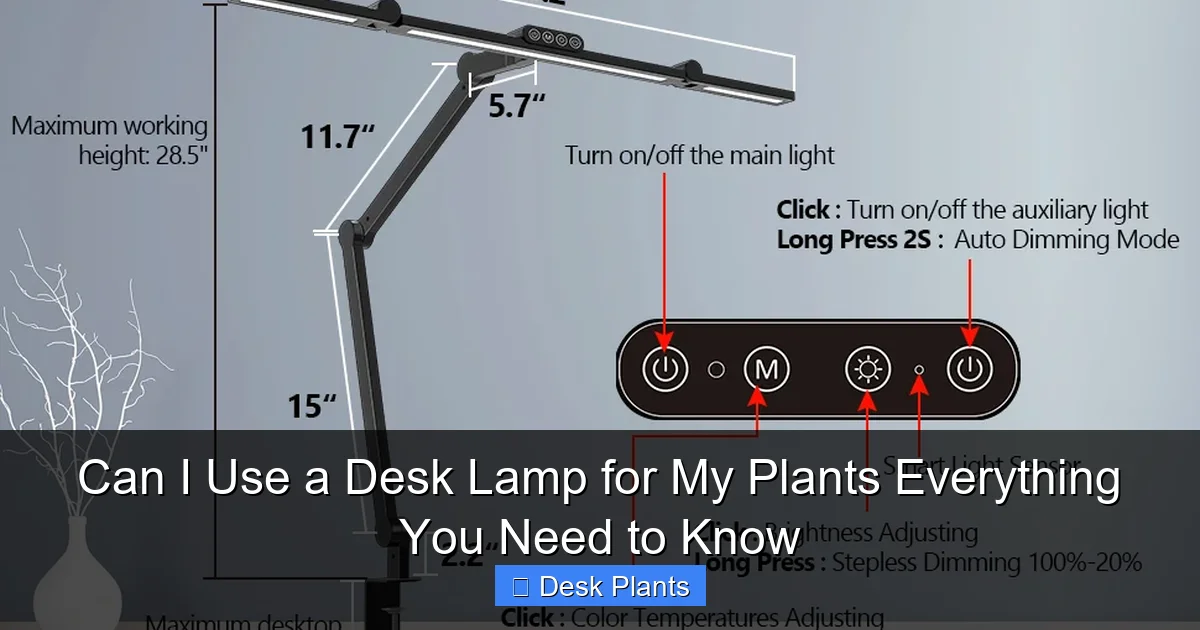
Based on your plant’s needs, choose a full-spectrum LED bulb and an adjustable desk lamp. Ensure the wattage is appropriate; for desk plants, 10-20 watts is often sufficient. If you’re using a desk lamp for plants with high light needs, consider a grow light bulb. Also, check the lamp’s socket type to match the bulb base. E26 is standard in many desk lamps.
Step 3: Position the Lamp Correctly
Distance is key. Start with the lamp 6 to 12 inches away from the plant. Adjust based on plant response; if leaves curl or burn, move it farther. For seedlings, keep it closer, around 4 inches. Use the adjustable features of your lamp to angle the light directly onto the plant. Avoid shining light from the side, as this can cause uneven growth.
Step 4: Set the Light Duration
Use a timer to automate the light schedule. Set it for 12-16 hours per day, mimicking natural daylight cycles. Avoid leaving lights on 24/7 as plants need dark periods for respiration. Timers are cheap and easy to find. Plug your desk lamp into the timer, and set it to turn on in the morning and off in the evening. This consistency helps plants thrive.
Step 5: Monitor and Adjust
Observe your plants regularly. Look for signs of healthy growth, such as new leaves and vibrant color. If issues arise, tweak the distance, duration, or bulb type. Keep a journal to track changes. For example, if leaves turn yellow, reduce light intensity. If growth is slow, increase duration. Using a desk lamp for plants requires patience and fine-tuning.
Practical Tips and Examples for Using a Desk Lamp for Plants
Here are some real-world tips to make your setup successful. These tips will help you get the most out of using a desk lamp for plants.
Tip 1: Use Reflective Surfaces
Place a white backdrop or aluminum foil around the plant to reflect light, increasing efficiency. This is especially helpful in dark corners. You can use a white board or even a mirror. This bounces light back onto the plant, ensuring all sides receive light. It’s a simple trick to boost your desk lamp’s effectiveness.
Tip 2: Rotate Your Plants
To ensure even growth, rotate your plants weekly. This prevents one side from stretching towards the light. When using a desk lamp for plants, light often comes from one direction. By rotating, you promote symmetrical growth. Mark the pot with tape to remember which side faced the light last.
Tip 3: Combine with Natural Light
If possible, place your desk near a window. Use the desk lamp to supplement during cloudy days or evenings. This hybrid approach works best. For example, use natural light during the day and the desk lamp in the early morning or late afternoon. This reduces energy use and gives plants a more natural rhythm.
Example Setups
For Herbs: Use a full-spectrum LED bulb in a clamp lamp. Position 8 inches above basil or mint for 14 hours daily. You’ll have fresh herbs year-round. Herbs need moderate to high light, so this setup works well. Water them regularly and watch them flourish.
For Succulents: Choose a high-intensity LED grow light. Keep it 10 inches away for 12 hours to prevent etiolation. Succulents love light, so ensure the bulb is bright. If using a desk lamp for succulents, avoid overwatering, as they prefer dry soil.
For Foliage Plants: A standard LED desk lamp can work for pothos or snake plants. Place 12 inches away for 10-12 hours. These plants are low-light tolerant, so even a basic desk lamp can suffice. Monitor for signs of stress and adjust as needed.
Troubleshooting Common Issues When Using a Desk Lamp for Plants
Even with the best setup, problems can occur. Here’s how to fix them. Troubleshooting is part of learning to use a desk lamp for plants.
Issue 1: Leggy or Stretched Growth
This means insufficient light. Move the lamp closer or increase the duration. Consider a brighter bulb. Leggy growth happens when plants stretch for light. It’s common when using a desk lamp for plants that need more intensity. Also, ensure the bulb is full-spectrum to provide all necessary wavelengths.
Issue 2: Leaf Burn or Yellowing
Too much light or heat. Increase the distance between the lamp and plant. Ensure the bulb isn’t too hot; LEDs are cooler. If using incandescent bulbs, switch to LED. Leaf burn appears as brown tips or spots. Yellowing can also indicate overwatering, so check soil moisture too.
Issue 3: No Growth or Wilting
Check other factors like water and soil. Light might be adequate, but overwatering or poor drainage could be the cause. Using a desk lamp for plants doesn’t eliminate other care needs. Ensure proper watering, fertilization, and pest control. Sometimes, repotting into fresh soil can help.
Issue 4: Plant Leaning Towards Light
Rotate the plant regularly. If leaning persists, adjust the lamp angle to direct light more evenly. Leaning is a sign of uneven light distribution. When using a desk lamp for plants, try to position the light directly above. If that’s not possible, rotate the plant every few days to balance growth.
Conclusion: Embrace Artificial Light for Thriving Desk Plants
Using a desk lamp for your plants is not only possible but can be highly effective with the right knowledge. By understanding light needs, choosing appropriate equipment, and following our step-by-step guide, you can create a thriving indoor garden on your desk. Remember, the key is to monitor and adjust based on your plant’s response. So, go ahead, repurpose that desk lamp, and watch your plants flourish. Happy growing! With patience and care, you’ll master the art of using a desk lamp for plants and enjoy greenery all year round.
🎥 Related Video: GoGrow LED Desk Light Grow Light Review
📺 Techplant
I unboxed and reviewed the GoGrow desk light LED light, this would be idea for maybe an office desk or some place you cant put …