
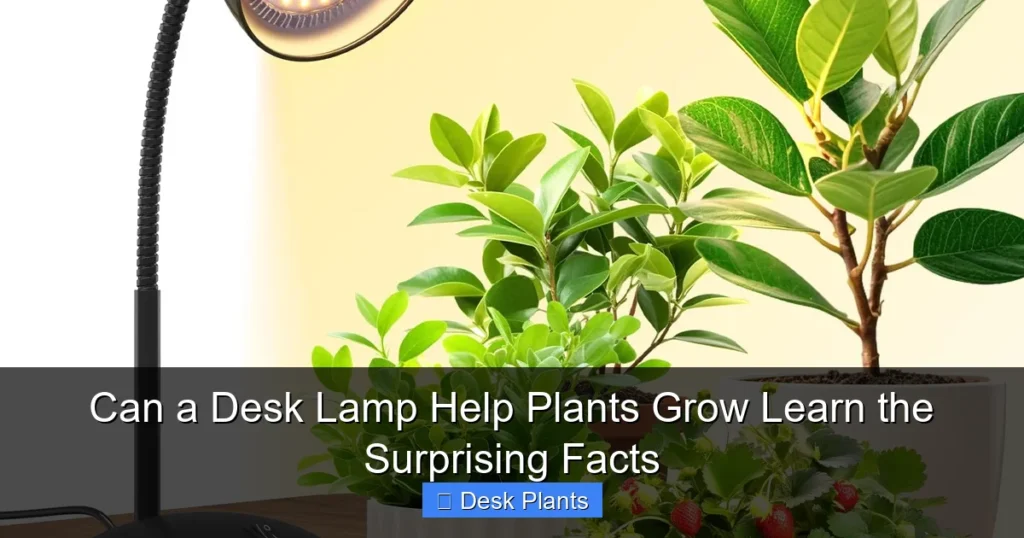
Yes, a desk lamp can help plants grow, but it’s all about the right light and setup. This guide reveals the surprising facts behind using ordinary desk lamps for your indoor greenery. You’ll learn how to choose lamps, position them, and avoid common pitfalls for thriving desk plants.
Key Takeaways
- Desk lamps can supplement plant growth: They provide necessary light, especially in low-light spaces, but aren’t a full replacement for sunlight.
- Light spectrum is crucial: Blue light promotes leafy growth, while red light aids flowering; choose lamps with full-spectrum or balanced output.
- LED and fluorescent lamps are top choices: They emit less heat and are more energy-efficient than incandescent bulbs, reducing plant stress.
- Positioning and timing matter: Keep lamps 6-12 inches away and use timers for 12-16 hours daily to mimic natural cycles.
- Monitor plant health closely: Watch for signs like leggy growth or leaf burn to adjust your setup for optimal results.
- Best for low-light plants: Desk lamps work well for species like pothos or snake plants, but high-light plants may need stronger sources.
- Cost-effective and convenient: Using a desk lamp is an affordable way to boost plant growth in offices or homes without ample sunlight.
Introduction: Can a Desk Lamp Really Help Plants Grow?
Have you ever wondered if that desk lamp on your table could do more than light up your work? Maybe you have a small plant sitting nearby, struggling in a dim corner. You ask: can a desk lamp help plants grow? The answer might surprise you.
In this guide, we will explore the surprising facts about using desk lamps for plants. You will learn how light affects plant growth. We will dive into the types of lamps that work best. We will give you a step-by-step plan to use a desk lamp to help your plants thrive. By the end, you will know if your desk lamp can be a plant’s best friend.
Let’s get started. We will keep it simple and friendly. No complex jargon. Just clear, actionable advice.
Understanding Plant Light Needs: The Basics of Photosynthesis
First, let’s talk about why plants need light. Plants use light for photosynthesis. This is how they make food. Without light, plants become weak. They might not grow at all.
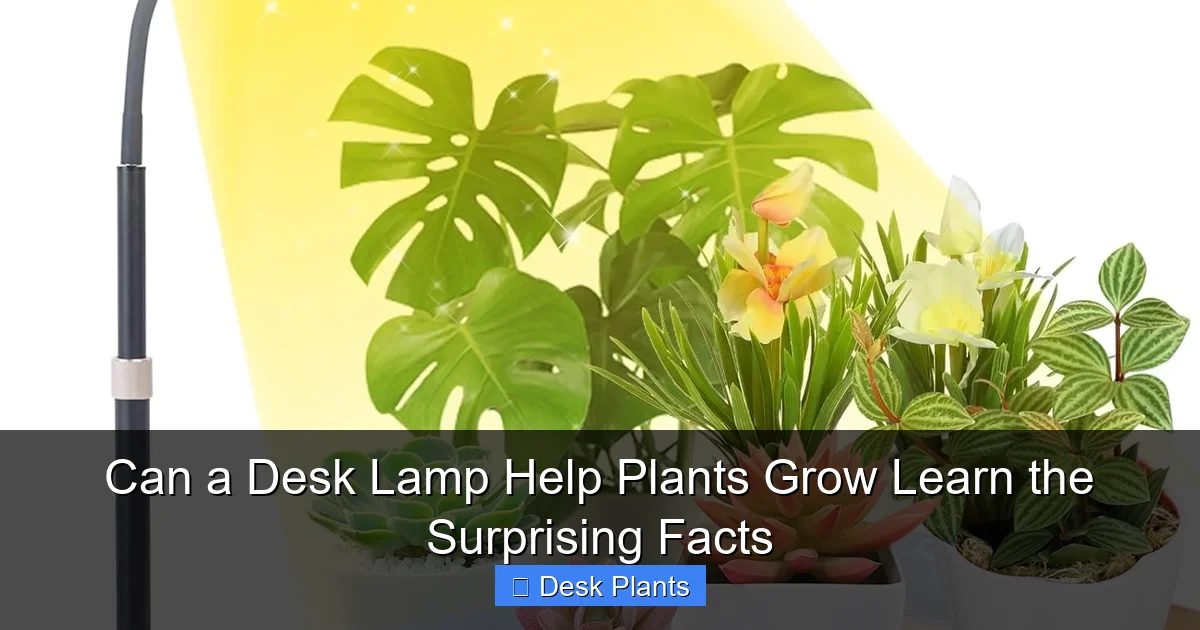
Visual guide about Can a Desk Lamp Help Plants Grow Learn the Surprising Facts
Image source: m.media-amazon.com
Light has different colors. Plants mainly use blue and red light. Blue light helps with leaf growth. Red light helps with flowers and fruits. Natural sunlight has all colors. But desk lamps often have limited spectra.
Plants also need light intensity and duration. Intensity is how bright the light is. Duration is how long the light shines. Most indoor plants need 12 to 16 hours of light per day. They need darkness too, for rest.
So, can a desk lamp help plants grow? Yes, if it provides the right light. But not all desk lamps are equal. We will look at that next.
Types of Desk Lamps: Which Ones Work Best for Plants?
Desk lamps come with different bulbs. The bulb type decides if it can help plants grow. Here are the common types.
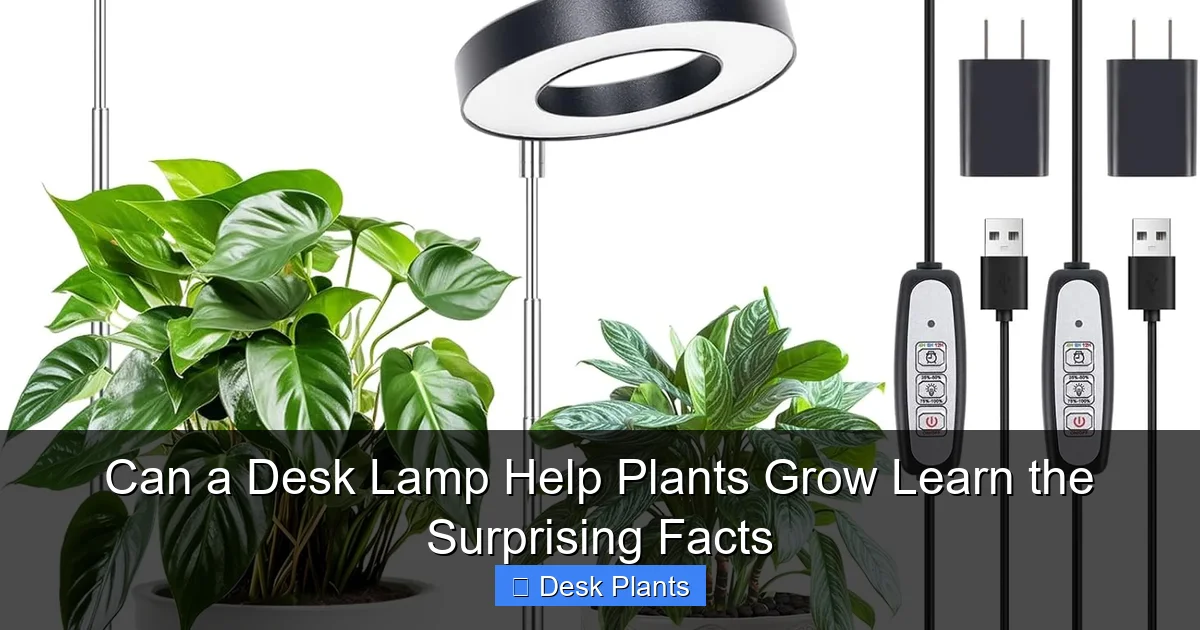
Visual guide about Can a Desk Lamp Help Plants Grow Learn the Surprising Facts
Image source: m.media-amazon.com
Incandescent Bulbs
These are old-style bulbs. They give off warm light. But they emit more heat than light. Too much heat can burn plants. They are not efficient for plant growth. Avoid them if you can.
Fluorescent Bulbs
These are better. They come in tubes or compact shapes. They give off cool light. They have a good spectrum for plants. They are energy-efficient. A fluorescent desk lamp can help plants grow well.
LED Bulbs
LEDs are top choice. They use little energy. They last long. You can find LED lamps with full-spectrum light. That means they have blue and red light. An LED desk lamp is great for plants. It won’t overheat them.
In summary, choose LED or fluorescent desk lamps. They are safe and effective. They can truly help your plants grow.
Step-by-Step Guide: Using a Desk Lamp to Help Plants Grow
Now, let’s get practical. Follow these steps to use a desk lamp for your plants.
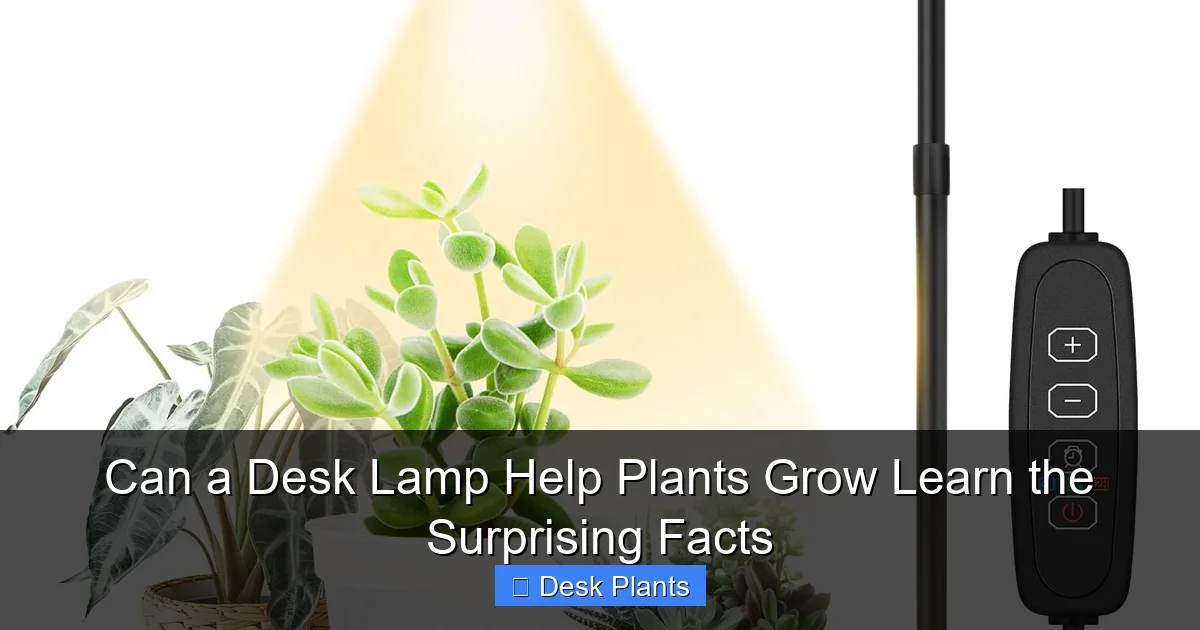
Visual guide about Can a Desk Lamp Help Plants Grow Learn the Surprising Facts
Image source: m.media-amazon.com
Step 1: Assess Your Plant’s Light Requirements
Not all plants need the same light. Check what your plant likes. Is it a low-light plant? Like a snake plant or pothos. Or does it need bright light? Like a succulent or herb. Know this first. It guides your setup.
Step 2: Choose the Right Desk Lamp
Pick a lamp with LED or fluorescent bulb. Look for full-spectrum labels. If not, a cool white bulb often has more blue light. A warm white has more red. For leafy plants, go for cool white. For flowering, warm white can help. Ensure the lamp is adjustable. You will need to move it.
Step 3: Position the Lamp Correctly
Place the lamp 6 to 12 inches from the plant. Too close can cause heat damage. Too far gives weak light. Angle the light to cover the whole plant. Use a clamp lamp if needed. It frees up space. Remember, the goal is to mimic sunlight.
Step 4: Set the Proper Light Duration
Use a timer. Set it for 12 to 16 hours per day. Turn it off at night. Plants need darkness too. Consistency is key. A timer makes it easy. You won’t forget.
Step 5: Monitor and Adjust
Watch your plant. Look for signs of good growth. New leaves are a good sign. If the plant stretches toward the light, it needs more. If leaves turn yellow or brown, it might be too much light. Adjust the distance or duration. Every plant is unique. Be patient.
By following these steps, your desk lamp can help plants grow steadily. It’s a simple process. But it requires attention.
Practical Tips for Success with Desk Lamp Plant Lighting
Here are extra tips to boost your success.
- Use reflective surfaces: Place a white board or foil around the plant. It bounces light back. This increases light exposure.
- Rotate your plant: Turn the pot weekly. This ensures all sides get light. It prevents lopsided growth.
- Combine with natural light: If possible, put the plant near a window too. The desk lamp adds extra hours. This is perfect for dark winters.
- Clean the bulbs: Dust on bulbs reduces light output. Wipe them gently every month. More light reaches the plant.
- Start with low-light plants: They are forgiving. Try pothos, philodendron, or ZZ plants. They respond well to desk lamp light.
These tips make a big difference. They help your desk lamp work better for plant growth.
Troubleshooting Common Issues
Sometimes, things go wrong. Let’s fix common problems.
Problem: Plant Leaves Turning Brown or Yellow
This could be too much light or heat. Move the lamp farther away. Check if the bulb is too hot. Switch to an LED bulb. It runs cooler.
Problem: Leggy or Stretched Growth
The plant is reaching for light. It needs more intensity. Bring the lamp closer. Or use a brighter bulb. Ensure it’s on for enough hours.
Problem: No Growth or Wilting
The light might be too weak. Increase the duration. Or add another desk lamp. Also, check water and soil. Light is just one factor.
Problem: High Electricity Bills
Use LED bulbs. They save energy. Run the lamp only when needed. A timer helps avoid waste.
With these fixes, you can overcome hurdles. Your desk lamp can still help plants grow healthily.
Conclusion: The Surprising Facts About Desk Lamps and Plant Growth
So, can a desk lamp help plants grow? The surprising facts are clear. Yes, it can. But it’s not magic. You need the right lamp. You need the right setup. Desk lamps are great for small spaces. They boost light for low-light plants. They are a cheap solution.
Remember, desk lamps supplement light. They don’t replace sunlight fully. But for many indoor plants, they are a lifeline. With LED or fluorescent lamps, proper positioning, and timing, you can see real growth.
Start today. Look at your desk lamp. See if it can help your plants grow. Follow this guide. Your green friends will thank you. Happy growing!
🎥 Related Video: My favorite grow light for houseplants!
📺 Charleston Crafted
Got houseplants? As the weather cools down, your plants will naturally get less hours of sunlight each day. You might want to …