

Plant fescue grass seed in the early fall for the best results, with late spring as a secondary option. The cool weather gives seedlings time to establish strong roots before extreme heat or cold. This guide walks you through the complete process, from soil testing to mowing your new lawn.
Key Takeaways
- Fall is Prime Time: The ideal window for planting fescue is early fall, about 45 days before your first expected frost.
- Spring is a Backup Plan: If you miss fall, aim for late spring, but be prepared to water more to combat summer heat.
- Soil Prep is Non-Negotiable: Testing and amending your soil before planting is the most critical step for long-term lawn health.
- Seed-to-Soil Contact is Key: Whether you rake, roll, or use a slit-seeder, ensuring the seed touches the soil greatly improves germination.
- Constant Moisture is Crucial: The seedbed must stay consistently damp (not soggy) for 2-3 weeks until grass is established.
- Patience Pays Off: Avoid heavy use of the new lawn for at least 6-8 weeks, and wait until grass is 3-4 inches tall for the first mow.
- Choose the Right Seed: Select a high-quality, shade-tolerant tall fescue or fescue blend suited to your specific region and lawn conditions.
When Do I Plant Fescue: The Ultimate Planting Guide
Dreaming of a thick, green, resilient lawn? Fescue grass might be your perfect match. Known for its shade tolerance and durability, fescue is a favorite for cool-season lawns. But even the best grass seed will fail if planted at the wrong time. This guide cuts through the confusion. You will learn the absolute best times to plant, how to prepare your soil, the step-by-step seeding process, and how to care for your new lawn. Let’s transform your yard.
Understanding Your Fescue Grass
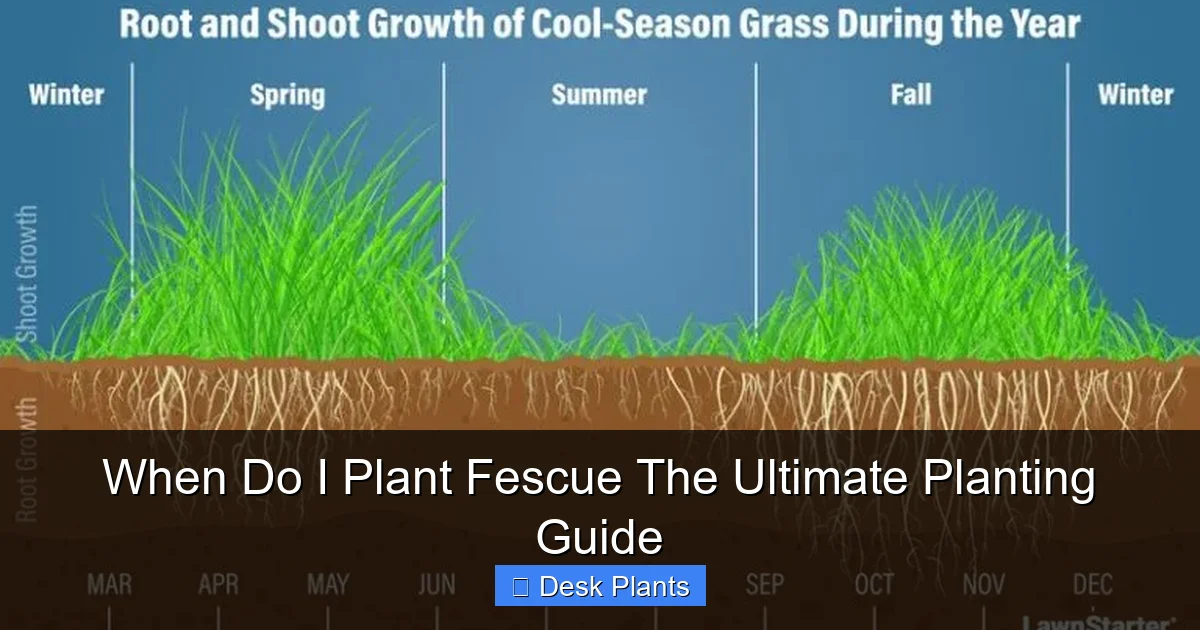
Before we talk timing, let’s understand what we’re growing. Fescue is a “cool-season” grass. It thrives in temperatures between 60°F and 75°F. It grows most vigorously in the spring and fall. In the summer heat or winter cold, it goes dormant (slows or stops growing). Planting at the right time leverages these natural growth cycles. The goal is to let young grass plants build strong roots during cool, mild weather before they face seasonal stress.

Visual guide about When Do I Plant Fescue The Ultimate Planting Guide
Image source: shuncy.com
Types of Fescue for Your Lawn
You’ll typically plant one of two types:
- Tall Fescue: This is the most common. It has deep roots, making it drought-tolerant and great for high-traffic areas. Each blade is wide and coarse.
- Fine Fescue: This includes varieties like creeping red, hard, and chewings fescue. The blades are thinner, giving a finer texture. It excels in dry, shady spots.
Many seed mixes blend these types. This gives you the best of all worlds. Look for a mix labeled for your specific region.
The Best Time to Plant Fescue Grass Seed
This is the million-dollar question. The answer has two parts: the perfect season and a good alternative.

Visual guide about When Do I Plant Fescue The Ultimate Planting Guide
Image source: northernnester.com
1. The Ideal Window: Early Fall
Early fall is the undisputed champion for planting fescue. Target a date about 45 days before your area’s average first frost. For most regions, this falls between late August and mid-October.
Why Fall Wins:
- Perfect Temperatures: The soil is still warm from summer, which helps seeds germinate quickly. The air is cooling down, which young seedlings love.
- Fewer Weeds: Annual weeds like crabgrass are dying off. This gives your fescue less competition.
- Natural Moisture: Fall often brings more consistent rainfall, reducing your watering chores.
- Root Growth Focus: The plant puts energy into building a deep root system over the winter. This makes it strong and ready to explode in spring.
2. The Secondary Option: Late Spring
Did you miss the fall window? Your next best chance is late spring. Aim for a period when soil temperatures have consistently reached 55-65°F. This is usually mid-April to late May.
The Spring Challenge: The looming summer heat is the big issue. Seedlings need extra care and consistent water to survive their first hot summer. It’s more work than fall planting, but it can be successful with diligence.
When to Avoid Planting: Do not plant fescue in the heat of summer (stress leads to failure) or in winter (seeds will lie dormant or wash away).
Step-by-Step: How to Plant Your Fescue Lawn
Now for the action plan. Follow these steps for a lawn that will thrive for years.
Visual guide about When Do I Plant Fescue The Ultimate Planting Guide
Image source: lawnstarter.com
Step 1: Test and Prepare Your Soil
Great lawns are built from the ground up. Start with a soil test. You can get a kit from a garden center or your local cooperative extension office. This tells you your soil’s pH and nutrient levels. Fescue prefers a pH between 6.0 and 7.0.
Based on your test results, you may need to add lime (to raise pH) or sulfur (to lower pH). Also, work in a generous layer of compost. This improves soil structure, drainage, and nutrient content. Use a rototiller or garden fork to loosen the top 4-6 inches of soil.
Step 2: Choose High-Quality Seed
Don’t skimp on seed. Look for a fresh, high-quality tall fescue or fescue blend. Check the label for a low percentage of “weed seed” and “inert matter.” Choose a mix rated for shade if your yard has trees.
Step 3: Plant the Seed Correctly
First, rake the prepared soil smooth. Remove any rocks or large clumps. Use a broadcast or drop spreader to apply the seed at the rate listed on the bag—usually 6-8 pounds per 1,000 square feet.
The Magic Step: You must get seed-to-soil contact. Lightly rake the area again to cover most seeds with about 1/4 inch of soil. You can also gently roll the area with a lawn roller (empty or half-filled with water). For large areas, renting a slit-seeder is fantastic. It cuts tiny grooves and plants the seed directly into the soil.
Step 4: Apply a Starter Fertilizer
Right after seeding, apply a starter fertilizer. It will have a higher phosphorus content (the middle number on the bag, like 24-25-4). Phosphorus is vital for strong root development in new grass.
Step 5: Water, Water, Water (The Right Way)
This is the most important step after planting. Your goal is to keep the top inch of soil consistently moist, like a damp sponge.
- Weeks 1-3: Water lightly 2-3 times per day for about 5-10 minutes each time. Avoid heavy watering that causes puddles and washes seeds away.
- After Germination: Once you see green sprouts (in 7-14 days), you can reduce frequency but increase depth. Water less often but for longer to encourage deep roots.
Caring for Your New Fescue Lawn
Your work isn’t done once the grass sprouts. Proper care ensures it matures into a durable lawn.
The First Mow
Wait until the grass is about 3-4 inches tall for the first mow. Never cut more than 1/3 of the grass blade off at once. Set your mower to a high setting, around 3-3.5 inches. Taller fescue grass shades the soil, conserves water, and resists weeds.
Ongoing Watering
As the lawn establishes, transition to deep, infrequent watering. Aim for about 1 inch of water per week, including rainfall. Watering deeply once or twice a week is better than shallow daily watering.
First Fertilization
Apply your next round of regular lawn fertilizer about 6-8 weeks after planting. Follow the schedule on the bag. A fall-planted fescue lawn will be ready for its first main feeding in the following spring.
Troubleshooting Common Problems
Even with the best plans, issues can pop up. Here’s how to fix them.
Patchy or Poor Germination
Causes: Uneven seeding, poor seed-to-soil contact, dried-out seedbed, or old/bad seed.
Fix: Gently rake the thin areas to loosen soil, spread more seed, keep it moist, and protect it from birds with a very light layer of straw.
Weeds Overtaking New Grass
Causes: Weed seeds in the soil or seed mix.
Fix: Do not use weed killers on new grass. Hand-pull large weeds. Mow regularly to prevent weed seed heads. Your thick fescue will crowd out weeds over time. You can apply a weed control product only after you’ve mowed the new lawn 3-4 times.
Seed Washes Away
Causes: Heavy rain or improper watering on sloped areas.
Fix: Use an erosion control blanket or a light layer of weed-free straw on slopes. Water with a gentle spray, not a hard stream.
Conclusion: Your Path to a Perfect Fescue Lawn
Planting a beautiful fescue lawn boils down to simple timing and careful steps. Remember, early fall is your golden ticket. Prepare your soil like you’re building a foundation. Plant quality seed and keep it consistently moist. With patience and the right care, you’ll be rewarded with a dense, green carpet that can handle play, shade, and seasons. Grab your calendar, find that 45-day pre-frost window, and get ready to grow. Your ultimate lawn is within reach.
🎥 Related Video: Fescue Lawn Calendar
📺 How To with Doc
Fescue and cool season lawn calendar. https://www.howtowithdoc.com/fescue-lawn-calendar/ There Doc has the fescue lawn …