
Plant wilting is a common distress signal often due to water, light, or temperature issues. This guide explains when a plant wilts and how to diagnose the problem with practical steps to rescue it. You’ll learn to revive your desk plant and prevent future wilting for a thriving green space.
Understanding When A Plant Wilts And How To Save It
Do you see your desk plant looking droopy and sad? That’s wilting. It’s a sign your plant needs help. But don’t panic! This guide will show you when a plant wilts and how to save it. We’ll cover the causes, diagnosis, and simple steps to bring your plant back to life. By the end, you’ll feel confident caring for your desk plants. Let’s get started.
Key Takeaways
- Wilting is a symptom, not a disease: It signals stress from factors like improper watering, light, or pests.
- Diagnose the root cause: Check soil moisture first to distinguish between overwatering and underwatering.
- Underwatering requires deep watering: Soak the soil thoroughly and ensure proper drainage to rehydrate the plant.
- Overwatering needs drying out: Let soil dry, improve drainage, and trim any rotten roots to prevent further damage.
- Environment plays a key role: Adjust light, temperature, and humidity to match your plant’s needs for recovery.
- Recovery takes patience: Plants may take days to weeks to bounce back; monitor progress and avoid overcare.
- Prevent with consistent care: Establish a routine based on plant type and environmental conditions to avoid future wilting.
What Is Wilting and Why It Happens
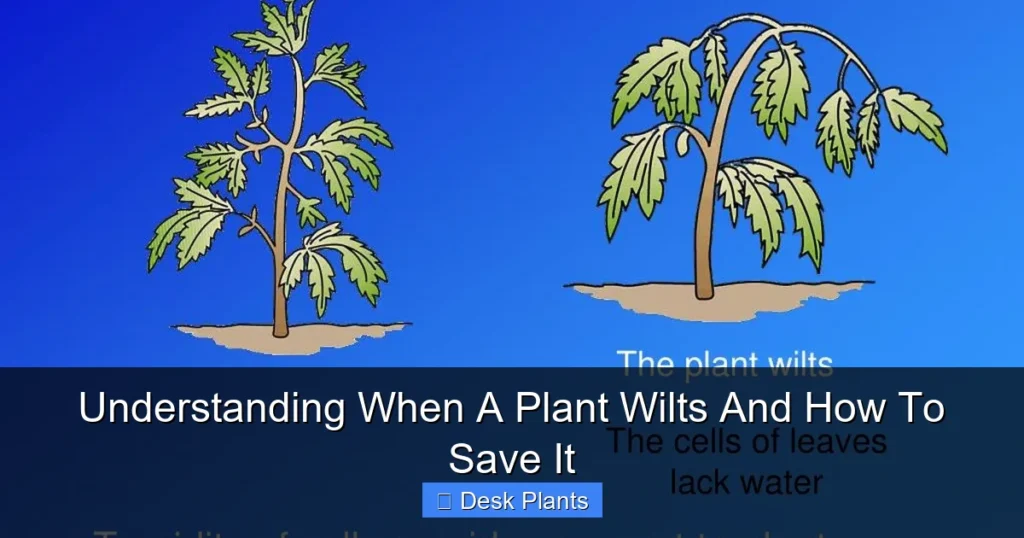
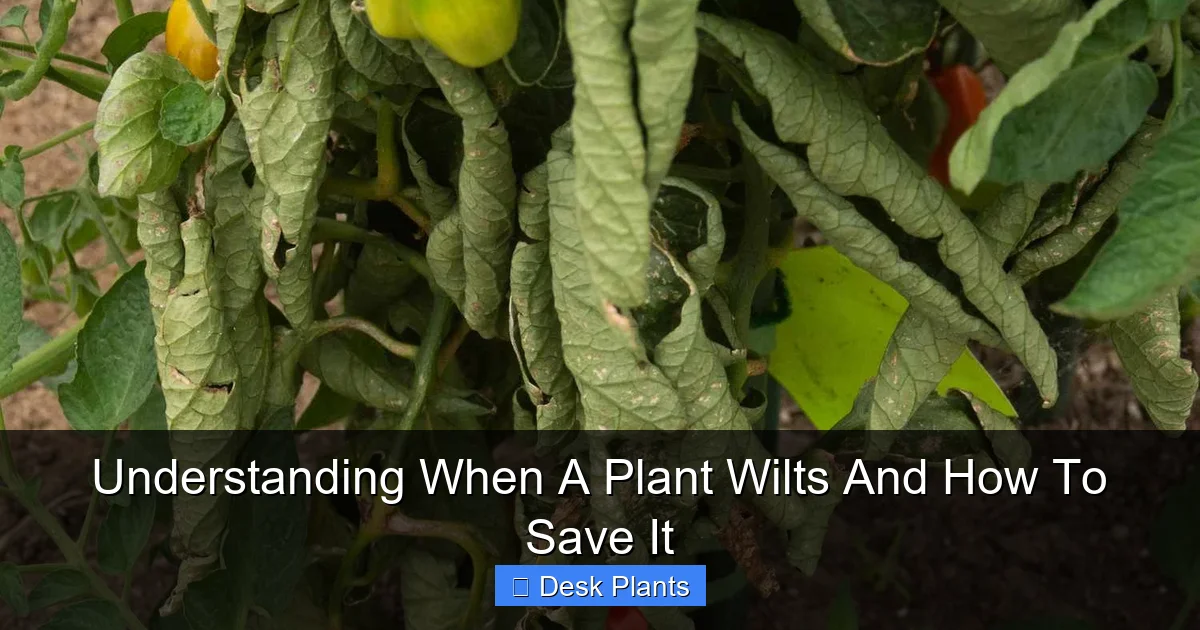
Wilting is when a plant’s leaves or stems become limp and droop. It happens because the plant loses water pressure inside its cells. This pressure, called turgor, keeps the plant firm. When water is low or something blocks water uptake, the plant wilts. It’s like a balloon losing air. For desk plants, wilting is common but fixable.
The Science Behind Wilting
Plants drink water through their roots. The water travels up to the leaves. Leaves lose water through tiny pores in a process called transpiration. If the plant loses more water than it takes in, cells shrink. This causes wilting. Understanding this helps you know when a plant wilts due to stress.
Common Causes of Wilting in Desk Plants
Desk plants wilt for many reasons. Here are the top causes:
- Underwatering: The soil gets too dry. The plant has no water to stay firm.
- Overwatering: Too much water drowns the roots. Roots can’t breathe, leading to rot and wilting.
- Incorrect Light: Too much direct sun can burn leaves. Too little light weakens the plant. Both can cause wilting.
- Temperature Stress: Desk plants prefer stable temperatures. Hot drafts from heaters or cold from air conditioners can trigger wilting.
- Low Humidity: Indoor air is often dry. This speeds up water loss from leaves, making the plant wilt.
- Pests and Diseases: Bugs like spider mites or diseases like root rot attack plants. They damage tissues, causing wilting.
- Pot Bound Roots: If the pot is too small, roots get crowded. They can’t absorb water well, so the plant wilts.
Knowing these causes helps you act fast when your plant wilts.
Step-by-Step Diagnosis for a Wilting Plant
Before you fix wilting, find the cause. Follow these steps to diagnose your desk plant.

Visual guide about Understanding When A Plant Wilts And How To Save It
Image source: kj1bcdn.b-cdn.net
Step 1: Check Soil Moisture
This is the first thing to do. Stick your finger about an inch into the soil. If it feels dry, your plant is likely underwatered. If it feels soggy or wet, overwatering might be the issue. You can also use a moisture meter for accuracy. Proper diagnosis tells you when a plant wilts from water problems.
Step 2: Examine Light Conditions
Look at where your plant sits. Is it in direct sunlight all day? Or is it in a dark corner? Most desk plants need bright, indirect light. Too much light can cause heat stress. Too little light reduces energy. Move the plant and see if wilting improves over a few hours.
Step 3: Assess Temperature and Humidity
Check the room temperature. Desk plants thrive between 65-75°F (18-24°C). Avoid spots near vents or windows with drafts. Use a hygrometer to measure humidity. Aim for 40-60% humidity for most plants. If air is dry, consider a humidifier.
Step 4: Look for Pests and Diseases
Inspect leaves and stems for tiny insects, webs, or spots. Common pests include aphids and mealybugs. For diseases, check roots by gently removing the plant from its pot. Healthy roots are white and firm. Rotten roots are brown and mushy. This helps pinpoint when a plant wilts from infections.
After diagnosis, you can move to saving your plant.
How to Save a Wilting Plant: Immediate Actions
Once you know the cause, take action. Here’s how to save your desk plant based on the problem.
Visual guide about Understanding When A Plant Wilts And How To Save It
Image source: thespruce.com
Immediate Actions for Underwatered Plants
If soil is dry, your plant needs water. But don’t just sprinkle water on top. Here’s what to do:
- Water deeply: Place the pot in a sink or tray. Water slowly until it runs out the drainage holes. This ensures roots get enough moisture.
- Allow drainage: Let excess water drain away. Never let the plant sit in water, as this can lead to overwatering.
- Monitor recovery: The plant should perk up in a few hours. If not, repeat watering after the top inch of soil dries.
This method works well when a plant wilts from thirst.
Immediate Actions for Overwatered Plants
If soil is soggy, overwatering is likely. Act quickly to prevent root rot:
- Stop watering: Let the soil dry out completely. You can gently tilt the pot to remove excess water.
- Improve drainage: Ensure the pot has drainage holes. If not, repot into a container with holes. Use well-draining soil mix.
- Trim damaged roots: If roots are rotten, trim them with sterile scissors. Repot the plant in fresh soil.
- Reduce stress: Place the plant in a shaded area with good air circulation. Avoid fertilizing until it recovers.
This helps when a plant wilts from too much water.
Adjusting Environmental Factors
Sometimes, wilting is due to light, temperature, or humidity. Fix these issues:
- Light: Move the plant to a spot with bright, indirect light. Use sheer curtains to filter direct sun.
- Temperature: Keep the plant away from heaters, air conditioners, and drafts. Maintain a stable room temperature.
- Humidity: Increase humidity by misting leaves, using a pebble tray, or grouping plants together. A small humidifier on your desk can work wonders.
These adjustments address wilting from environmental stress.
Pruning and Care During Recovery
After taking action, help your plant heal:
- Trim wilted leaves: Use clean scissors to cut off severely damaged leaves. This helps the plant focus energy on new growth.
- Avoid fertilizing: Don’t fertilize a stressed plant. Wait until it shows new growth, usually in a few weeks.
- Water wisely: Resume a regular watering schedule based on soil checks. Water when the top inch is dry.
- Be patient: Recovery can take time. Some plants bounce back in days, others in weeks. Keep monitoring.
With care, your desk plant will thrive again.
Troubleshooting Common Wilting Issues
Even with care, some plants keep wilting. Here are common troubles and fixes.

Visual guide about Understanding When A Plant Wilts And How To Save It
Image source: lovethegarden.com
Wilting Despite Proper Watering
If you water correctly but the plant wilts, check for root bound issues. Gently remove the plant from its pot. If roots circle tightly, repot into a larger container. Also, ensure the soil isn’t compacted. Loosen it gently to improve air flow.
Wilting After Repotting
Repotting can shock plants, causing wilting. To minimize shock, water the plant well after repotting. Keep it in a shaded area for a few days. Avoid disturbing the roots too much. This is normal when a plant wilts after repotting; it usually recovers.
Wilting in Specific Desk Plants
Different plants have unique needs. For example:
- Snake Plant: Wilts from overwatering. Let soil dry completely between waterings.
- Pothos: Wilts from low light or dry soil. Place in indirect light and water when top soil is dry.
- Succulents: Wilts from too much water. Use gritty soil and water sparingly.
Know your plant’s needs to prevent wilting.
Preventing Future Wilting
Prevention is easier than cure. Here’s how to keep your desk plants from wilting.
Establishing a Watering Schedule
Don’t water on a strict calendar. Instead, check soil moisture weekly. Use the finger test. Water only when needed. This prevents both over and underwatering. Keep a log to track your plant’s response.
Optimizing Plant Placement
Choose the right spot for your plant. Most desk plants like bright, indirect light. Avoid direct sun or deep shade. Keep plants away from vents and doors. Rotate the pot occasionally for even growth.
Regular Maintenance Tips
- Dust leaves: Wipe leaves with a damp cloth to help photosynthesis.
- Check for pests: Inspect plants weekly for early signs of bugs.
- Refresh soil: Repot every 1-2 years to replenish nutrients and prevent compaction.
- Use proper pots: Always use pots with drainage holes to avoid waterlogging.
These habits reduce the chances of wilting.
Conclusion
Wilting doesn’t mean your plant is doomed. Now you know when a plant wilts and how to save it. Start by diagnosing the cause. Then take immediate action. Adjust water, light, and environment. With patience and care, your desk plant will recover. Remember, prevention is key. Establish a consistent routine. Your green friends will thank you with lush, healthy growth. Happy planting!
🎥 Related Video: Why Plants Wilt And Can They Be Saved? – Garden Quickie Episode 77
📺 The Ripe Tomato Farms
We Never Want To See Our Planting Wilting. Its drastic, its dramatic, and it feels like they are at deaths door. And while they most …